High-Quality Chinese Tea & Teaware.We focus on authentic flavors. Every tea is sourced from the best farms and made by experienced artisans to keep the complex taste. Our teaware combines beauty and practicality. Discover the essence of traditional tea culture with us. DismissSkip to content
Oriental Beauty Oolong Tea: The 1 Honey Apple Oolong for Silky Smooth Sipping
$82.00–$123.00Price range: $82.00 through $123.00
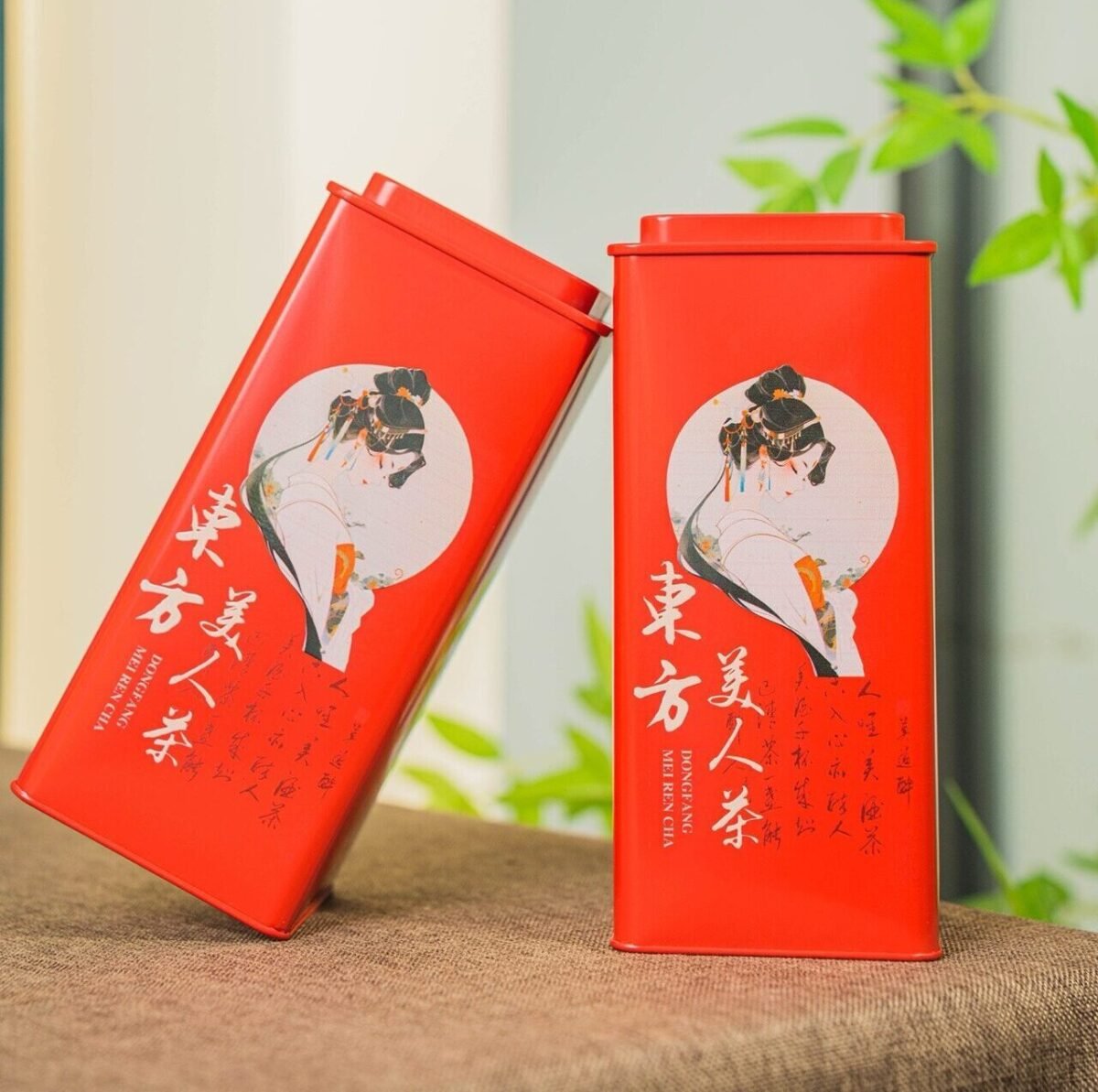
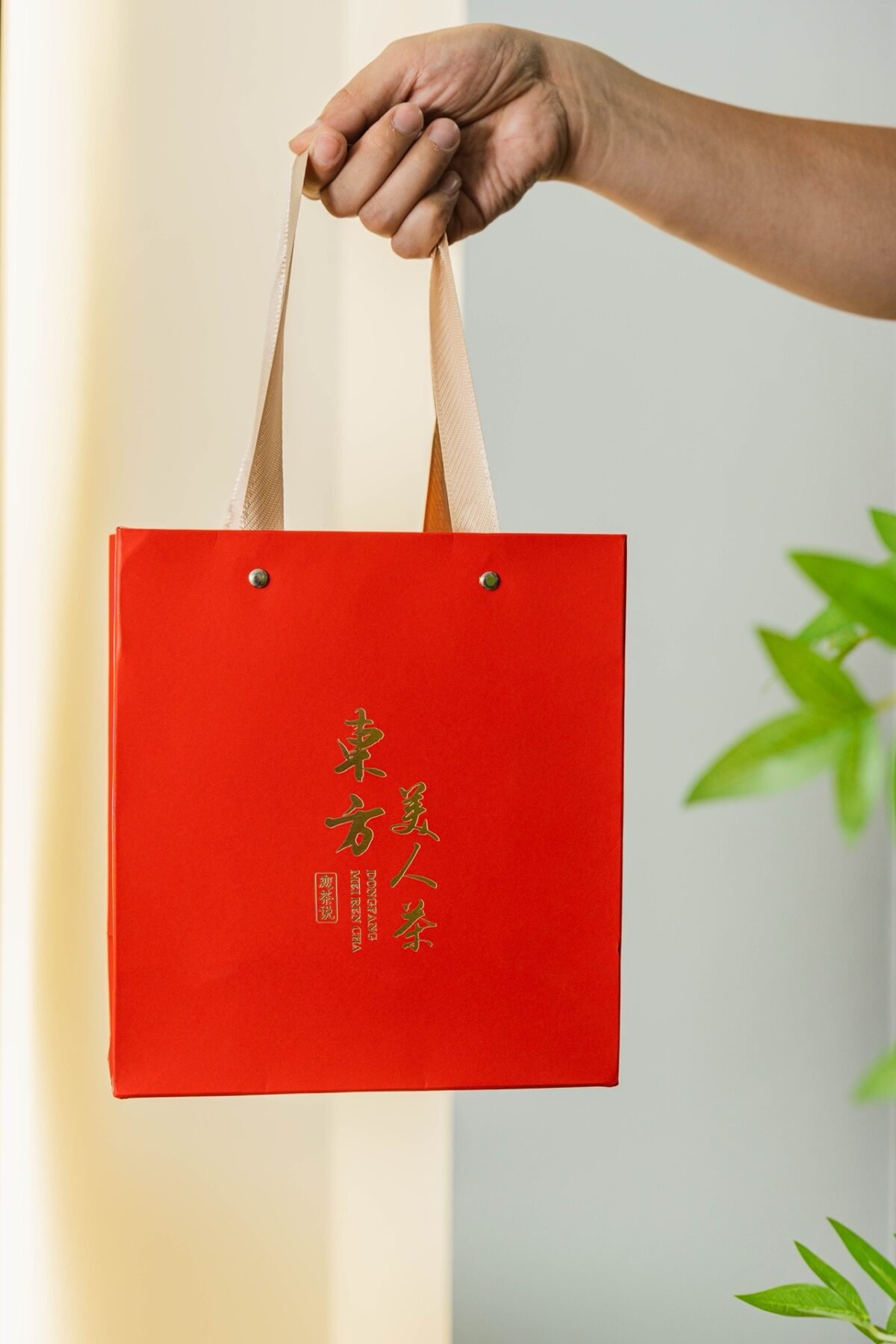
Experience the Oriental Beauty Oolong Tea – Taiwan’s legendary Bai Hao oolong with natural honey and apple notes. This Heavy Fermentation Oolong offers a bright orange-red liquor, silky texture, and lingering sweetness. Supports digestion and uplifts mood. 250g/500g. Free shipping.
Oriental Beauty Oolong Tea: The 1 Honey Apple Oolong for Silky Smooth Sipping
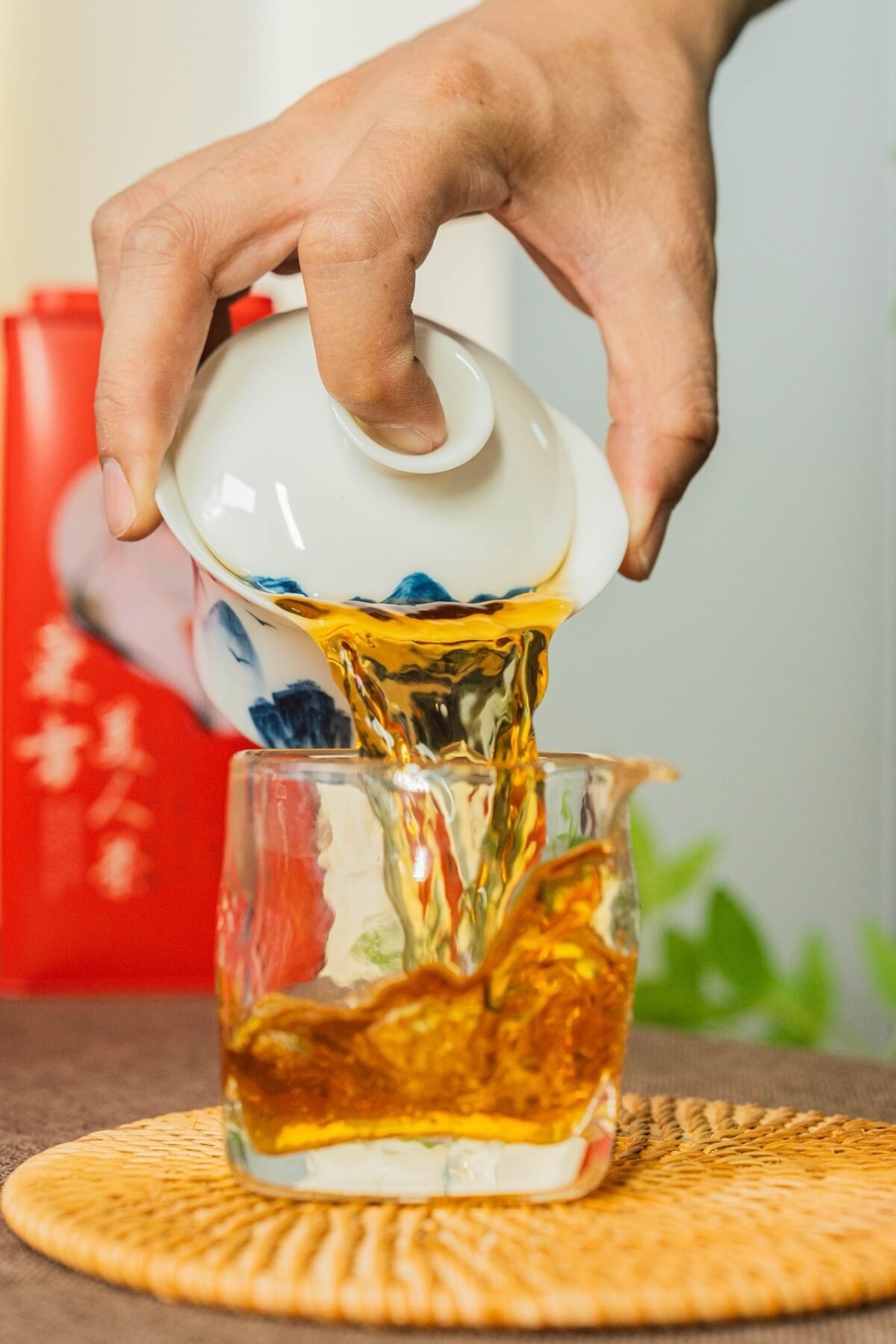
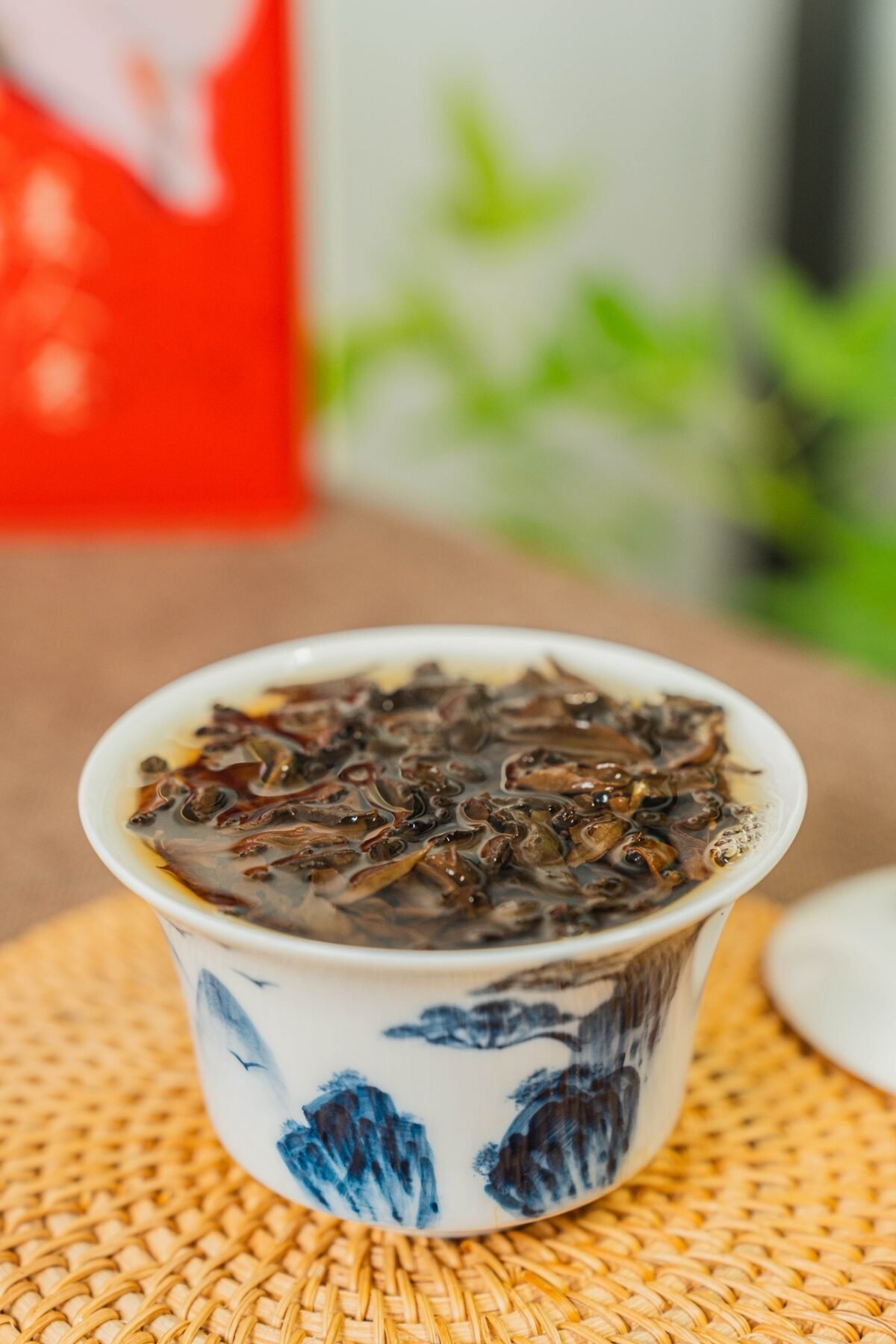
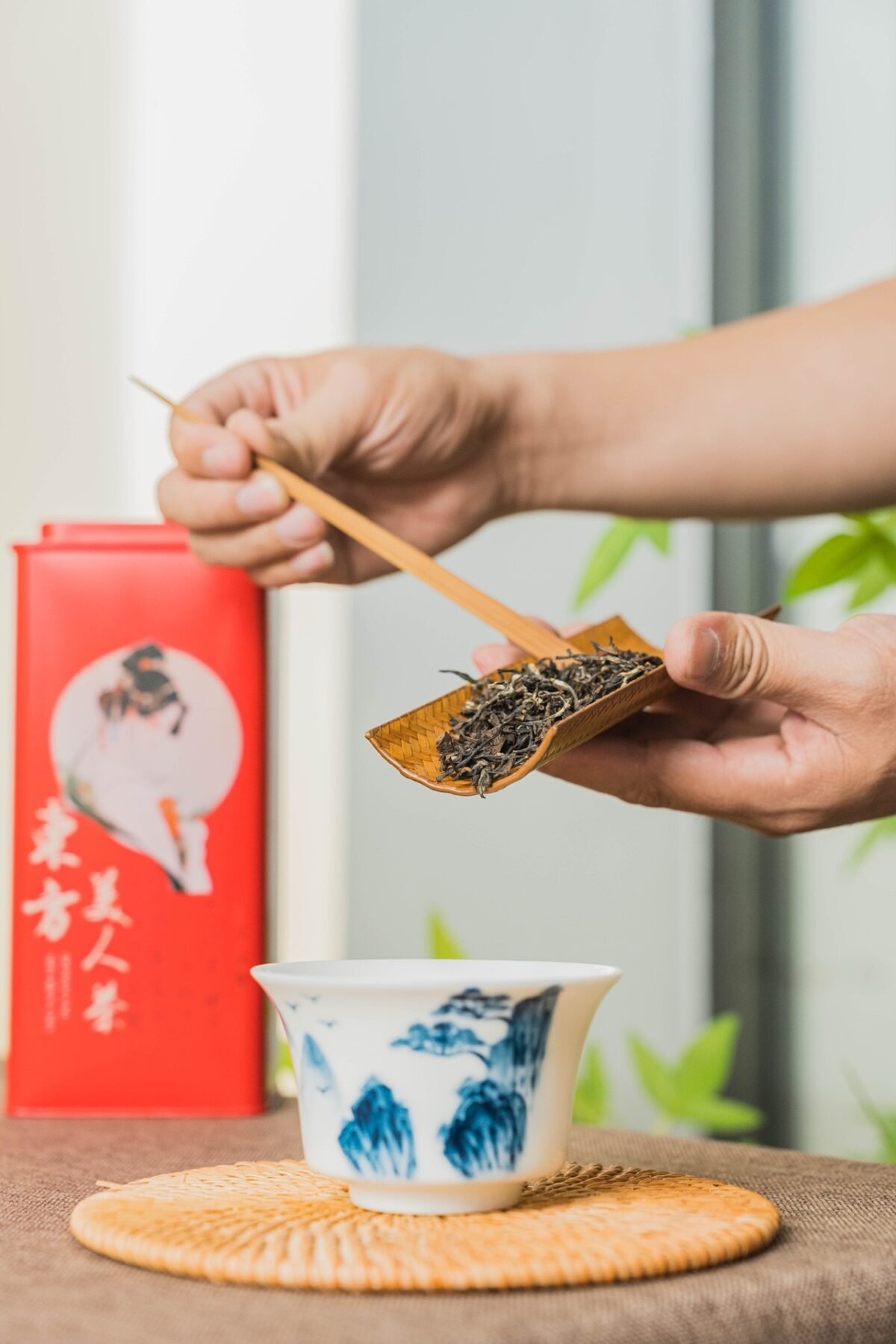
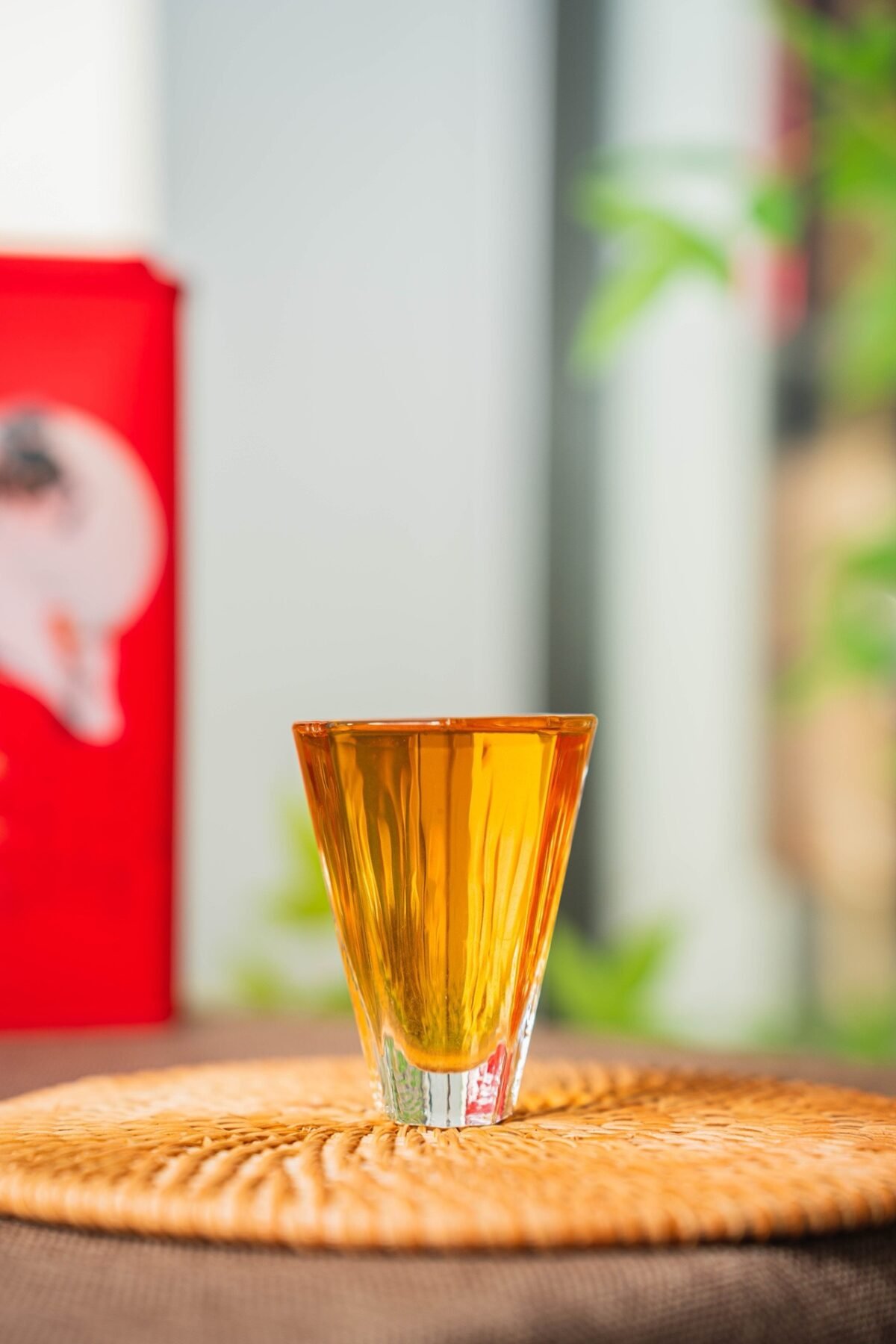
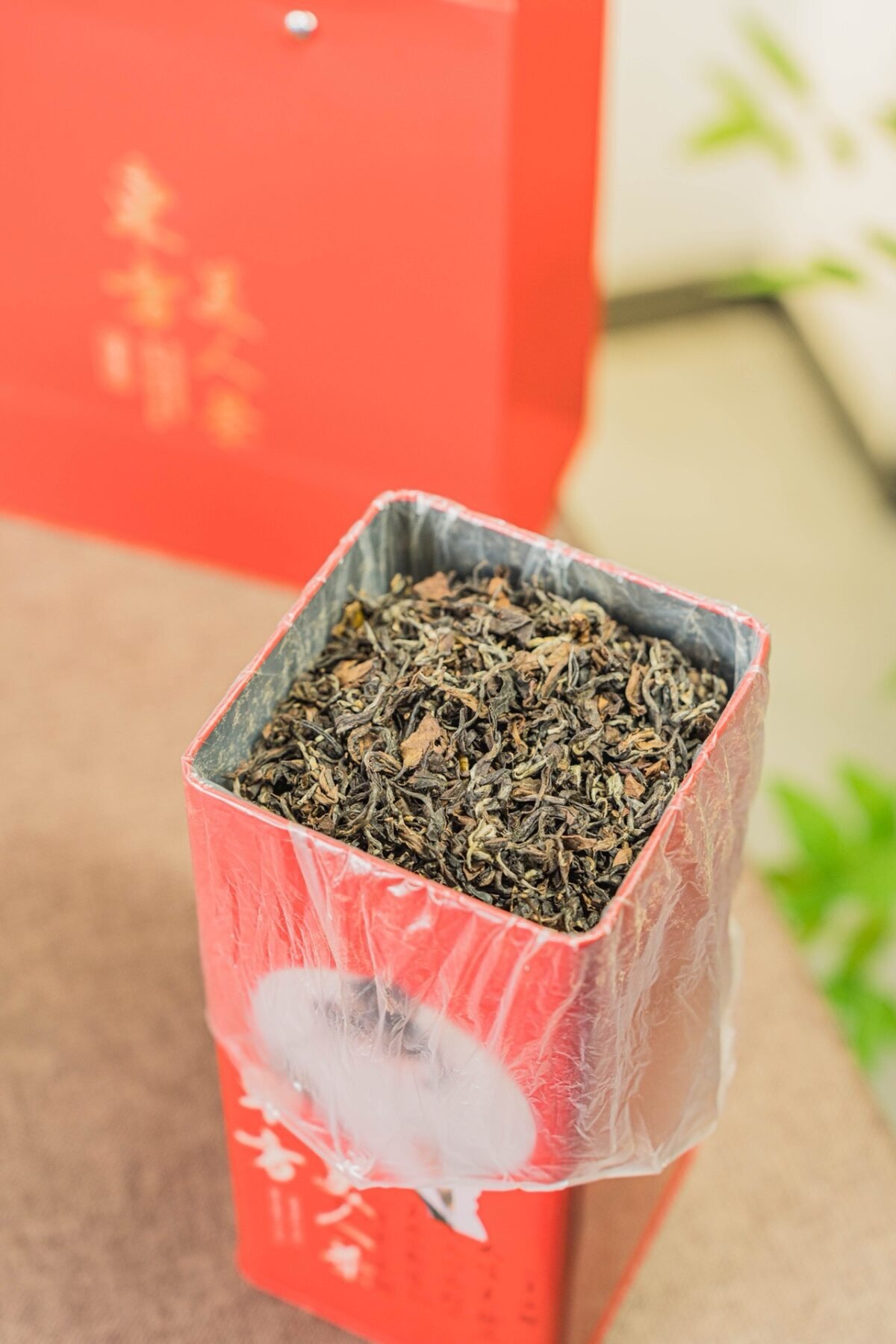
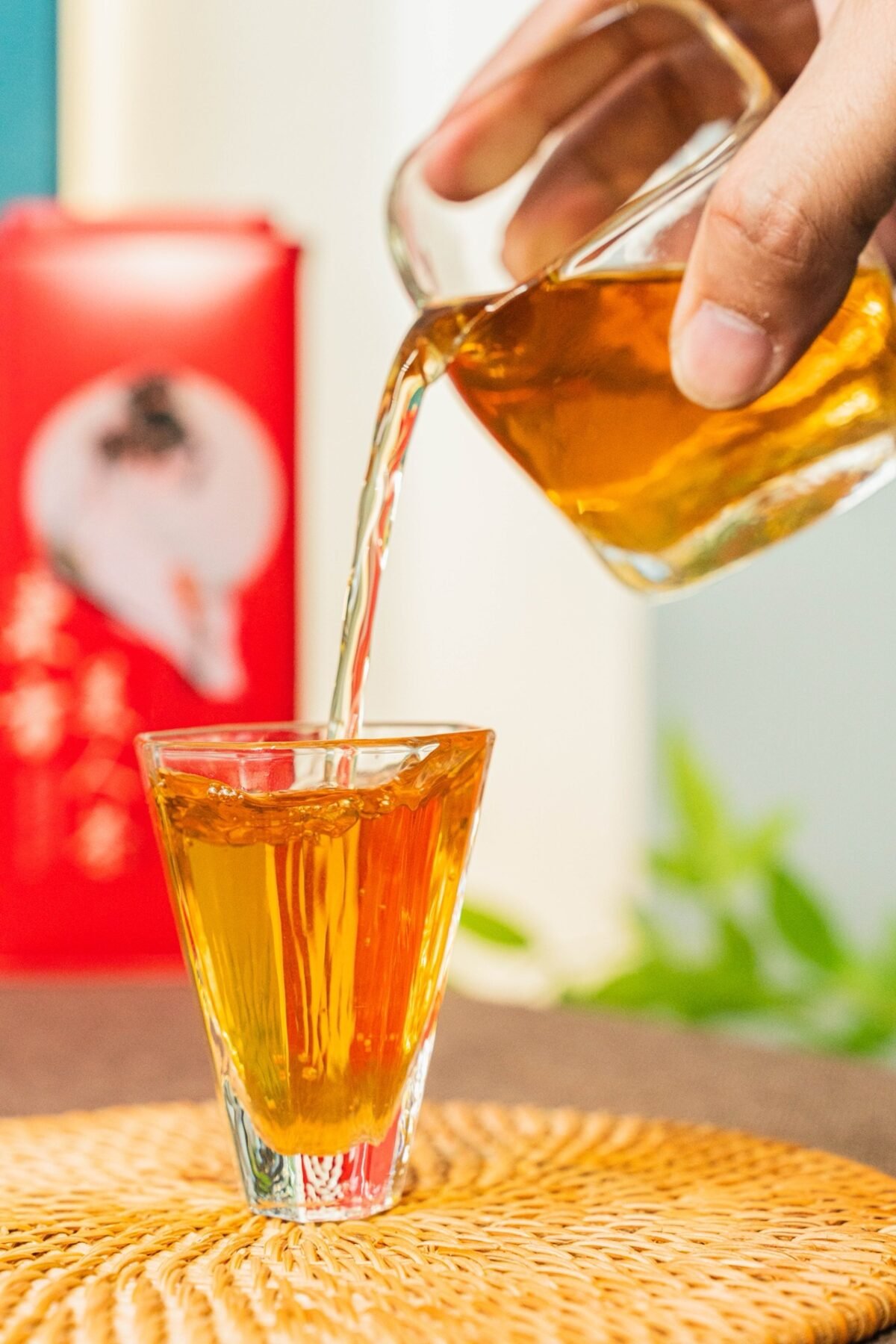
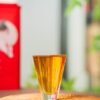
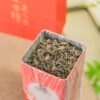
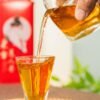
Oriental Beauty Oolong Tea, also known as Bai Hao Oolong or “Pangfeng Tea” (Braggart’s Tea), is one of Taiwan’s most celebrated oolong teas. It is produced in the hilly tea gardens of Hsinchu and Miaoli counties, using tea leaves that have been bitten by the tea jassid insect (Jacobiasca formosana) during the summer growing season. This unique pest bite triggers a chemical response in the leaves, producing the distinctive honeyed aroma and fruity sweetness that define Oriental Beauty. The leaves undergo a heavy fermentation process (approximately 70-80%), resulting in a remarkable “five-color” appearance – red, yellow, green, white, and brown interwoven. When brewed, the liquor is a brilliant orange-red, reminiscent of amber. The flavor is naturally sweet with pronounced notes of honey and ripe apple, a silky smooth texture, and a long, lingering finish with no bitterness or astringency. The wet leaves unfurl to reveal red-edged green leaves with prominent silvery white tips. Available in 250g (single tin) and 500g (double tin) options, this tea is a must-have for any oolong enthusiast.
Oriental Beauty Oolong Tea: The Story of a Serendipitous Discovery
The origin of Oriental Beauty Oolong Tea is a tale of fortunate accident. In the late 19th century, a tea farmer in Hsinchu noticed that his spring tea crop had been severely damaged by a leafhopper insect. Rather than discard the leaves, he decided to process them anyway, hoping to salvage something. To his astonishment, the resulting tea was extraordinarily fragrant and sweet, with a flavor unlike any other. He took it to a local tea merchant, who was so impressed that he sold it at a premium price to British traders. The British, captivated by its exquisite taste and beautiful appearance, named it “Oriental Beauty.” Back in Taiwan, the locals were skeptical that such a damaged crop could fetch such a high price, calling it “Pangfeng Tea” (膨风茶) – meaning “braggart’s tea” – believing the farmer was exaggerating. The name stuck, and today it is worn with pride. The key to Oriental Beauty’s unique character lies in the interaction between the tea plant and the tea jassid. When the insect bites the leaves, the plant produces volatile compounds as a defense mechanism, including monoterpenes and linalool derivatives that create the honeyed, fruity aroma. The heavy fermentation process further transforms these compounds, enhancing the sweetness and complexity. Only leaves harvested in summer, when the jassids are most active, can produce true Oriental Beauty. This serendipitous discovery turned a misfortune into one of Taiwan’s most prized teas.
Oriental Beauty Oolong Tea: The 6-Step Crafting Process
Creating Oriental Beauty Oolong Tea is a delicate art that requires precise timing and expert judgment.
1. Harvesting Insect-Bitten Leaves: The tea leaves are hand-picked in summer (June-August) when the tea jassid population is at its peak. Only the tender, one-bud-two-leaf sets that show signs of insect bites are selected. The bites appear as small white spots on the leaves. The farmer must carefully assess the extent of the damage – too little, and the honey flavor won’t develop; too much, and the leaves will be too dry.
2. Withering Under the Sun: The freshly picked leaves are spread thinly on bamboo trays and exposed to sunlight for 30-60 minutes, then moved indoors to wither naturally for 6-8 hours. This reduces moisture and initiates enzymatic reactions that develop the tea’s aroma precursors.
3. Bruising and Heavy Oxidation (做青): The leaves are gently tossed and turned in bamboo baskets over several hours. This bruises the leaf edges, triggering oxidation. For Oriental Beauty, the oxidation level is pushed to 70-80% – much higher than typical oolongs. The tea master monitors the color change and aroma development closely, stopping the process when the leaves turn red-brown at the edges while the centers remain green-yellow.
4. Kill-Green (杀青): The oxidized leaves are quickly heated in a wok-style pan at high temperature (200-250°C) to deactivate enzymes and lock in the aroma. This step also softens the leaves for rolling.
5. Rolling and Drying: The hot leaves are rolled into tight, twisted strips. This breaks cell walls, releases juices, and gives the tea its characteristic appearance. The leaves are then dried at low temperature (80-90°C) to reduce moisture to below 5%.
6. Final Baking and Aging: Oriental Beauty often undergoes a light baking (烘培) at 60-70°C for 2-4 hours to enhance the honeyed aroma and stabilize the flavor. Some premium grades are aged for 6-12 months to allow the flavors to mellow and integrate. The final product is sorted and packaged immediately to preserve freshness.
Oriental Beauty Oolong Tea: A 4-Step Guide to Brewing the Perfect Cup
1. Water Temperature and Vessel
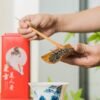
Use water at 90-95°C (194-203°F). A Yixing teapot, a porcelain gaiwan, or a glass teapot all work well. Pre-warm the vessel with hot water. The high water temperature helps extract the full depth of flavor from the heavily oxidized leaves.
2. Tea Quantity
Use approximately 5-7 grams of tea (about 1.5 teaspoons) per 150ml of water. For a 250g tin, this yields about 35-50 servings. The leaves expand significantly, so leave room in the vessel.
3. Steeping Time
For the first infusion, steep for 30-45 seconds. The honey and apple notes will be vibrant. Subsequent infusions can be increased by 10-15 seconds each time. Oriental Beauty is known for its longevity – you can enjoy 6-8 infusions from the same leaves, with the flavor evolving from fruity to floral to creamy.
4. Enjoying the Experience
Take a moment to inhale the aroma before sipping. Notice the layered scents: first the sweet honey, then ripe apple, and finally a hint of dried fruit and spice. The taste is silky smooth, with a natural sweetness that coats the tongue. The finish is clean and lingering, with a subtle floral aftertaste. This Honey Apple Oolong is perfect for afternoon indulgence, post-meal digestion, or as a luxurious treat any time.
5 Reasons Why Oriental Beauty Oolong Tea Is a Must-Have
Unparalleled Flavor Profile: The natural honey sweetness and ripe apple notes are entirely natural – no flavorings added. The heavy fermentation creates a smooth, rich mouthfeel that is both refreshing and comforting.
Unique Production Story: The symbiotic relationship between the tea plant and the tea jassid insect makes Oriental Beauty a truly natural product. Each sip tells the story of a fragile ecosystem and the farmers who work with nature.
Health Benefits: Heavy fermentation breaks down catechins into theaflavins and thearubigins, which are easier to digest and gentler on the stomach. Oriental Beauty is also rich in antioxidants and may help support cardiovascular health.
Visual Beauty: The dry leaves’ tricolor appearance and the bright orange-red liquor make this tea a feast for the eyes. It is as beautiful to look at as it is to drink.
Generous Sizes: Available in 250g and 500g options, this tea offers excellent value. The airtight tins keep the tea fresh for months. It also makes a wonderful gift for tea lovers who appreciate rarity and quality.
Oriental Beauty Oolong Tea: 3 Ways to Incorporate It Into Your Daily Ritual
Afternoon Luxury Break: Replace your afternoon coffee with this exquisite oolong. The natural sweetness satisfies cravings without added sugar, and the moderate caffeine provides a smooth energy lift. Perfect for a 3 PM pick-me-up.
Post-Meal Digestive Aid: Enjoy a cup after a heavy meal. The heavy fermentation makes this tea gentle on the stomach, and the honeyed flavor cleanses the palate. It’s a healthier alternative to dessert wines or sugary drinks.
Mindful Evening Sip: Despite its caffeine content, Oriental Beauty’s smooth character makes it suitable for early evening enjoyment. The complex aroma invites contemplation and relaxation. Pair it with light music or a good book.
More Than a Tea: A Taste of Taiwan’s Terroir
Junxistea’s Oriental Beauty Oolong Tea is more than a beverage; it is a taste of Taiwan’s unique terroir and the ingenuity of its tea farmers. The misty hills of Hsinchu, the summer sun, the tiny jassid insects – all conspire to create a tea that is truly one of a kind. With every sip, you are experiencing the perfect balance of nature and human craftsmanship. This tea invites you to appreciate the beauty of imperfection, the sweetness that can arise from adversity. Whether you are a seasoned oolong drinker or new to Taiwanese teas, Oriental Beauty will captivate your senses and leave you longing for more.
You have discovered the legend of Oriental Beauty. Now, let its honeyed embrace transport you to the tea gardens of Taiwan.
Click “Add to Cart” to welcome the Oriental Beauty Oolong Tea into your collection. Brew with reverence, sip with delight. Free shipping is available on all orders.
Size
250g (1 Can), 500g (2 Cans)
Reviews
There are no reviews yet.
Be the first to review “Oriental Beauty Oolong Tea: The 1 Honey Apple Oolong for Silky Smooth Sipping”Cancel Reply
Reviews
There are no reviews yet.