
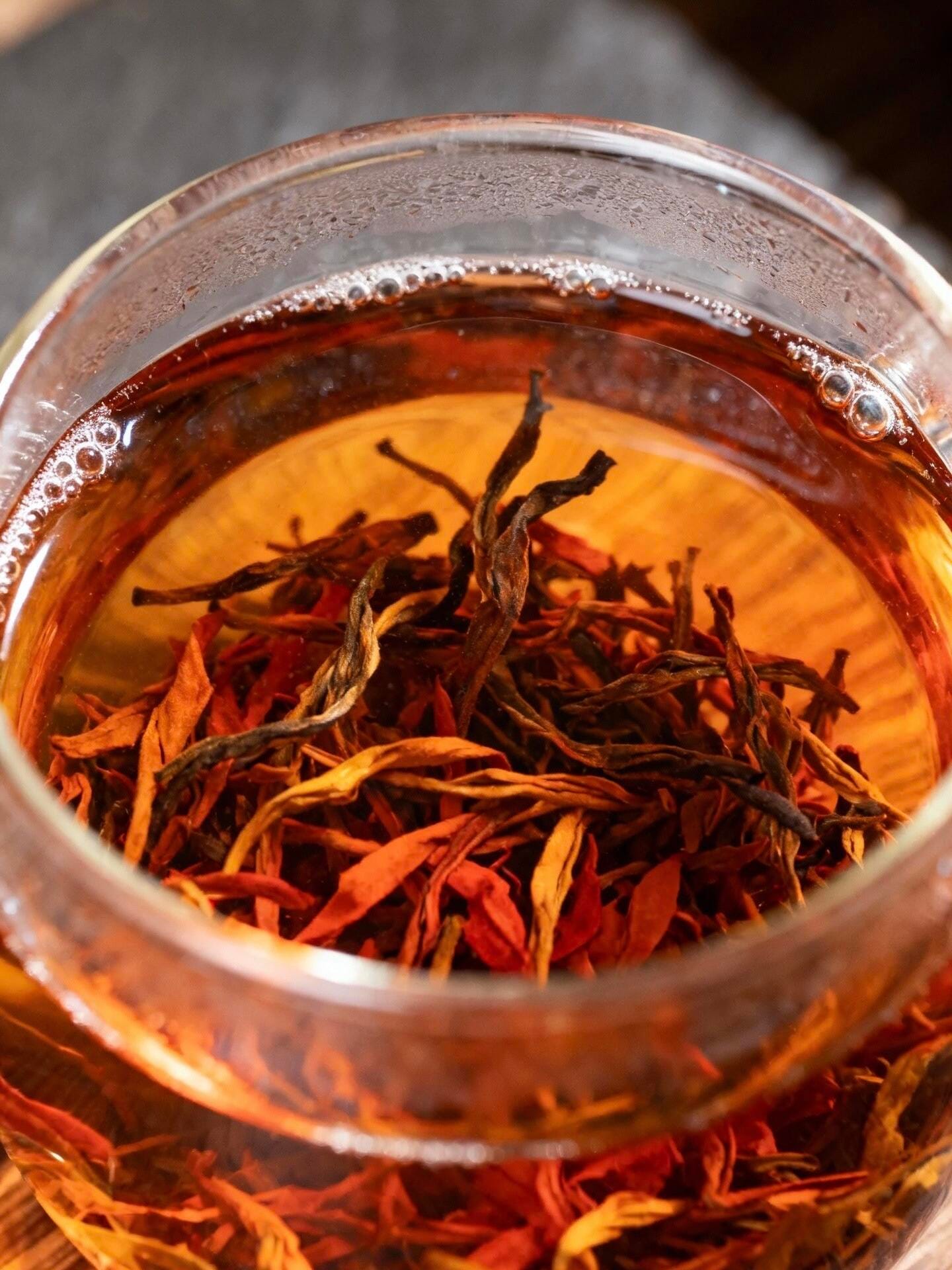
Chinese Black Tea Decoded: The Ultimate Guide to Its History and 4 Top Varieties

Did you know that the most consumed tea in the world is Chinese Black Tea? Yet, it’s possible that over 90% of people haven’t truly understood this amber-colored liquid. Its name conceals a clash between Eastern and Western thinking, its origin is an accident worthy of a novel, and its influence has even rewritten the history of several nations. Today, let’s delve into the world of Chinese Black Tea, from selection and brewing to pairing, and elevate your understanding beyond that of most people around you.
1.The Mystery of the Name: Why “Red” in China but “Black” in the West?
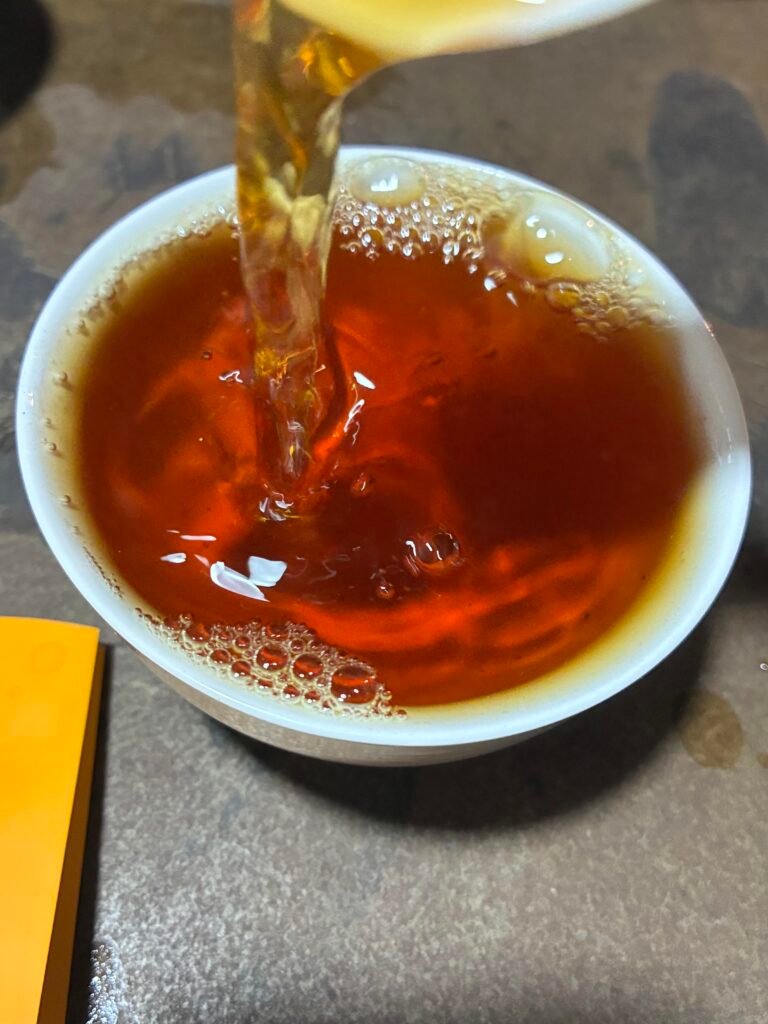
In the 17th century, when tea from Wuyi Mountain first made its long voyage to Europe, Dutch and English merchants saw piles of dark, glossy dried leaves. They naturally called it “black tea.” In China, however, we focus more on the essence of the liquor—the amber-red, agate-like color that appears after infusion. Hence, we call it “hong cha” (red tea). The same leaf, two different names, reflecting the cultural logic of “observing its form” versus “examining its color.” Understanding Chinese Black Tea begins with this difference in nomenclature.
2.A Beautiful Accident: The Legendary Origin
The origin of Chinese Black Tea is not a product of meticulous research, but a dramatic “mistake.” Legend has it that in the late Ming Dynasty, a troop of northern soldiers passed through Tongmu Guan in Fujian’s Wuyi Mountains. Exhausted, they slept directly on the freshly picked tea leaves. The soldiers’ body heat and pressure caused the leaves to fully oxidize (“wo hong”) overnight. The next day, the tea farmer, heartbroken at the sight of the reddened and blackened leaves, was reluctant to discard them all. He tried drying them over a fire of local pine wood.
To everyone’s surprise, this “failed” tea liquor had no astringency typical of green tea. Instead, it revealed a wonderfully sweet, mellow flavor with a unique smoky pine aroma and a dried longan sweetness. This was Lapsang Souchong—widely recognized as the world’s first black tea, the 400-year-old ancestor of all black teas. Though not officially recorded, this story has been passed down through generations locally, becoming the romantic prologue to Chinese Black Tea.
3.The Butterfly Effect of an Eastern Leaf: How Black Tea Shaped Modern History
This leaf from the deep mountains of Fujian had an impact far beyond that of a mere beverage. When Lapsang Souchong was brought to Europe by the Dutch East India Company and sparked a craze, particularly in Britain, it became a catalyst for global change. The British obsession with Chinese Black Tea led to a massive trade deficit. To reverse this, Britain began dumping opium into China in exchange for silver, an act that ultimately triggered the Opium War.
Meanwhile, in the North American colonies, heavy taxes on tea imposed by the British government sparked intense resentment among the colonists. In 1773, the famous Boston Tea Party occurred, where a large quantity of East India Company tea was dumped into the harbor. This event became a key trigger for the American War of Independence. A simple tea leaf thus subtly influenced the historical trajectories of three major nations: China, Britain, and the United States, witnessing the clashes and integration of early globalization.
4.A Tasting Guide to Chinese Black Tea: Four Famous Varieties
With a deep understanding of its history, let’s return to the act of tasting itself. Faced with a dazzling array of Chinese Black Tea, how does one choose? Remember this simple mantra: “For aroma, choose Keemun; for sweetness, choose Dianhong; for aftertaste (‘yun’), choose Zhengshan; for freshness, choose Jin Jun Mei.”
1.The Queen of Black Tea: Keemun Black Tea
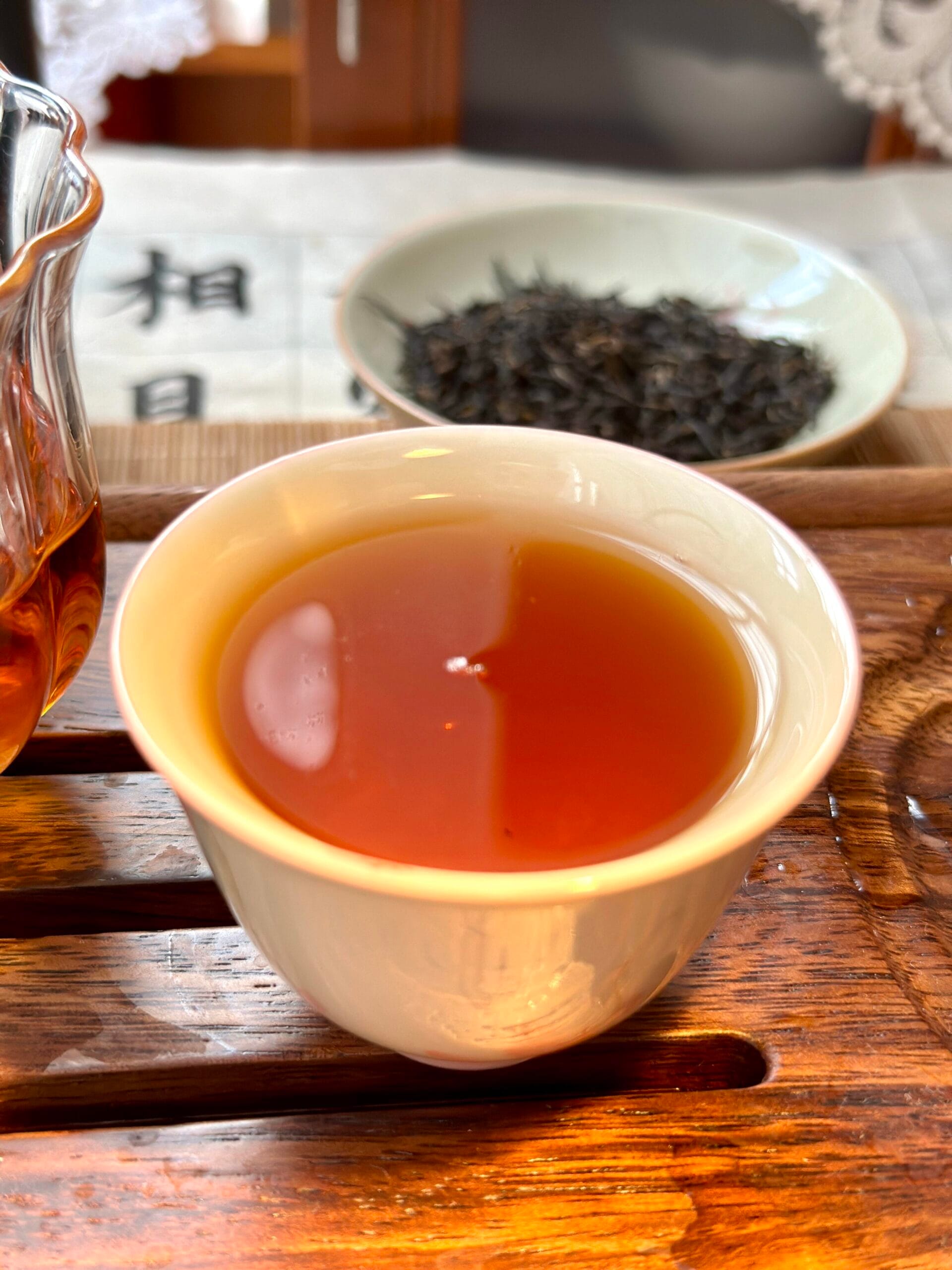
Keemun Black Tea is hailed as the “Queen of Black Tea” and tops the list of the “World’s Three Great Aroma Black Teas.” The international tea community even coined a term for it—“Keemun Aroma.” This is a complex fragrance, reminiscent of roses, orchids, honey, and ripe apples—layered, elegant, and long-lasting. The sweetness that lingers after swallowing is imbued with this aroma, and the fragrance left in the empty cup is pronounced. To savor Keemun Black Tea, it is recommended to drink it plain, brewed with water around 90°C, quietly admiring its honey-like liquor color and savoring its unique “royal fragrance.”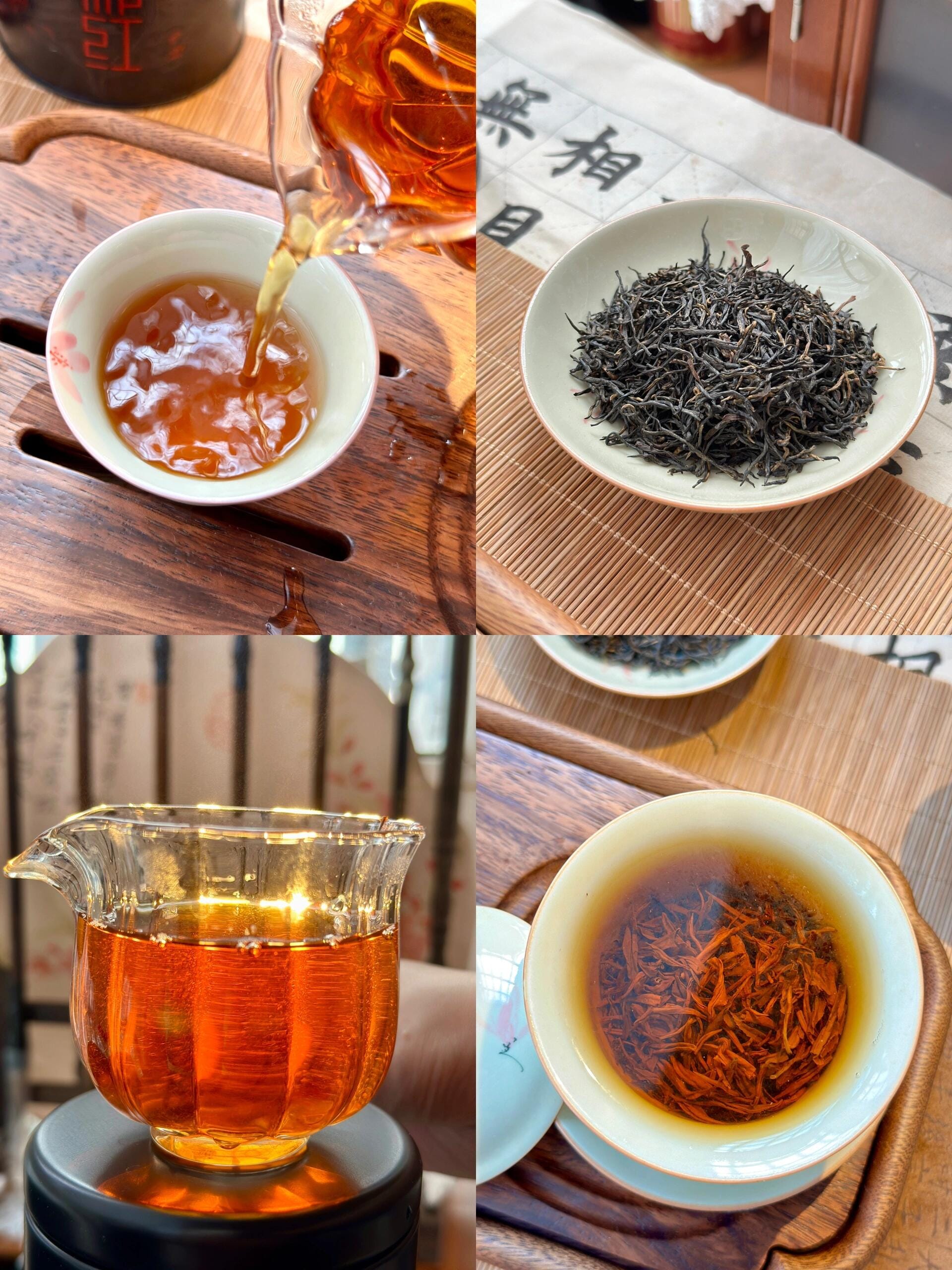
2.The Bold Character: Yunnan Dianhong Black Tea
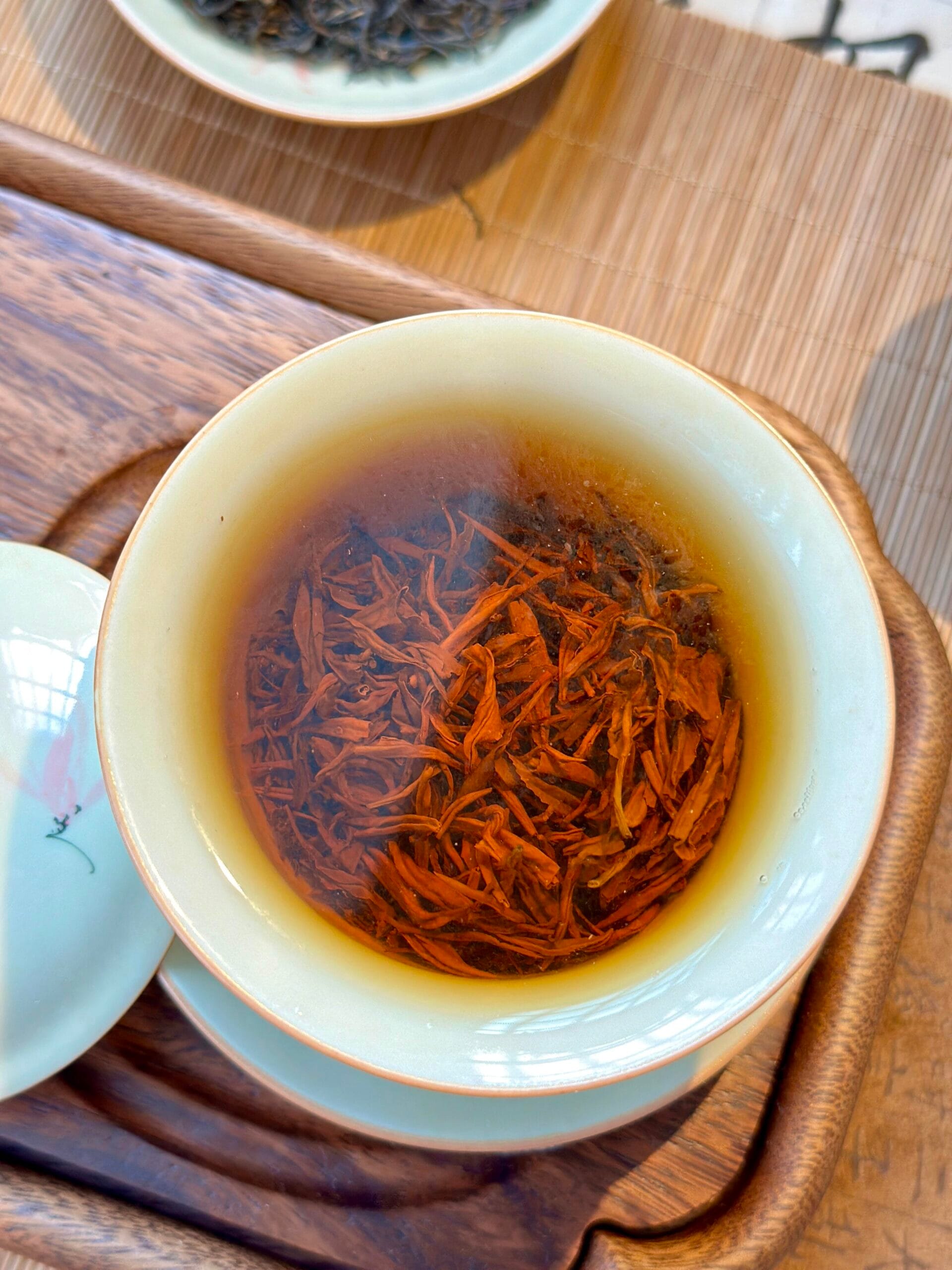
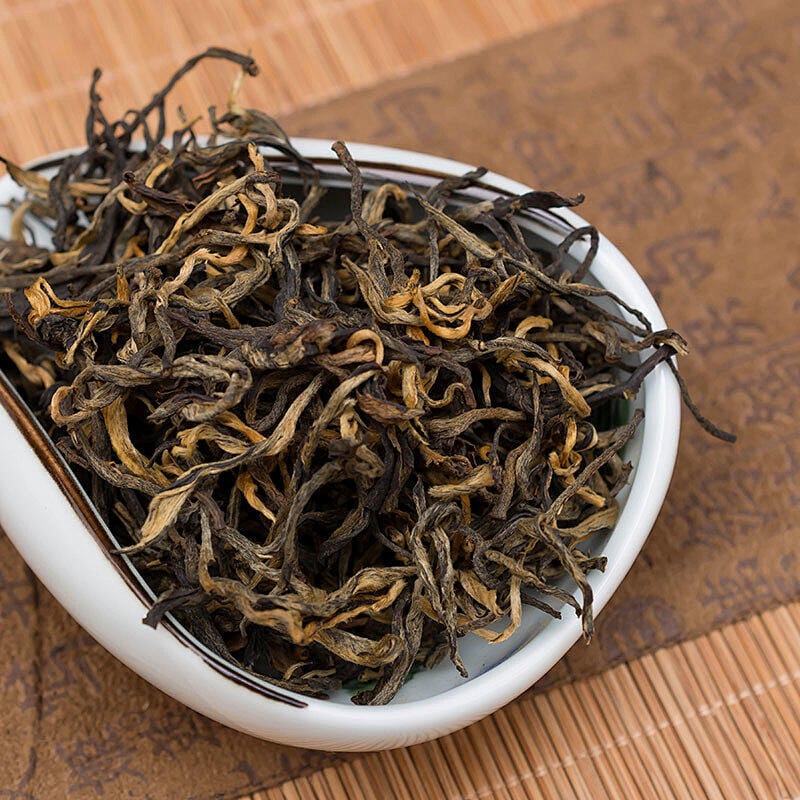
If Keemun is an elegant queen, then Yunnan Dianhong is a bold and heroic knight. It uses the large-leaf tea varietal from Yunnan, producing thick leaves rich in content. Its liquor is a bright, dazzling red, like molten ruby, with strong visual impact. The core appeal of Dianhong lies in its direct, robust “sweetness.” On the palate, it delivers rich honey and caramel flavors with almost no astringency, bringing instant delight. High-quality Dianhong shows abundant “golden tips” (the golden fuzz on the buds), a sign of quality. It is also the ultimate tea for making milk tea, its robustness perfectly balancing the dairy to create a naturally rich and aromatic brew.

3.The Smoky Ancestor: Lapsang Souchong
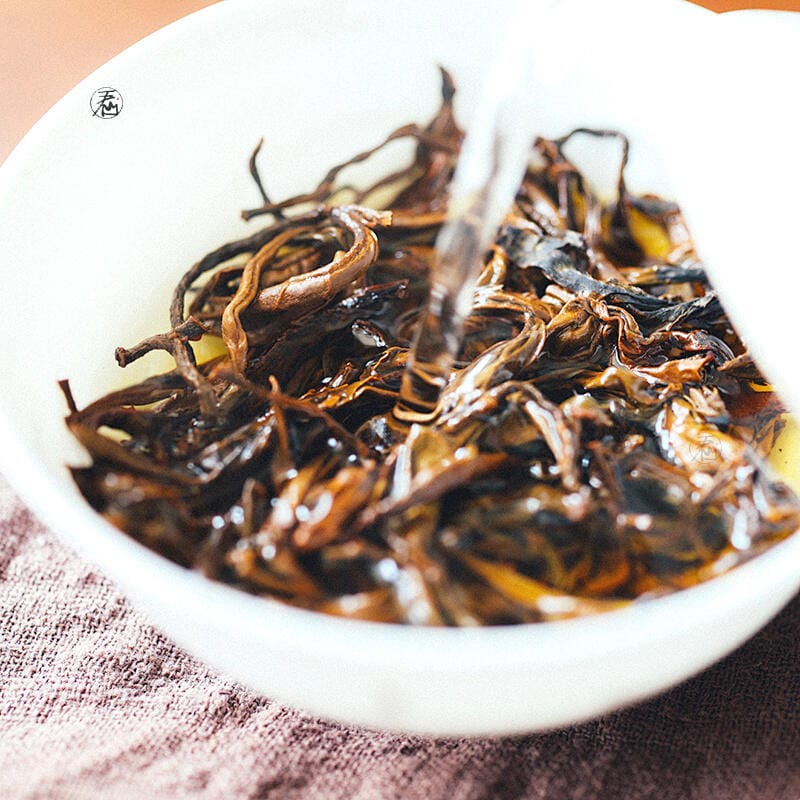
As the ancestor of black tea, the essence of Lapsang Souchong lies in its “yun”—a long, deep aftertaste. The traditional smoked variety is smoked over pine needles or pine wood, developing a unique “pine smoke aroma, longan soup” flavor—intense with a distinct smoky character, as if transporting you to the pine forests of the Wuyi Mountains. This bold style has earned it devoted followers worldwide. Today, there is also unsmoked “Lapsang Souchong,” which exhibits a more floral and fruity sweetness, making it more accessible. Another great advantage of Lapsang Souchong is its high tolerance for brewing parameters, making it an excellent starting point for beginners exploring the world of Chinese Black Tea.https://junxistea.com/product/authentic-pine-smoked-lapsang-souchong/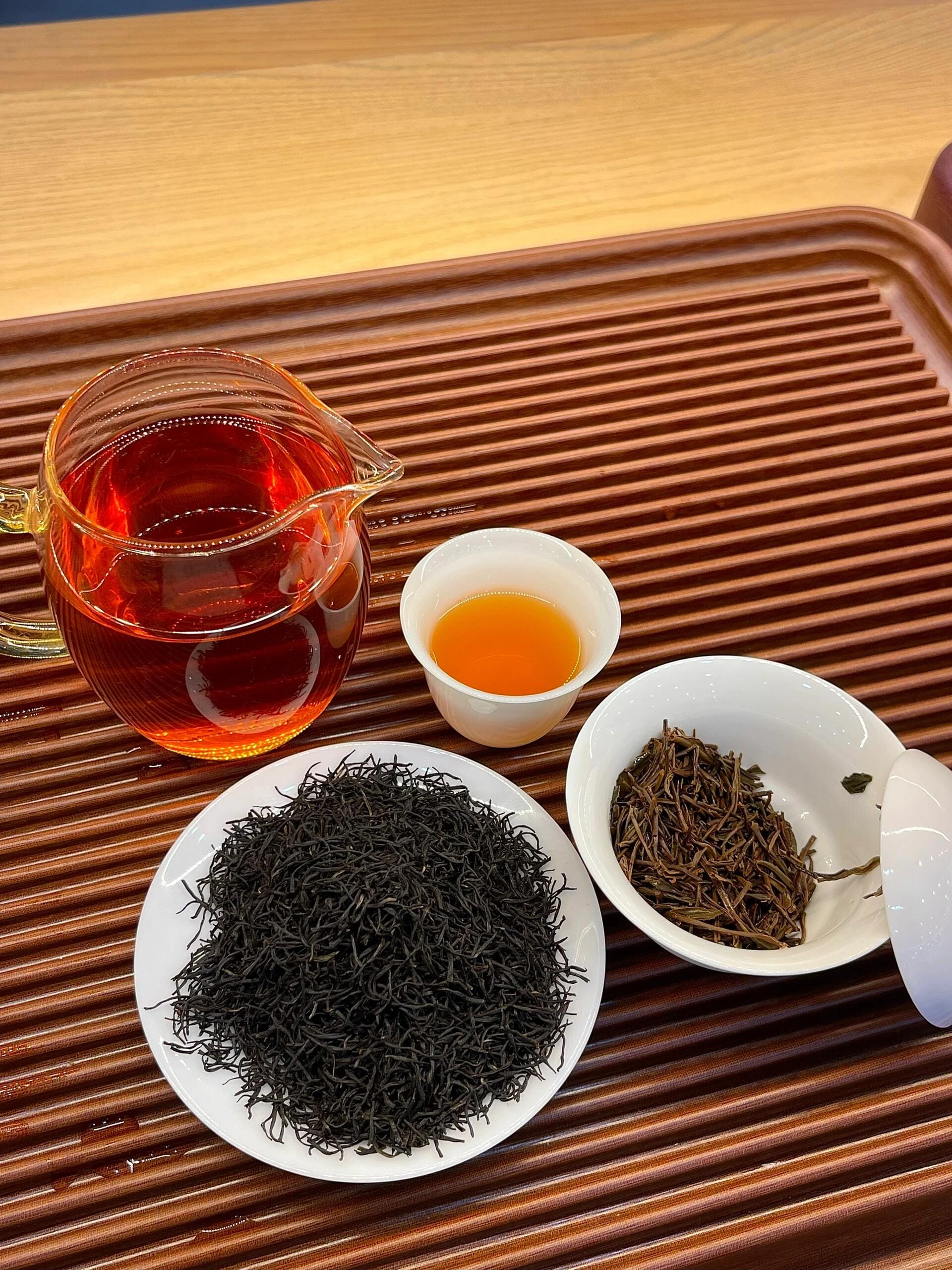
4.The Refined Noble: Jin Jun Mei Black Tea
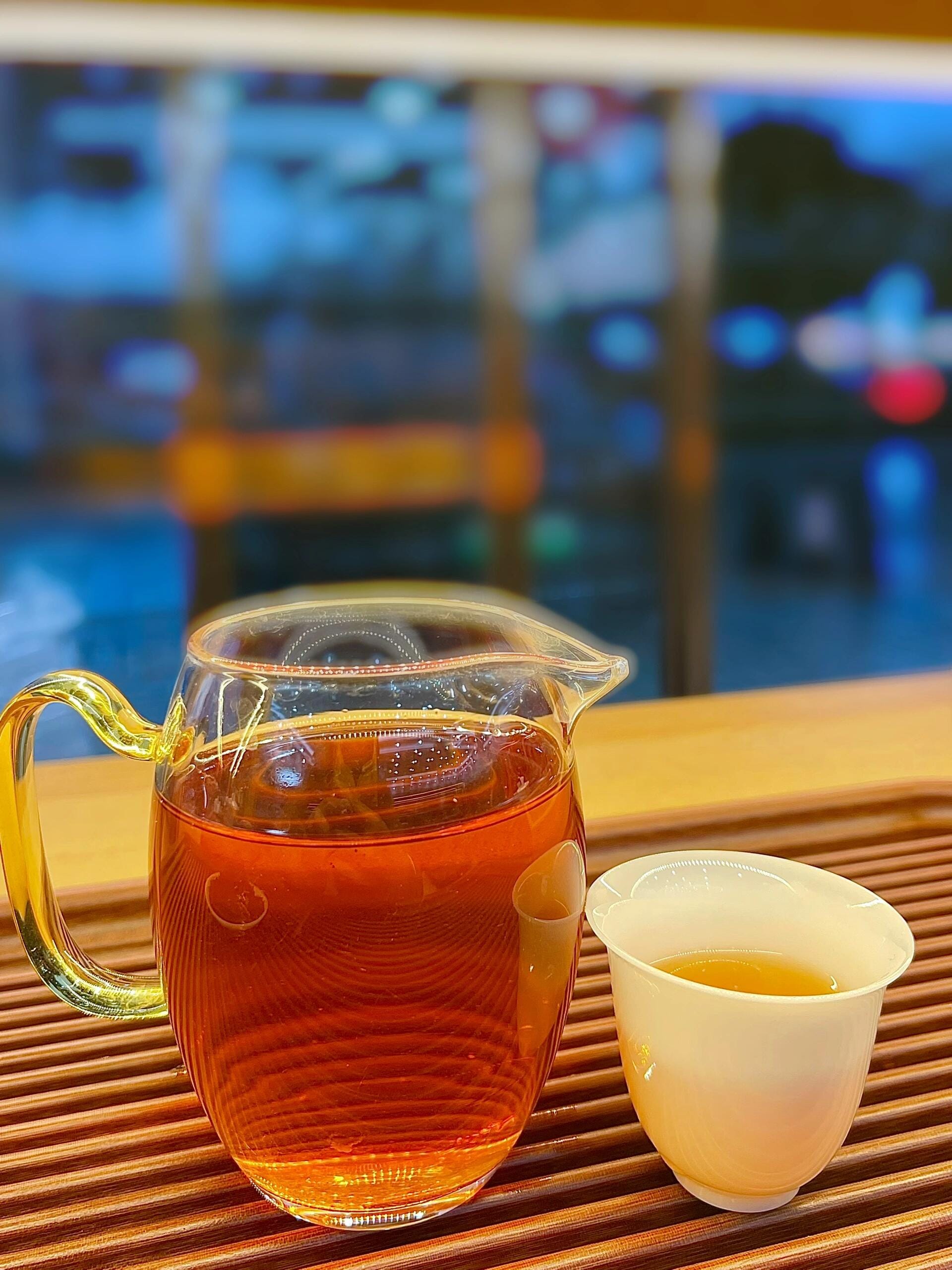
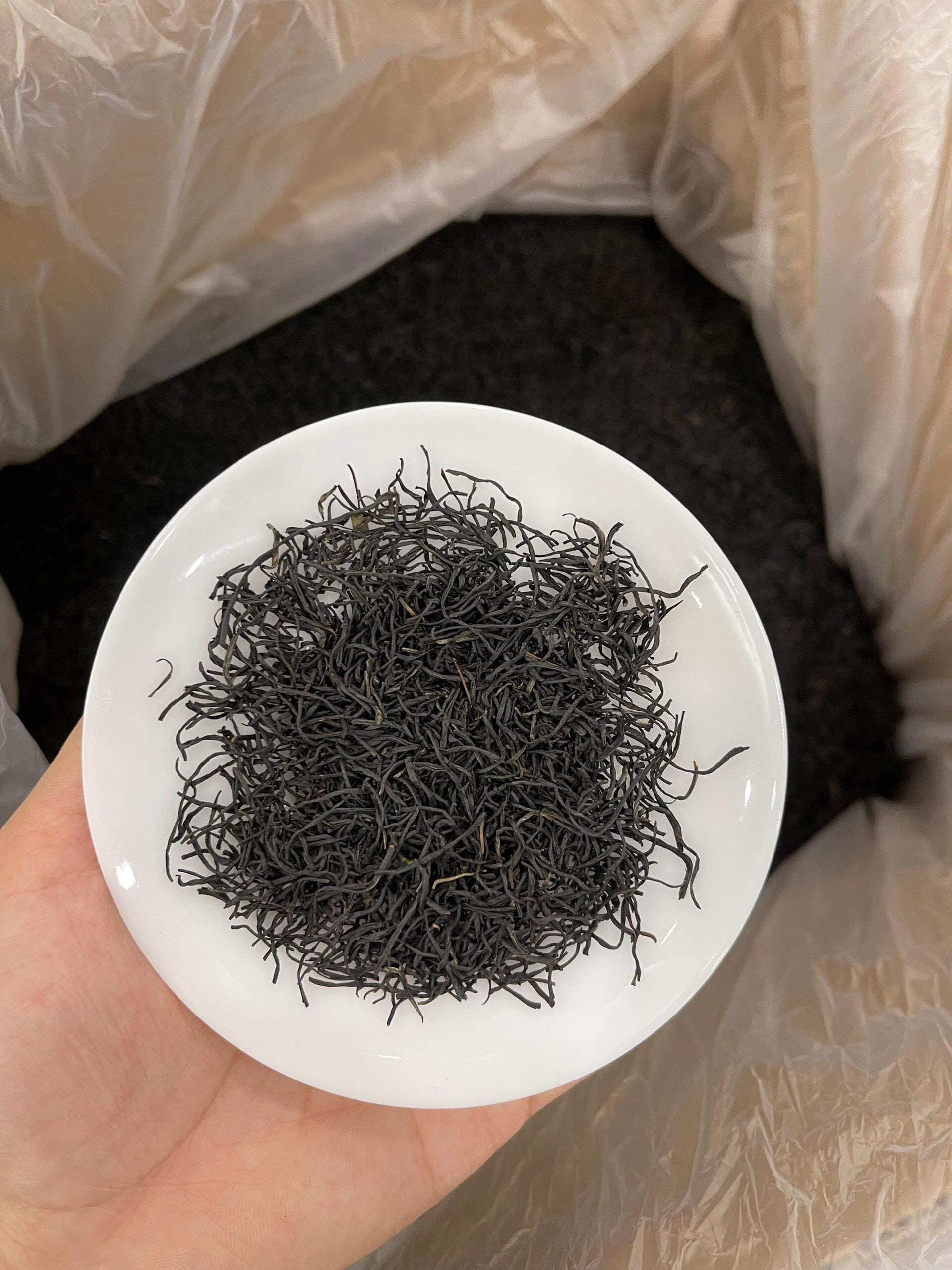
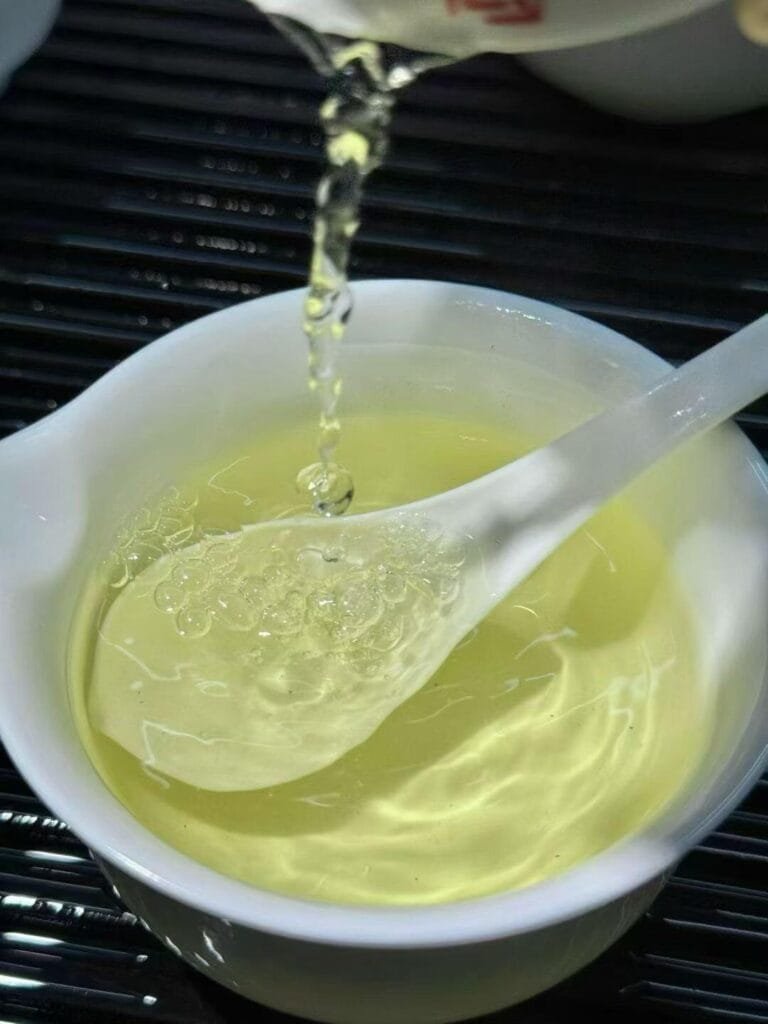
Jin Jun Mei is the ultimate refinement of Lapsang Souchong craftsmanship, born in 2005, and is the “nouveau riche” and “aristocrat” among black teas. Its expense stems from extreme precision: only the single buds from high-altitude native tea trees in Tongmu Guan are picked, requiring tens of thousands of buds to produce one jin (500 grams) of finished tea. Its flavor profile is defined by “freshness” and “briskness.” Floral, fruity, honey, and sweet potato notes intertwine, feeling lively and smooth as silk on the palate. High-quality Jin Jun Mei is remarkably resistant to multiple infusions, capable of yielding over ten brews, with the “rock sugar sweetness” becoming more pronounced in later steeps, showcasing its profound substance.
5.The Art of the Perfect Cup: The Three Keys to Brewing Black Tea
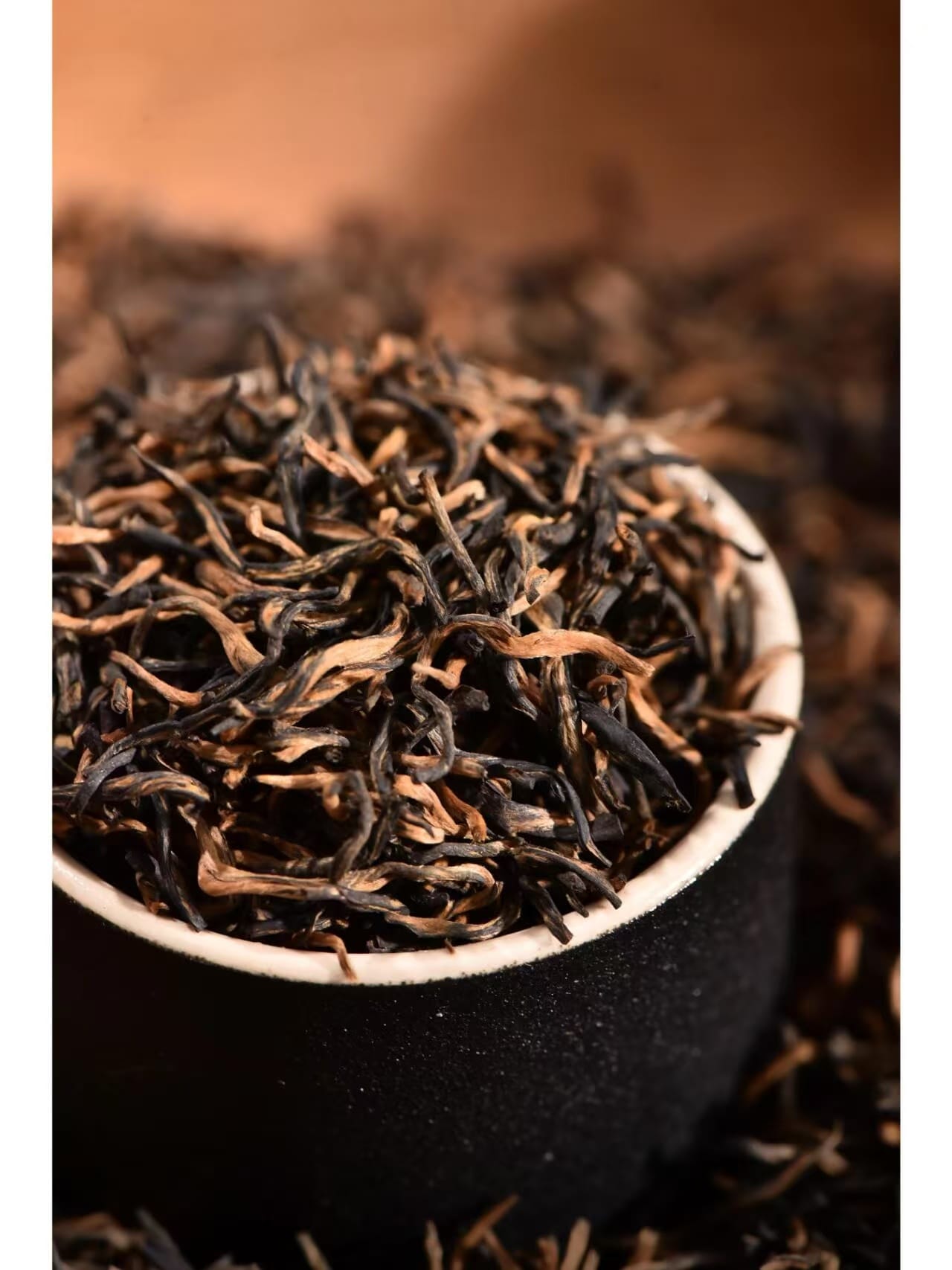
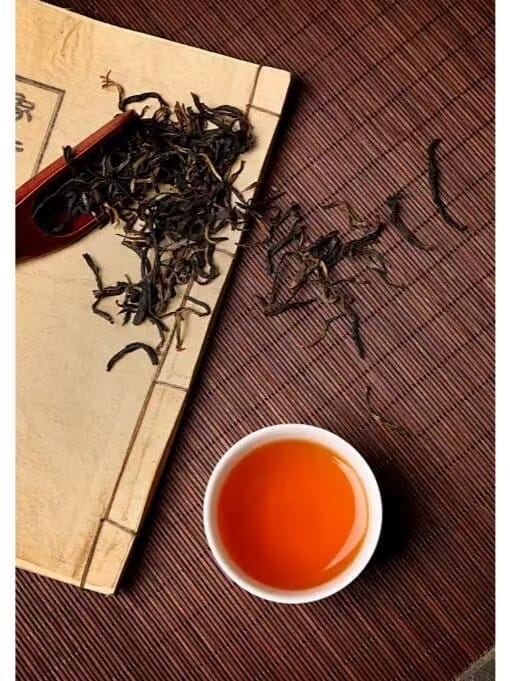
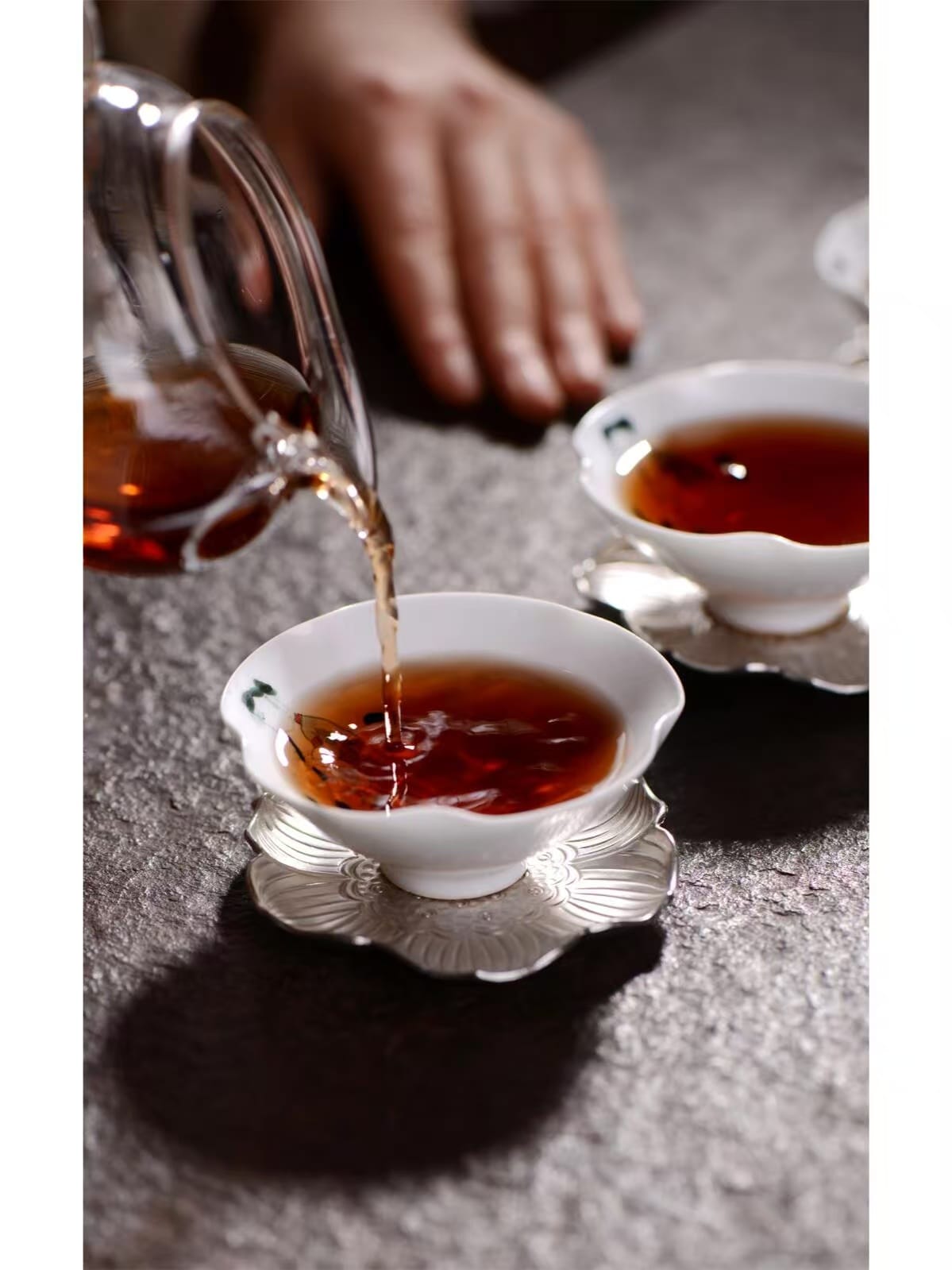
To unlock the full charm of a cup of Chinese Black Tea, brewing is crucial. Remember three key numbers: 90°C, 5 grams, 30 seconds. Let boiling water sit for about 30 seconds to reach the ideal temperature of around 90°C. Fully boiling water (100°C) can easily extract bitter compounds. For a standard 150ml gaiwan, use 5 grams of tea leaves. For the first few infusions, pour quickly, controlling the brew time within 30 seconds. Starting from the fourth infusion, you can sequentially increase the steeping time by 10-15 seconds per brew. A white porcelain gaiwan is an excellent companion for brewing black tea, as it impartially presents the tea liquor’s true color and flavor.
6.A Warm Companion for Your Body: Health Benefits and Drinking Tips
As a fully fermented tea, most of the tea polyphenols in black tea are converted into thearubigins and theaflavins, making it mild in nature and less irritating to the stomach. It is renowned as the most “stomach-warming” category of tea. For those with a constitution leaning towards coldness or who often have cold hands and feet, drinking Black Tea in moderation daily is highly beneficial. Furthermore, the caffeine in black tea, combined with L-theanine, provides a gentle and sustained energizing effect, avoiding the sharp spikes and crashes associated with coffee. Of course, caution is also needed: avoid drinking strong tea on an empty stomach, do not use tea to take medication, and reduce consumption in the hours before bedtime to prevent it from affecting sleep.https://www.youtube.com/watch?v=Ntl6aTCdf8c
7.The Secret to Global Popularity: The Versatile Pairing Philosophy of Black Tea
Chinese Black Tea is the “socialite” of the tea world, possessing unparalleled versatility. In the West, combined with milk, it becomes the classic English afternoon tea; paired with lemon, it transforms into the refreshing Hong Kong-style iced lemon tea. Adding honey, ginger slices, red dates, or longan can turn it into various healthy hot drinks. In food pairing, black tea is a master at cutting through greasiness, complementing both sweet Western pastries and rich, fatty steaks perfectly. Remember a simple pairing mantra: “Sweet pairs with green (tea), sour pairs with red (tea).” The mellowness of black tea can well balance both sourness and sweetness.
8.Conclusion: A Cup of Tea, An Eternal Comfort
From the beautiful accident in the Wuyi Mountains over 400 years ago to the popular daily beverage it is today, the story of Chinese Black Tea is an epic of serendipity, diffusion, and fusion. It has sparked wars and fostered peace; it carries Eastern wisdom and has been integrated into Western rituals. Ultimately, black tea is like an old friend with an excellent temperament—undemanding, unassuming. Whenever and wherever, with just a pot of hot water, it rewards you with a cup of stable, warm, mellow companionship. On the journey of life, having such a cup of tea that warms the heart, along with a few kindred spirits, is truly immense wealth.



I found the historical context behind the naming difference fascinating—how a simple misinterpretation of color led to such a significant cultural and commercial divide. It really puts into perspective how much of our understanding of tea has been shaped by Western assumptions, and I appreciate how the article highlighted that complexity. Learning about Wuyi Mountain’s role in introducing black tea to Europe made me curious about how other regions adapted their brewing methods to suit this new variety.
So well said! 🍂✨ The naming history of tea is truly a story of cross-cultural echoes and adaptations. Wuyi Mountain was indeed the first window, but the journey continued through local interpretations, brewing methods, and even teacup designs. Each region’s take adds a layer to the tapestry. Thanks for sharing that curiosity — that’s the true spirit of tea culture.
It’s fascinating to learn about the naming history of Chinese Black Tea! The contrast between the Western ‘black’ tea and the Chinese ‘red’ tea perfectly illustrates how cultural perceptions can shape the way we see everyday things. I love how this tea transcends borders and has a rich history attached to its journey!
So true! 🍵 The journey of tea — from being called “red” in China for its liquid color, to “black” in the West for its dried leaf appearance — reflects how culture colors even the simplest things. Thanks for appreciating that history with me.
It is fascinating to learn that while Chinese Black Tea is the most consumed globally, so few people understand its rich history and the significance of the ‘Yan Yun’ terroir. Highlighting these four top varieties really helps clarify the complexity that goes beyond simple categorization, making the article a perfect resource for anyone wanting to explore authentic profiles.
Thank you for your deep and appreciative comment. It’s precisely this “knowing the leaf” that elevates tea from a beverage to a cultural experience. We’re delighted that highlighting the four distinct varieties helped you see the profound world within a single category. Understanding the history and the irreplaceable role of ‘Yan Yun’ terroir is indeed the first step to truly appreciating a tea’s soul. We hope this resource continues to guide your journey of authentic discovery. Happy exploring, and please do share your tasting notes if you try any of them!