Yellow Tea: The 1% Chinese Tea Cherished for 1000 Years, Now Forgotten

In China’s rich and diverse tea spectrum, Yellow Tea is perhaps the most aggrieved and underappreciated existence. It once enjoyed the supreme honor of being a tribute tea to the imperial palace for over a thousand consecutive years, beloved by emperors like Tang Xuanzong, Song Huizong, and Qianlong. Yet today, it has become the least recognized among the six major tea categories, accounting for less than 1% of national tea production and absent from 90% of tea shops. This article delves into the millennium-old legend, unique processing, top varieties, and health wisdom of Yellow Tea, revealing the true value of this dusty pearl.
1.The Aggrieved Treasure: What is Yellow Tea?
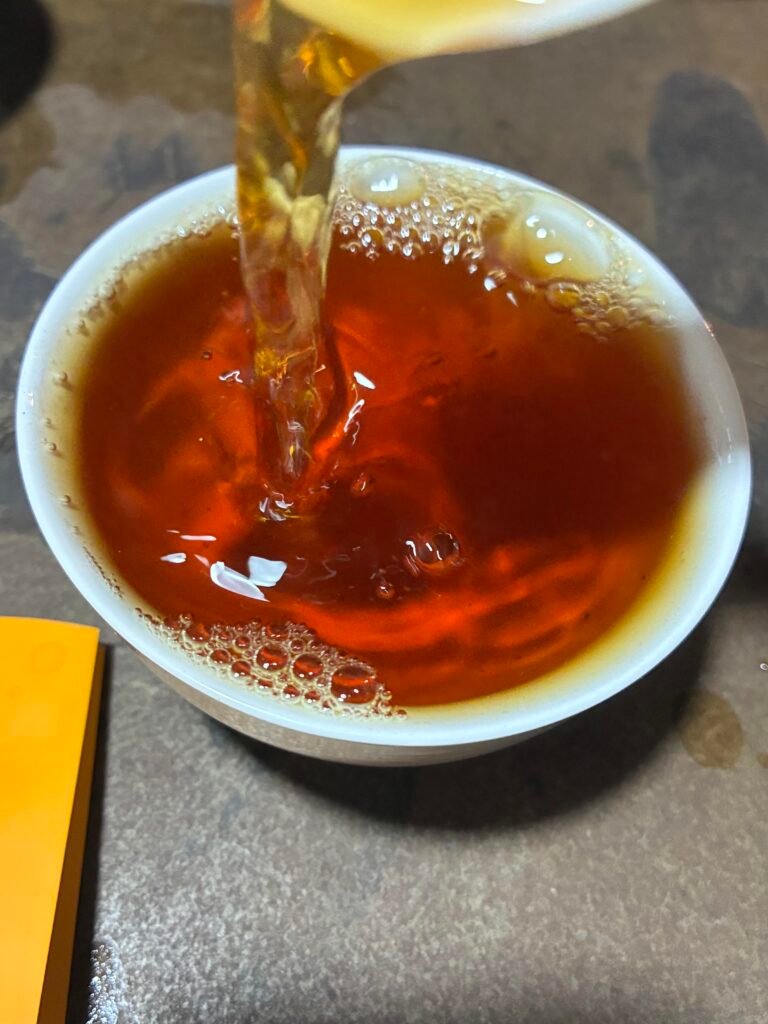
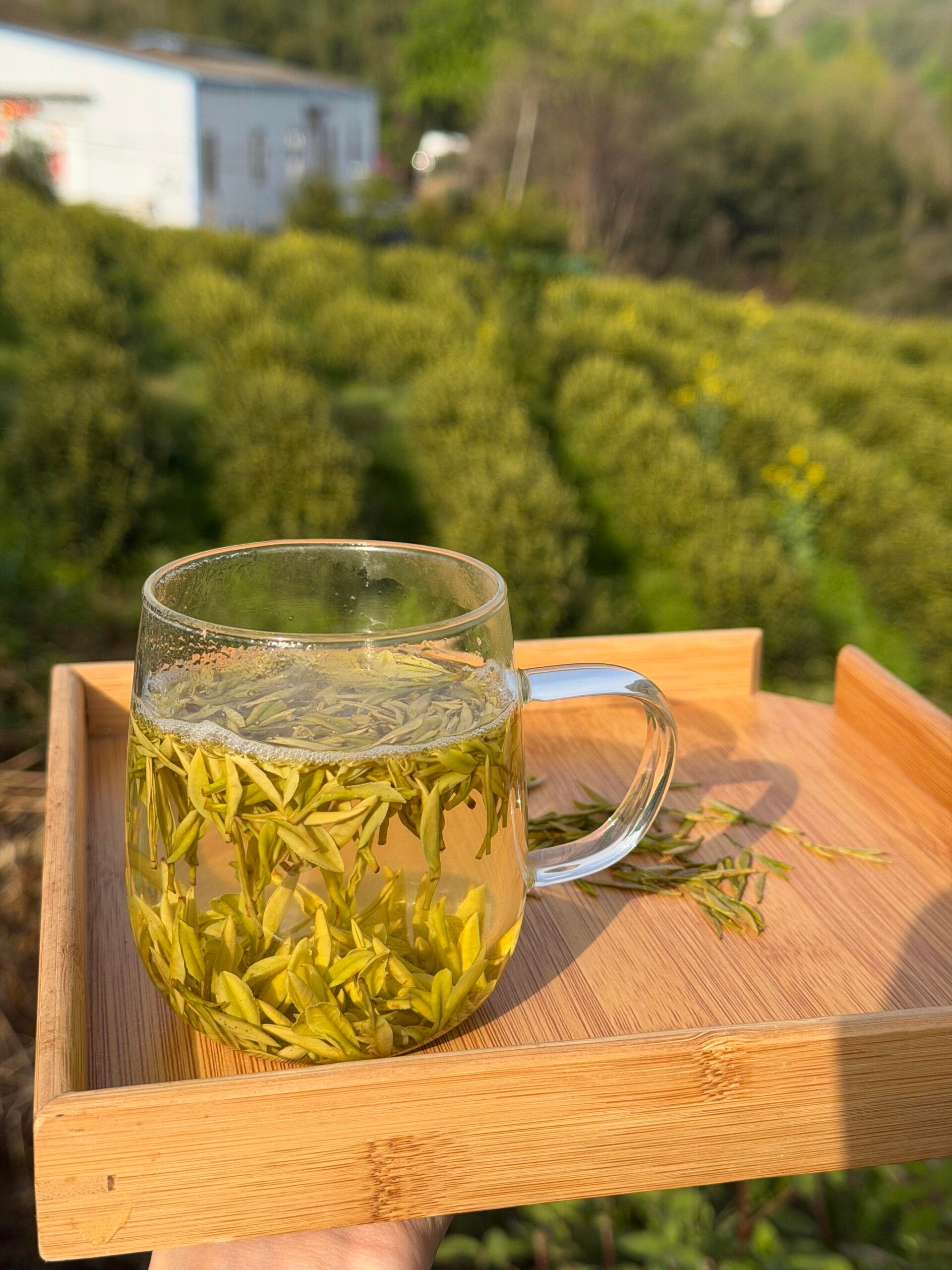
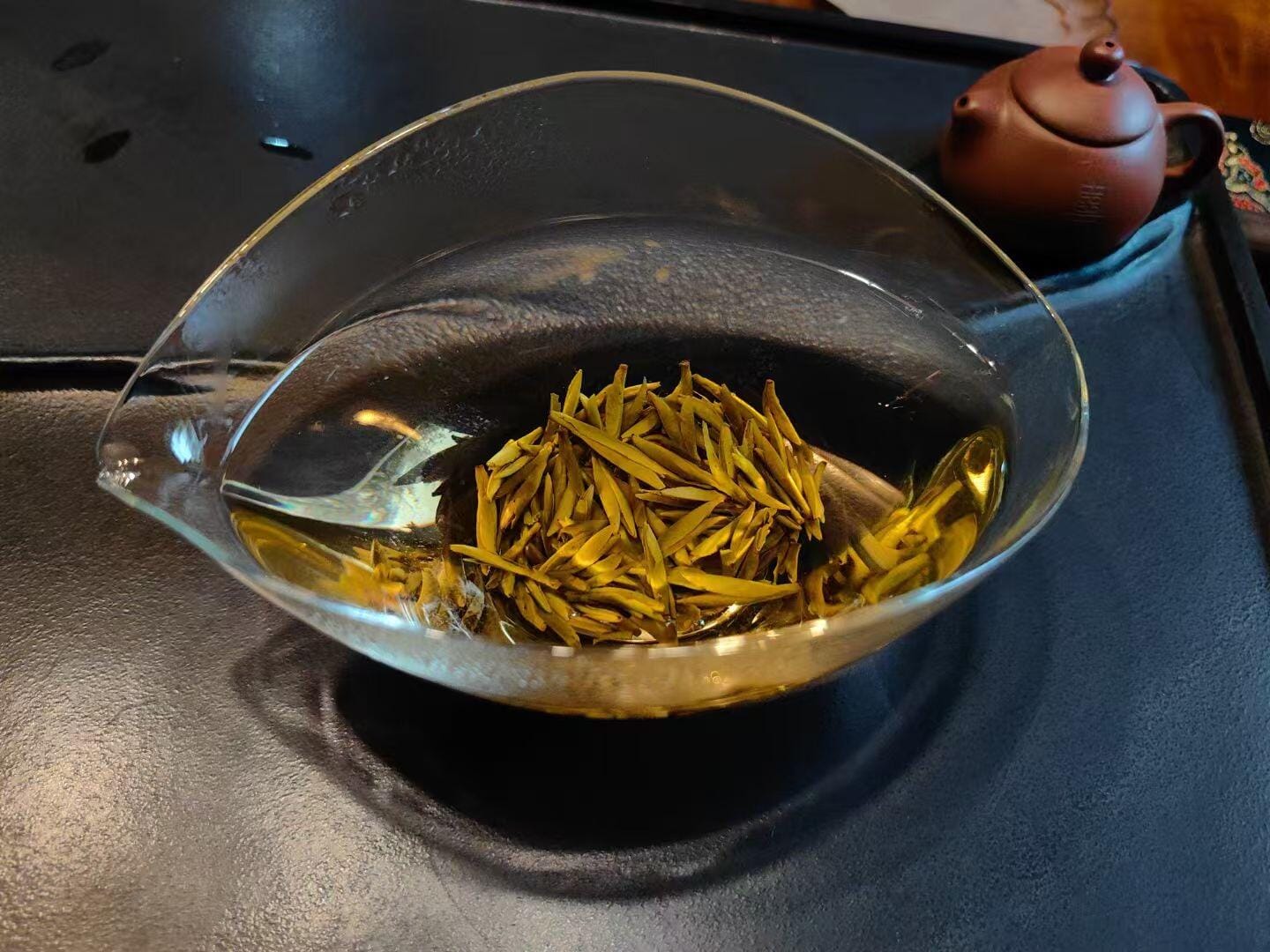
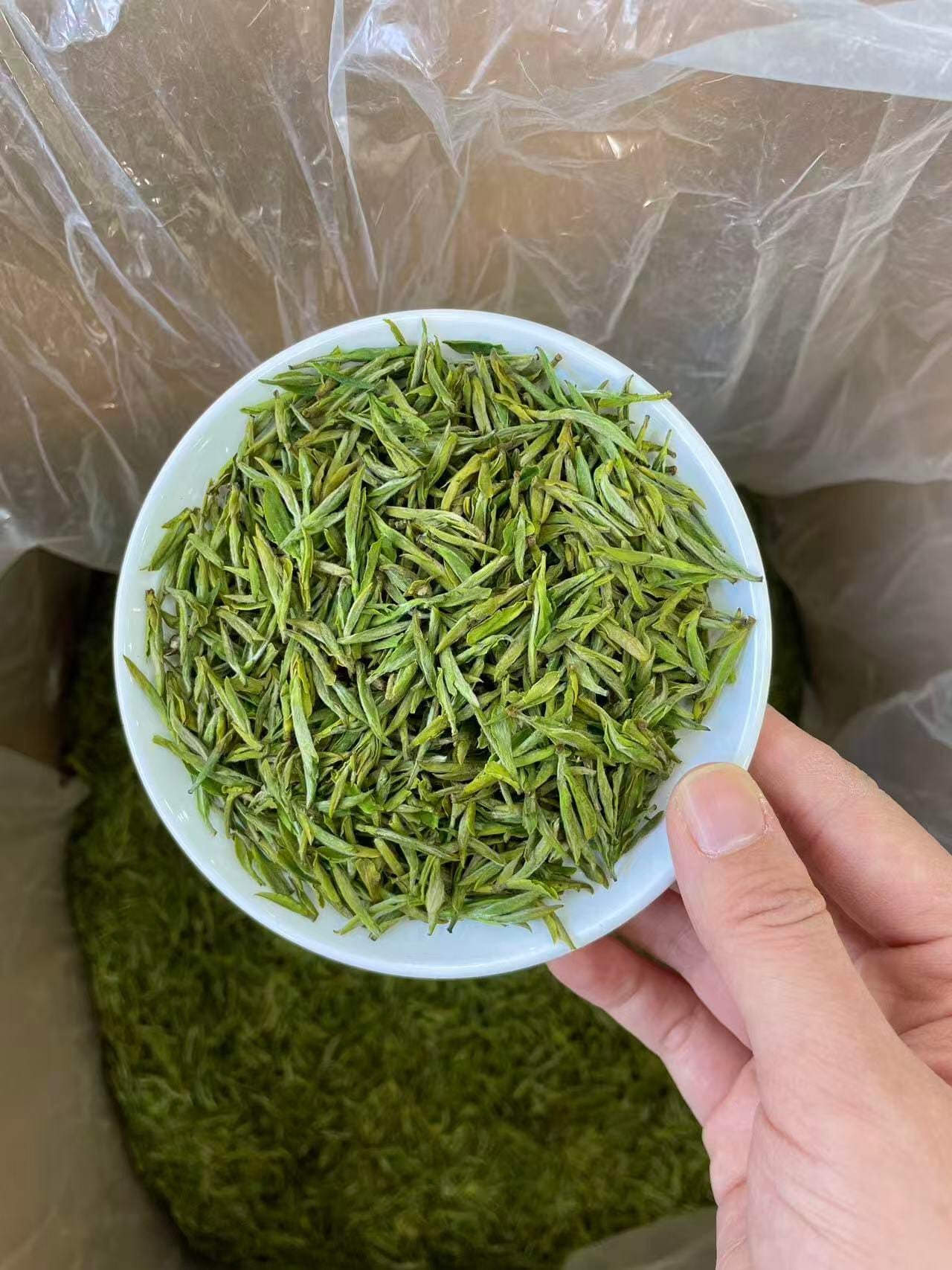
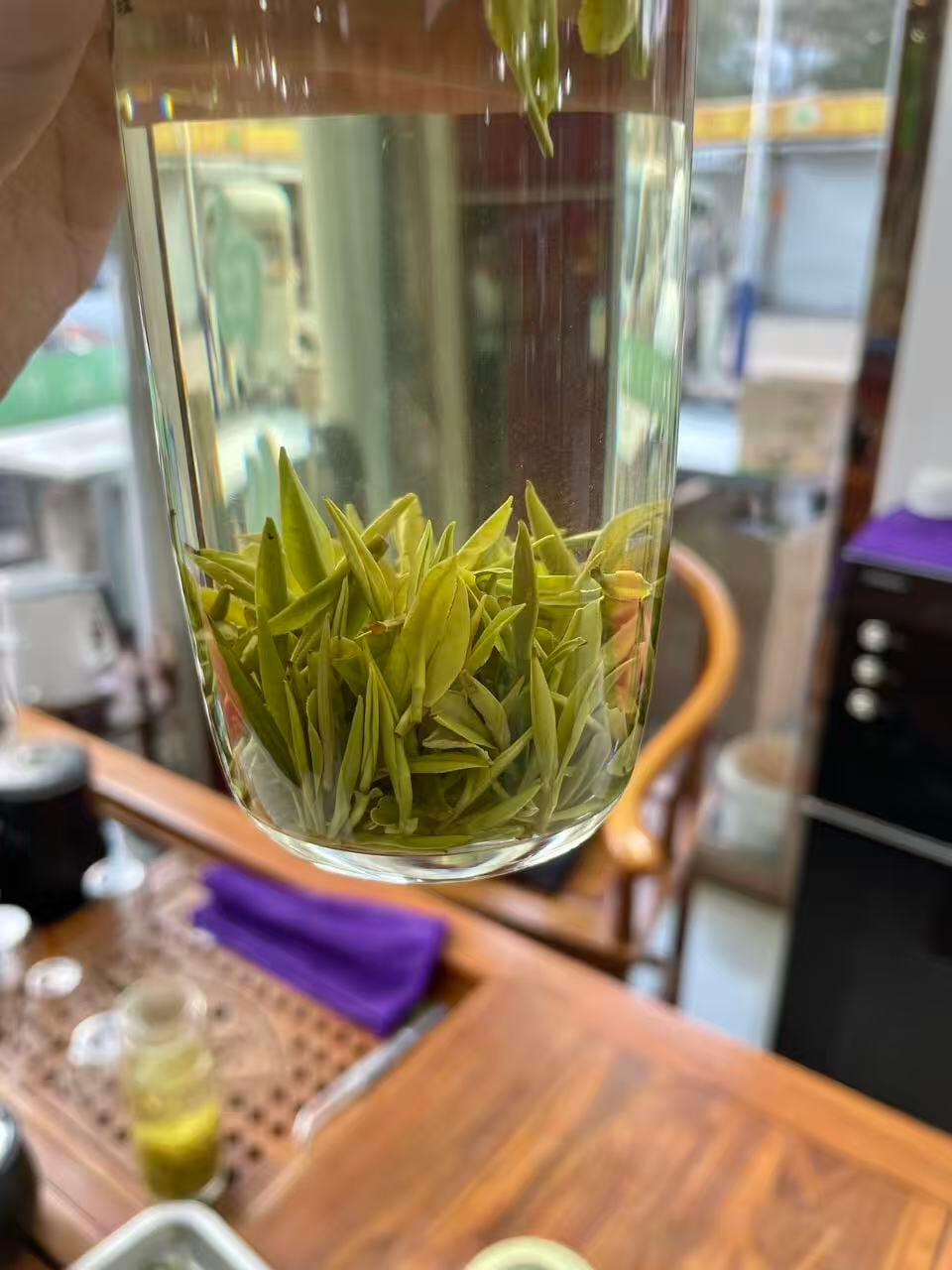
Yellow Tea is a tea category unique to China, belonging to the lightly fermented tea family. Its most defining characteristic is the exclusive “sweltering” or “yellowing” process during production. This crucial step gives Yellow Tea its typical “yellow leaves, yellow liquor” quality—the dry leaves are apricot-yellow or golden-yellow, the tea liquor is clear and bright yellow, and the brewed leaves are tender and evenly yellow. In terms of taste, it perfectly balances the freshness and briskness of green tea with the mellowness of black tea, creating a unique “sweet and mellow” profile with very low astringency and a smooth, soft texture. Historically, it was the treasured cup of literati, emperors, and generals. In health cultivation, it is praised in Traditional Chinese Medicine as a superb drink for gently nourishing the stomach. However, due to its complex processing, scarce yield, and low market recognition, it has gradually become a niche tea, a “hidden treasure” savored only by connoisseurs and the knowledgeable.
2.A Beautiful Accident: The Birth of Yellow Tea
The origin of Yellow Tea was not a product of meticulous design, but a dramatic “mistake.” The story is set in the Ming Dynasty. At that time, tea farmers making green tea emphasized “capturing freshness and speed.” After the fixation (“shaqing”), the leaves had to be cooled and dried immediately to prevent oxidation. Legend has it that one rainy tea season, a batch of fixed tea leaves could not be dried in time and was piled in bamboo baskets, covered and left to “swelter” overnight. The next day, when the farmer opened the baskets, his heart sank—the originally emerald-green leaves had all turned yellowish-brown. In an era where “green” was paramount for green tea, this was a complete failure.
With a mindset of “trying everything to save a hopeless situation,” the farmer went ahead and dried these “spoiled” leaves with charcoal fire. When he nervously brewed a cup, he was met with a great surprise: the tea liquor was a clear, bright golden-yellow, like amber. Upon tasting, the unpleasant “grassy astringency” and “sharpness” typical of green tea had completely vanished. In its place was an unprecedented sweetness, mellowness, smoothness, and a subtle ripe fruit aroma. This discovery, a blessing in disguise, was later systematically studied and refined by tea masters, who formalized the “sweltering” step into a standard process. Thus, the unique tea category of Yellow Tea officially entered the stage of history.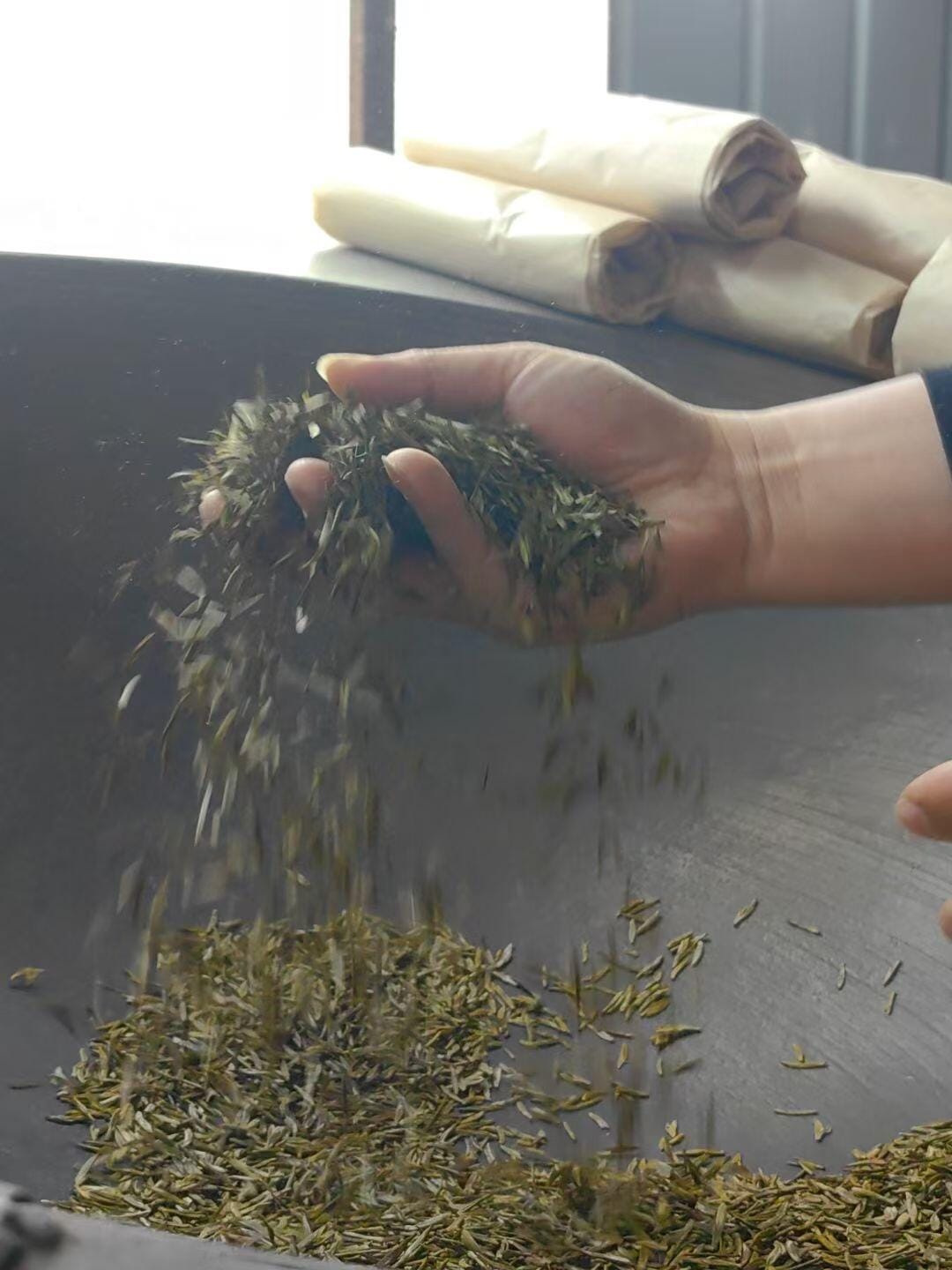
3.The Divide Between Green and Yellow: The Magical “Sweltering” Process
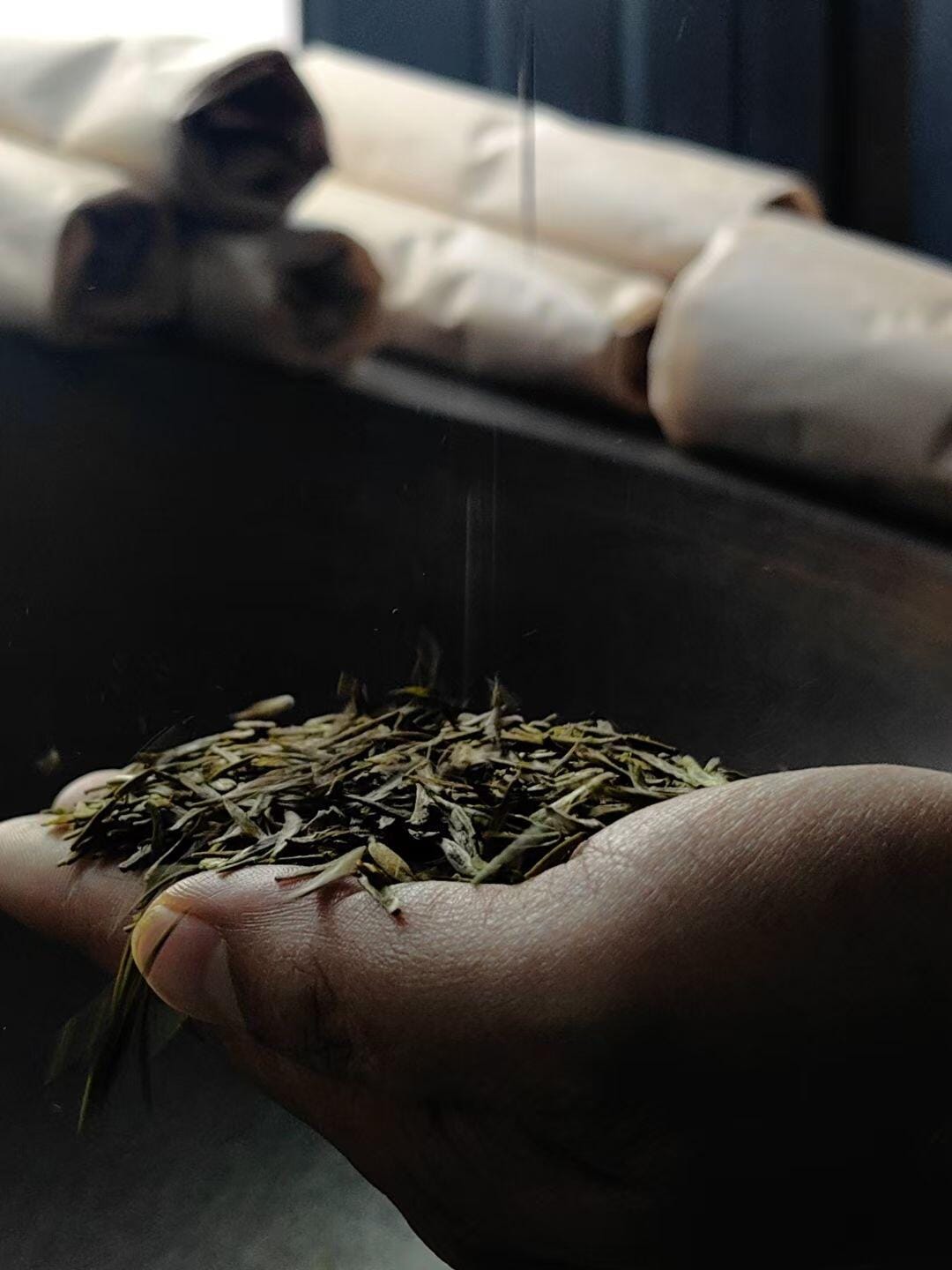
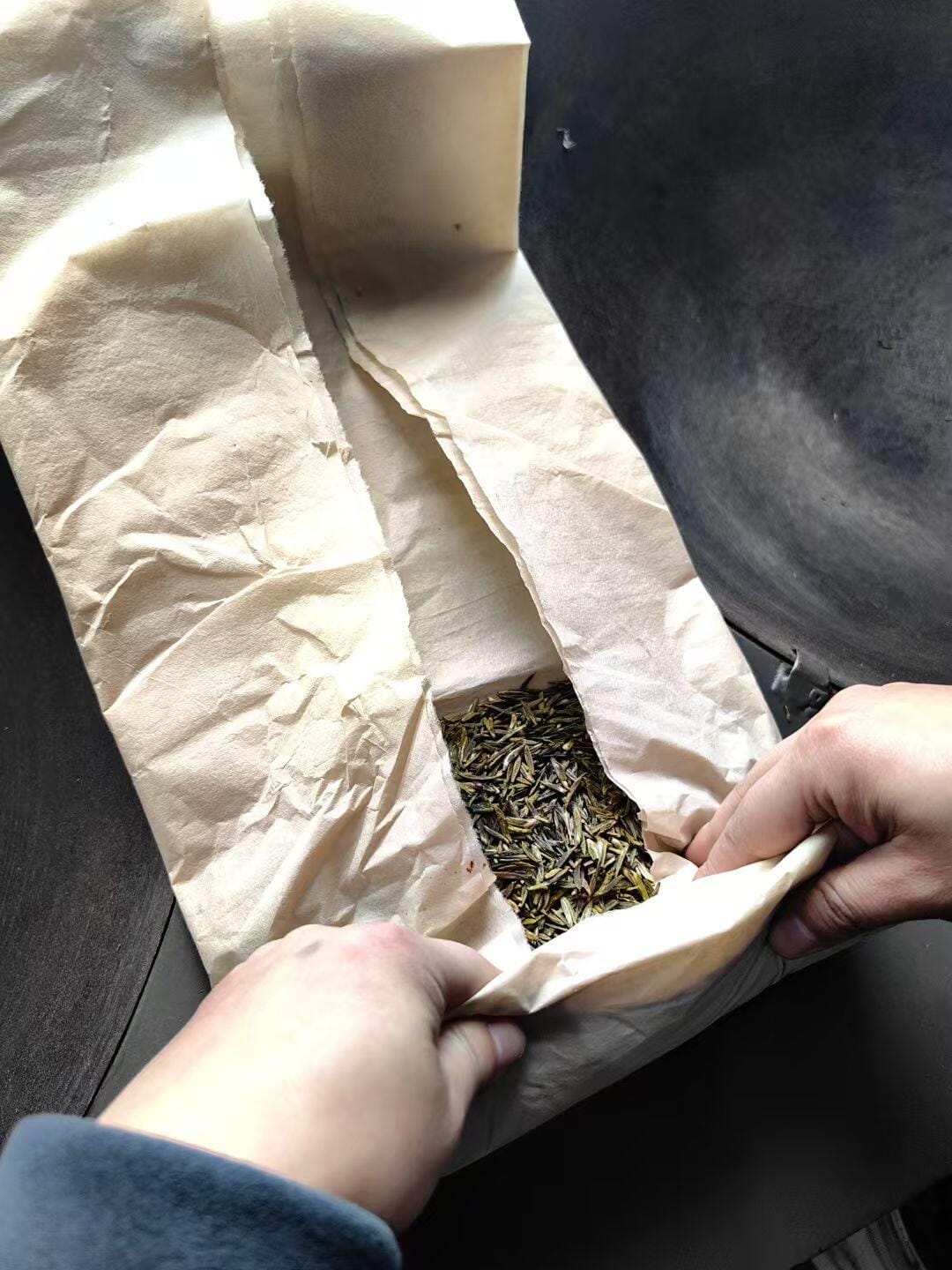
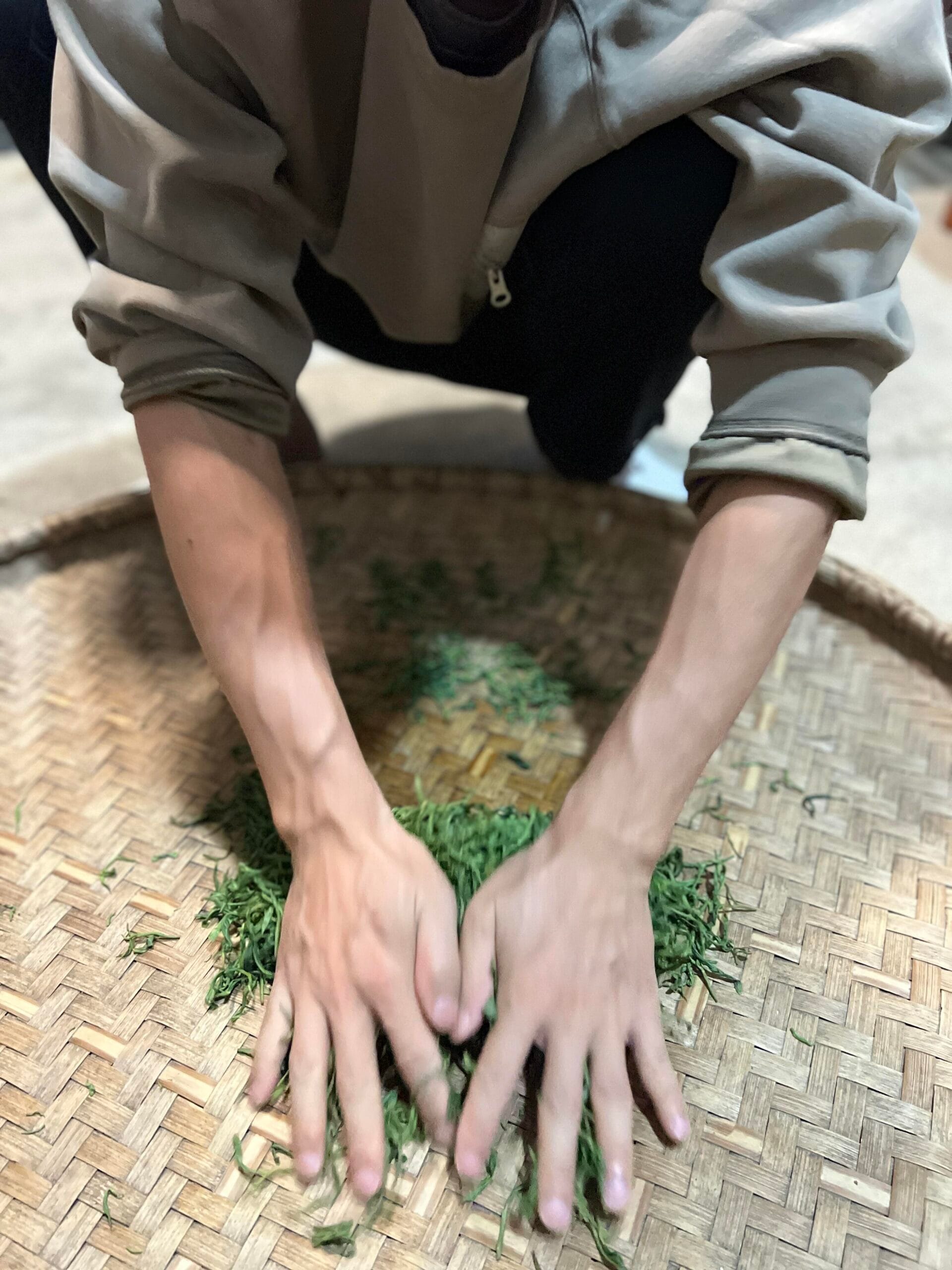
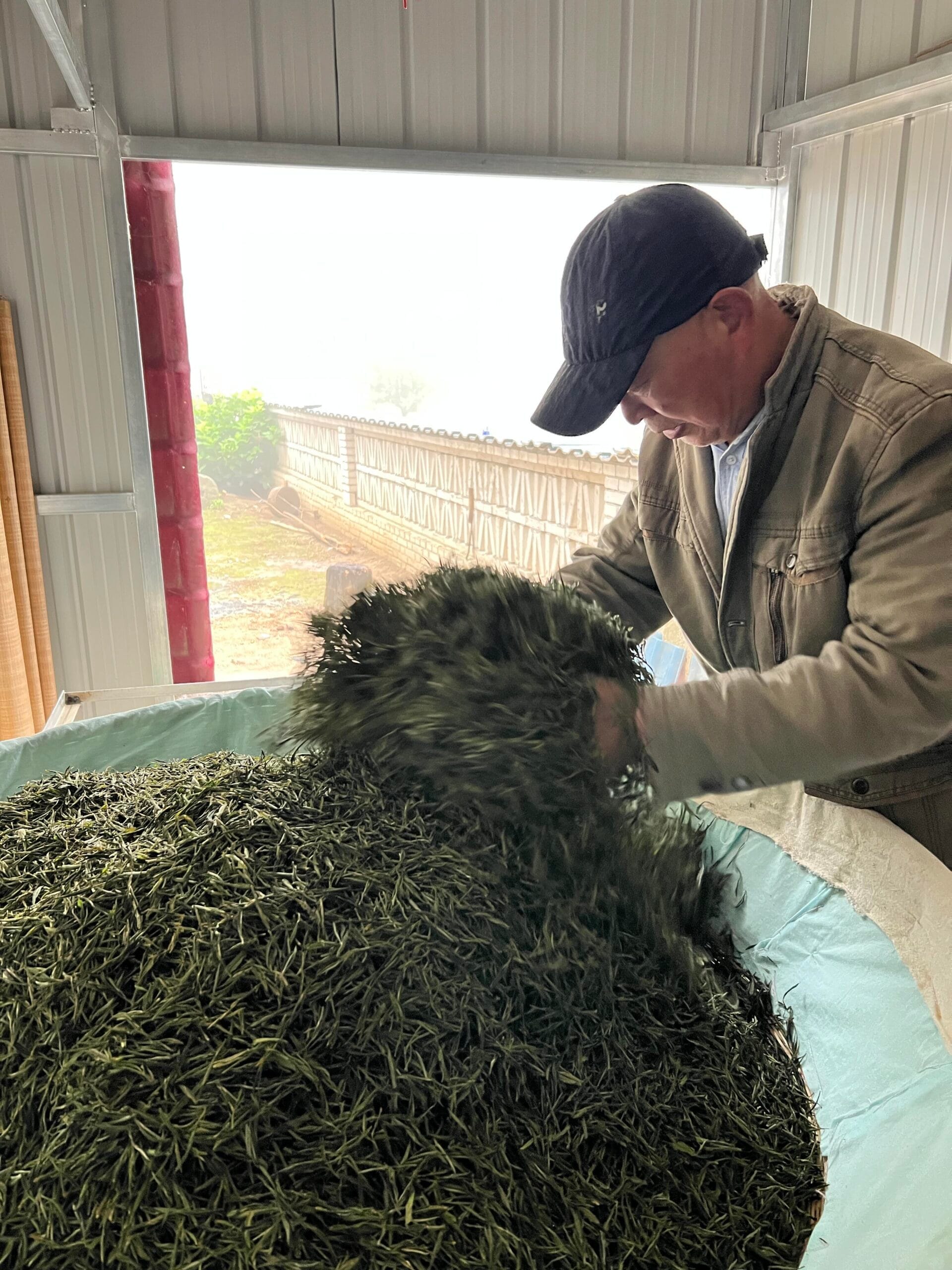
Yellow Tea and green tea share the same origin, both undergoing fixation (“shaqing”) to deactivate enzymes. Their most fundamental difference lies in the additional “sweltering” process. This step is the soul of Yellow Tea’s flavor formation. Simply put, “sweltering” involves piling up the tea leaves while they are still warm after fixation, or wrapping them in cloth or paper, and allowing them to undergo slow oxidation and hydrolysis in a controlled environment of specific temperature and humidity, utilizing the residual heat and moist heat.
This process triggers magical chemical changes:
1.Significant breakdown of esterified catechins: The main source of astringency in green tea. Its reduction makes Yellow Tea mellow and non-astringent.
2.Hydrolysis of proteins and starch: Converted into amino acids and soluble sugars, significantly enhancing the freshness, sweetness, and umami of the liquor.
3.Destruction of chlorophyll: The green color fades, allowing yellow pigments to show, forming the typical “yellow leaves, yellow liquor” characteristic.
4.Transformation of aromatic compounds: Develops the unique “ripe aroma” or “toasty aroma” of Yellow Tea, which is sweeter and softer than that of green tea.
One could compare green tea to a crisp, refreshing, yet slightly astringent “green apple,” while Yellow Tea is like a “ripe apple” or “yellow apple” that has been catalyzed by time—sweeter, mellower, and smoother. However, the “sweltering” process is extremely skill-testing. Two degrees higher in temperature, and the tea can turn sour. Half an hour too long, and the fragrance dissipates. It cannot rely entirely on machines; it depends entirely on the master’s touch, sight, and smell. It is a true art of experience and craftsmanship.
4.The Three Jewels of Yellow Tea: Appreciating Hall-of-Fame Classics
Within the Yellow Tea family, there are three universally acknowledged top representatives. The tea community has a saying: “For Silver Needle, look to Junshan; for Yellow Buds, look to Mengding; for large leaves, look to Wanxi (Huoshan).”
1.The Crown of Silver Needles: Junshan Yinzhen
It is produced on Junshan Island in Dongting Lake, Yueyang, Hunan. The island is less than one square kilometer, surrounded by water, perpetually shrouded in mist, with soil being the rare “bird droppings soil” (a mix of phosphate rock and sandy soil), extremely rich in nutrients. Junshan Yinzhen is made entirely from plump single buds picked within a few days before and after the Qingming solar term. It takes about 50,000 to 70,000 buds to produce just 500 grams (1 jin) of dry tea, highlighting its preciousness.
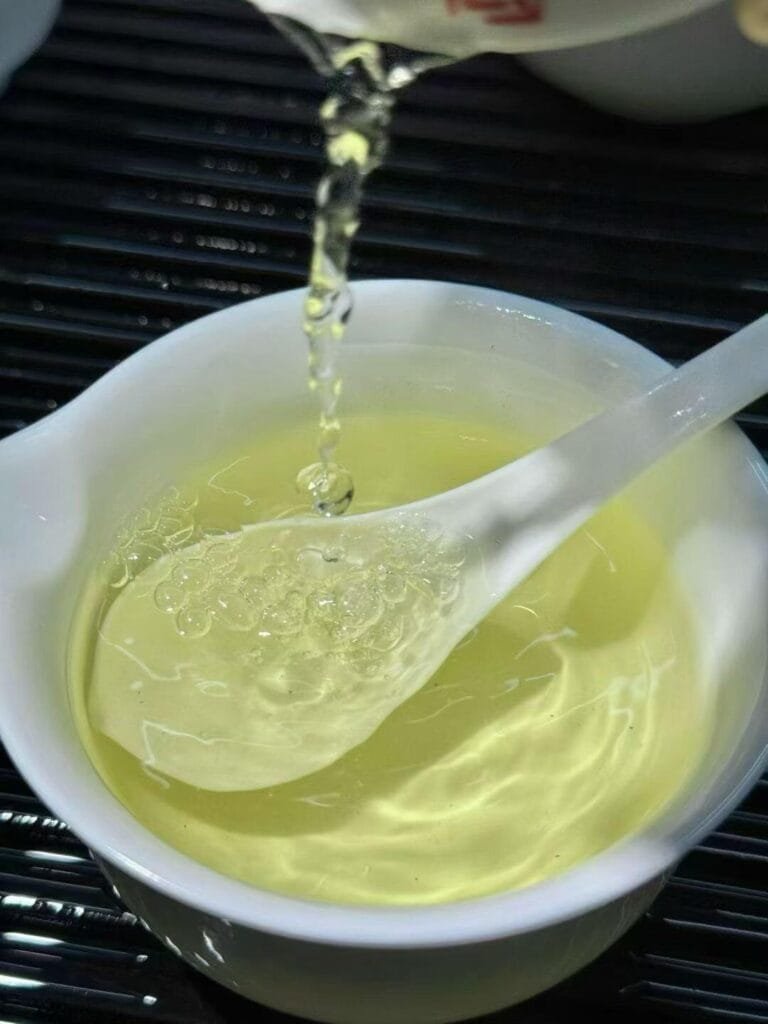
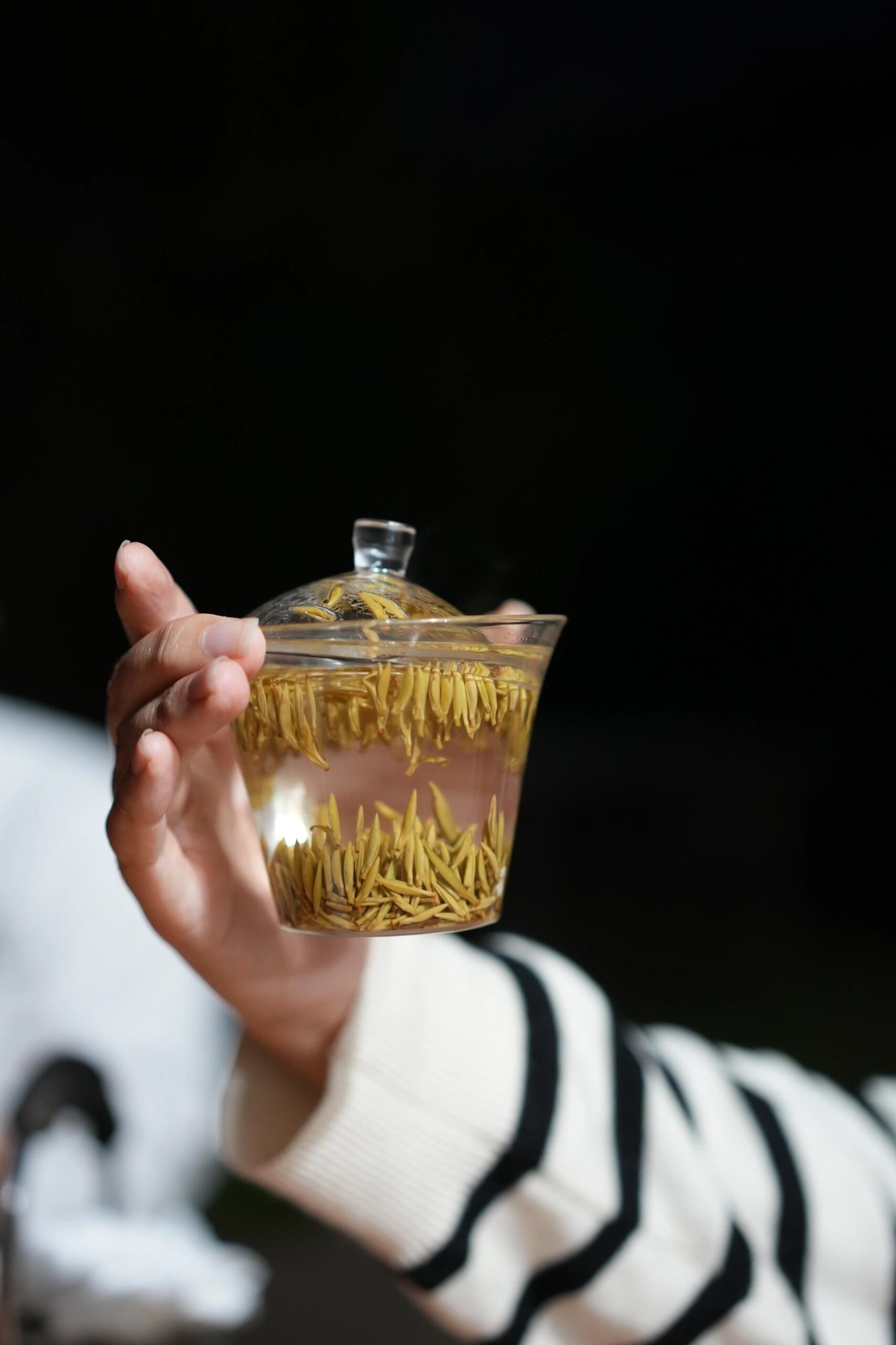
Its brewing process is celebrated as the “tea dance” or “three ups and three downs.” When brewed in a clear glass, the buds first stand upright, suspended on the water’s surface, resembling “ten thousand writing brushes inscribing the sky.” Then they slowly sink and stand upright at the bottom, like “bamboo shoots breaking through the earth.” As the buds absorb water and their density changes, they rise and sink several times, creating a fascinating spectacle. The liquor is apricot-yellow and clear, with a sweet, mellow, fresh, and brisk taste, and an elegant aroma.https://junxistea.com/product/junshan-silver-needle-yellow-tea-2/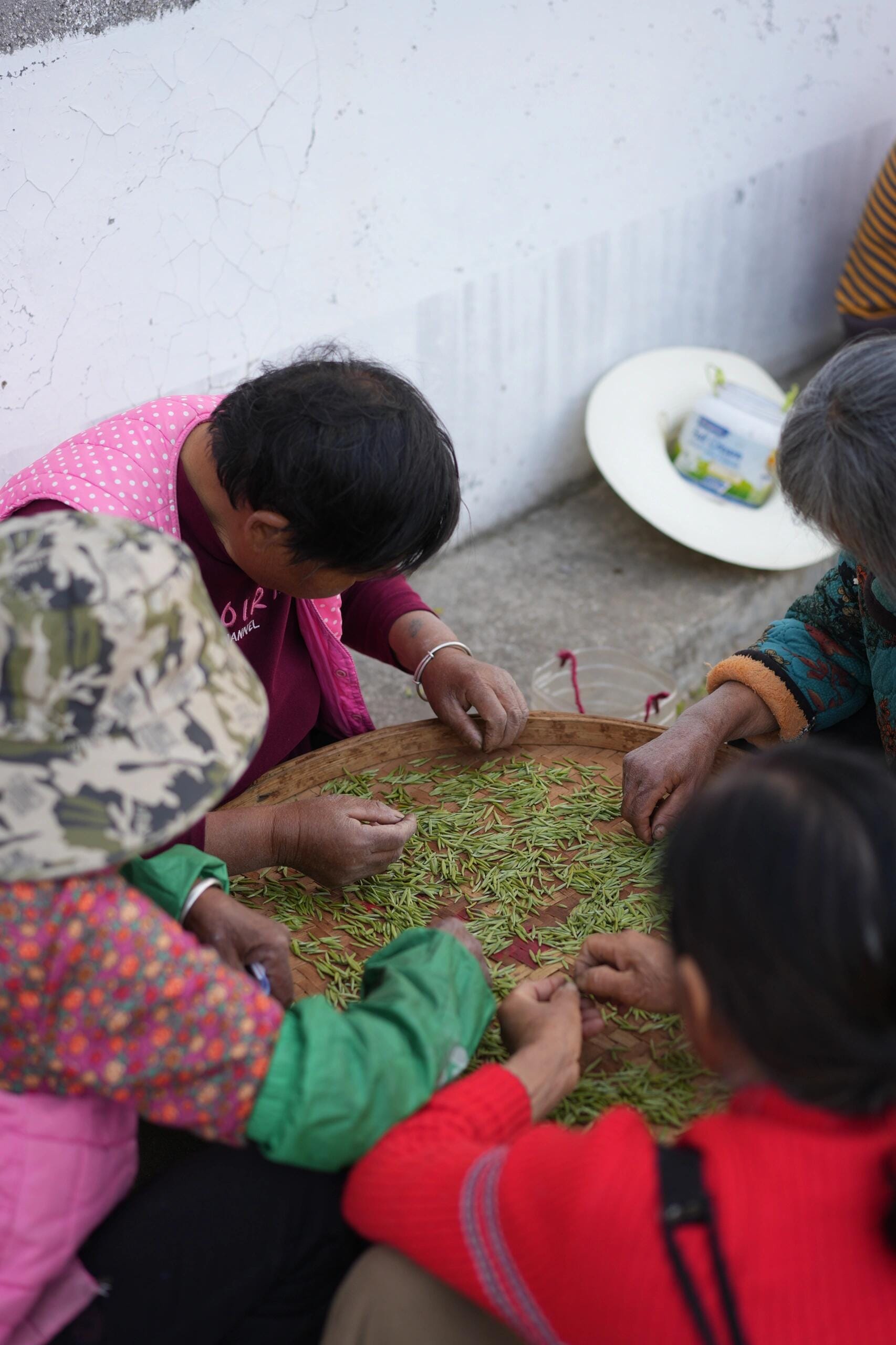
2.The Longest Tribute Tea: Mengding Huangya
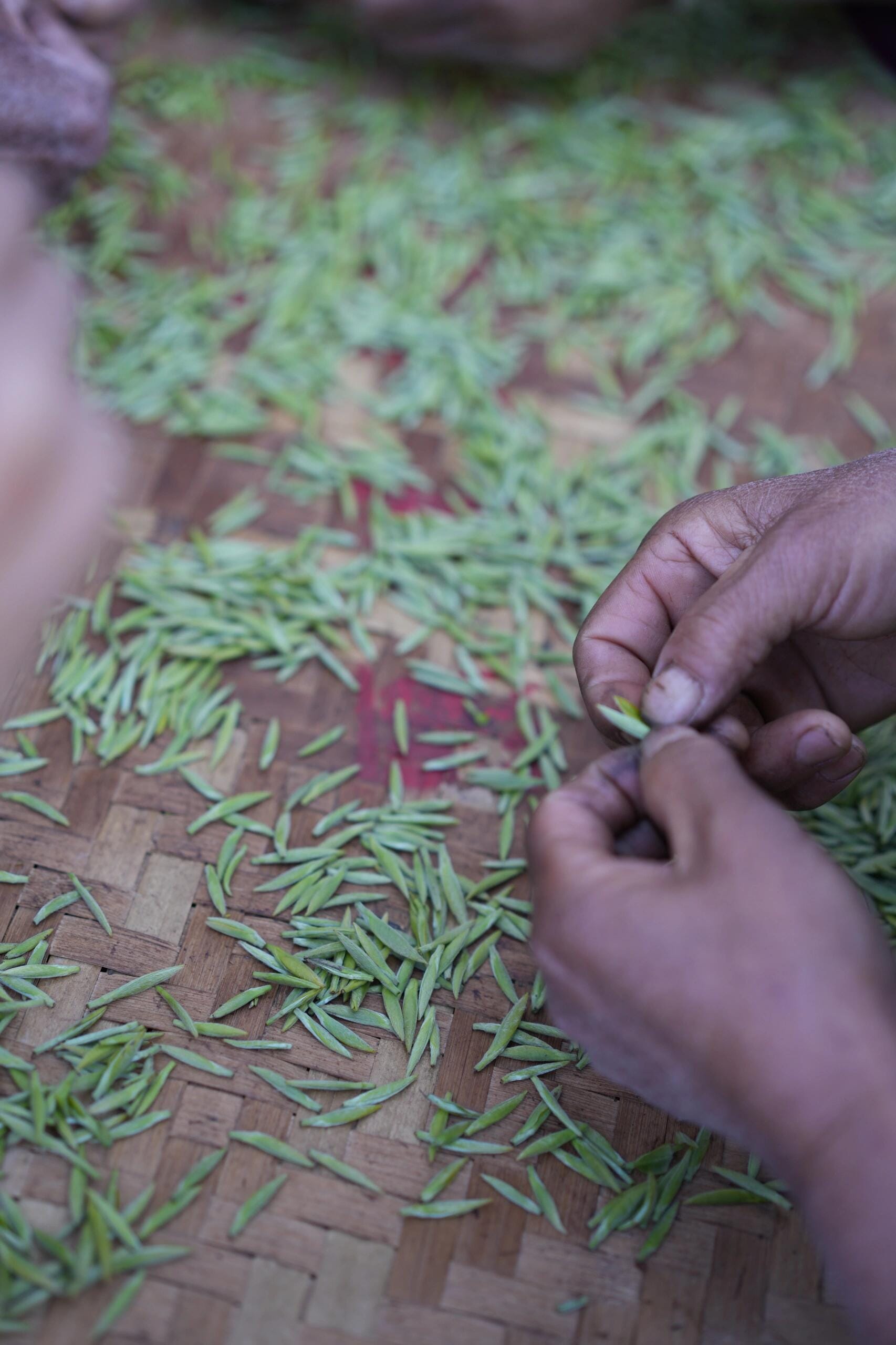
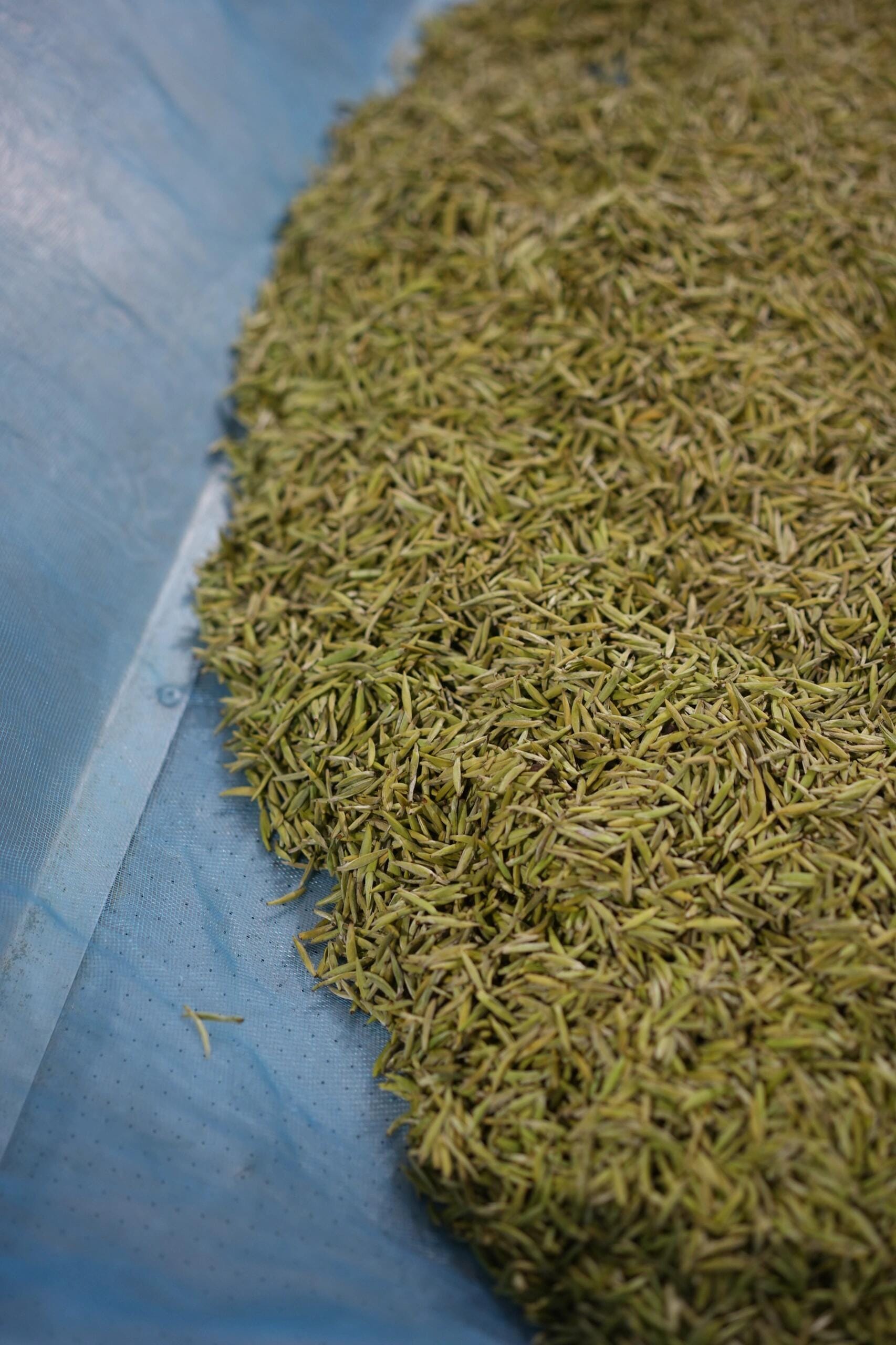
It originates from Mengding Mountain in Ya’an, Sichuan. The high altitude, perennial mist, short sunlight exposure, and significant temperature variations cause the tea trees to grow slowly, allowing for exceptional accumulation of inner substances. Mengding Huangya was listed as a tribute tea starting in the first year of the Tianbao era of the Tang Dynasty (742 AD) and continued until the end of the Qing Dynasty—a tribute history lasting 1,169 years, making it the longest-serving tribute tea in Chinese history, bar none.
Its appearance is flat, straight, and even, with visible golden pekoe, and a golden-yellow color. Its most prominent features are its “sweet aroma” and “lingering sweet aftertaste.” The dry leaves have a strong aroma of roasted chestnuts, which becomes high and sharp after brewing. Upon sipping, a sweet, mellow sensation instantly fills the mouth. After swallowing, a sweet taste continuously and persistently wells up from the base of the throat, like a “spring gushing forth,” lasting for a long time. It is described as “sipping bitterness, swallowing sweetness.”
3.The Daily Drinker’s Choice: Huoshan Huangya
It is produced in the depths of the Dabie Mountains in Huoshan County, Anhui. If Junshan Yinzhen is a hall-of-fame艺术品, and Mengding Huangya is the treasure of literati and connoisseurs, then Huoshan Huangya is the most down-to-earth, high-quality “daily drinker” tea. It offers exceptional value for money, allowing more people to appreciate the sweet mellowness of Yellow Tea at an affordable price.
It is produced in the depths of the Dabie Mountains in Huoshan County, Anhui. If Junshan Yinzhen is a hall-of-fame艺术品, and Mengding Huangya is the treasure of literati and connoisseurs, then Huoshan Huangya is the most down-to-earth, high-quality “daily drinker” tea. It offers exceptional value for money, allowing more people to appreciate the sweet mellowness of Yellow Tea at an affordable price.
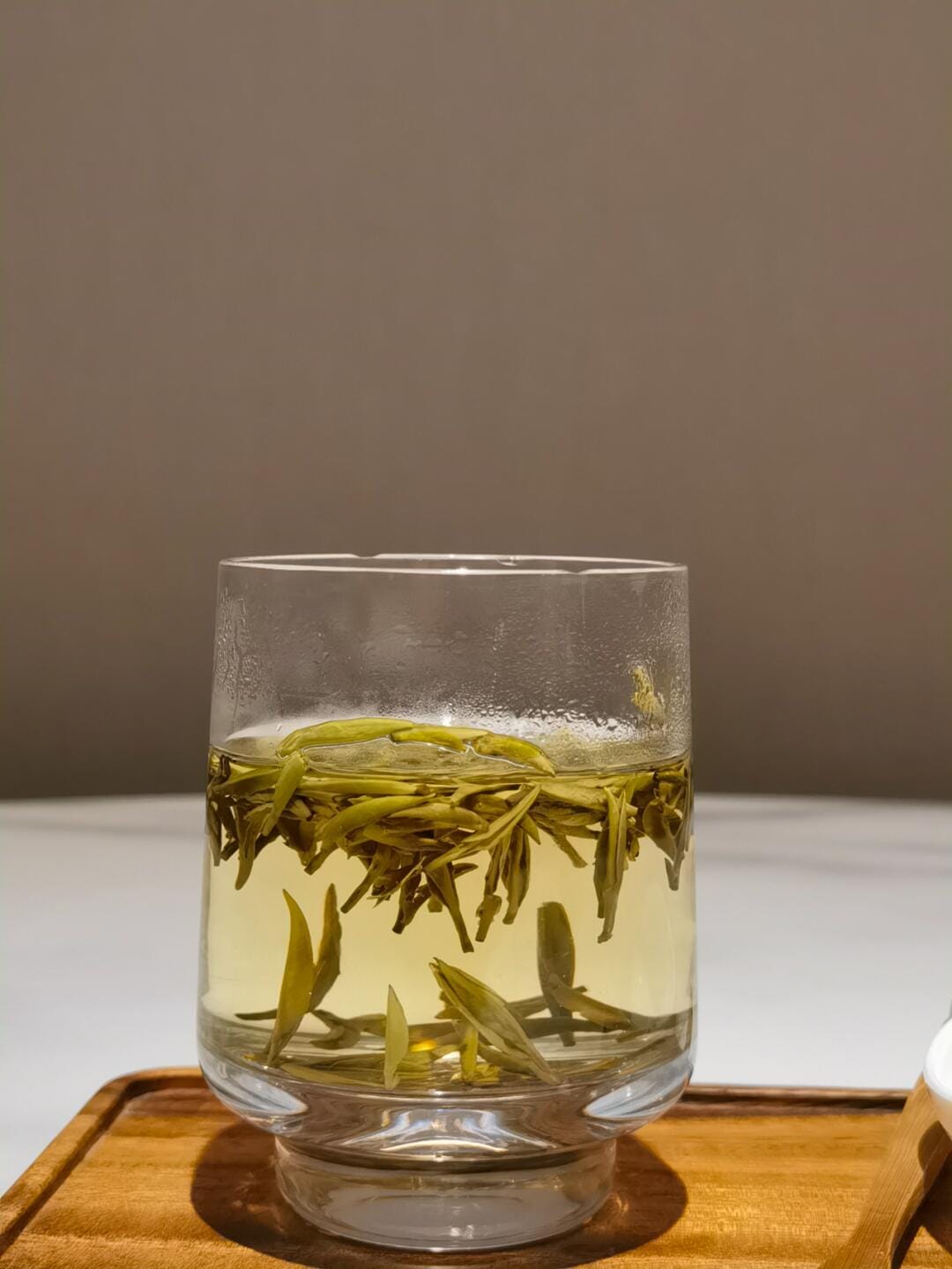
Its appearance is straight and slightly unfurled, with a yellow-green color covered in pekoe. The liquor is clear, yellow-green, and bright, with a fresh, high aroma carrying a unique, clean scent of “ripe chestnuts” or “tender corn silk.” The taste is fresh, brisk, with a sweet aftertaste, mellow and smooth. Its greatest advantage is its exceptional durability. While ordinary green tea fades after three infusions, high-quality Huoshan Huangya can be brewed five or six times and still retain a sweet lingering charm.
5.The Underestimated Health Treasure: How Yellow Tea Gently Nourishes the Stomach and Spleen
Among the six major tea categories, the health value of Yellow Tea, especially its nurturing effect on the spleen and stomach, is severely underestimated. This is closely tied to its unique “sweltering” process. Under the moist heat, the tea leaves develop abundant digestive enzymes and various beneficial microbial metabolites. Traditional Chinese Medicine theory holds that “yellow enters the spleen.” The “three yellows” characteristic of Yellow Tea—dry leaves, liquor, and brewed leaves—correspond precisely to its function of nourishing the spleen and stomach.
For people with weaker spleen and stomach function, green tea, being cool in nature, may irritate the stomach, while black tea, being warm, might be too drying in summer. Yellow Tea, however, has a neutral and mild nature, perfectly balanced between the two, achieving the ideal state of “warm but not cold, moist but not drying.” It is the most comfortable “companion” for the spleen and stomach. Drinking a cup of light Yellow Tea half an hour after a meal can gently aid digestion, alleviate post-meal bloating, and does not harm the body’s vital energy (“zhengqi”).
Modern research also indicates that during the “sweltering” process of Yellow Tea, the content of tea polyphenols and caffeine undergoes moderate transformation. This preserves its antioxidant and refreshing effects while reducing its potential to irritate the gastric mucosa. Meanwhile, its rich content of tea polysaccharides, amino acids, and other substances also benefits bodily regulation. The folk saying, “Green tea scours the stomach, black tea warms the stomach, yellow tea nourishes the stomach,” is an accurate summary of its gentle nature.https://www.youtube.com/watch?v=YYYdcnMo9GM&t=137s
6.How to Appreciate: Four Keys to Brewing Yellow Tea
Brewing Yellow Tea, especially tender bud teas like Junshan Yinzhen and Mengding Huangya, requires care to fully showcase their beauty in color, aroma, taste, and shape. Remember these four key points:
1.Vessel Selection: A clear glass cup is the first choice. This allows you to easily observe the graceful “three ups and three downs” dance of Junshan Yinzhen and enjoy the whole process of the tea buds slowly unfurling and the liquor color gradually changing, achieving the dual enjoyment of “tasting” and “viewing.”
2.Water Temperature Control: Around 85°C is ideal. Never pour 100°C boiling water directly onto the tender buds, as this will “scald” them, making the liquor bitter and robbing it of all freshness. Let boiled water sit for 1-2 minutes before use.
3.Tea-to-Water Ratio: A ratio of 1:50 is recommended. For example, for a 150ml cup, use 3 grams of tea leaves. Avoid using too much tea to ensure the liquor remains clear, sweet, mellow, and smooth.
4.Steeping Time: For the first infusion, steep for about 3 minutes, until most buds have sunk and the liquor shows a bright apricot-yellow color. Then it’s ready to drink. For each subsequent infusion, increase the steeping time by 30 seconds to 1 minute. High-quality Yellow Tea can be brewed 4-5 times, with the flavor transitioning from fresh and brisk to sweet and mellow.
7.A Harsh Reality: Why is Yellow Tea Disappearing?
Despite its glorious history and exceptional quality, a harsh truth is that authentic Yellow Tea is slowly disappearing from the market. Currently, the annual production of Yellow Tea in China accounts for less than 1% of total tea production, and it is still shrinking. The core reason lies in its essential process—“sweltering.”
This process is extremely difficult, time-consuming, labor-intensive, highly risky, and heavily reliant on the personal experience of the tea master. A slight miscalculation in temperature, humidity, or timing can drastically alter the flavor, or even ruin an entire batch. In contrast, using the same fresh tea leaves to make green tea by skipping the “sweltering” step involves a more mature and stable process, shorter production cycles, higher market acceptance, and faster capital turnover. Driven by economic interests, more and more tea farmers and manufacturers are abandoning the production of Yellow Tea.
Even more worrying, the masters who possess the authentic “sweltering” skill are mostly elderly, and the complexity of the craft coupled with meager profits discourages young people from inheriting it. The market is flooded with大量 “fake yellow tea”—either poorly processed “sweltered” tea or simply green tea passed off as yellow tea. When brewed, their liquor and leaves are green, far from the true “three yellows” characteristic, further damaging the reputation of Yellow Tea.
8.Conclusion: A Cup of Yellow Tea, A Song of Lament
Yellow Tea is a “noble” in Chinese tea history who once reached the pinnacle of glory but is now quietly retreating. It embodies the exquisite wisdom of tea-making craftsmanship, witnessed the shifting tastes of emperors over a millennium, and carries the Eastern aesthetic of “harmony, moistness, sweetness, and mellowness.” Unassuming and gentle as jade, it is a rare gentleman among teas.
When we have the opportunity to savor a cup of authentic Junshan Yinzhen or Mengding Huangya, we are tasting not just a flavor, but a living piece of history, an endangered craft, and a philosophy of unhurried living. Perhaps its “grievance” and “niche status” are precisely its final pride and perseverance in this era of industrialized speed. Before it potentially becomes mere legend, let us cherish the unique, warm comfort that every cup of Yellow Tea brings.