The Ultimate Guide to Dark Tea: 5 Common Myths Busted, Revealing the Secrets & Health Value of “Time-Brewed” Tea

Among China’s six major tea categories, Dark Tea is perhaps the most misunderstood and underestimated. Many, upon seeing its deep brown color, associate it with “staleness” or “low quality.” Yet, beneath this “dark” exterior lies a complex symphony composed by time, microbes, and craftsmanship, along with health benefits increasingly validated by modern science. This article will systematically unveil the mystery of Dark Tea, break固有偏见, and restore its true charm as a “drinkable antique” and “digestive companion.”
1.An Accidental Origin: From the Ancient Tea-Horse Road to “Wo Dui” Fermentation
The birth of Dark Tea was not a result of meticulous design, but a serendipitous and intelligent “accident.” In the early Ming Dynasty, to ensure border stability, the court transported tea on a large scale to the northwest and southwest regions. In an era without modern logistics, horse caravans carried compressed tea bricks across towering mountains for months. Along the way, exposed to sun and rain, the tea leaves repeatedly absorbed moisture, were “smothered” in piles, and then dried naturally.
Upon arrival, the tea bricks had turned dark and glossy, their flavor drastically transformed. Surprisingly, the herders on the frontier found that this “journey-fermented” tea tasted smoother and mellower, and was far more effective at cutting through grease, dispelling the mutton smell, and aiding digestion than the original fresh tea. This accidental discovery was later systematically studied by tea masters, who proactively simulated the hot and humid conditions of the long journey, developing the signature “Wo Dui (Pile Fermentation)” process of Dark Tea. This marked the evolution of Dark Tea from being “passively affected by the environment” to an intellectual masterpiece of “actively controlling microbial fermentation.”
2.Understanding the Core: The Science of “Post-Fermentation” & “Improving With Age”
To understand Dark Tea, one must grasp the core concept of “Post-Fermentation.” This is fundamentally different from green tea (non-oxidized), oolong, and black tea (oxidized).
*Oxidation (前发酵): Occurs during tea processing, primarily driven by the leaf’s own enzymes. The flavor is largely set upon completion and changes very little thereafter.
*Post-Fermentation (后发酵): During the Wo Dui process and the long years that follow, it is driven by microbes (e.g., Eurotium cristatum, the “Golden Flowers”). They continuously work, breaking down large molecules like starch, protein, and polyphenols in the leaves, transforming them into smaller flavor compounds like tea polysaccharides and amino acids.
A vivid analogy: Green tea is like freshly squeezed juice, meant to be enjoyed at its peak freshness, with a short shelf life. Dark Tea, however, is like a carefully brewed wine or a block of cheese. It may seem slightly rough when first made, but under suitable conditions, the slow work of microbes makes its flavor increasingly mellow, complex, and smooth over time. This is the scientific basis for “improving with age.” For Dark Tea, time is not an enemy, but the most important co-brewer.
1.The Four Kingdoms of Dark Tea: A Flavor Map Beyond Pu-erh
Many mistakenly equate “Dark Tea” with “Pu-erh Tea.” In fact, according to national standards, Dark Tea is a large family. Based on origin and processing, it is mainly divided into four representative categories, each with its own merits.
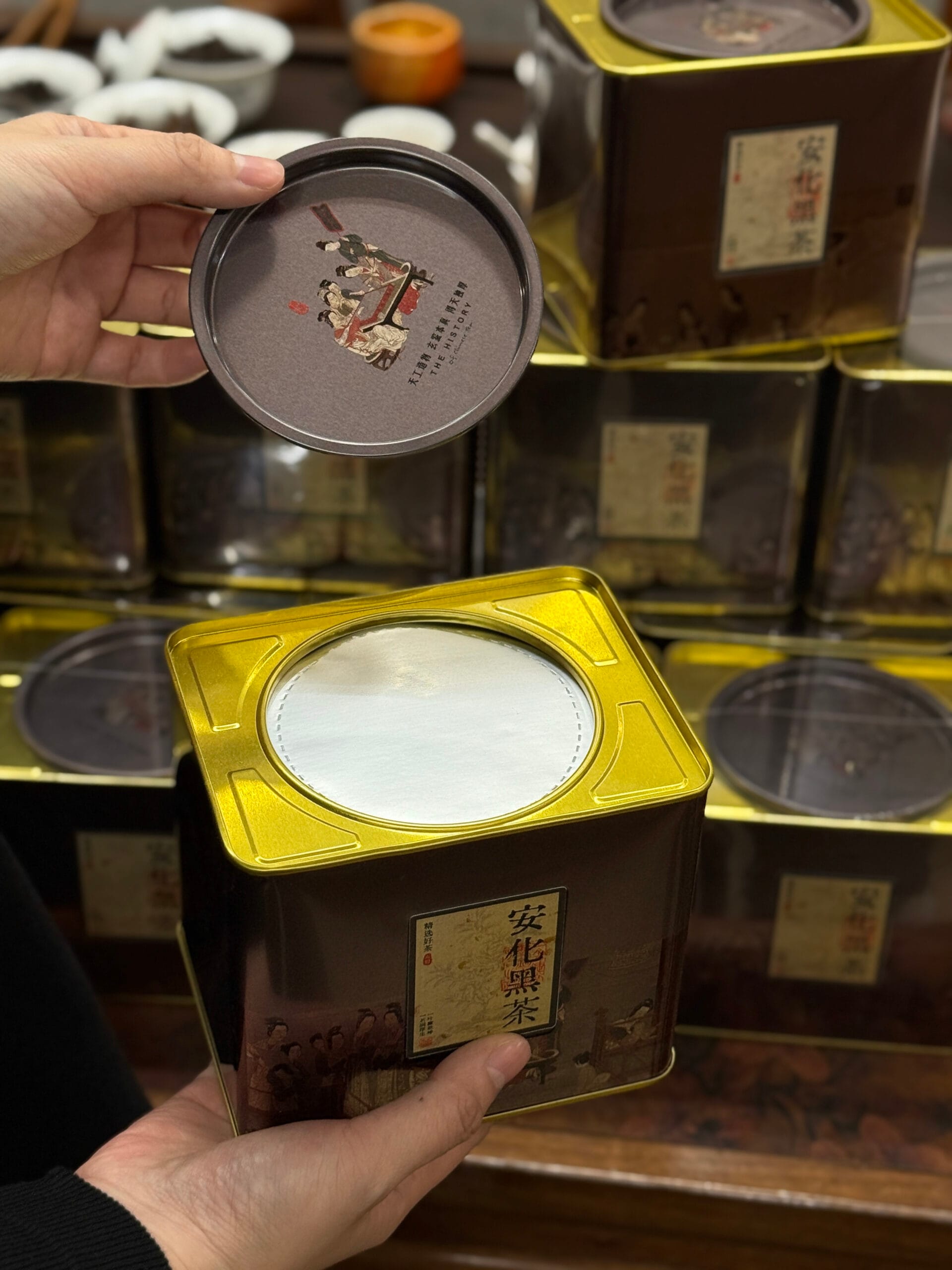
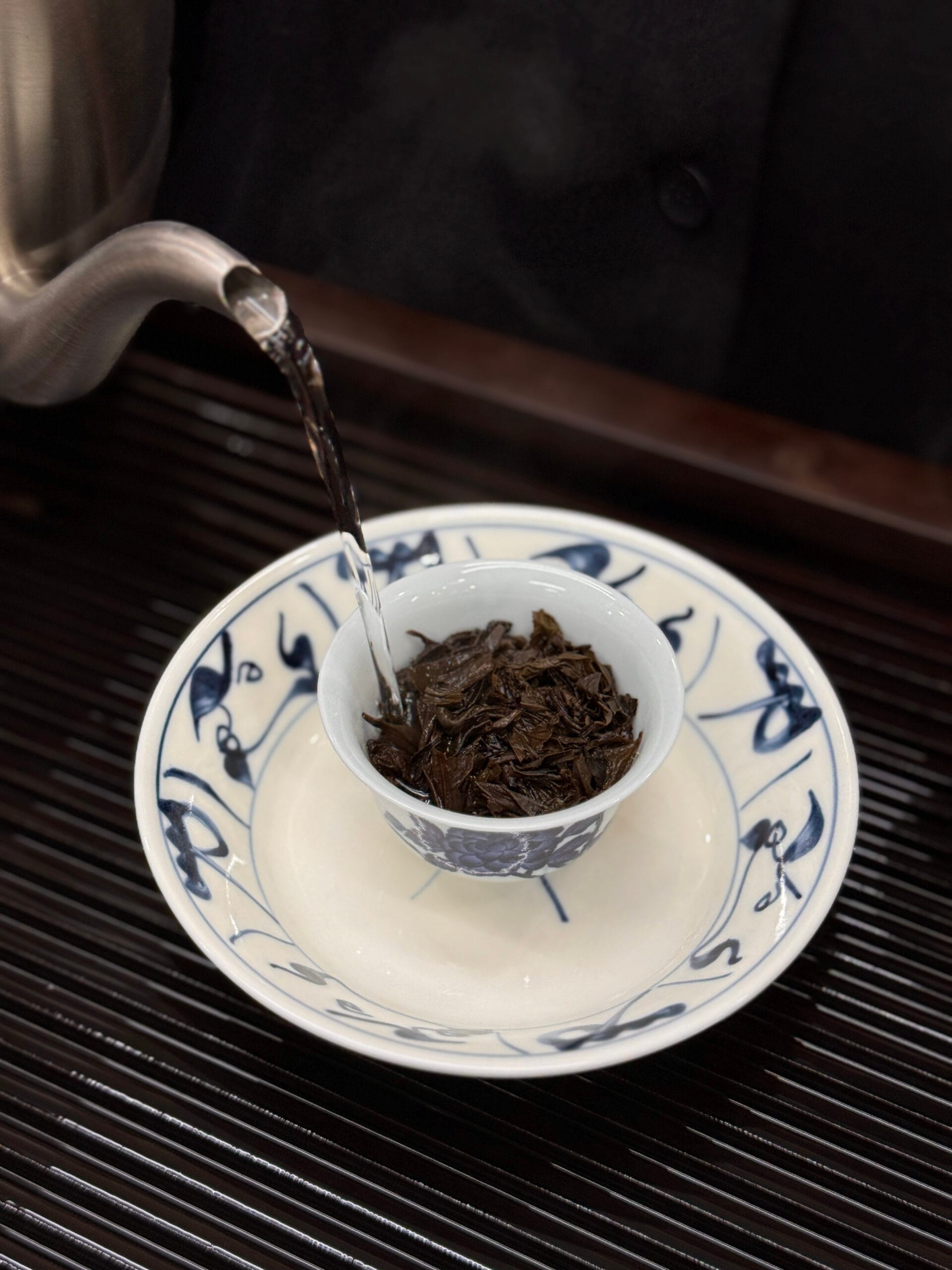
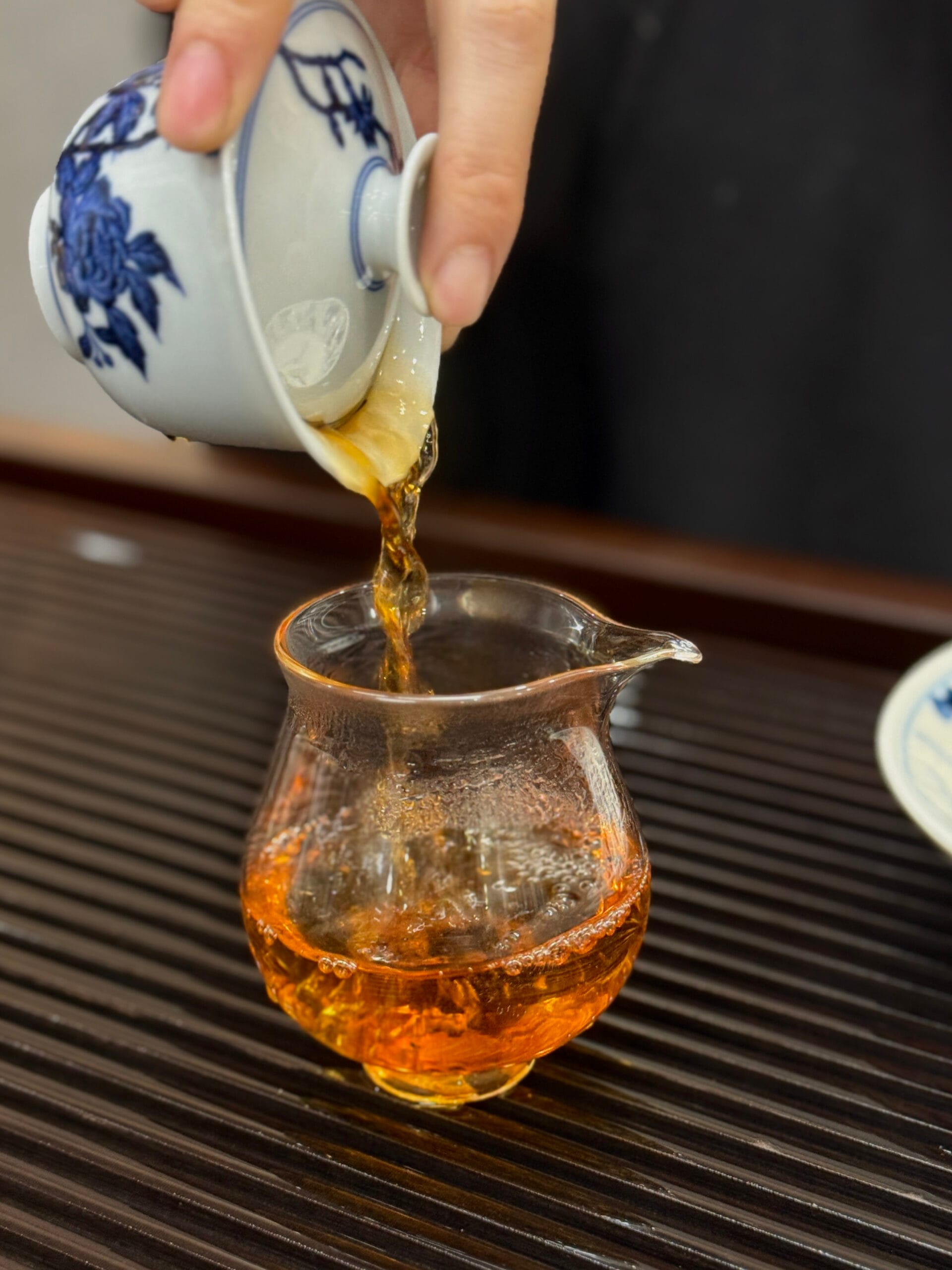
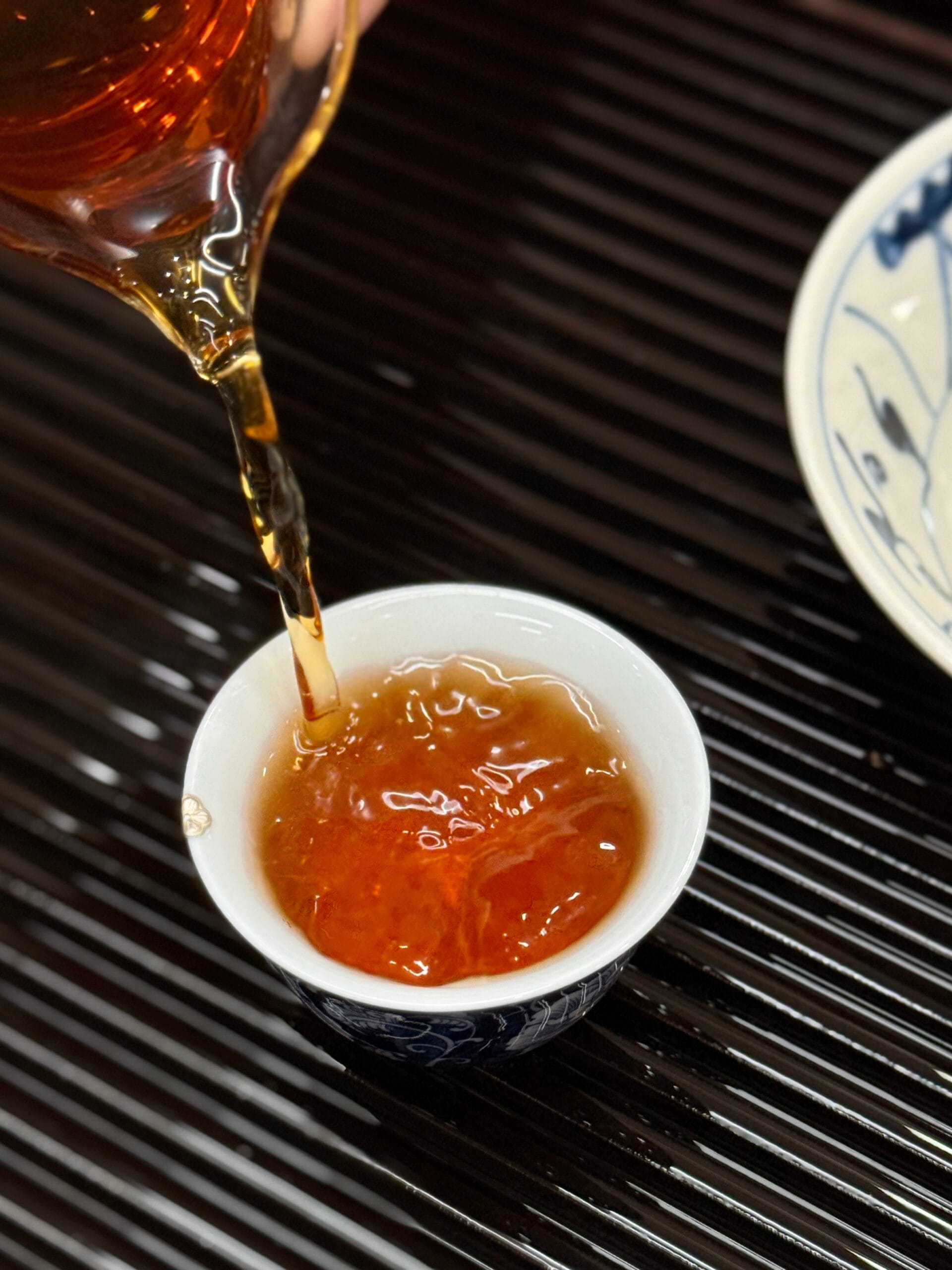
1.Hunan Anhua Dark Tea: The “Floral & Fungal Aroma” of Golden Flowers
Unique “Golden Flower” (Eurotium cristatum) fermentation. Offers a distinct “fungal-floral” aroma, smooth, sweet taste. Represented by “Fu Zhuan” (茯砖) tea.
 https://junxistea.com/product/anhua-dark-tea/
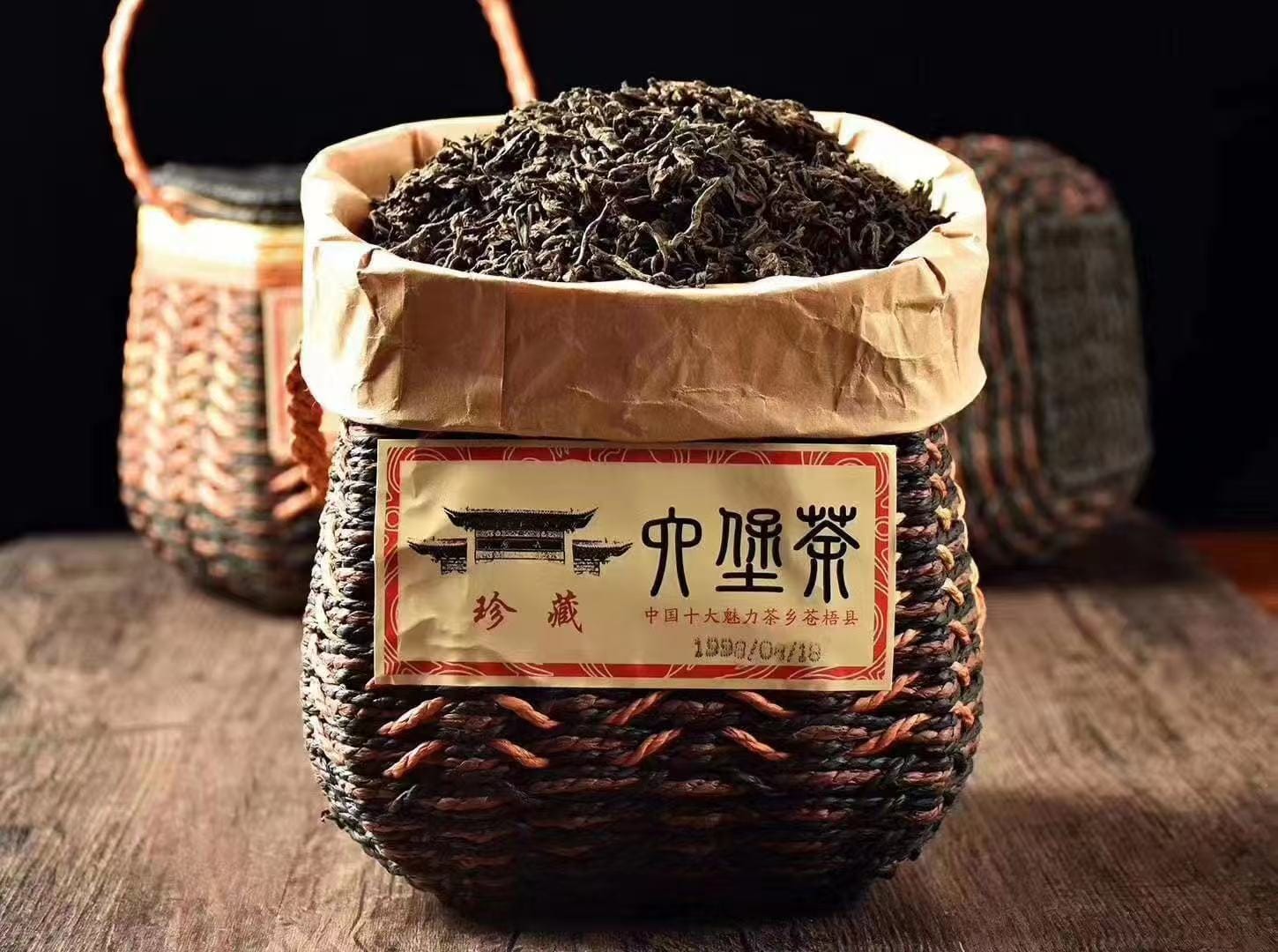
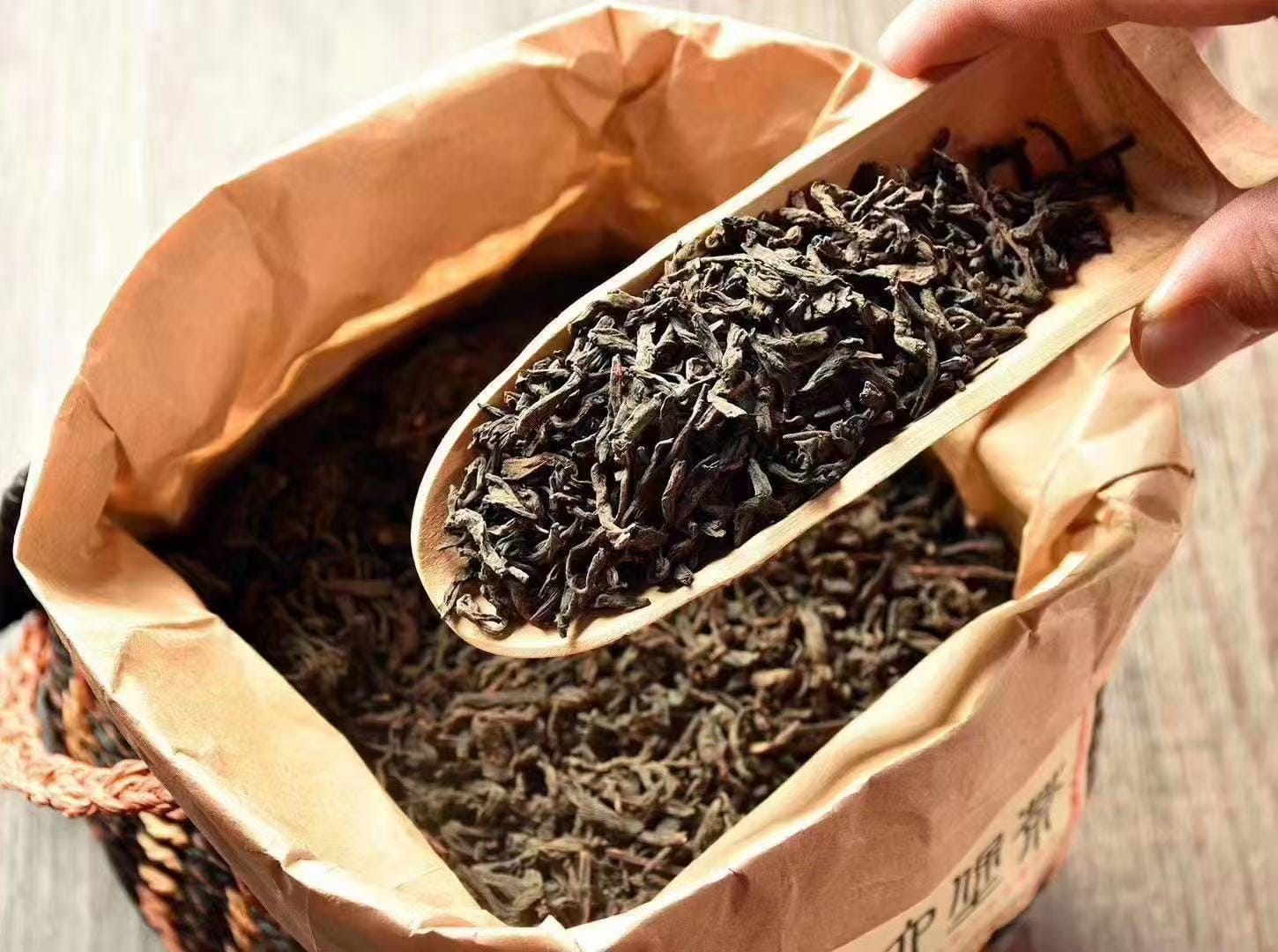
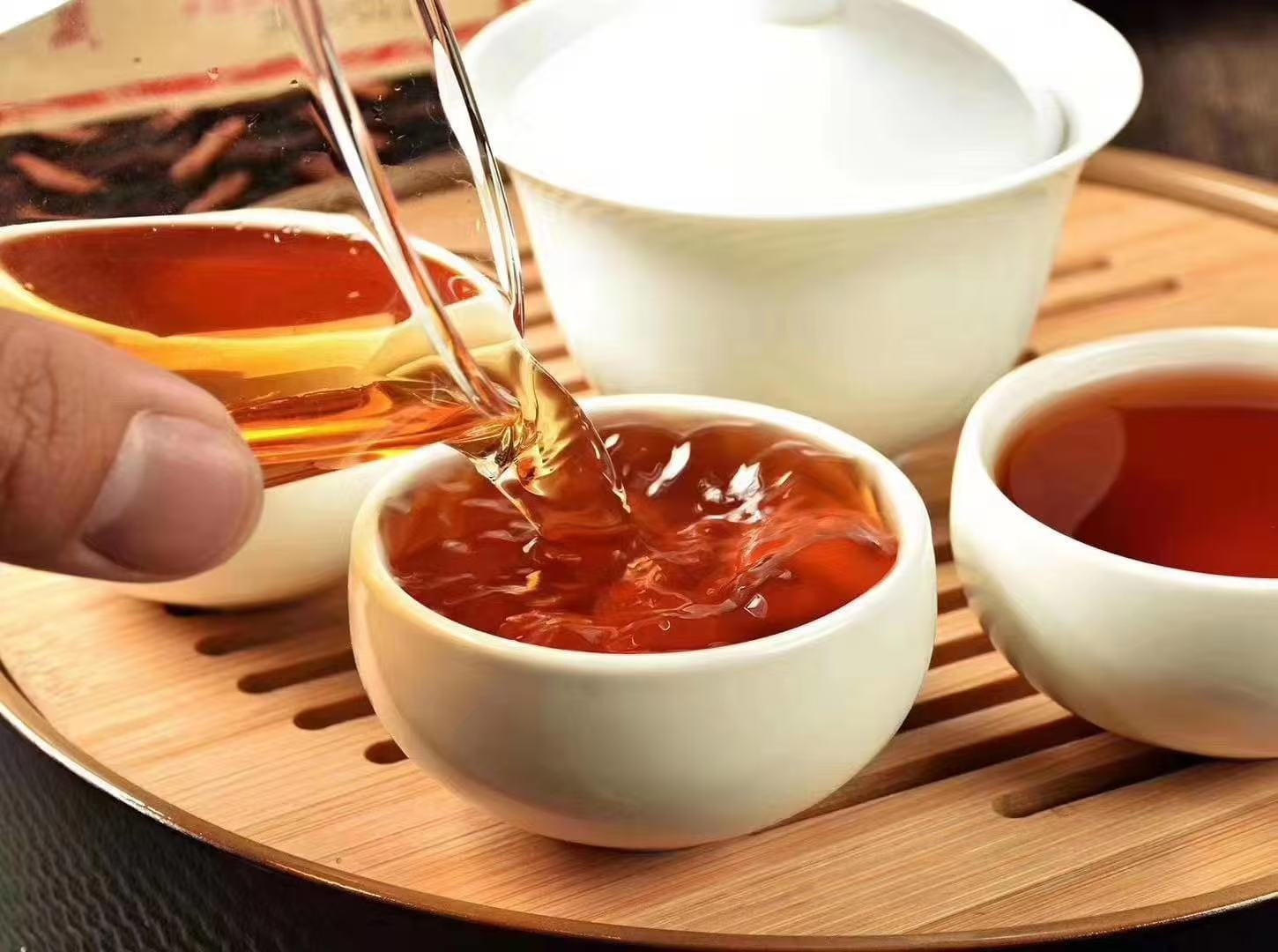
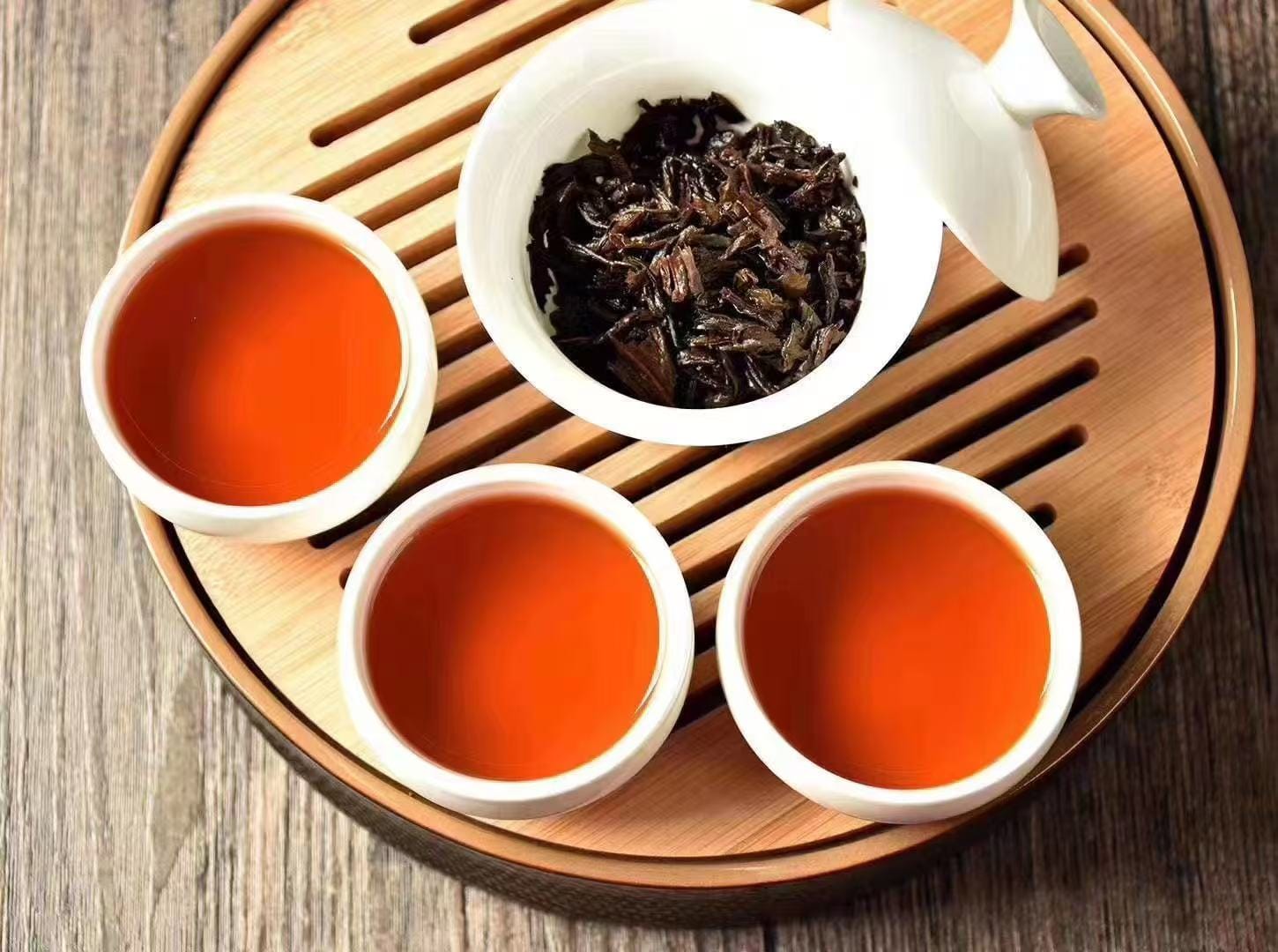
2.Guangxi Liupao Tea: The “Red, Strong, Aged, Mellow” Dampness-Dispelling Tea
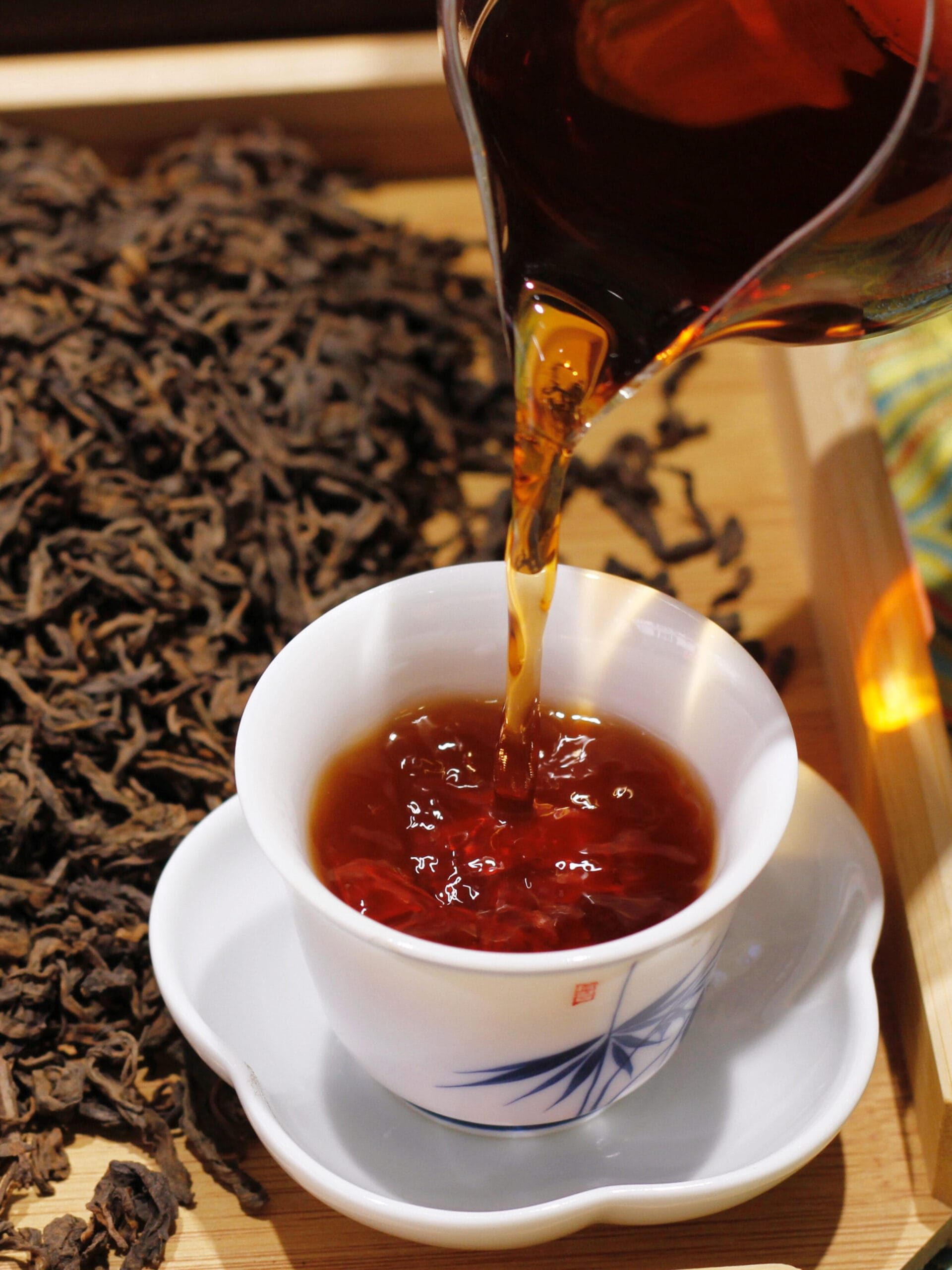
Famed for being “Red, Strong, Aged, Mellow.” Known for dispelling dampness and regulating the stomach. Has a deep red liquor, mellow and smooth taste with prominent aged aroma.
3.Sichuan Tibetan Tea (Zhuancha): The Millennium-Old “Tea of Life”
The origin of dark tea, with over 1300 years of history. Essential for Tibetan livelihoods. Full-bodied, mellow, and durable for boiling, often mixed with butter or milk.
4.Hubei Laoqing Tea (Qing Zhuan Cha): The Robust “Border-Sale Classic”
A classic on the “Ancient Tea Road,” historically traded to border regions. Robust, strong flavor with a notable aged scent, excellent for making milk tea.
4.Demystifying “Improves With Age”: Three Non-Negotiable Prerequisites
“Improves with age” is the most attractive yet treacherous label for Dark Tea. Its truth rests on three ironclad prerequisites, none of which can be compromised:
1.Quality Raw Materials are the Foundation: Poor tea stored for a hundred years will only become “old poor tea.” Must use leaf material from specific regions, rich in content, often from large-leaf varietals.
2.Superb Processing is the Key: Temperature, humidity, turning frequency, and fermentation degree during Wo Dui must be precisely controlled. Tea with improper processing takes the wrong aging path and cannot become mellow.
3.Scientific Storage is the Guarantee: This is the most easily overlooked factor. Ideal storage requires a clean, moderately ventilated, light-proof, dry, odor-free environment. Too dry, microbes are inactive, transformation halts; too damp, promotes harmful mold and spoilage. For home storage, wrap in paper, place in an odor-free cardboard box, and store in a dry place like a high shelf.
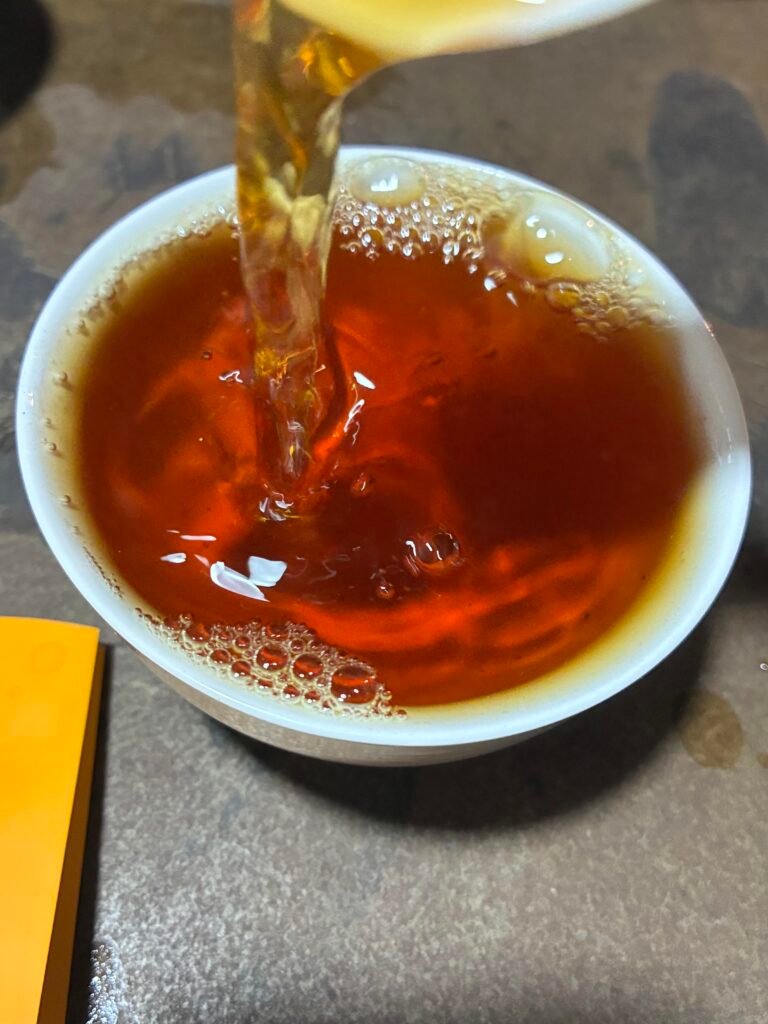
4.A Warning on “Aged Tea”: The market is flooded with false claims of “30-year aged” or “50-year stored” tea. Truly high-quality aged tea has a liquor that is clear, bright, and amber-like, and a taste that is smooth, sweet, with no storage odor, mustiness, or throat-tightening sensation. If the liquor is murky, has a pungent odor, or leaves the throat dry and tight, walk away regardless of the story.
5.The Art of Brewing: Three Rules Completely Opposite to Green Tea
Brewing Dark Tea requires a complete paradigm shift from brewing green tea. The core principles are High Temperature, Slow Steeping, and Full Extraction.
1. Must Use Boiling Water (100°C): Only high temperature can fully release the deep aromas and compounds locked within Dark Tea by time. Using warm water is a waste and suppression of its flavor.2.
2.Patient Awakening & Stewing:
◦ Gaiwan / Yixing Teapot Brewing: Use about 8g of tea. First, quickly “rinse” the tea 1-2 times with boiling water (discard immediately) to “awaken” the compressed leaves. Start drinking from the third infusion. Initial brews can be poured quickly, extending steeping time by 5-10 seconds for subsequent brews. High-quality Dark Tea is extremely durable, lasting over a dozen brews, with later infusions often sweeter.
◦ Boiling Method: Best for winter. Use 5-7g of tea, add cold water to a pot, bring to a boil, then simmer for 2-3 minutes. The liquor is viscous, mellow, sweet, and rich with aromas like dates or wood.
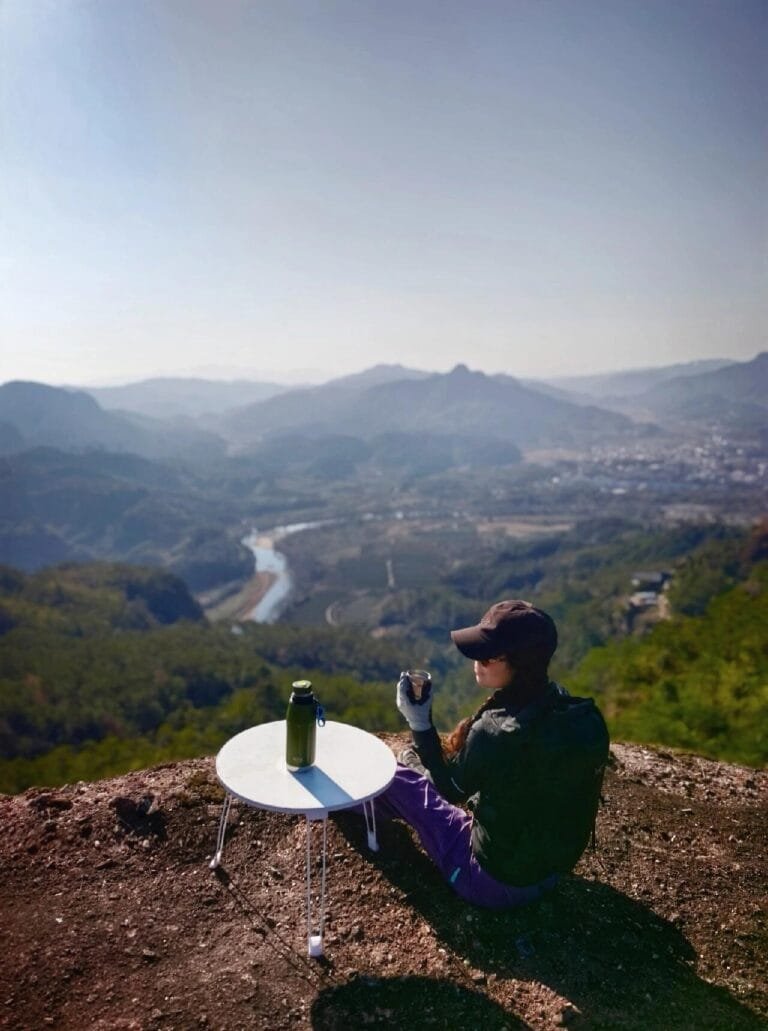
◦ Thermos Steeping: The most convenient method. Add tea leaves, pour boiling water, and let it steep for at least half an hour. Dark Tea is not afraid of over-steeping; this method makes it smoother and sweeter.
3.Don’t Fear Over-Steeping: Unlike green tea which fears “stewing,” Dark Tea can benefit from适当 “sitting” in the pot (extending steeping time), which helps the flavor unfurl completely.
6.The Wisdom of Storage: The Philosophy of Letting Dark Tea “Breathe”
Storing Dark Tea is relatively simple. Its philosophy is “clean and breathable,” not “absolutely airtight.”
•Environment: Choose a cool, dry, ventilated, odor-free room. Avoid damp or smelly places like kitchens or bathrooms.
•Containers: Use paper, unglazed ceramic jars, or Yixing clay jars for wrapping or storage. These materials are slightly breathable, allowing slow air exchange beneficial for aging. Never use sealed plastic bags, glass jars, or metal tins. Completely cutting off air halts microbial activity and the aging process, and can even cause off-odors.
•Placement: Place wrapped tea bricks or cakes on shelves, away from floors and walls to avoid dampness.
•Taboos: Never store alongside perfumes, mothballs, cosmetics, spices, or other strong-smelling items. Dark Tea is highly absorbent; once tainted by foreign odors, its flavor is ruined.
7.Health Evidence: The Digestive & Metabolic Supporter Studied by Science
The health value of Dark Tea is inseparable from its unique microbial fermentation process and is gaining increasing research attention.
1.Aids Digestion, Regulates Gut: This is its most traditional and recognized benefit. The probiotics (e.g., Golden Flowers) and abundant digestive enzymes produced during fermentation can effectively promote intestinal motility, help break down fats, and alleviate bloating. This is precisely why it became the “Tea of Life” for nomadic peoples.
2.Helps Regulate Lipid Metabolism: Multiple domestic and international studies (e.g., from Hunan Agricultural University, Université Paris Cité) suggest that long-term consumption of Dark Tea may help reduce total cholesterol and LDL (“bad” cholesterol) in the blood. This is largely attributed to compounds like tea polysaccharides and theabrownins formed during fermentation.
3.Gentle Nature, Less Disruptive to Sleep: Deep fermentation results in lower caffeine content in Dark Tea. The caffeine also forms complexes with oxidation products and L-theanine, significantly reducing its stimulating effects. People sensitive to caffeine or with a cold stomach can often drink it in moderation in the evening without affecting sleep, and may even feel a warming sensation.https://www.youtube.com/watch?v=7zntFcKrKMU
Conclusion: A Cup of Tea, A Sip of Time
The charm of Dark Tea lies in its transformation of “time” from an enemy of tea leaves into a designer of flavor. It does not seek the instant freshness of a spring bud, but dedicates itself to a slow, profound transformation in the quiet passage of years. Store a tea brick, taste it every few years, and you can clearly perceive its成长与变化 within time—the taste grows mellower, the aroma more settled, the nature of the tea gentler.
In an era that pursues speed and instant gratification, Dark Tea teaches us patience and等待. Good tea is not afraid of age, just as things of true value can withstand the sedimentation and refinement of time. When you learn to appreciate a cup of mellow, smooth Dark Tea, you are no longer just tasting a leaf, but a sip of warm time—sealed away, then reawakened.