White Tea Explained: 5 Key Facts to Avoid Common Pitfalls in Buying & Brewing

In recent years, White Tea has seen a surge in global popularity and price. However, amidst this trend, there is a great deal of misinformation and consumer misunderstanding. Many are drawn by the old saying “1 Year Tea, 3 Year Medicine, 7 Year Treasure” and stock up blindly, potentially buying fake, artificially aged tea. Others think white tea is literally “white” in color, missing the chance to understand the essence of its processing. This article will systematically outline 5 core facts about White Tea, guiding you through the market haze to truly understand this Eastern “minimalist” beverage—from its history and processing to appreciation, storage, and health benefits.
1.The Art of Minimalism: What is the Core Process of White Tea?
The “white” in White Tea does not refer to the color of the dry leaves or the liquor. It originates from two key features: the dense silvery-white down (hao) that covers the tea buds, and its most minimal and natural processing method among the six major tea categories. Unlike the fixation of green tea, the full oxidation of black tea, or the complex bruising of oolong tea, high-quality White Tea processing can be distilled into two core steps: Withering and Drying.
•Withering: After picking, the fresh leaves are evenly spread in thin layers on bamboo trays. Under gentle sunlight or in a controlled indoor environment with good airflow, they are allowed to lose water naturally and slowly. This process is not passive waiting; within suitable temperature and humidity, very slow enzymatic activity (light oxidation) occurs inside the leaves. This maximizes the preservation of heat-sensitive active compounds, such as live enzymes and L-theanine, laying the biochemical foundation for its ability to “improve with age.”
•Drying: After sufficient withering, the leaves are slowly dried at low temperatures (typically not exceeding 40-50°C) to further reduce moisture, stabilize quality, and prevent high heat from damaging the flavorful active compounds.
One could compare Green Tea to an oil painting fixed by high heat—vibrant in color but thereafter static. White Tea, however, is like photo-sensitive paper undergoing a gentle, continuous chemical reaction; its image (flavor) will slowly develop and change over time, becoming increasingly mature and complex. This “no frying, no rolling, following the way of nature” process is the soul of White Tea’s flavor.
2.The Four Grades of White Tea: From Silver Needle to Shou Mei
White Tea grades are primarily determined by the plucking standard—the tenderness of the fresh leaves. From most tender to most mature, there are four main grades, each with distinct flavors and value.
1.Bai Hao Yin Zhen (Silver Needle): The King of White Tea
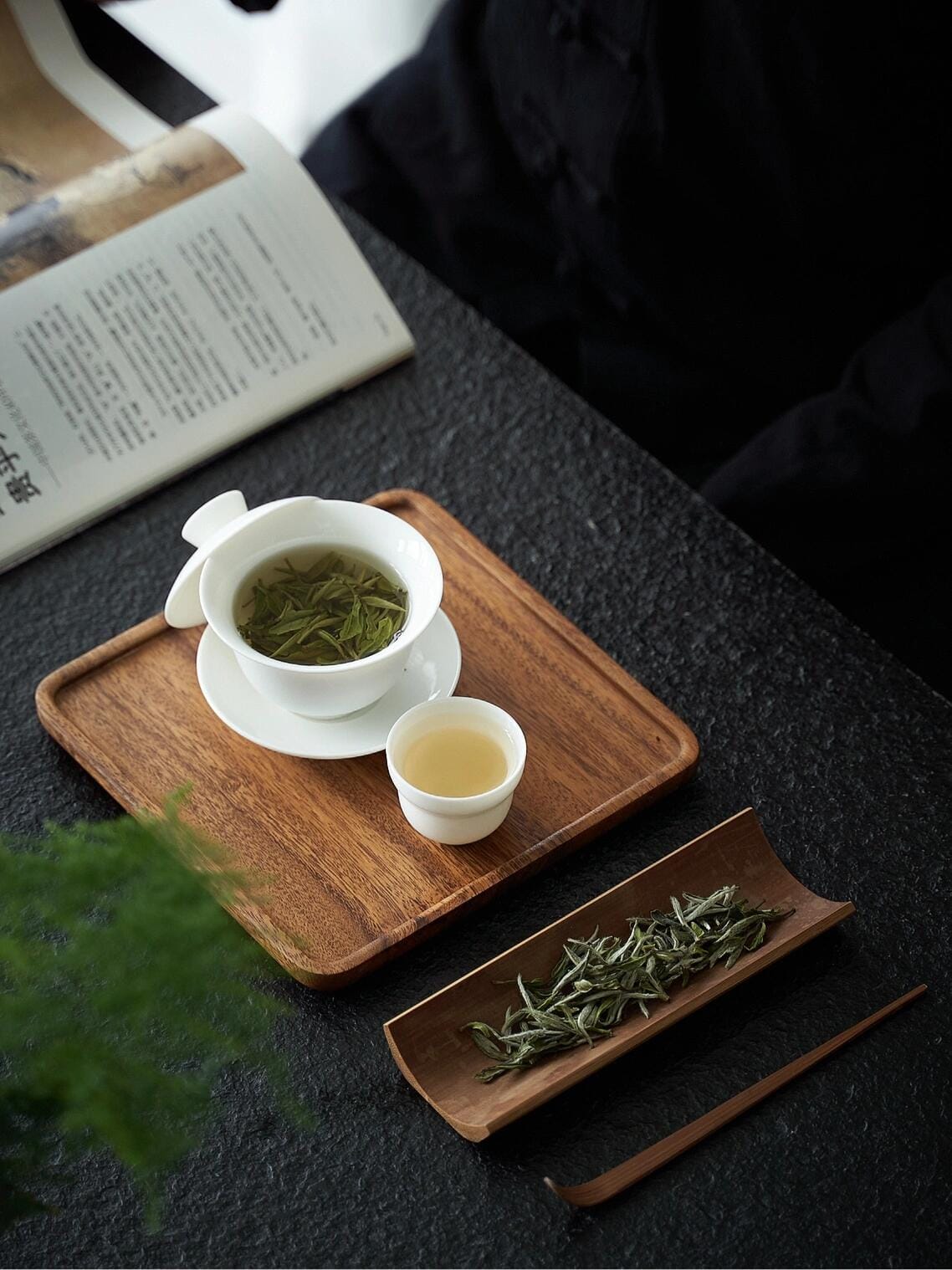
Made exclusively from plump, single buds covered in silvery pekoe. Aroma is a refined “pekoe fragrance,” reminiscent of fresh hay or reeds. The taste is brisk, fresh, and sweet. The most precious and least yielding grade.
2.Bai Mu Dan (White Peony): The Balanced Choice
Made from one bud with one or two young leaves. Offers both the pekoe fragrance of Silver Needle and the sweetness of Shou Mei, with more pronounced floral notes. A well-balanced, popular choice offering great value.
3.Gong Mei: The Traditional Definition
Traditionally made from tender shoots of native “tea bush” (Camellia sinensis var. sinensis) varieties. Market definitions are currently inconsistent; beginners can focus on the other three grades.
https://junxistea.com/product/aged-tangerine-peel-gong-mei-tea-cakes/
4.Shou Mei: The Aging Powerhouse
Primarily made from mature leaves, often with stems. The highest-yielding grade. Valued for its aging potential. Rich in sugars and pectin, it develops strong date, herbal, and aged aromas over time, with a thick, smooth, and sweet liquor—a characteristic not found in more delicate grades.
3.Demystifying “1 Year Tea, 3 Year Medicine, 7 Year Treasure”: Myth vs. Reality
This widely circulated proverb describes the trend of White Tea’s flavor and character transformation over time. The direction is accurate, but one must understand its scientific basis and prerequisites.
•Scientific Basis: White tea retains active enzymes during processing. Under suitable dry storage conditions, these enzymes continue to engage in slow oxidation, hydrolysis, and other reactions with the tea’s internal compounds (like polyphenols, amino acids, sugars), altering the proportions of flavor substances. For instance, astringent esterified catechins decrease, while soluble sugars and pectin increase relatively. Meanwhile, beneficial compounds like flavonoids have been shown to increase significantly with aging. This forms the material basis for the mellower, sweeter taste of “Aged White Tea” and its perceived health value.
•Three Key Prerequisites:
1.The Tea Itself Must Be Good: Tea made from poor raw material or with faulty processing has no aging value.
2.Storage Must Be Absolutely Correct: Requires an airtight, light-proof, dry, odor-free environment (detailed below). Improper storage leads to spoilage.
3.“Treasure” refers to drinking value and flavor appeal, not a substitute for medicine. It is a lifestyle aesthetic concerning time, patience, and flavor.
4.Aged White Tea Authentication Guide: 3 Ways to Spot Fakes
Due to the high profits in the aged white tea market, counterfeit tea (artificially aged through pile fermentation in high heat/humidity or high-temperature baking to create an aged smell) is rampant. To authenticate, use your senses comprehensively:
1.Observe the Dry Leaves & Brewed Leaves:
◦ Real Aged Tea: Natural color, often a harmonious blend of grey-green, yellowish-brown, and brown, with a glossy sheen. Brewed leaves are soft, pliable, with clear veins.
◦ Fake Aged Tea: Color is uniformly black, dull, resembling scorched or overly rusted leaves. Brewed leaves lack vitality, are brittle, with blurred veins.
2.Smell the Aroma:
◦ Real Aged Tea: Dry leaf aroma is clean, with pleasant aged, herbal, date, honey notes. The liquor and empty cup fragrance are long-lasting.
◦ Fake Aged Tea: Often has a pungent “pile-fermentation” odor, mustiness, burnt smell, or an empty, unnatural “aged” smell. The aroma is unpleasant and fleeting.
3.Taste the Liquor:
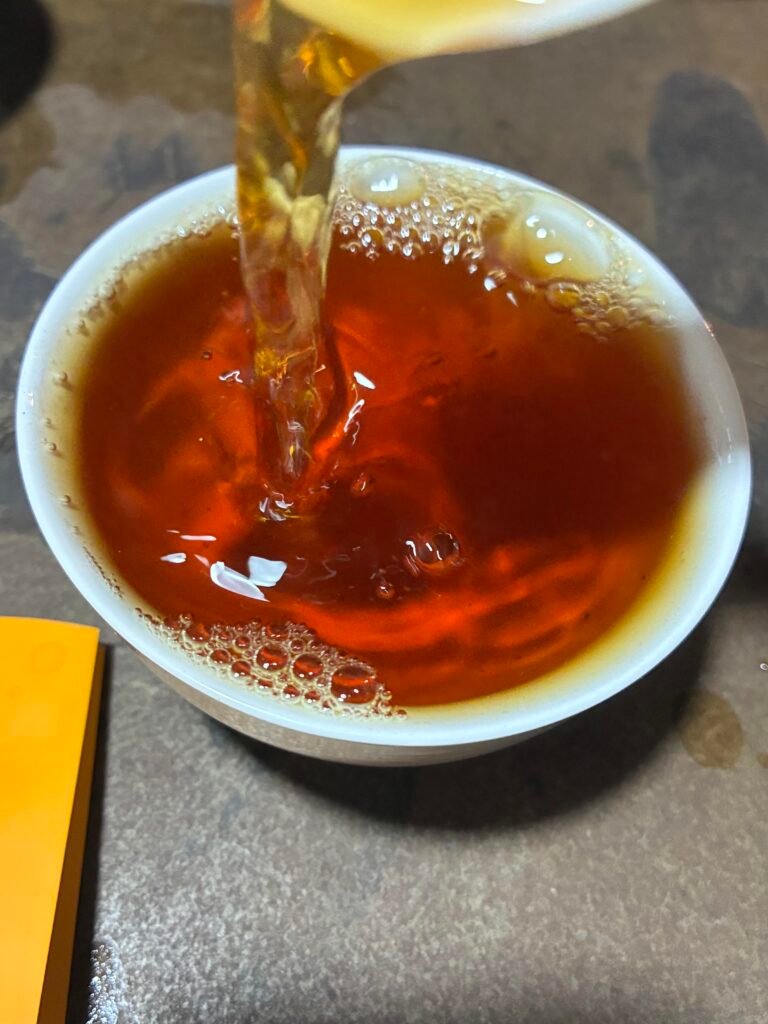
◦ Real Aged Tea: Liquor color ranges from pale yellow to deep amber, but is always clear and bright. The taste is mellow, smooth, and sweet, with a long, pleasant aftertaste and comfortable throat feel.
◦ Fake Aged Tea: Liquor may be dark but often turbid and unclear. The taste is thin, sour, astringent, or causes throat tightness, leaving the mouth and throat feeling unclean.
5.The Science of Brewing: Tailoring Temperature & Technique to the Tea
Brewing White Tea is not one-size-fits-all. The basic principle is: Respect the tenderness and age of the tea.
•New & Tender Teas (e.g., Silver Needle, White Peony):
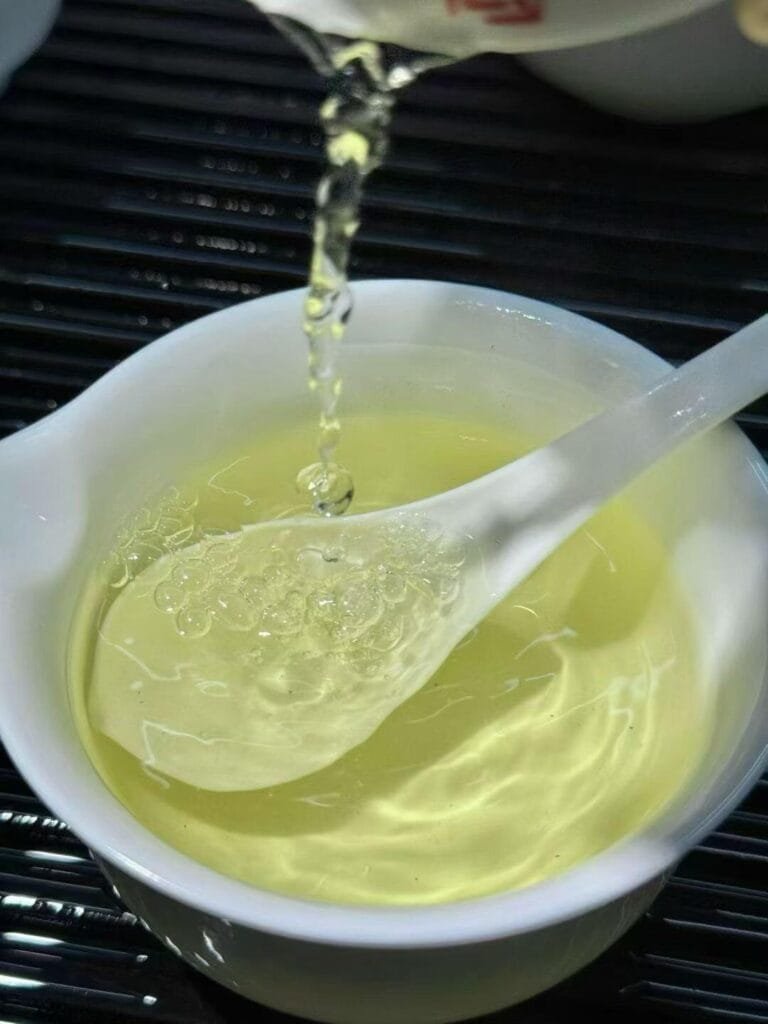
◦ Water Temperature: 85-90°C. Avoid pouring boiling water directly onto the leaves to prevent scalding, which creates a stewed flavor and destroys freshness.
◦ Method: A gaiwan is recommended. Pour hot water slowly along the side of the vessel. For the first few infusions, pour immediately; gradually increase steeping time by 5-10 seconds for later brews.
•Aged & Mature Teas (e.g., Aged Shou Mei, Vintage White Peony):
◦ Water Temperature: 100°C boiling water. High temperature is needed to fully release its deep substance and aged aromas.
◦ Method:
1. Gaiwan/Teapot Brewing: Rinse thoroughly 1-2 times with boiling water (“awakening” the tea), then brew normally, allowing slightly longer steeps.
2. Boiling Method (Highly Recommended): Use 2-3g of dry leaves, add cold water to a pot, bring to a boil, then simmer for 2-5 minutes. The liquor is extremely mellow, sweet, and rich with date/herbal aromas. An efficient method is to brew 5-6 infusions in a gaiwan first, then boil the spent leaves.
General Tea-to-Water Ratio: For gaiwan brewing, a ratio of 1:20 to 1:25 is recommended (e.g., 5g tea for 110-120ml water).
6.The Philosophy of Storage: How to Properly Store White Tea for Aging
Proper storage is the only way for white tea to achieve “improvement with age.” The core principles are: Airtight, Light-proof, Dry, Room Temperature, Odor-free. Never store white tea in the refrigerator, as fridges are humid, odorous, and the low temperature significantly inhibits enzyme activity, halting the aging process.
Three-Layer Packaging Method (Recommended):
1.Inner Layer: Food-grade aluminum foil bag to block light and moisture.
2.Middle Layer: Food-grade plastic bag for additional sealing.
3.Outer Layer: Sturdy cardboard box or odor-free metal tin for physical protection and light blocking.
Seal each layer tightly. Place the packaged tea box on a high shelf, away from floors, walls, windows, and damp, odorous areas like kitchens and bathrooms. During humid seasons, use a dehumidifier or air conditioner to keep ambient humidity below 50%.
7.Flavor Evolution & Health Secrets
•Flavor Map:
◦ New Tea (<1 year): Pekoe, floral, fresh grassy notes. Taste is crisp and brisk.
◦ Aged Tea (3-5 years): Green notes fade, giving way to lotus leaf, rice leaf, honeyed sweetness. Taste becomes mellower.
◦ Well-Aged Tea (>7 years): Prominent aged, herbal, date, cocoa aromas. Liquor is mellow, viscous, and markedly sweet.
•Health Secrets: White tea’s minimal processing preserves high levels of L-theanine (promotes relaxation and focus) and polyphenols. Research particularly notes its flavonoid content (e.g., myricetin, quercetin)—potent antioxidants whose levels increase, not decrease, during aging. Furthermore, white tea has relatively low caffeine, and its nature becomes温和 with aging, making it gentler on the stomach and suitable for more people to drink at various times.
https://www.youtube.com/watch?v=fUUzGG7choE
Conclusion: White Tea, the Taste of Silence Bestowed by Time
The popularity of White Tea may stem from a renewed appreciation for “natural,” “gentle,” and the “value of time.” It is not as overtly fresh as green tea, nor as profoundly intense as rock oolong. Its charm lies in a slowly released, introspective power.
Collecting white tea is like making a quiet pact with time. Cared for correctly, it rewards with sublimated flavor. In an era of instant gratification, learning to appreciate a cup of well-aged white tea is perhaps also practicing a precious form of patience—believing that good things are worth waiting for, and can withstand the wait. This is true for tea, and for life.