7 Surprising Benefits of Anxi Tieguanyin Oolong Tea: Your Ultimate Guide to Chinese Oolong Tea Brewing and Traditional Tea Culture

Anxi Tieguanyin is a semi-oxidized Chinese oolong tea celebrated for its distinctive orchid aroma and “Guanyin Yun” (a mineral-rich aftertaste). For Western tea enthusiasts, it is not just a beverage but a gateway to traditional Chinese tea culture. Today, we uncover 7 surprising benefits and share how to elevate your daily ritual with this remarkable leaf.
This article will take you deep into the origins, health benefits, Gongfu brewing methods, and how to choose high-quality loose leaf oolong. Whether you are a beginner or a seasoned tea drinker, you will find valuable insights and discover why our Anxi Tieguanyin tea is your best choice.
1. What Is Anxi Tieguanyin Oolong Tea?
Anxi Tieguanyin belongs to the Minnan oolong family from Anxi County, Quanzhou, Fujian. It is both a tea cultivar and a finished tea name, renowned for its tightly rolled pellets and enduring orchid fragrance.
This tea undergoes semi-oxidation, placing it between green and black teas, perfectly balancing freshness and richness. Its production involves withering, tossing, fixation, rolling, and drying, each step shaping the final aroma and taste.
1.1 The Origin and Terroir of Anxi Tieguanyin
The history of Anxi Tieguanyin dates back to the Yongzheng era of the Qing Dynasty, legendarily discovered by a tea farmer named Wei Yin. Core producing areas include Xiping, Gande, Xianghua, and Longjuan, each village’s soil and microclimate imparting distinct character to the leaves.
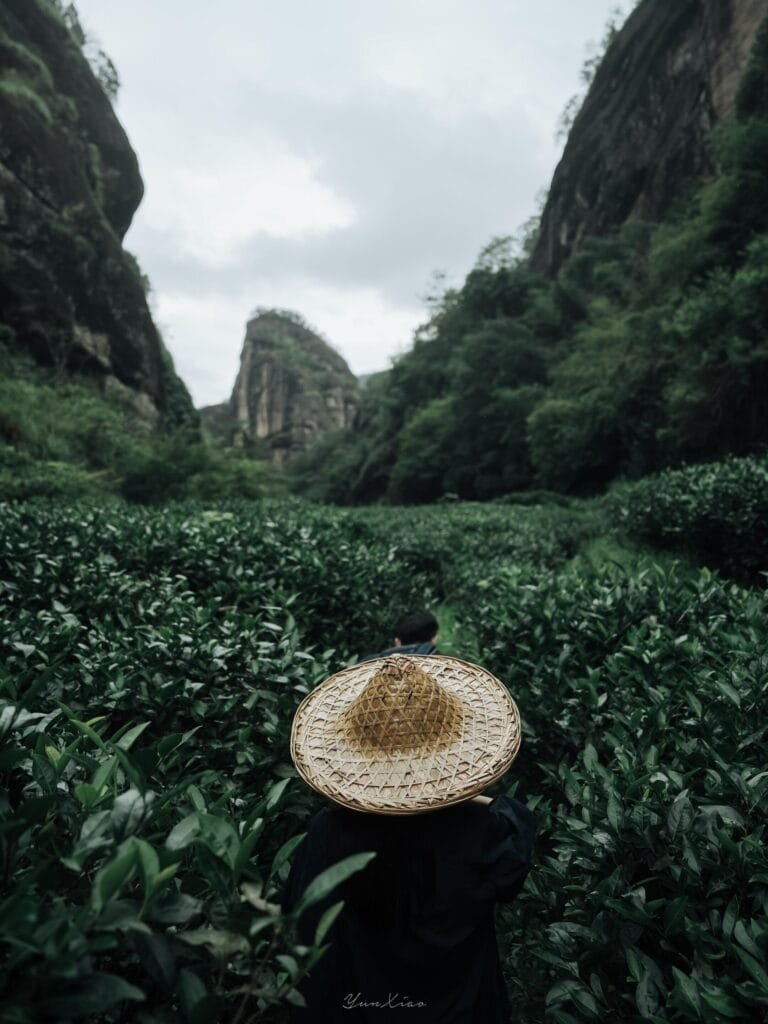
Anxi is mountainous with high elevations, frequent mist, and large diurnal temperature variations. This environment slows tea growth, allowing amino acids and aromatic compounds to accumulate, forming Tieguanyin’s unique “Guanyin Yun” — a complex blend of orchid aroma, mineral notes, and sweet aftertaste.
1.2 Why Anxi Tieguanyin Stands Out Among Chinese Oolong Teas
Among China’s many oolongs, Tieguanyin stands out for its distinct cultivar aroma and stamina of “seven infusions with lingering fragrance.” Unlike the roasted notes of Wuyi rock teas, Tieguanyin emphasizes natural floral notes and freshness, making it ideal for Western drinkers new to oolong.
Moreover, Tieguanyin comes in three main styles: qingxiang (light), nongxiang (roasted), and chenxiang (aged), catering to a spectrum from delicate to robust palates. This versatility makes it a star on global tea tables.
2. 7 Surprising Health Benefits of Anxi Tieguanyin Oolong Tea
Numerous studies indicate that regular oolong tea consumption offers various health advantages. Anxi Tieguanyin, due to its unique processing and rich polyphenol content, provides some surprising benefits often overlooked by casual drinkers.
2.1 Antioxidant Powerhouse for Youthful Skin
Tieguanyin is packed with tea polyphenols and catechins, antioxidants that neutralize free radicals and slow skin aging. Regular consumption can help reduce fine lines and maintain skin elasticity, giving you a healthy glow from within.
A study even suggests that antioxidants in oolong tea can protect skin from UV damage, acting as an internal sunscreen. Combined with topical skincare, the effects are amplified.
2.2 Weight Management and Metabolism Boost
If you’re looking for a natural way to support weight management, Anxi Tieguanyin could be your ally. It contains caffeine and polymerized polyphenols, which have been shown to increase fat oxidation and energy expenditure.
Drinking several cups daily can help you burn more fat during exercise while providing steady energy without sugar crashes. It’s a far healthier alternative to sugary drinks.
2.3 Heart Health and Cholesterol Control
Heart disease is the leading cause of death worldwide, and diet plays a crucial role. The tea polyphenols in Tieguanyin help lower LDL (bad) cholesterol and raise HDL (good) cholesterol, promoting cardiovascular health.
Populations with long-term oolong consumption show lower rates of hypertension and arteriosclerosis. Of course, it’s not a substitute for medication, but as part of a healthy lifestyle, it’s a loving cup.
2.4 Stress Relief and Mental Clarity
In hectic Western lives, a hot cup of tea can be an anchor for mindfulness. Tieguanyin contains L-theanine, an amino acid that promotes relaxation without drowsiness, synergizing with small amounts of caffeine to enhance focus and calm.
Many tea lovers report that drinking Tieguanyin in the afternoon helps them overcome energy slumps while reducing anxiety. It’s a gentler cognitive boost than coffee.
2.5 Digestive Aid and Gut Health
A cup of Tieguanyin after meals is a traditional Chinese custom; it helps break down fatty foods and stimulates digestive enzymes. For Western families who enjoy hearty dinners, it’s a perfect after-dinner companion.
Furthermore, tea polyphenols have antibacterial properties that support a balanced gut microbiome. Since gut health is closely linked to overall immunity and mood, this cup’s impact extends far beyond your stomach.
For those concerned about blood sugar levels, polysaccharides and tea polyphenols in Tieguanyin may help slow carbohydrate absorption, preventing sharp spikes after meals. This is good news for pre-diabetics or those managing diabetes, but always consult your doctor.
Some preliminary studies suggest that daily oolong consumption can improve fasting blood glucose levels. Combined with a balanced diet, it may become a helpful ally in managing blood sugar.
2.7 Immune System Support
During flu season or high-stress periods, a robust immune system is vital. Tieguanyin is rich in vitamins C and E, along with various minerals, which work together to strengthen the body’s defenses.
The antioxidants in tea also reduce systemic inflammation, a root cause of many chronic diseases. Enjoying several cups daily is like giving your immune system a daily workout.
3. How to Brew Anxi Tieguanyin Using Gongfu Tea Method
To truly appreciate Tieguanyin’s aroma and taste, the traditional Gongfu tea method is best. This approach uses a small pot or gaiwan, a high leaf-to-water ratio, and quick infusions to fully reveal the tea’s evolving layers.
Gongfu tea is not just a brewing technique; it’s a philosophy of slow living. It invites you to focus on the present, appreciate the dance of leaves in water, and savor the subtle differences each infusion brings.
3.1 Essential Chinese Tea Sets for Gongfu Brewing
A proper tea set greatly enhances your Gongfu experience. The essentials include: a white porcelain gaiwan (110-150ml), a fairness pitcher, tasting cups, and a tea tray. The gaiwan doesn’t absorb aroma, faithfully presenting Tieguanyin’s orchid fragrance.
For beginners, we recommend Junxistea’s gaiwan sets, which include everything needed and come with detailed instructions. High-quality teaware is not only functional but also a piece of art on your tea table.
3.2 Step-by-Step Brewing Guide
First, preheat the gaiwan and cups with boiling water; this cleans the ware and raises temperature. Then, add 7-8g of Tieguanyin into the gaiwan, filling about one-third to half.
Pour in 95-100°C water (use slightly lower for qingxiang style), immediately discard the first infusion—this is “rinsing the tea,” awakening the leaves. Then, pour water again, steep for 5-15 seconds, and quickly decant into the fairness pitcher, then into small cups for tasting.
Early infusions should be quick; later ones can be extended by 5-10 seconds each. High-quality Tieguanyin can yield 7-10 infusions, each revealing different aromas and tastes.
3.3 Common Mistakes to Avoid When Brewing Oolong
Many Western drinkers are used to large mugs with tea bags, but brewing Tieguanyin this way misses its essence. Avoid steeping in a thermos, which causes bitterness and masks delicate aromas.
Another common mistake is using water that’s too cool. Oolong needs higher temperatures to unlock aromas, especially roasted styles. Ensure water is fully boiling and fine-tune based on tea type.
4. Choosing the Best Loose Leaf Oolong: A Buyer’s Guide
Buying Anxi Tieguanyin overseas can be confusing with so many options. Knowing key indicators helps you find truly high-quality leaves and avoid inferior or fake products.
4.1 Qingxiang vs. Nongxiang: Which Style Suits You?
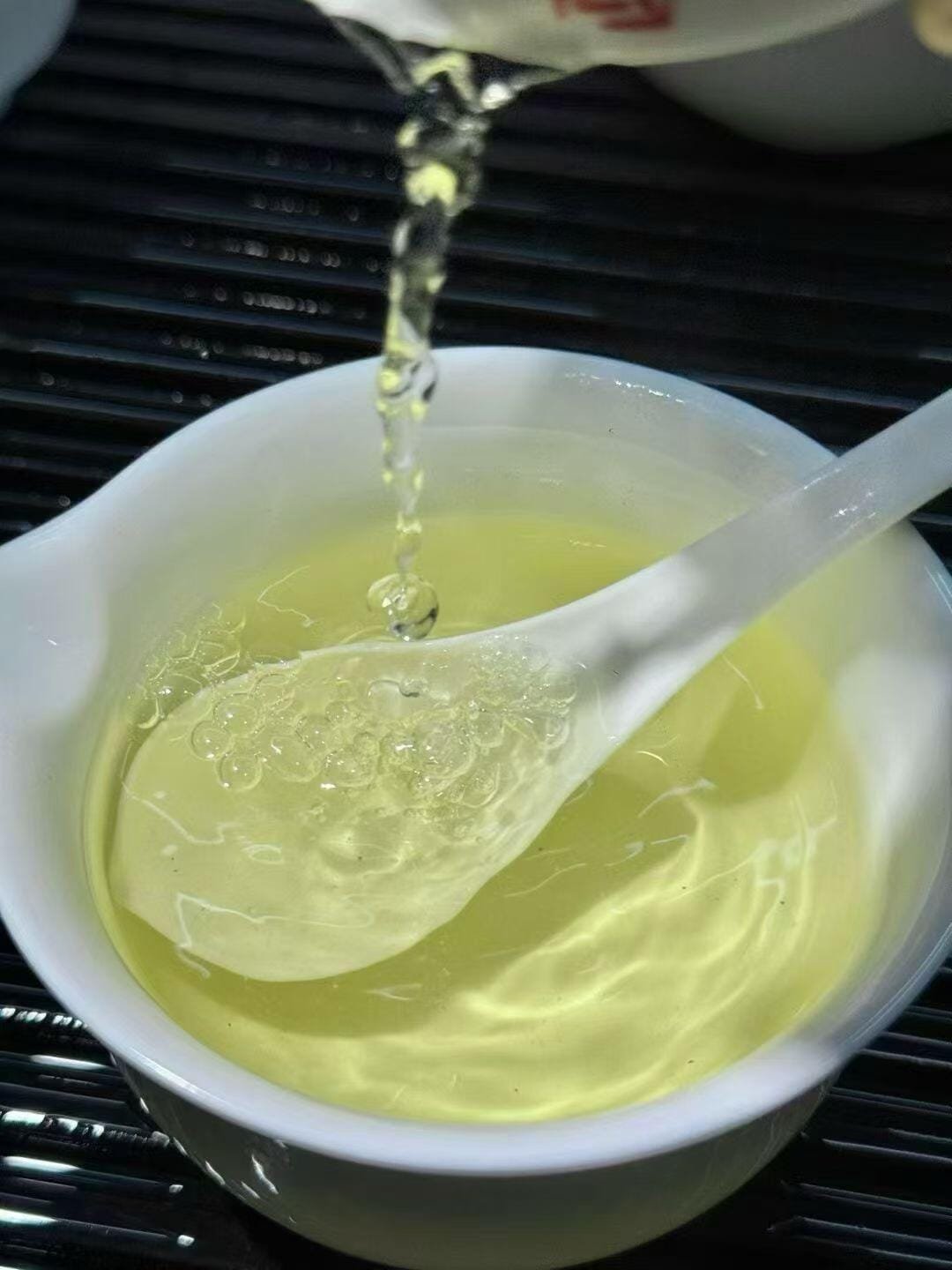
Qingxiang Tieguanyin is lightly oxidized, sandy green in color, with pale yellow liquor and pronounced orchid aroma, fresh and crisp on the palate. It suits those who prefer light, floral teas, especially those transitioning from green tea.
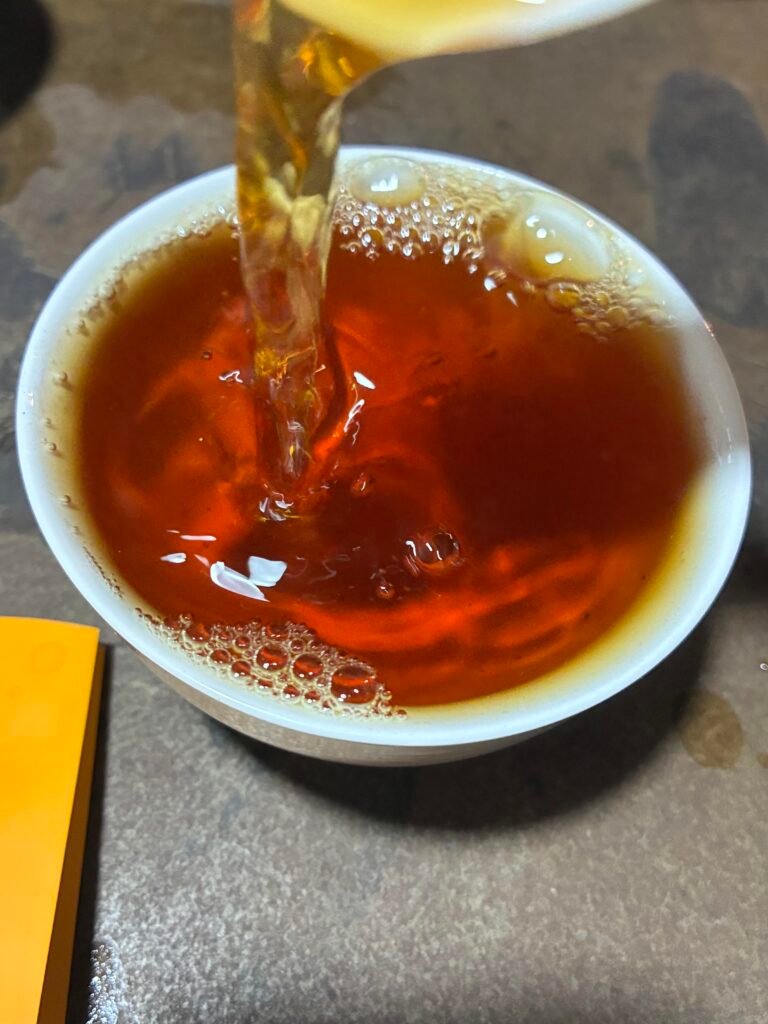
Nongxiang undergoes more oxidation and roasting, with dark brown dry leaves, golden liquor, roasted grain and caramel notes, and a mellow body. It suits seasoned tea drinkers who enjoy depth and complexity, or when pairing with rich foods.
4.2 How to Spot Authentic Anxi Tieguanyin
Authentic Tieguanyin pellets are tight and heavy, with a sandy green luster (qingxiang) or dark brown luster (nongxiang). Infused leaves are soft, thick, with red edges. Aroma is natural and lasting, not a sharp chemical scent.
When purchasing, look for vendors clearly stating “originating from Anxi” with specific village details. Junxistea sources directly from origin, providing traceable, high-quality Tieguanyin for your peace of mind.
5. Traditional Chinese Tea Ceremony and Mindfulness
Tea in China is not just a beverage; it’s a ritual connecting people and nature. The Gongfu tea ceremony emphasizes respect, harmony, and tranquility, aligning perfectly with Western mindfulness practices.
By setting aside time daily to brew tea, you create a pause space for thoughts to settle and sensory experiences to take center stage. It’s a simple yet effective self-care ritual that enhances overall well-being.
5.1 The Philosophy Behind Gongfu Tea
Gongfu tea literally means “tea made with skill and time.” It teaches patience and meticulousness; each infusion demands full attention. This focus trains the mind, helping one find balance in a fast-paced life.
The arrangement of teaware, control of water flow, and appreciation of liquor are forms of meditation. In this process, you are not just brewing tea; you are brewing your mind.
5.2 Creating a Serene Tea Ritual at Home
You don’t need an elaborate space; just a quiet corner, a simple tea set, and quality leaves. Spend 15 minutes each morning or afternoon brewing a pot of Tieguanyin, watching the aroma rise and feeling the warmth as liquor glides down your throat.
Inviting friends to share this cup can deepen conversations, free from digital distractions. It’s a simple way to return to genuine connection, a lifestyle Junxistea advocates.
6. Why Junxistea’s Anxi Tieguanyin Is the Best Choice
At Junxistea, we personally visit core Anxi tea gardens, partnering with experienced farmers to ensure every batch meets the highest standards. We offer authentic qingxiang and nongxiang Tieguanyin to suit diverse palates.
Our teas are crafted using traditional methods, from plucking to roasting, each step meticulously controlled by artisans. Packaging is both beautiful and functional, ensuring freshness upon arrival.
6.1 Our Sourcing and Artisan Craftsmanship
We insist on small-batch sourcing, selecting only premium spring and autumn materials. Farmers follow ancient methods, hand-picking one bud and two leaves to ensure tenderness and uniformity. This attention to detail makes every cup vibrant.
Roasting is the soul of Tieguanyin; our masters, with decades of experience, precisely control heat to bring out perfect aromas without scorching. It’s a blend of science and art.
6.2 Pairing Teaware for the Ultimate Experience
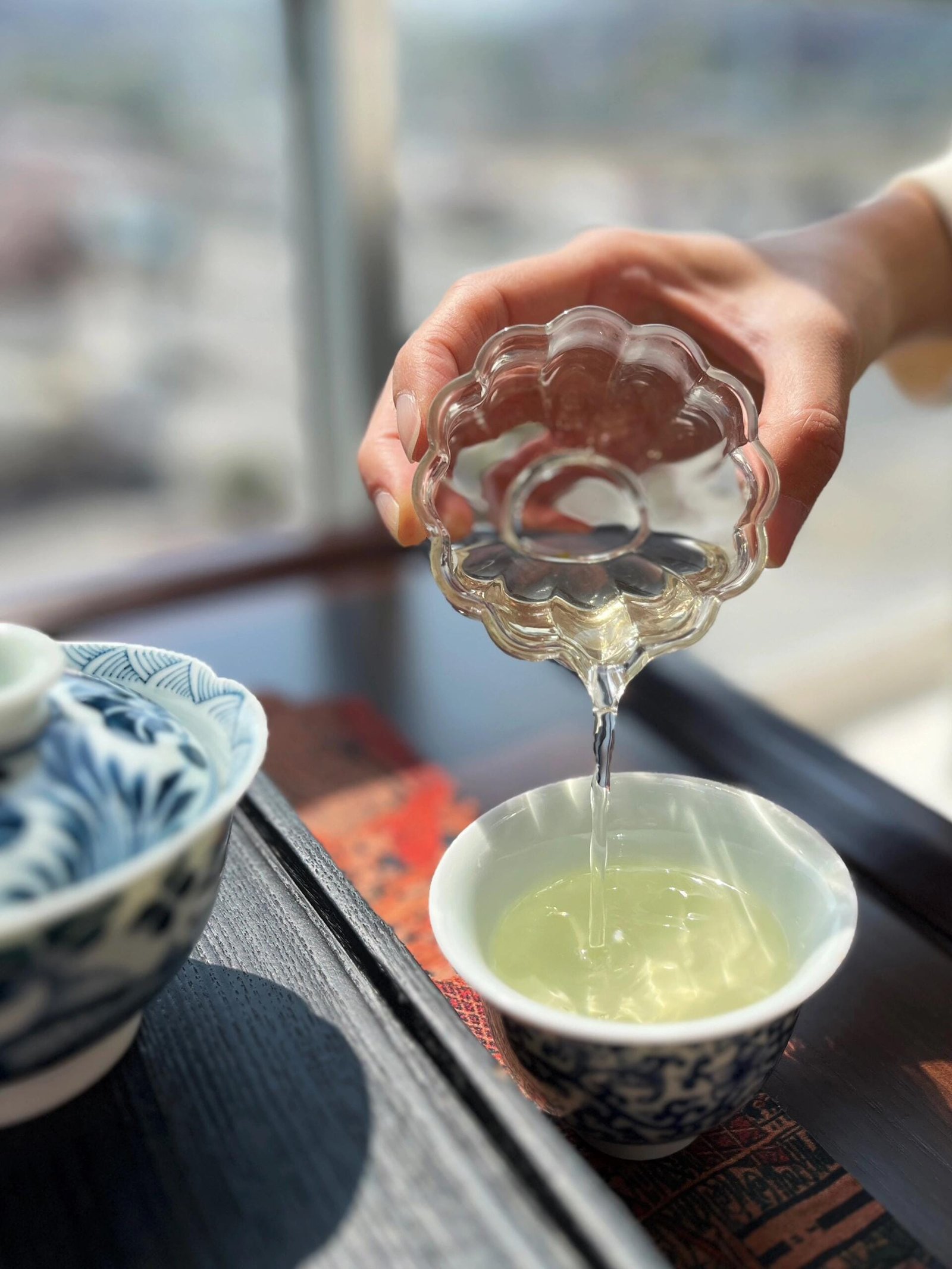
To fully unleash Tieguanyin’s charm, we recommend pairing with a white porcelain gaiwan and glass fairness pitcher. Porcelain truthfully reflects aroma, while glass allows you to admire the golden liquor. Junxistea offers various sets, perfect gifts for tea lovers.
7. Frequently Asked Questions About Anxi Tieguanyin
Can I cold brew Tieguanyin?
While traditionally brewed hot, Tieguanyin can also be cold brewed. Place 5g leaves in 500ml cold water, refrigerate for 6-8 hours for a sweeter, less astringent liquor. It’s a great summer option.
How much caffeine does Tieguanyin contain?
Tieguanyin has moderate caffeine, between green and black tea, roughly 30-50mg per cup. Safe for most, but sensitive individuals should avoid evening consumption.
How to store Tieguanyin to maintain freshness?
Qingxiang should be sealed and refrigerated (0-5°C); nongxiang can be stored airtight at room temperature away from light. Keep away from strong odors and consume promptly for best flavor.
Conclusion
Anxi Tieguanyin oolong tea is more than just a tea; it’s a crystallization of history, art, and wellness. Through this article, you’ve learned about its 7 surprising benefits, proper brewing methods, and how to choose high-quality loose leaf oolong. Now, it’s time to bring this Eastern wisdom into your life.
Visit Junxistea.com to explore our curated Anxi Tieguanyin and teaware sets. Let every cup become a serene moment in your daily life, experiencing the charm of traditional Chinese tea culture.