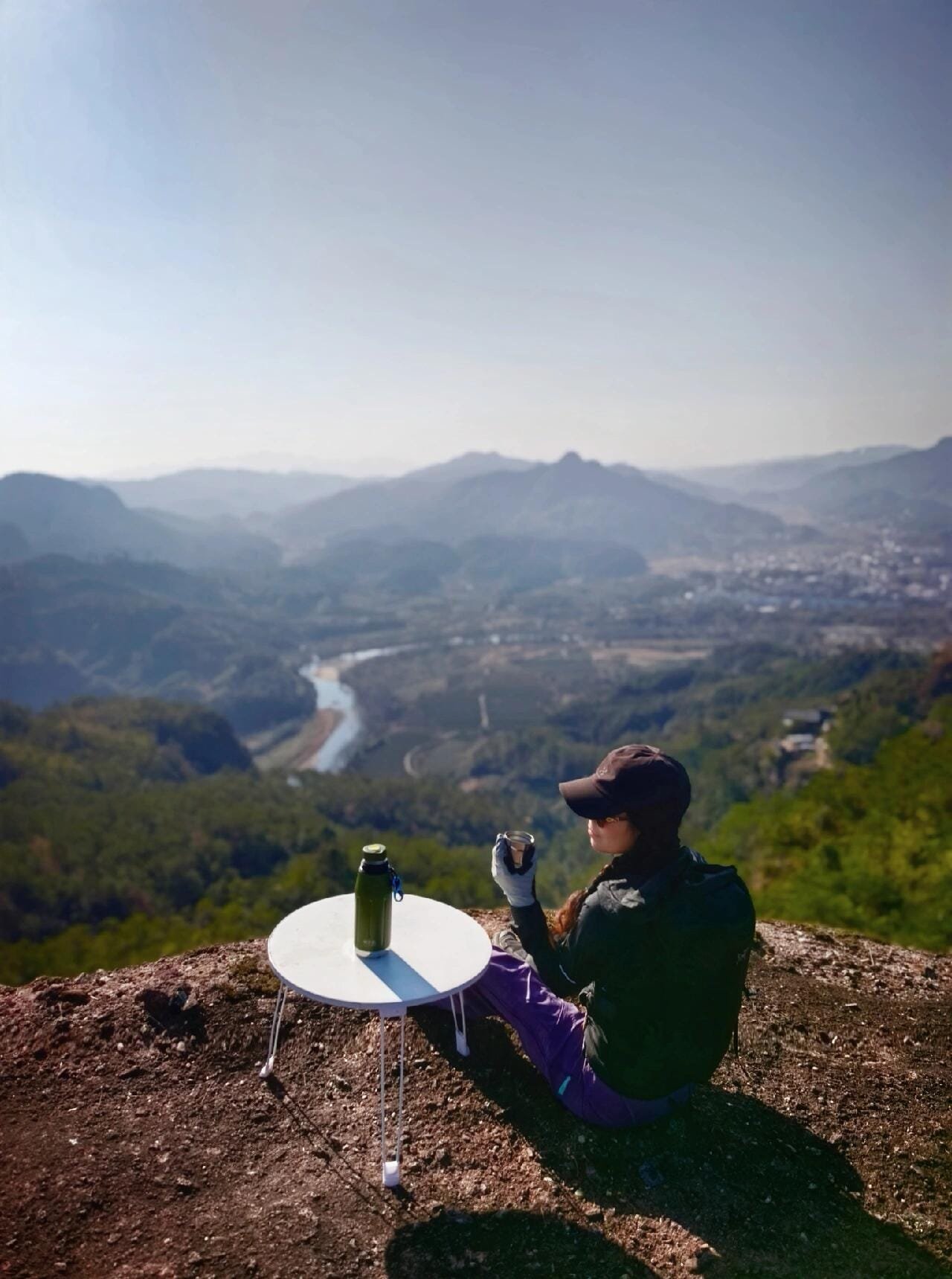
Sanyang Peak Rou Gui Oolong: 7 Practical Tips to Taste Wuyi’s Highest Cinnamon Aroma and Rock Bone

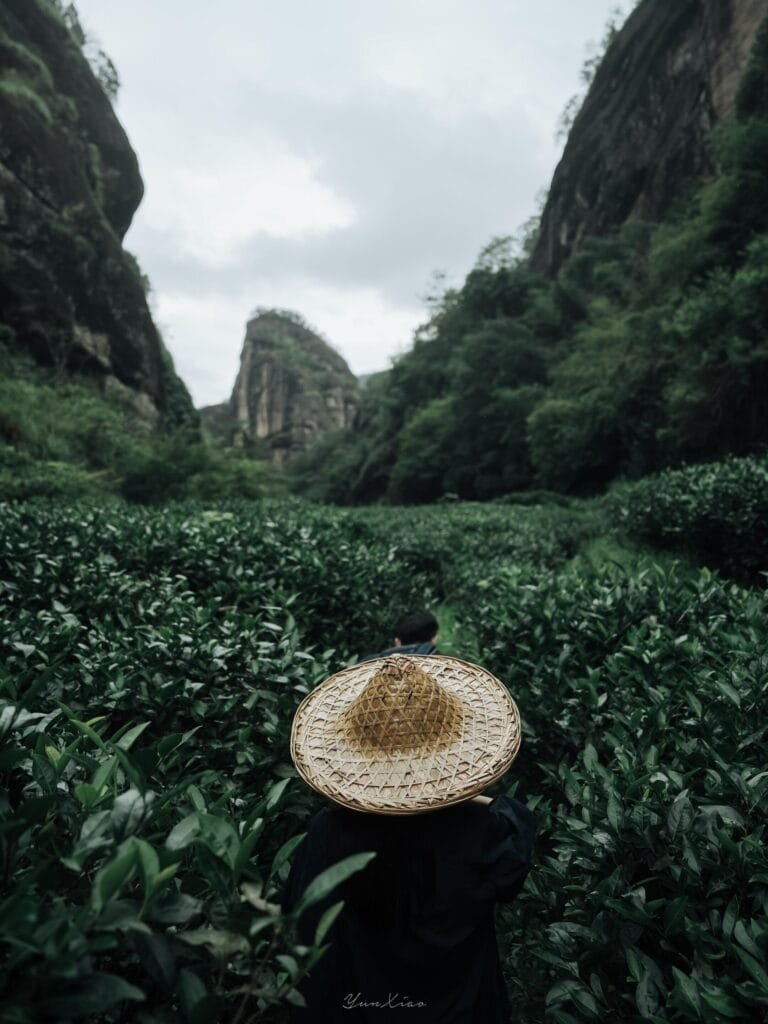
Sanyang Peak is the highest cluster inside the Wuyi scenic core, with Big Yang, Middle Yang, and Small Yang arranged north to south, and it does not behave like Niulankeng or Matouyan. It avoids the closed softness of pits and streams, yet it also avoids the raw punch of open sunny rocks. High elevation, cloud lines, and gravelly sand soil make Rou Gui “high but not floating, spicy but not harsh.” This guide covers terroir, processing, brewing, and buying so you can make real Zhengyan cinnamon oolong at home in Europe or the US, with cassia aroma sinking into the liquor and rock minerality lingering in the cooled cup.
1. What Is Sanyang Peak Rou Gui Oolong and Its Wuyi Rock Tea Terroir
Sanyang Peak Rou Gui Oolong belongs to Wuyi rock tea, a semi-oxidized Chinese oolong made from the Rou Gui cultivar. Rou Gui is an asexual medium-leaf shrub cultivar, strongly associated with cinnamon-bark aroma, and in Wuyi it is usually processed through withering, tossing, fixation, rolling, and charcoal roasting . At Sanyang Peak, the same cultivar takes on a cleaner, higher-toned character than the narrow-pit style.
The term Wuyi rock tea terroir matters here because Zhengyan core soil is mostly weathered sandstone and gravel with good drainage. Around Sanyang, slope terraces and high-rock sand mix with humus, so roots meet minerals without sitting in wet clay. That soil profile is a big reason the tea shows “rock bone” instead of only floral top notes.
1.1 Where Sanyang Peak Sits Among Wuyi Rock Tea Terroir Names
Most buyers know “three pits and two streams” — Niulankeng, Huiyuan, Daoshui, Liuxiang, Wuyuan — because those names sound romantic. Sanyang Peak is a peak/rock type site, more open than a pit, cooler and mistier than a pure sunny ridge, which changes how cinnamon aroma develops . Think of it as the high balcony of Zhengyan: more air, more cloud, still full rock minerals.
Use Sanyang Peak Rou Gui Oolong when you want cinnamon spice but not the aggressive “shout” of some sunny-ridge teas. It suits drinkers who find light Tieguanyin too delicate and find heavy roasted commercial cinnamon too smoky.
2. Sanyang Peak Microclimate: Why It Is High But Not Floating, Spicy But Not Harsh
Sanyang’s three peaks create layered shade. Morning sun hits one slope, midday cloud cuts direct light, and evening cooling keeps sugars and aromatics in the leaf. High ground means more mist, slower photosynthesis, and longer hang time for the bud and two leaves.
Soil is the second half of the story. Weathered danxia rock breaks into sandy grit, humus fills the gaps, and water drains through instead of pooling. Tea roots in this mix take up potassium, magnesium and trace minerals that read as “rock rhyme” on the palate .
Big diurnal range is why Sanyang Peak Rou Gui Oolong stays spicy yet round. Warm days build cinnamic top notes; cool nights slow respiration so the liquor keeps sweetness. You taste pepper-cinnamon first, then orchid or peach, then a mineral finish rather than pure heat.
2.1 Practical Meaning of Gravel Soil and Diffused Light for Sanyang Peak Rou Gui Oolong
Gravel soil does not mean “more flavor automatically.” It means faster drainage, cooler root zone, and steadier mineral uptake, so the tea can be roasted lighter without turning thin. With diffused light, chlorophyll stays healthy and aroma precursors accumulate instead of burning off.
For home buyers, this explains a simple rule: Sanyang samples labeled “light roast” should still feel thick, not grassy. If a light-roast cinnamon tastes hollow, the problem is usually field blend or under-processing, not the peak name.
3. Rou Gui Cultivar and Wuyi Process: From Tossing to Roasting
Rou Gui as a cultivar gives natural cassia oil notes; process decides whether those notes become flower, fruit, cream, or pure bark spice. Withering softens the leaf, tossing (doing green) bruises edges and builds aroma, fixation stops enzyme activity, rolling shapes the strip, and roasting sets the final yan yun .
Doing green is where Sanyang Peak Rou Gui Oolong finds balance. Too little tossing leaves it green and sharp; too much pushes it into heavy fruit and loses the clean peak tone. Skilled makers read weather, leaf moisture, and cinnamon variety response rather than following a fixed timer.
3.1 Light, Medium, and Full Roast: What Each Shows in Sanyang Peak Rou Gui Oolong
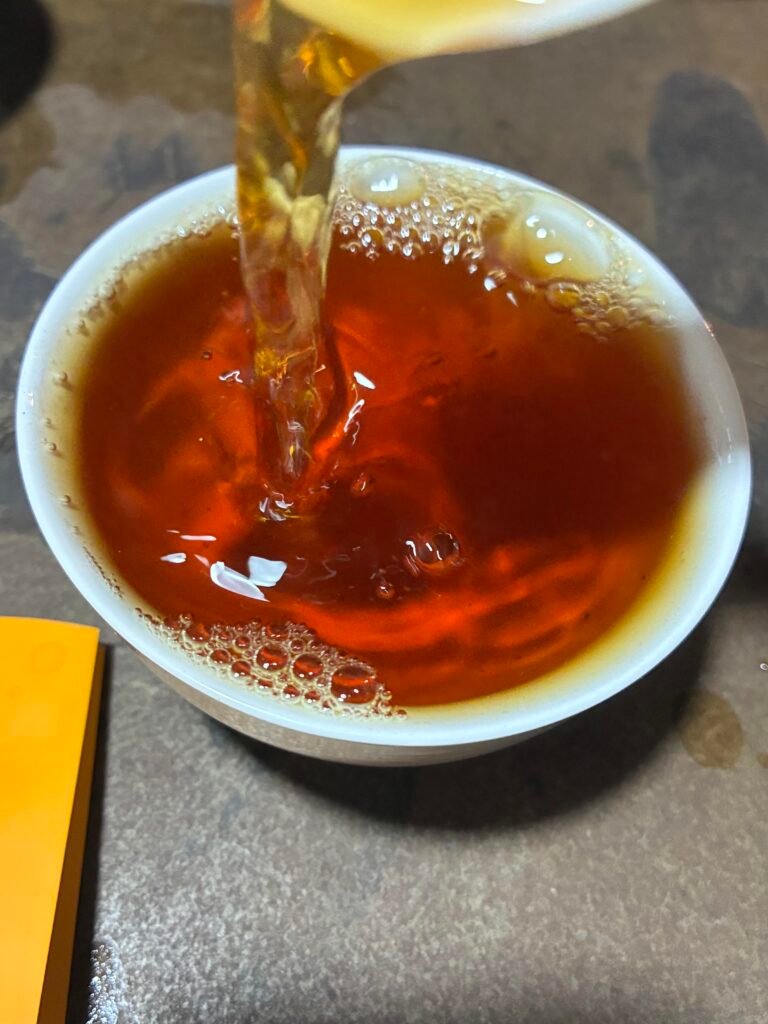
Light roast keeps more orchid and fresh cassia. Dry leaf looks dark olive to brownish; liquor is pale orange. This style fits new oolong drinkers because the spice is clear but not smoky, and the rock note appears as a cool mineral aftertaste.
Medium roast is the most balanced for Sanyang. Cassia stays forward, peach or cream appears by the third cup, and the body turns silky. Most buyers who want “best Chinese oolong tea” for daily gongfu should start here.
Full roast gives caramel, deep wood, and long sweet finish. It is not “stronger” in a caffeine sense; it is deeper and warmer, good for winter, rich food, and people who like aged oolong tones. Use slightly cooler restart water and longer rests in late infusions.
4. 7 Gongfu Tea Brewing Method Tips to Get Sinking Aroma from Sanyang Peak Rou Gui Oolong
Use a 110–130 ml white porcelain gaiwan for Sanyang Peak Rou Gui Oolong. Porcelain does not absorb aroma, so cassia, orchid, and rock mineral all read true . Avoid huge mugs and paper filters; they flatten the changing aroma across infusions.
Tip 1: boil full, not “just hot.” Cinnamon oolong needs near 100°C to open baked leaf. Preheat the gaiwan and cups so the first infusion extracts evenly instead of shocking the leaf .
Tip 2: dose 5–8 g for 110 ml, 7–8 g for 120–130 ml. Sanyang light roast can take 5–6 g if you dislike strength; medium and full roast use 7–8 g for proper concentration.
Tip 3: rinse quickly, do not steep. Pour boiling water, swirl, discard in 3–5 seconds. This warms leaf, removes furnace dust, and “wakes” cassia without extracting bitterness.
Tip 4: first infusions 5–10 seconds. For Sanyang Peak Rou Gui Oolong, 5 seconds is enough if leaf is fine and roast is medium-full; 8–10 seconds suits light roast and larger leaf. Quick pour protects the silky body .
Tip 5: by infusions 3–5, extend to 15–20 seconds. This is where “falling-into-water aroma” shows: cassia not only on the lid but in the sip, returning from the throat. Do not rush; let the peak terroir speak.
Tip 6: later infusions sit 30–60 seconds. Good Zhengyan Sanyang can give 7–9 quality cups. If it goes hollow at cup 4, the leaf is likely blended or under-fired, not a peak problem.
Tip 7: smell the cooled lid and empty cup. Real Sanyang Peak Rou Gui Oolong leaves cassia plus mineral after the liquor is gone. If the cooled cup smells only generic toast or nothing, roast is covering weak terroir.
5. Sanyang Peak vs Niulankeng vs Matouyan: Do Not Confuse Them When You Buy Wuyi Cinnamon Oolong
Niulankeng “beef” grows in a narrow shaded pit with stream moisture, so Rou Gui tends fine, sweet, and rounded rather than loud . It is famous and pricey; expect floral cassia, soft rock cream, and very long sweet finish.
Matouyan “horse meat” includes open ridges such as Kaishanping and cooler pockets such as Taoshuwo, so it ranges from bold and sunny to softer valley style . General Matou Rou Gui is more extroverted: bigger cassia hit, stronger first impression, sometimes sharper tannin.
Sanyang Peak Rou Gui Oolong sits between them with its own height. Compared with Niulankeng it is clearer and more aromatic; compared with open Matouyan it is less sunburn-bold and more mineral-cool. Describe it to new buyers as “cinnamon with mountain air.”
Do not believe “highest peak equals strongest.” Height slows growth and adds finesse, not brute power. Ask sellers for plot, roast, pluck date, and sample before buying full cakes or tins.
6. How to Buy Wuyi Cinnamon Oolong Without Getting Trapped
Check dry leaf first. Quality Sanyang Peak Rou Gui Oolong has tight twists, oily sheen, and even color for its roast level. Light roast looks sandy-dark green-brown; medium looks brown-black; full looks near-black with slight oil, never grey dusty.
Smell without brewing. Natural cassia leads; roast should support, not bury. If you get only smoke, burnt sugar, or perfume-clean “cinnamon candy,” be careful — heavy fire can hide ordinary leaf .
Brew a test portion. Real Zhengyan shows aroma on lid, in cup, in swallowed return, and in spent leaf. Hollow aroma, quick bitterness, or astringency that never softens are warning signs.
Ask origin details. “Wuyi Rou Gui” alone is not enough; “Sanyang Peak, Zhengyan, specific plot, harvest season, roast level” is the minimum for serious purchase. JunxiTea lists these fields so you do not buy a name, you buy a traced tea.
Avoid absurd prices. Sanyang is not as scarce as top Niulankeng, but genuine Zhengyan output is limited. Very cheap “peak cinnamon” in huge bags usually means outer-mountain blend or nearby non-core fields sold under the famous name.
7. Storage and Re-Roasting for Sanyang Peak Rou Gui Oolong at Home
Seal the tea. Use an opaque tin or aluminum-zip bag, squeeze air, keep away from kitchen odors, sunlight, and humidity. Wuyi rock tea terroir expresses best when the leaf stays clean, not when it “absorbs spices.”
Light and medium roast drink well after 1–2 weeks rest post-purchase; very fresh high-fire tea can taste closed, so rest 2–4 weeks. If it smells green after months, it may be under-fired; if it smells flat and sour, storage failed.
Re-roast only if you know the curve. Home ovens are risky; low oven 70–80°C for short warming can refresh stale medium roast, but do not turn light tea into burnt tea. For full restoration, ask a Wuyi roaster or buy freshly fired stock from JunxisTea.
8. Teaware Pairing and Where to Buy Wuyi Cinnamon Oolong from JunxisTea
A white gaiwan remains the best teacher for Sanyang Peak Rou Gui Oolong. Add a fairness pitcher, two or four tiny cups, and a tray. Glass pitcher shows orange liquor; porcelain keeps aroma honest; no flavored clay pots for first tastings.
For travel, use a 100–120 ml double-wall porcelain brewer with quick drain. Same ratios, same boiling water, shorter rests; you lose some romance but keep cassia and rock finish in an office or hotel.
JunxisTea sources Sanyang Peak lots by plot and roast, not by marketing label. We offer light sample packs for aroma hunters, medium tins for daily gongfu, and full-roast small batches for cold-weather depth. Every lot ships with dry-leaf photo, roast date, and brewing card.
If you are building a first Wuyi cart, start with one medium Sanyang Rou Gui, one light Tieguanyin-style oolong for contrast, and one porcelain gaiwan set. That trio teaches rock terroir, flower oolong, and gongfu control without overspending.
9. FAQs on Sanyang Peak Rou Gui Oolong and Gongfu Brewing
Can I cold brew Sanyang Peak Rou Gui Oolong? Yes, but it is not traditional. Use 5 g leaf to 500 ml filtered water, refrigerate 6–8 hours. Cold brew reduces spice and shows sweet orchid-mineral; better with light-medium roast than full roast.
Is it very caffeinated? Wuyi oolong sits between green and black, roughly moderate per small gongfu cup because you drink tiny portions. Sensitive drinkers should avoid late-night full-roast infusions.
Why does my first cup taste bitter? Usually too much leaf, too long steep, or low water temperature followed by over-extraction later. Use boiling water, 5–8 g per 120 ml, and pour within 5–10 seconds for early cups.
Serve Sanyang Peak Rou Gui Oolong and Let the Cup Speak
The risk in buying rock tea is chasing famous labels instead of flavor. Sanyang Peak wins differently: not by Niulankeng hype, not by Matouyan punch, but by elevation, cloud, and gravel turning Rou Gui into “spicy yet sweet, aroma sunk in the liquor, rock minerality in the cooled cup.” A good Sanyang session opens floral, deepens cassia, and ends sweet; with a white gaiwan and boiling water it brings Wuyi’s highest quiet confidence to your table.
At JunxiTea we list only traced plots, sample-friendly packs, and roast-specific Sanyang Peak Rou Gui Oolong. You do not need full terroir jargon to drink it right: start with a medium-roast sample, brew with the seven gongfu tips above, move to light if you want more flower, or full if you want more depth. Great rock tea does not impress by shouting; it impresses by the calm it leaves after the last cup. This Sanyang Peak lot deserves a place in your regular tea shelf.
https://junxistea.com/product/wuyi-sanyangfeng-rougui/
https://youtube.com/shorts/ovCJWWMgEgs