High-Quality Chinese Tea & Teaware.We focus on authentic flavors. Every tea is sourced from the best farms and made by experienced artisans to keep the complex taste. Our teaware combines beauty and practicality. Discover the essence of traditional tea culture with us. DismissSkip to content
$238.00Original price was: $238.00.$210.00Current price is: $210.00.
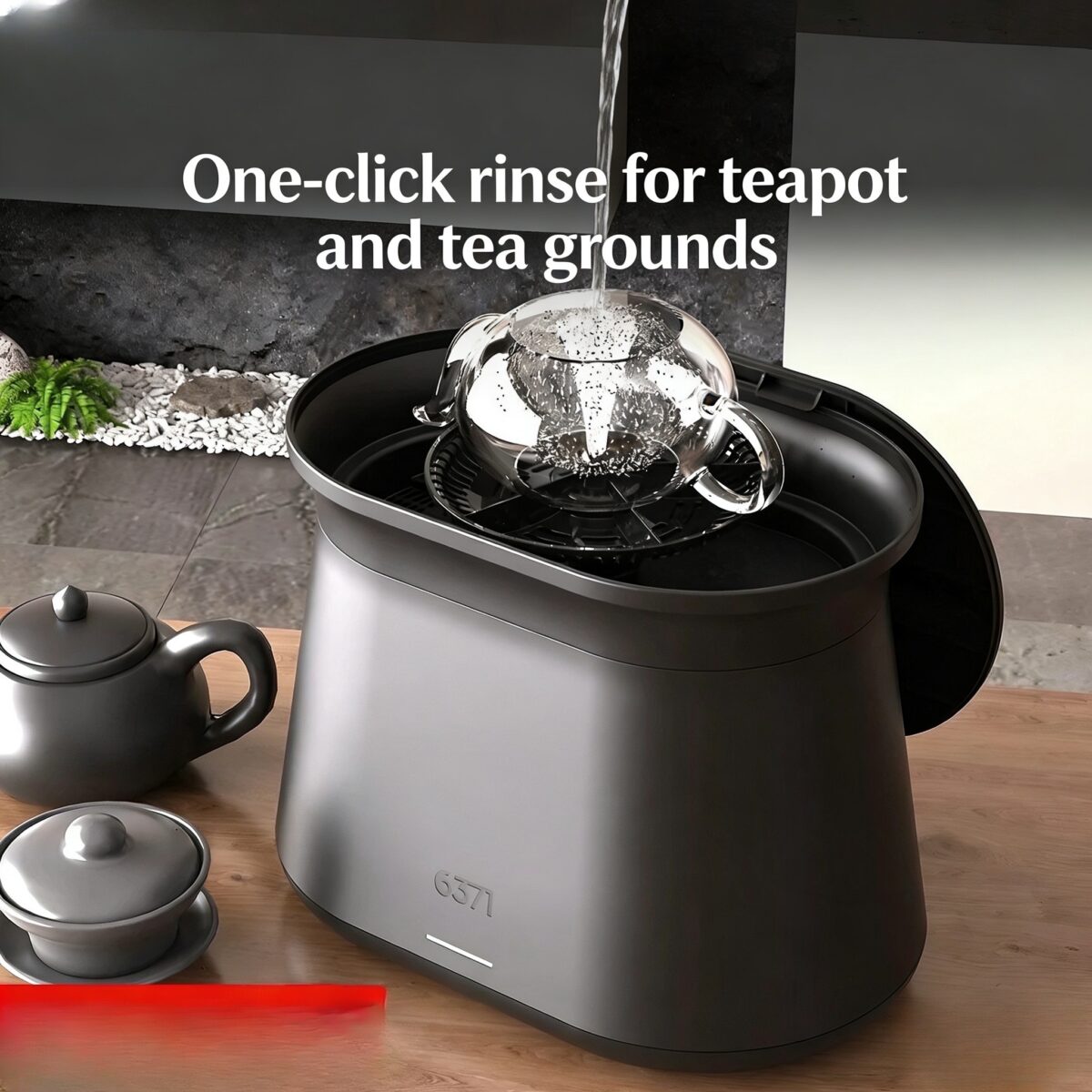
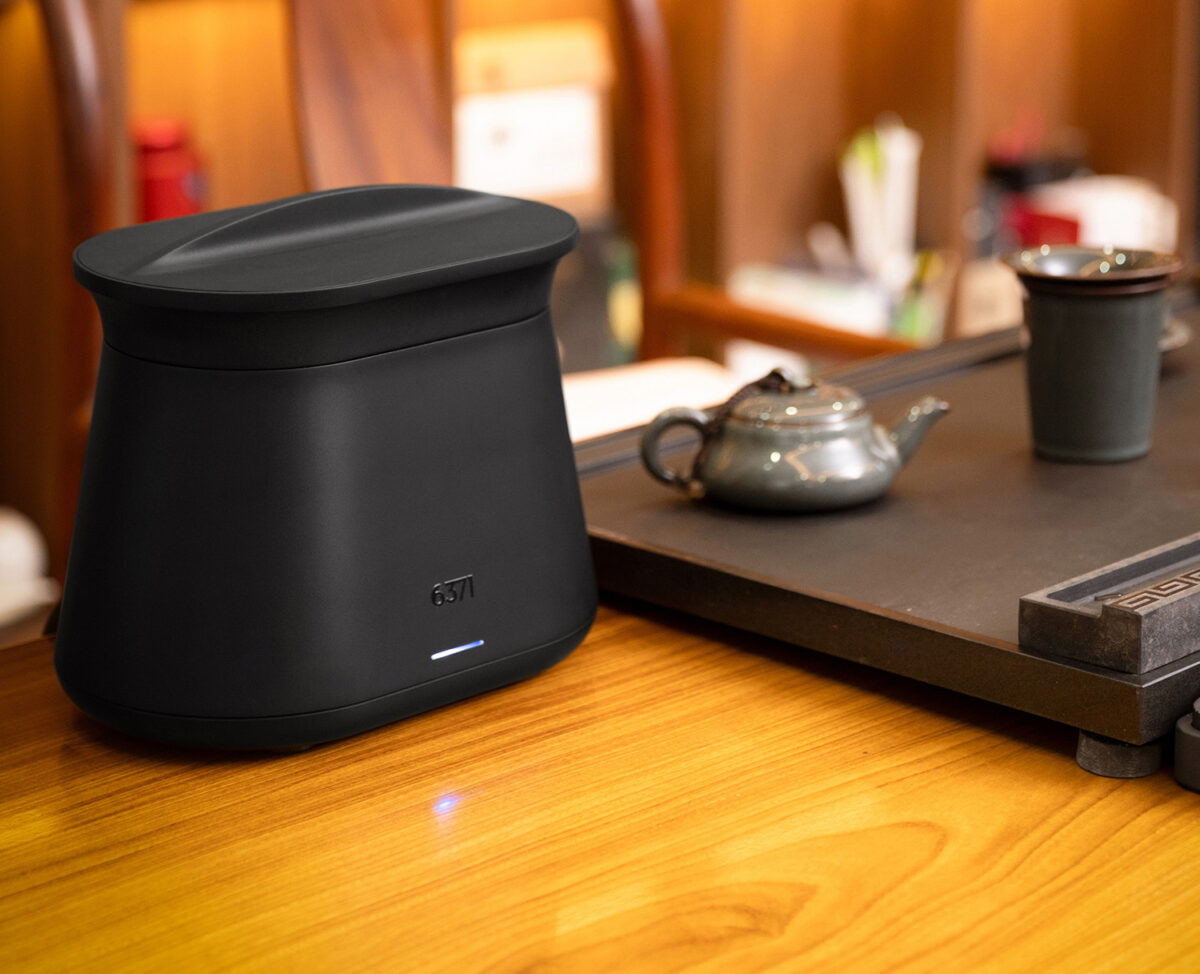
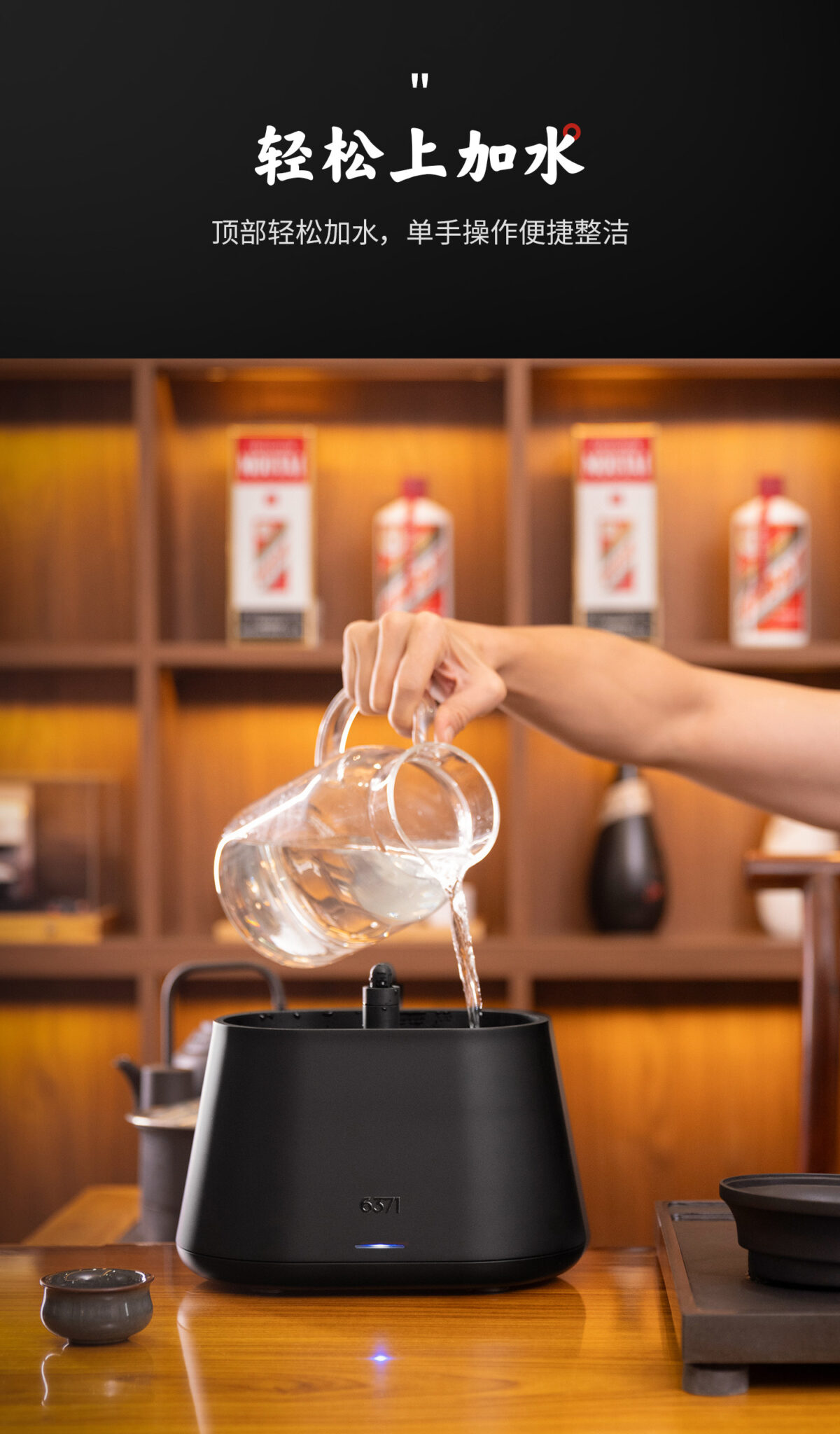
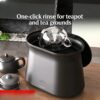
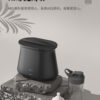
The Automatic Teaware Rinser is an ABS one‑press device that delivers high‑pressure interior cleaning in about 2 seconds for teapot, gaiwan, or gongdao cup. Pour off most leaves, invert the ware on the top nozzle, press, and the 1.7L clean‑water tank, independent sewage channel, and removable residue basket handle the rest.
The Automatic Teaware Rinser began as a simple frustration during daily gongfu sessions. Our team brewed oolong, white, and dark teas for hours, then spent too much time picking leaves from teapot spouts, gaiwan lids, and fairness‑cup interiors. Hand rinsing left residue, scratched delicate clay, and never reached narrow corners. We wanted one device that could sit on a tea table, use clean water only, and finish the job in seconds.</p >
That goal became the Automatic Teaware Rinser. The first prototype used a small pump and a plastic basin. It worked, but wastewater mixed with fresh water. We rejected that design. The production version separates clean water from sewage completely, uses an ABS housing that resists impact and tea staining, and stores 1.7 liters in an internal tank. Every press activates a calibrated high‑pressure cycle aimed at the inner walls of the inverted vessel.</p >
This page explains the product story, the engineering craft, and the daily workflow. Whether you use Yixing clay, porcelain gaiwan, glass gongdao cup, or ceramic teapot, the Automatic Teaware Rinser is built to reduce labor while protecting fine tea ware.</p >
2. Automatic Teaware Rinser: 2 Second Press Technology Explained
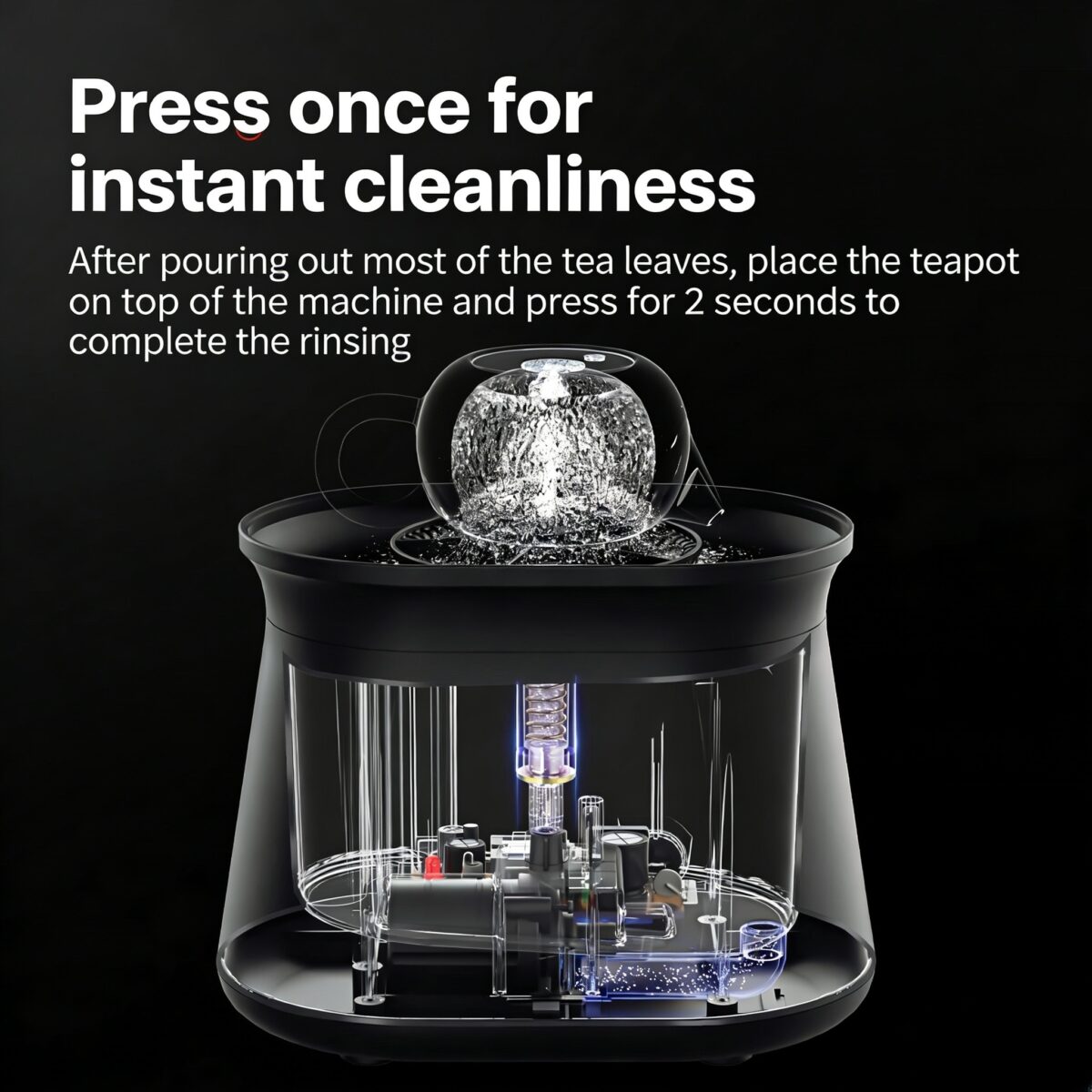
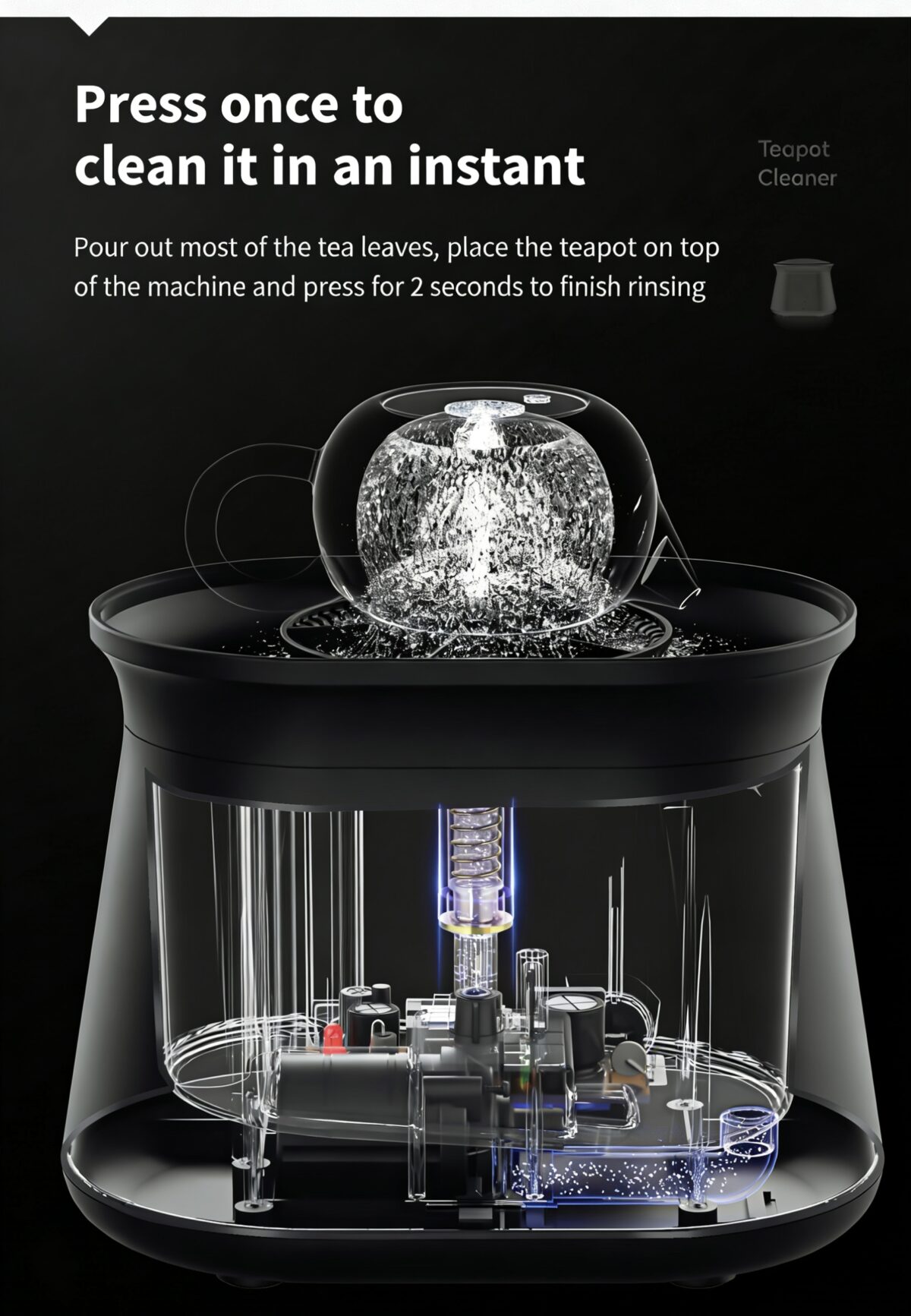
The core experience of the Automatic Teaware Rinser is one press. After pouring out most leaves, place the teapot, gaiwan, or fairness cup upside down over the top cleaning head. A light press starts a high‑pressure water sequence that typically completes in about two seconds. There is no menu, no app, and no setup.</p >
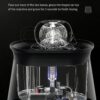
Inside the unit, a low‑noise pump draws stored clean water from the 1.7L tank and pushes it through a multi‑port nozzle. The spray pattern covers the inner shoulder, sidewalls, bottom, and hard‑to‑reach spout cavity of inverted pots. Because pressure is controlled, the cycle removes wet leaves and surface stains without blasting fragile glaze or loosening lid fitments.</p >
Our engineers tested dozens of spray angles before selecting the final array. Too narrow left blind spots; too strong splashed wastewater upward. The approved configuration balances speed and safety, which is why the Automatic Teaware Rinser feels powerful yet controlled during every press.</p >
2.1 Automatic Teaware Rinser: 1.7L ABS Water Tank Benefits
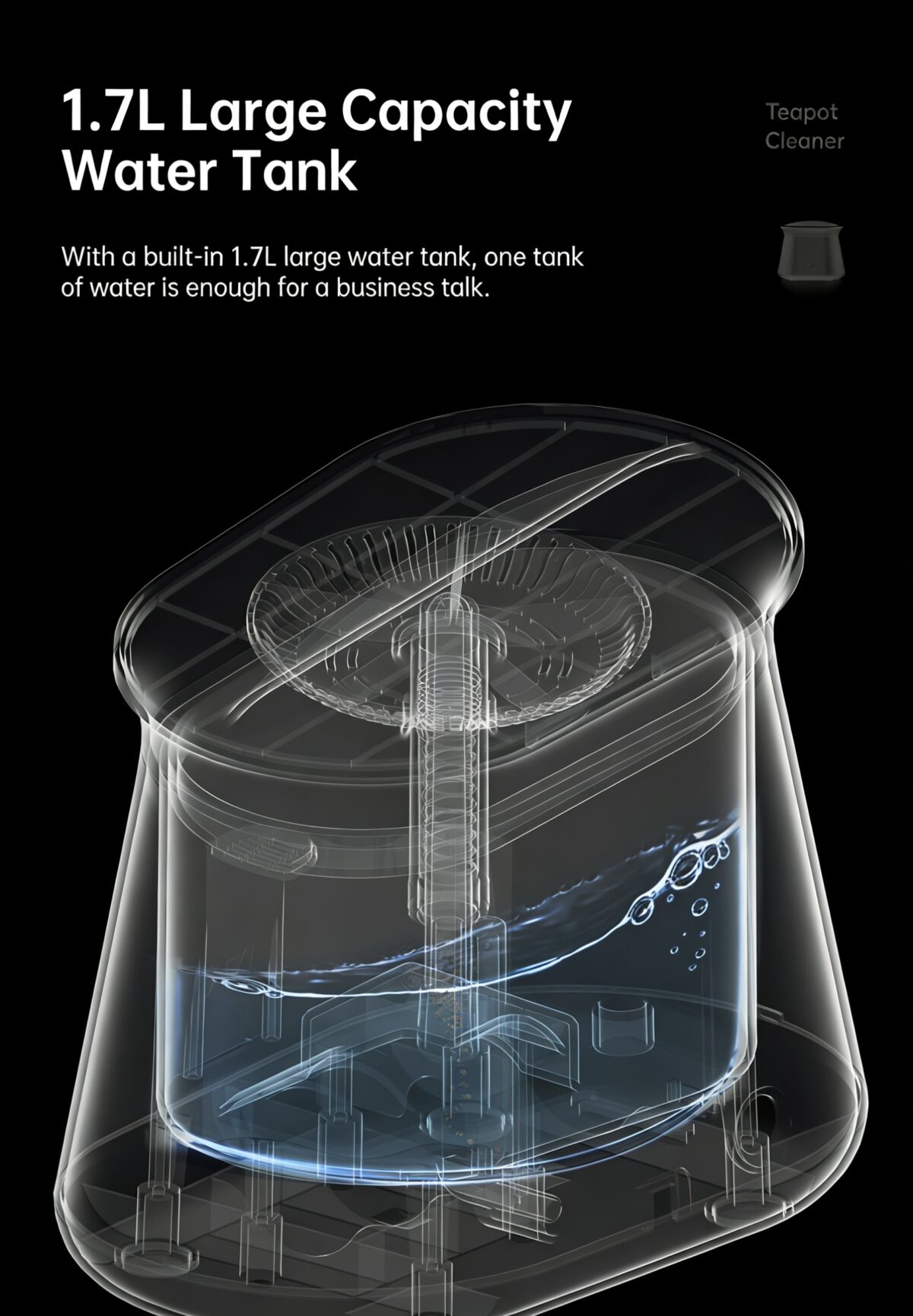
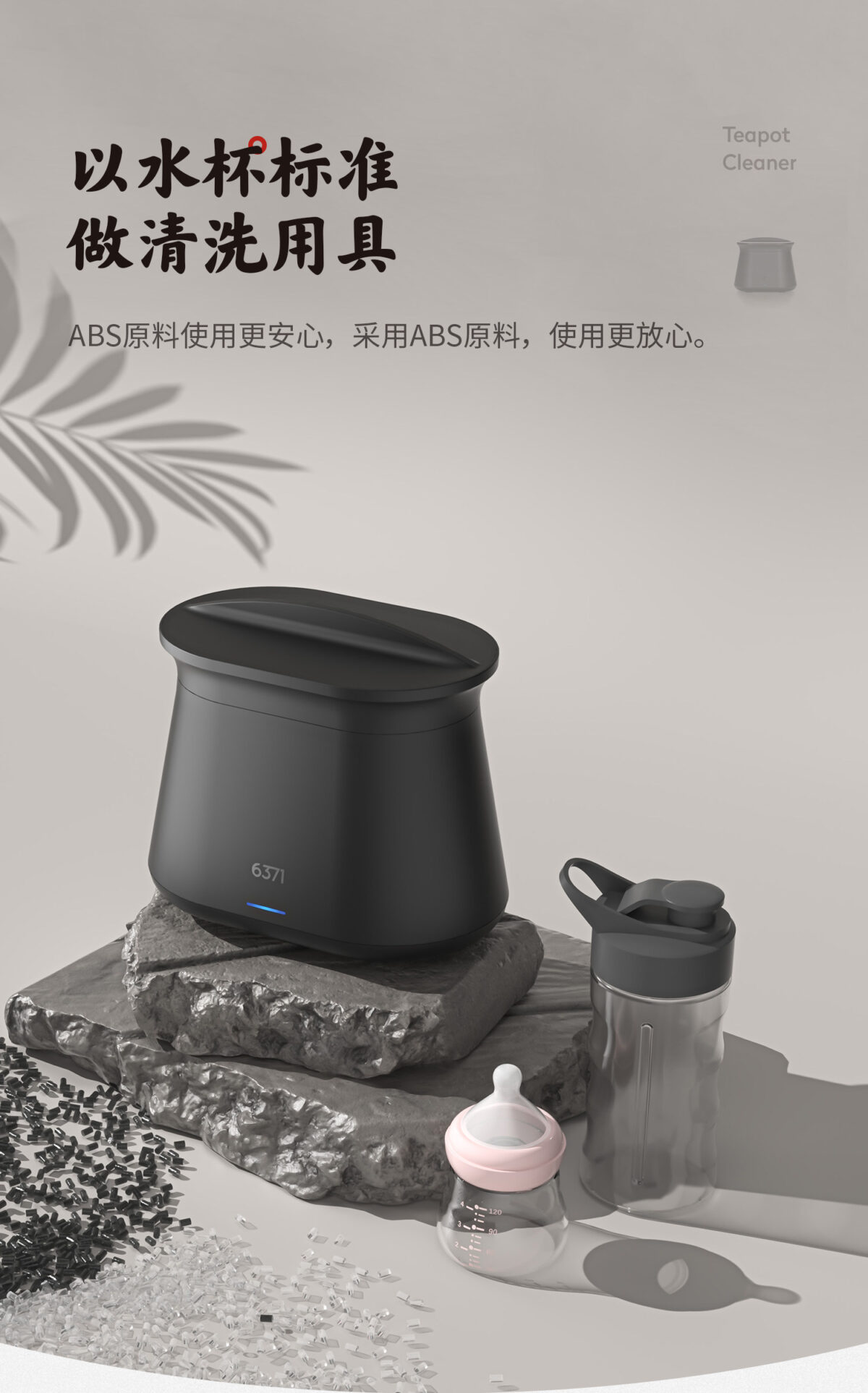
The internal tank holds 1.7 liters and is molded from food‑contact ABS. A larger tank would make the device heavy; a smaller tank would require frequent refills during multi‑guest tastings. One point seven liters supports many rinse cycles per session, depending on vessel size and press duration.</p >
ABS was chosen because it is light, durable, and resistant to everyday tea‑table impacts. Unlike brittle plastics, ABS absorbs minor knocks from lids and trays. It also stays neutral in flavor, does not retain odors, and is easy to wipe. The Automatic Teaware Rinser therefore remains hygienic even after prolonged daily use.</p >
2.2 Automatic Teaware Rinser: 360 High Pressure Spray Coverage
Although the standard press lasts about two seconds, the nozzle architecture is designed for full interior coverage. Angled ports target the sidewall, central port targets the base, and auxiliary micro‑jets reach tight curves. This arrangement reduces the need for a second manual scrub.</p >
For heavily residues such as baked‑on oolong particles or finely sifted matcha deposits, users may repeat the press. The Automatic Teaware Rinser does not rely on brushes, so it avoids abrasion. High pressure plus clean water displaces leaves, then the drainage path carries debris away.</p >
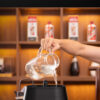
A normal cleanup takes three moves. First, discard most tea leaves from the brewed vessel into a waste bin. Second, invert the teapot, gaiwan, or gongdao cup onto the top cleaning head. Third, press down for about two seconds and lift the ware when the cycle ends.</p >
This workflow suits morning solo brewing and evening tastings with friends. The Automatic Teaware Rinser removes the most tedious part of tea service, so the host spends more time pouring and less time scrubbing. Because the device uses its own water supply, it can be placed anywhere near a power outlet without plumbing changes.</p >
3.1 Automatic Teaware Rinser: 5 Compatibility Rules for Delicate Wares
Most porcelain, glass, ceramic, and glazed stoneware items are safe. Yixing and other unglazed clay pots can be rinsed to remove surface residue, but owners should remember that clay absorbs oils and aromas over time. The Automatic Teaware Rinser cleans mechanically; it does not replace seasoning care.</p >
Five practical rules guide daily use. Rinse only after discarding leaves. Avoid sealing the venturi if your pot has an unusually small opening. Use shorter presses for tiny tasting cups. Dry vessels after rinsing to prevent water spots. Inspect spout openings regularly so the spray can pass through smoothly.</p >
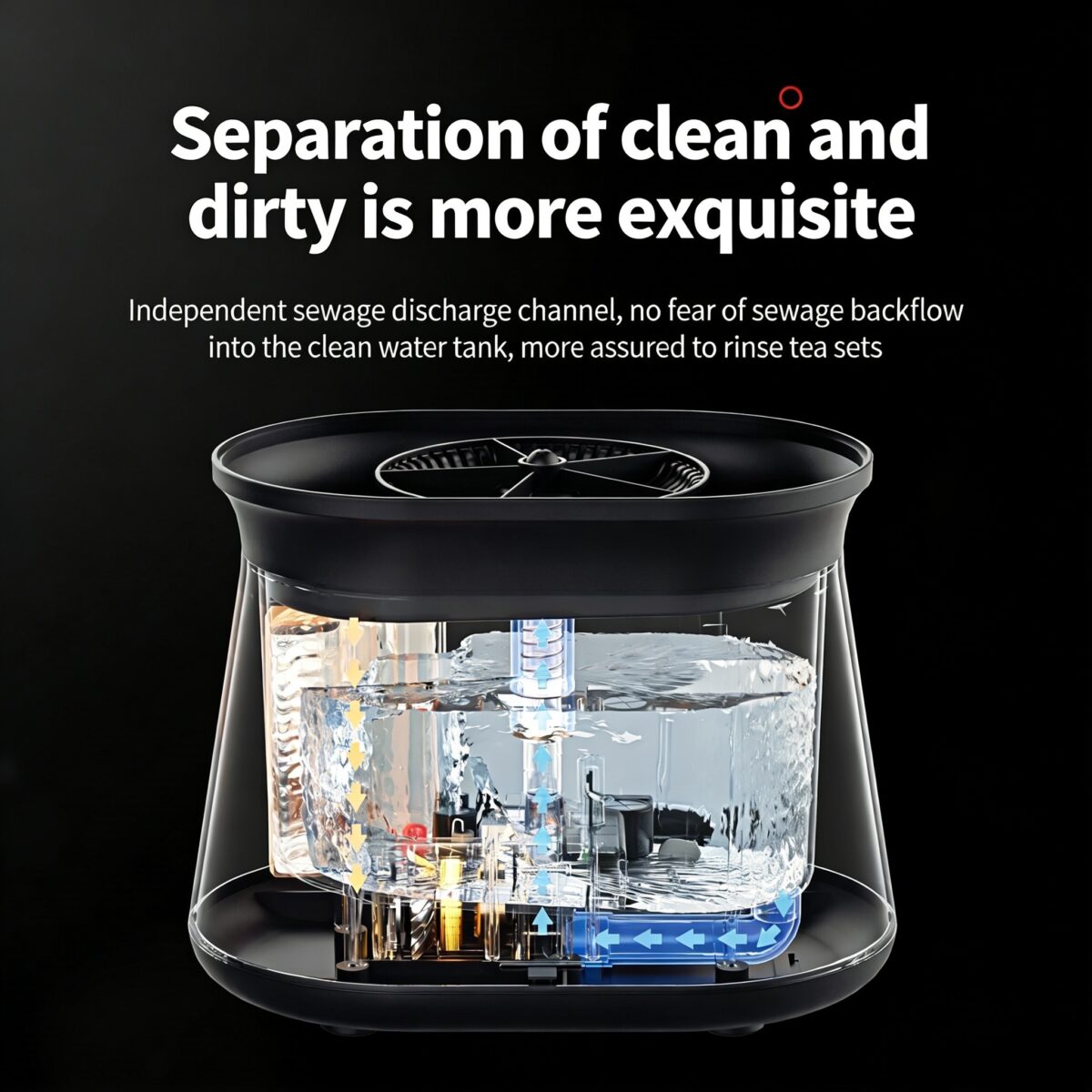
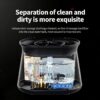
Cleanliness depends on more than pressure. The Automatic Teaware Rinser uses a separated water path: fresh water travels from the ABS tank to the nozzle, while used water enters a dedicated sewage channel and leaves through an independent outlet. Clean water and wastewater never share the same chamber during operation.</p >
This separation prevents backflow. Many basic rinsers allow dirty water to creep back into the storage tank, which causes odor and cross‑contamination. Our geometry places the discharge lower than the clean supply and uses one‑way paths wherever necessary.</p >
4.1 Automatic Teaware Rinser: 0 Backflow Design With Separate Sewage Channel
The target for backflow incidents is zero during normal use. The sewage channel has its own walls, slope, and exit. The clean tank has a sealed lid and isolated pump intake. Even if the user presses repeatedly, wastewater is directed away from the storage reservoir.</p >
For maintenance, the residue basket sits in the drainage line. Leaves and coarse particles collect there instead of entering pipes. The operator opens the basket, empties it into the trash, and reinstalls it. The Automatic Teaware Rinser therefore stays clean inside without disassembling the pump.</p >
5. Automatic Teaware Rinser: 6 Quality Documents and Inspection Reports
Product safety is confirmed by independent Chinese authority testing. Every production batch is checked against mechanical, electrical, and material standards before shipment. The Automatic Teaware Rinser is not released on appearance alone; it must pass documentation review and sample inspection.</p >
Six reference points matter most to international buyers: overall safety, hazardous substance limits, electromagnetic compatibility, tank hygiene, pressure consistency, and labeling accuracy. We provide report numbers so retailers and home users can verify compliance.</p >
The general quality inspection was conducted under report number CTK20241011007. This document covers product construction, ABS housing integrity, functional press cycle, drainage isolation, and overall workmanship. Passing this report confirms that the Automatic Teaware Rinser meets its declared specifications.</p >
Inspectors evaluate sample units for leaks, nozzle alignment, tank sealing, and switch reliability. Any failure in these areas triggers correction before mass packing. The CTK result gives buyers confidence that the device performs as described in daily tea service.</p >
Hazardous substance limits follow ROHS requirements. The report number is U10204241216603C. This certification checks that ABS components, electronic parts, wiring, and internal hardware remain within permitted thresholds for restricted chemicals.</p >
ROHS compliance is important for European and environmentally conscious markets. The Automatic Teaware Rinser uses screened materials so the device can be sold and used with fewer concerns about toxic exposure from housings or circuit boards.</p >
Electromagnetic compatibility is documented under report number CTB24112201901Q01. EMC testing confirms that the pump controller does not emit excessive interference and can operate near common household electronics without disruption.</p >
For tea studios with grinders, heaters, kettles, and audio equipment, stable EMC performance matters. The Automatic Teaware Rinser maintains clean electrical behavior, which supports safer long‑term placement on a shared tea table.</p >
Building a reliable rinser requires more than assembling a pump and tank. The Automatic Teaware Rinser starts with ABS resin selection, continues through precision molding, and ends with electronic calibration. Each stage has its own tolerance checklist.</p >
ABS batches are inspected for color, melt flow, and impact grade. Mold cavities are polished to reduce surface defects that could trap tea stains. After molding, workers deburr edges, test fitting points, and verify that the top cleaning head aligns with the chassis. Only approved shells move to assembly.</p >
6.1 Automatic Teaware Rinser: 3 Assembly Stages From Prototype to Finish
Stage one installs the water system: tank, seals, pump, and nozzle manifold. Stage two installs the electrical system: switch, controller, safety protection, and cable routing. Stage three installs the drainage system: sewage channel, residue basket, and external outlet adapter.</p >
Every finished Automatic Teaware Rinser passes a water‑leak test, a press‑activation test, and a drainage isolation test. Sample units from each lot are also run through repeated cycles to simulate months of home use. This craft discipline keeps performance consistent across shipments.</p >
7. Automatic Teaware Rinser: 8 User Scenarios From Home to Tea Studio
Home users benefit when brewing several teas in one afternoon. Instead of filling the sink, they rinse each pot or gaiwan on the table and continue tasting. The Automatic Teaware Rinser reduces mess and keeps the kitchen dry.</p >
Tea studios use it between classes. A gongfu demonstration may involve six or eight vessels; quick press rinsing shortens reset time. Collectors of delicate cups appreciate non‑abrasive cleaning. Hosts who serve guests with multiple fairness cups can sanitize between rounds without soap flavor. Offices, retail samplings, and small tea shops all gain from faster turnover.</p >
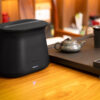
Even travelers with a fixed tea station can use the device. Because the unit stores its own water, it is independent of plumbing. The Automatic Teaware Rinser only needs power and a small counter space.</p >
8. Automatic Teaware Rinser: 10 Maintenance Tips for Long Service
First, empty the residue basket after each heavy session. Second, refill the tank with clean drinking‑grade water. Third, wipe the top cleaning head to prevent leaf buildup. Fourth, run a short empty press weekly if the device is used daily.</p >
Fifth, check the sewage outlet for obstruction. Sixth, avoid using oily detergents inside the clean tank. Seventh, store the unit in a dry place when not used for long periods. Eighth, inspect the ABS shell for cracks after any heavy impact. Ninth, keep the power connection away from standing water. Tenth, review the QC labels and report numbers if you resell or gift the device.</p >
These steps preserve pressure consistency and prevent odor. The Automatic Teaware Rinser is low‑maintenance, but simple habits extend its working life significantly.</p >
9. Automatic Teaware Rinser: 2 Key Hygiene Advantages Over Hand Washing
Hand washing depends on brush quality and user patience. Brushes can scratch glaze, miss spout channels, and leave detergent traces. The Automatic Teaware Rinser uses pure water pressure, reducing contact and abrasion.</p >
The second advantage is consistency. A manual rinse may be thorough one day and rushed the next. Press activation standardizes force and duration. For households that brew expensive oolong, aged dark tea, or delicate green selections, standardized cleaning protects flavor by reducing residue transfer between sessions.</p >
10. Automatic Teaware Rinser: 30 Day Routine That Saves Time and Effort
During a typical 30‑day period, a daily tea drinker may brew two to three sessions. Manual cleanup could require many minutes per day. With press‑cycle cleaning, most vessels are refreshed in seconds, and the residue basket consolidates waste for quick disposal.</p >
Over one month, the time saving becomes obvious. More importantly, the tea table stays orderly. The Automatic Teaware Rinser encourages better hygiene because cleanup is no longer a chore. Users rinse more often, store drier ware, and avoid the stale residue that sometimes accumulates in spouts and lids.</p >
From the first prototype to certified production, the goal never changed: make authentic Chinese tea practice easier without compromising the respect due to fine teaware. The result is a compact ABS system that combines one‑press convenience, separated drainage, high‑pressure coverage, and verified quality documents for global customers.</p >



Reviews
There are no reviews yet.