🎄 A little something from our tea table to yours. Spend $100 or more and we'll tuck a Christmas tea gift set + holiday tote into your parcel — no code needed, just our way of saying thanks. While supplies last, so don't wait till the 24th.Free Worldwide Shipping · Shipped from Fujian, China. Enjoy hassle-free delivery with our double customs clearance service—all taxes prepaid, no hidden costs! Specializing in High-Quality Chinese Tea & Teaware. Our teas feature authentic flavors, sourced from the best farms and purely handmade by master artisans without any additives. Experience the true essence of traditional tea culture today. DismissSkip to content
Mashu Old Bush Black Tea: 1 honest bush leaf, end flavor fakery now
$75.00–$410.00Price range: $75.00 through $410.00
Mashu Old Bush Black Tea comes from old bushes in Mashu, Tongmu village inside the Wuyi nature reserve. The leaf is hand plucked, soft withered, lightly rolled, fully oxidized and gently dried, then sorted for whole strips. Dry leaf smells woody and mossy with honey, orchard fruit and a clean zongye note. The cup is orange to red, sweet and rounded, with mild bitter that turns quick to sweetness, strong huigan and a cooling throat echo. It is excellent plain in gaiwan or small pot, and friendly as a simple mug brew. One ingredient only, no scent, color or preservative. Available in 60g tasting, 125g daily, 250g sharing and 500g home sizes, all with free shipping, double clearance and tax paid door delivery.
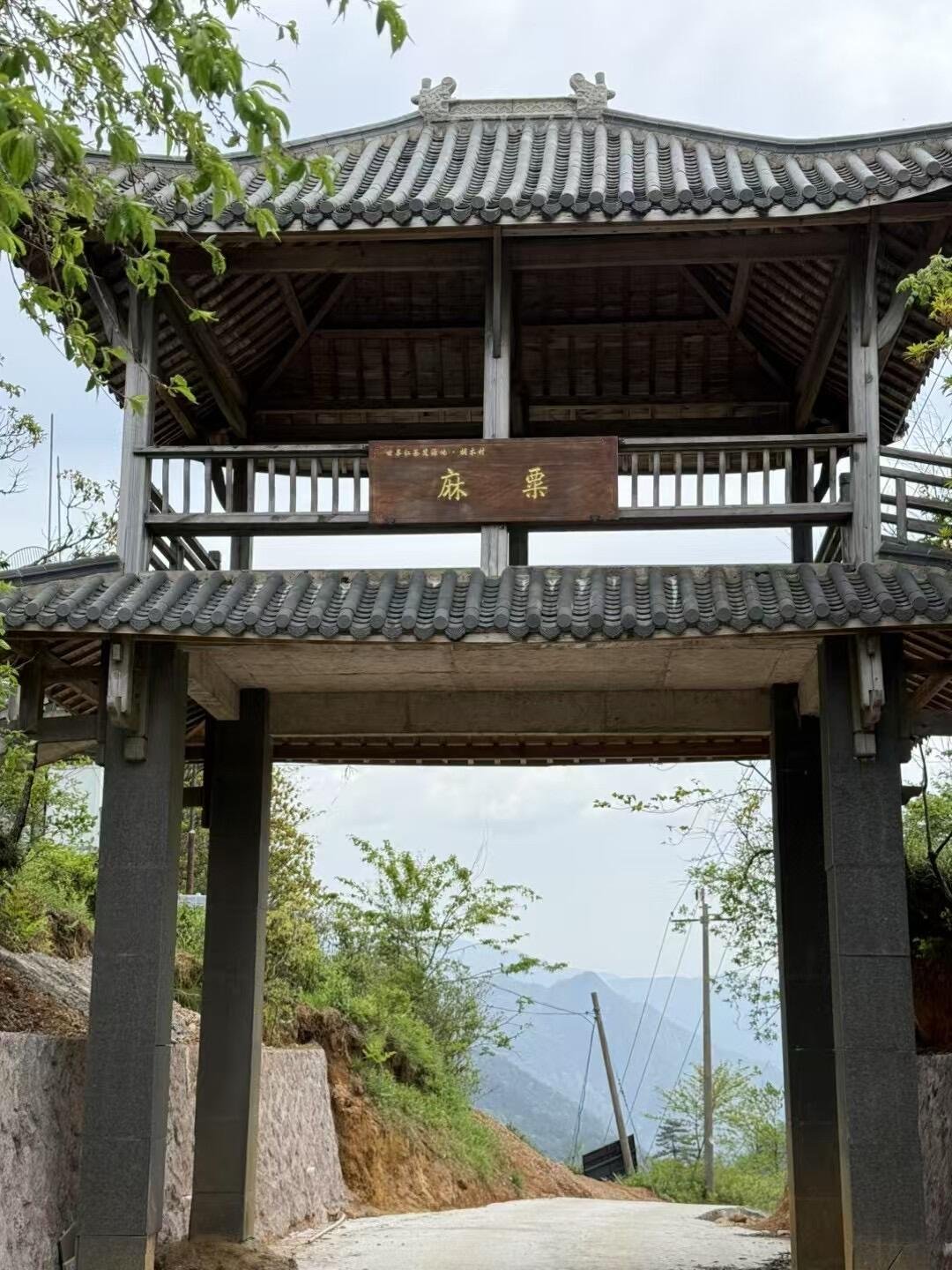
Mashu Old Bush Black Tea comes from old tea bushes in Mashu, a small growing area inside Tongmu village, Wuyi. Tongmu sits within the Wuyi Mountain nature reserve and has a long black tea history, but this lot is not the smoky style many people link with Lapsang. The bushes are mature, the canopy is mixed with broadleaf forest, and the ground stays damp and cool for much of spring. That environment slows the shoot growth and builds a deeper, calmer flavor in the leaf.</p >
The gardens sit at higher, shaded spots rather than open low fields. Morning fog, steady rainfall and acidic mountain soil give the buds and small leaves a slow maturity. Old bushes send roots deep into broken rock and forest humus. Deep roots pull more minerals, which is why the finished tea has a stony, settled base under the moss and honey. In Wuyi oolong language, people call a stony aftertaste rock rhyme. This black tea is not roasted like rock oolong, yet a quiet mineral calm still appears, especially in later steeps.</p >
Mashu is small and remote. The plots are not huge commercial farms. A single morning pick from old bushes may only fill a few trays. That limitation is good for quality. The maker can watch the leaf closely, adjust withering by hand, and avoid rushing oxidation. The result is a black tea that tastes wild without tasting rough, and aged without tasting stale.</p >
Mashu Old Bush Black Tea carries old bush character
Old bush character, often called cong yun in Chinese tea talk, means the tea shows maturity from aged plants rather than from heavy roasting or added flavor. Old bushes produce fewer but thicker shoots. The aroma is deeper, the body is rounder, and the aftertaste lasts longer. With Mashu Old Bush Black Tea, cong yun shows as moss, wood, dried flower, ripe fruit and a leafy note similar to fresh zongye, the leaves used to wrap sticky rice dumplings. We translate zongye simply as leaf wrap aroma so new buyers understand it without confusion.</p >
Young plantation black tea often tastes bright and one dimensional. Old bush tea tastes layered. The first sip may give honey and soft fruit. The middle sip adds wood and moss. The finish adds leafy coolness and a mineral echo. None of these notes are added. They come from bush age, shade, soil and careful processing. If a buyer expects a sweet breakfast blend, this tea will feel more like a forest cup than a café cup.</p >
Mashu Old Bush Black Tea is plucked by hand
Mashu Old Bush Black Tea is picked by hand during the spring flush, with a smaller summer touch depending on the year. Workers walk the old rows and take one bud with one or two small leaves. Old bush shoots are not uniform like machine harvested tips, and that is fine. Uniformity is less important than ripeness. A slightly mature shoot gives more cong body, while the youngest tips give honey and flower.</p >
Hand plucking protects the old bushes. Machine stripping can damage woody branches and mix too many stems. For a reserve old bush lot, clean picking keeps the leaf ratio tight and the later cup sweet. After picking, the leaf is moved to the workshop quickly. In Tongmu spring weather can be cool and humid, so indoor withering is used more than sun withering. Controlled indoor withering keeps the mossy and floral notes from turning grassy.</p >
Mashu Old Bush Black Tea goes through soft withering
Mashu Old Bush Black Tea begins with soft withering. Fresh leaf is spread thin on bamboo trays in a ventilated room. The goal is to lose surface moisture, relax the tissue and start gentle enzymatic change. The maker checks softness by hand and by smell every hour during busy mornings. If the room is too warm, the leaf heats and smells heavy. If the room is too cold, withering stalls and the cup turns raw.</p >
Old bush leaf needs patience. Because the shoots are thicker and more mature, withering takes longer than tender plantation tips. A longer soft wither helps the moss, wood and zongye notes develop before rolling. No artificial fragrance is sprayed at this stage. The aroma you later smell is grown on the mountain and released by withering, not manufactured in a flavor lab.</p >
Mashu Old Bush Black Tea is rolled for whole strips
After withering, Mashu Old Bush Black Tea is rolled with moderate pressure. Rolling twists the softened leaf into tight strips, breaks some cell walls and prepares the leaf for oxidation. Old bush leaf can tear if rolled too hard, so pressure stays controlled. Whole strips matter for this tea. Broken leaf releases everything at once and makes the cup brisk and rough. Whole strips give slow, clean extraction and a clearer cong profile.</p >
The maker judges roll by feel. The strips should look neat, dark and slightly elastic, not paste-like. A proper roll keeps the downy bud tips and the small mature leaves intact. After rolling, the leaf is spread again for oxidation. At this point the kitchen smells like honey, wet wood and fresh leaf, which is exactly the direction the final cup should keep.</p >
Mashu Old Bush Black Tea is fully oxidized slow
Mashu Old Bush Black Tea is a fully oxidized black tea in the Western sense. After rolling, the leaf rests in a warm, humid space so enzymes convert green leaf into copper and deep brown. Oxidation speed depends on leaf thickness, room heat and humidity. Old bush leaf oxidizes a little slower than tender tips, and that slower pace builds depth.</p >
The master watches color and sniffs constantly. Early oxidation gives grassy sweetness. Mid oxidation gives honey and flower. Full oxidation gives wood, fruit and a rounded stony base. Stopping at the right moment is the key. Too little oxidation leaves the cup green and sour. Too much oxidation makes it flat and overly dark. For Mashu Old Bush Black Tea, the target is bright orange red liquor with mossy honey aroma, not heavy burnt sweetness.</p >
Mashu Old Bush Black Tea is dried and sorted clean
When oxidation reaches the target, Mashu Old Bush Black Tea is dried with gentle heat. The leaf loses remaining moisture without scorching the strips. Low, steady heat protects the golden and dark tips, keeps the zongye note fresh, and preserves the cool throat feeling. After drying, the lot rests so internal moisture evens out. Rested leaf blends better across steeps and stores more steadily for five years.</p >
Final sorting is done by hand and screen. Stems, broken pieces, over oxidized bits and foreign matter are removed. Old bush tea deserves whole leaf presentation. Clean sorting also reduces roughness, because broken pieces release extra tannin. The finished pouch contains only Camellia sinensis, nothing else. No scent oil, no color, no sweetener, no preservative. US buyers who read ingredient lists will find the shortest possible list, one line.</p >
Mashu Old Bush Black Tea brews in a gaiwan
Mashu Old Bush Black Tea loves a gaiwan because old bush flavor opens in short, repeated steeps. Use a 110ml gaiwan and 3 to 5g of dry leaf. If you prefer no scale, a level teaspoon plus a small pinch of whole strips is close for 3g, and a rounded teaspoon approaches 5g. Heat water to 90 to 100 Celsius. Old bushes can handle near boiling, but fast pouring matters more than maximum heat.</p >
Rinse the leaf once with hot water for about 5 seconds and discard. The rinse wakes the mossy aroma, removes field dust, and helps tight strips unfold. For the first drinking steep, pour and drain in 5 to 8 seconds. The cup should be orange and aromatic, not dark and heavy. Second steep can stay 5 to 8 seconds. From the third steep, add 3 to 5 seconds each round. Later rounds may reach 15 to 25 seconds as the leaf fully opens.</p >
Always pour all liquor out. Do not leave old bush leaf sitting in hot water. The tea is durable, but long soaking still pulls tannin and can cover the cool throat finish. If the early cup tastes too light, add time in the next steep instead of more leaf. If it tastes too strong or dry, use 3g in the same gaiwan and keep pours quicker. The leaf will tell you when it is spent, usually after many steeps because old bush material is patient.</p >
Mashu Old Bush Black Tea steeps hot but fast
Mashu Old Bush Black Tea can take 90 to 100 Celsius without turning harsh, provided the pour is fast. High heat helps release wood, moss and zongye. Long steeping at high heat does the opposite and creates bitter roughness. Think hot water, short contact, full drainage. This style suits cong yun because the layers appear gradually instead of all at once.</p >
In early steeps you get honey, flower and light fruit. In middle steeps you get wood, moss and zongye. In later steeps you get mineral coolness and sweet saliva return. A patient gaiwan session can give many cups from one portion. Drink the first rounds small and hot, then let the later rounds cool a little. Old bush tea often tastes even sweeter as the cup warms down to room temperature.</p >
Mashu Old Bush Black Tea works in a teapot
Mashu Old Bush Black Tea also brews well in a small porcelain or ceramic teapot. Use 5g for a 150ml pot, or 6 to 7g for a 200ml pot if you like a fuller cup. Water at 90 to 100 Celsius works. Rinse 5 seconds, discard, then steep the first round about 10 to 15 seconds. Later rounds can go 15, 20, 30 seconds and upward as the strips open.</p >
Porcelain keeps the mossy and zongye aromas clear. A small clay pot can soften the body further, but it may mute the high floral top. For a first purchase, porcelain is the safer choice. Preheat the pot, drain it, add the leaf, rinse, and keep the lid lifted for a few seconds after the rinse so the forest aroma rises before you seal and pour.</p >
Teapot brewing is good for sharing. Pour into a small pitcher so every cup has the same strength. Because the leaf is old bush and whole, avoid boiling-and-walk-away brewing. Hot and attentive always beats boiling and forgotten. The tea is strong enough for milk if someone insists, but plain brewing shows the cong character far better.</p >
Mashu Old Bush Black Tea simple mug method
Mashu Old Bush Black Tea is easy if you onlyuse a mug. Take













Reviews
There are no reviews yet.