High-Quality Chinese Tea & Teaware.We focus on authentic flavors. Every tea is sourced from the best farms and made by experienced artisans to keep the complex taste. Our teaware combines beauty and practicality. Discover the essence of traditional tea culture with us. DismissSkip to content
Qi Lan Rock Oolong Tea: 336g of Intense Orchid Aroma & Rock Rhyme
$69.00–$128.00Price range: $69.00 through $128.00
Experience the intense orchid aroma of Qi Lan Rock Oolong Tea. This 336g Wuyi Rock Tea is traditionally charcoal roasted, offering floral highs, mineral depth & a sweet finish. A masterclass in Chinese Yan Cha.
Qi Lan Rock Oolong Tea: Where Intense Orchid Meets Unyielding Rock
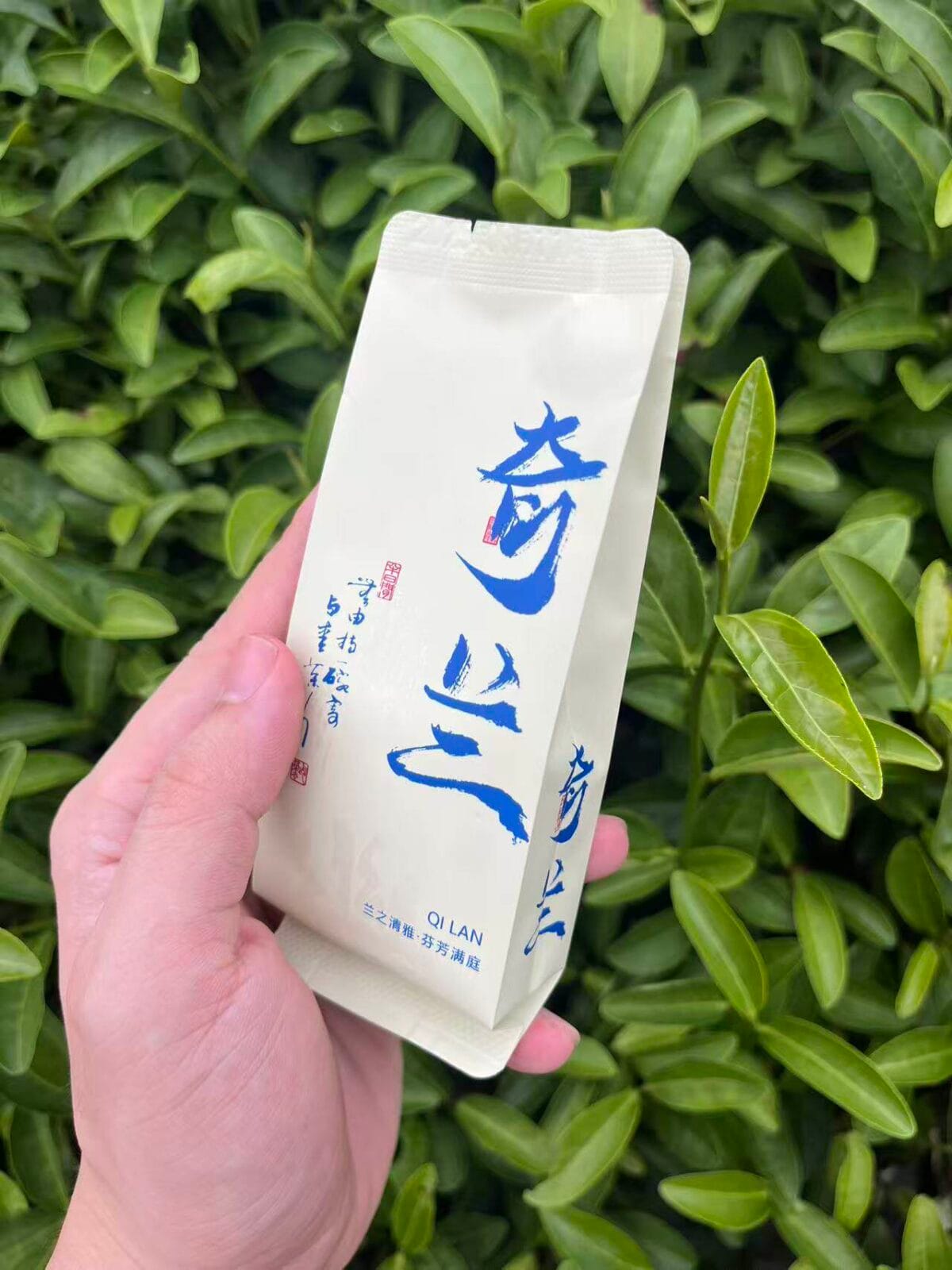
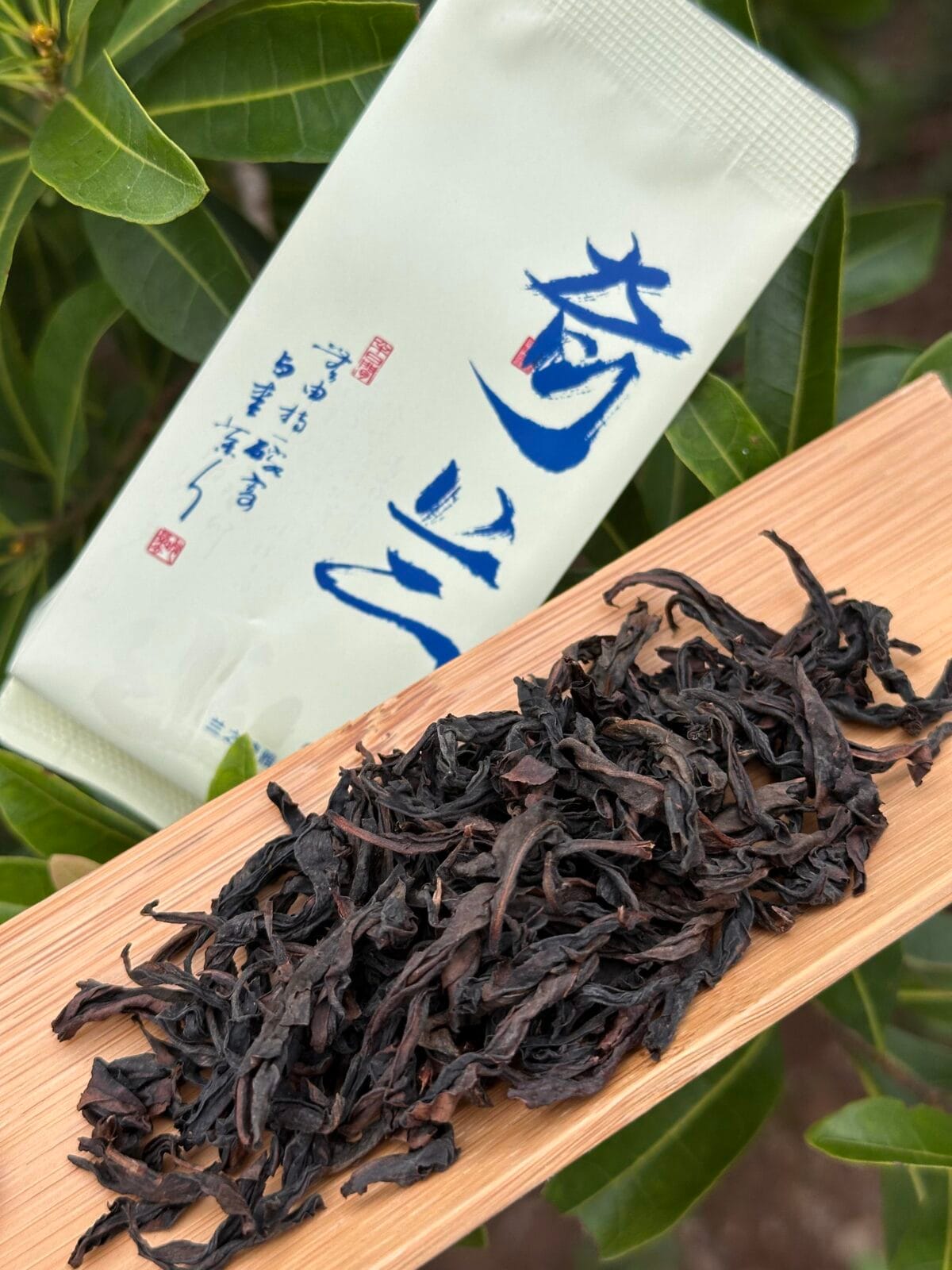
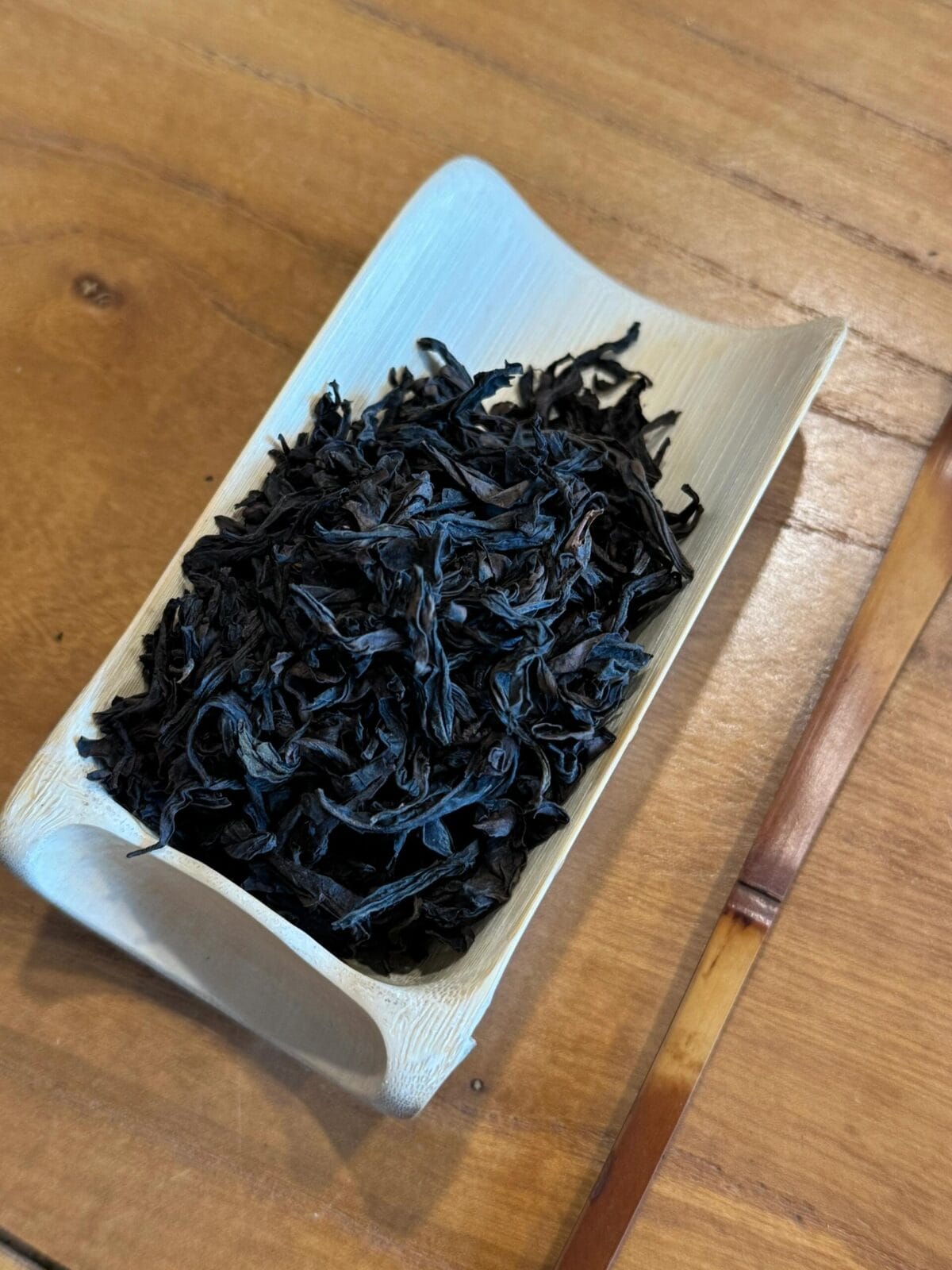
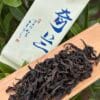
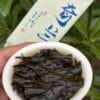
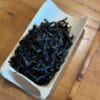
High in the mist-shrouded, mineral-rich cliffs of Wuyi Mountain, a tea bush named “Qi Lan” (奇异之兰, “Remarkable Orchid”) produces leaves of extraordinary aromatic potency. We present our Qi Lan Rock Oolong Tea, a 336g homage to one of Yan Cha’s most singular and fragrant cultivars. This is not a tea of subtle whispers; it is a declaration—a powerful, soaring orchid bouquet seamlessly woven into the deep, mineral-laden “rock bone” (Yan Gu) that defines true Wuyi tea. Each tightly wound strip, a product of meticulous traditional processing including decisive charcoal roasting, unlocks a universe of contrast: ethereal floral top notes anchored by an earthy, savory depth. This Wuyi Rock Tea is for the adventurer who craves clarity and complexity, offering a tasting journey that is both immediately captivating and profoundly enduring. Prepare to experience the remarkable orchid, in its most authentic, rocky terroir.
The Legend of Qi Lan: The “Remarkable Orchid” of Wuyi
The story of Qi Lan Rock Oolong Tea is intertwined with the quest for unique fragrance within the Wuyi Mountain tea canon. “Qi Lan” translates to “Remarkable Orchid,” a name that perfectly captures its essence. Among the hundreds of tea varietals in Wuyi, Qi Lan stands out for its exceptionally high and pure aroma compounds, which express themselves primarily as a captivating, sweet orchid and gardenia-like fragrance.
This characteristic made it a prized selection for inclusion in the famous “Rou Gui” and “Shui Xian” blends, where it acts as a natural top note. However, when processed solo as a single-origin Qi Lan Yan Cha, its personality shines unabated. The magic lies in the interaction between the cultivar’s innate floral brilliance and the unique “rock and mineral” terroir of its growing environment. The tea bushes grow in rocky crevices and on steep cliffs, their roots delving deep into weathered volcanic rock, absorbing a complex mineral profile. This imparts the tea with its distinctive “Yan Yun” (rock rhyme)—a lingering mineral aftertaste and a substantial, robust body that provides the perfect counterpoint to the high, elegant orchid aroma. Drinking it is to understand the Daoist balance of Wuyi tea: the heavenly fragrance (the orchid) married to the earthly foundation (the rock).
The Alchemy of Fire & Rock: Crafting Qi Lan Yan Cha
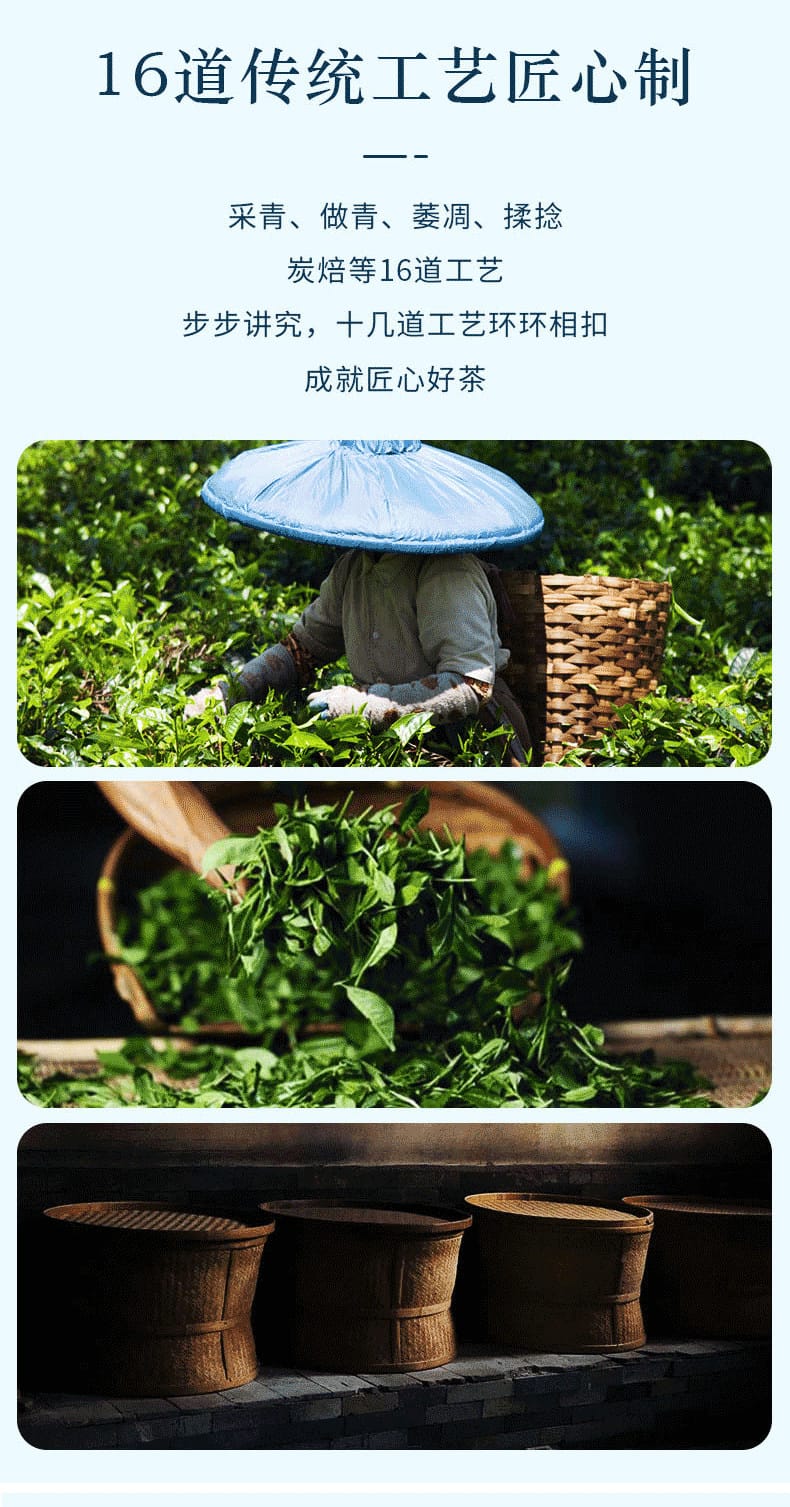
Transforming the distinctive leaves of the Qi Lan bush into the finished Qi Lan Rock Oolong Tea is a rigorous, multi-step process that demands precision and respect for tradition. It is here that the raw fragrance is tempered and given its lasting form.
1. Precision Withering & Vigorous Tossing: The freshly picked leaves are withered to reduce moisture. They then undergo a vigorous “Yao Qing” (tossing and bruising) process. This crucial step bruises the leaf edges, initiating controlled oxidation and kickstarting the biochemical reactions that begin developing the tea’s aromatic profile.
2. Kill-Green Fixation: At the optimal moment, the oxidation is halted by “Sha Qing” (kill-green) in a hot wok. This rapid heating deactivates enzymes, locking in the developing floral notes and preserving the leaf’s vitality.
3. Rolling & Shaping: The leaves are then rolled and twisted into their characteristic long, tight strips. This action further breaks down cell structures, distributing the flavorful sap evenly and shaping the leaf for optimal aroma release during brewing.
4. The Soul of Yan Cha: Charcoal Roasting: This is the defining stage. The semi-finished leaves undergo repeated cycles of low-temperature baking over pure hardwood charcoal. This charcoal roasted oolong tea process, lasting many hours, is an art. The master roaster must carefully control time and temperature to:
• Develop Complexity: The gentle heat transforms grassy notes into toasted, nutty, and honeyed undertones.
• Stabilize the Aroma: It “sets” the volatile orchid fragrance, making it stable enough to survive multiple infusions and time.
• Create the “Rock Bone”: The roasting drives off excess moisture and “tightens” the tea’s structure, contributing to the full, substantial mouthfeel and the enduring mineral finish that is the hallmark of great Chinese Yan Cha.
A Masterclass in Brewing: Unlocking Qi Lan’s Dual Nature
To honor the craft in your Qi Lan Rock Oolong Tea and to experience its perfect balance of soaring aroma and deep substance, precise brewing is non-negotiable. Follow this guide to avoid common pitfalls and achieve tea enlightenment.
The Golden Rule: Water at 100°C (212°F) is MANDATORY. Qi Lan’s leaves are tightly rolled and robust due to roasting. Only boiling water has the energy to fully penetrate and unwind them, efficiently extracting the core orchid aroma locked inside. Lower water temperature will leave the fragrance “trapped” and the flavor flat.
Gongfu Brewing Method (The Only Way):
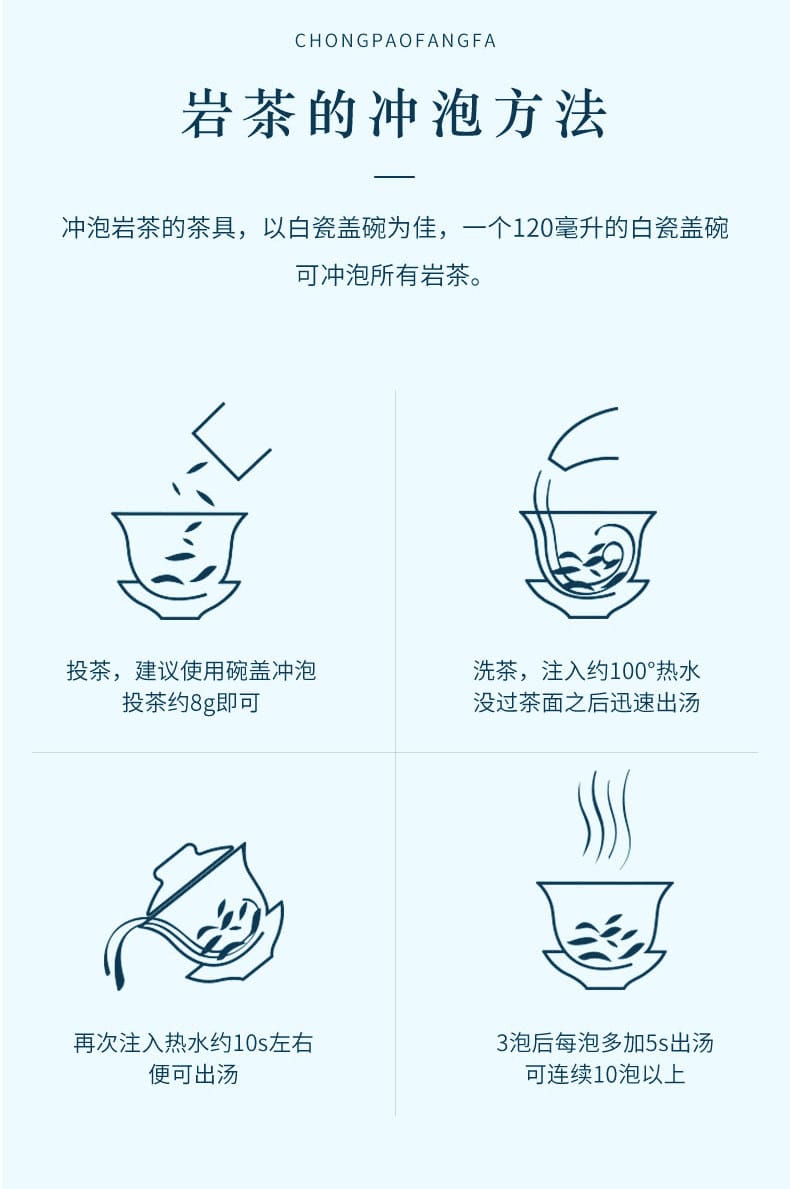
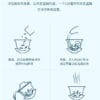
1. Warm Your Vessel: Use a porcelain gaiwan. Preheat it thoroughly with boiling water.
2. Measure & Load: Use 6-8 grams of leaves for a 100-120ml gaiwan.
3. The Critical First Pour (Rinse/Awakening):
a. 注水要环壁 (Circular Pouring): Pour boiling water in a steady stream along the inner wall of the gaiwan. Avoid pouring directly onto the leaves in the center. This gentle, “circular” method hydrates the leaves evenly without agitating them excessively, which can break leaves and release unwanted bitterness prematurely.
b. 快速出汤 (Swift Exit): The moment the gaiwan is full, immediately put the lid on and pour the water out completely within 2-3 seconds. This is a rinse to awaken the leaves, not a steep. Pitfall Alert: Letting this first wash sit longer will cause a significant loss of the precious, volatile orchid aroma you paid for.
4. The First True Infusion: Immediately after the rinse, refill the gaiwan with boiling water using the same circular pouring technique.
5. 出汤要果断 (Decisive Pouring – The Core Rule): For the first three infusions, the steeping time is critical. Steep for only 5 to 8 seconds, then pour the tea completely and decisively into a sharing pitcher or cup. Qi Lan’s rich inner material releases very quickly. Even one second of over-steeping will shift the balance from fragrant and complex to noticeably stronger and more astringent.
6. 沥干残汤 (Drain Every Last Drop): This is essential. After pouring, tilt the gaiwan and give it a firm, final shake to eject every last drop of tea. Any residual water left in the bottom will continue to steep the leaves, making your next infusion bitter and unbalanced.
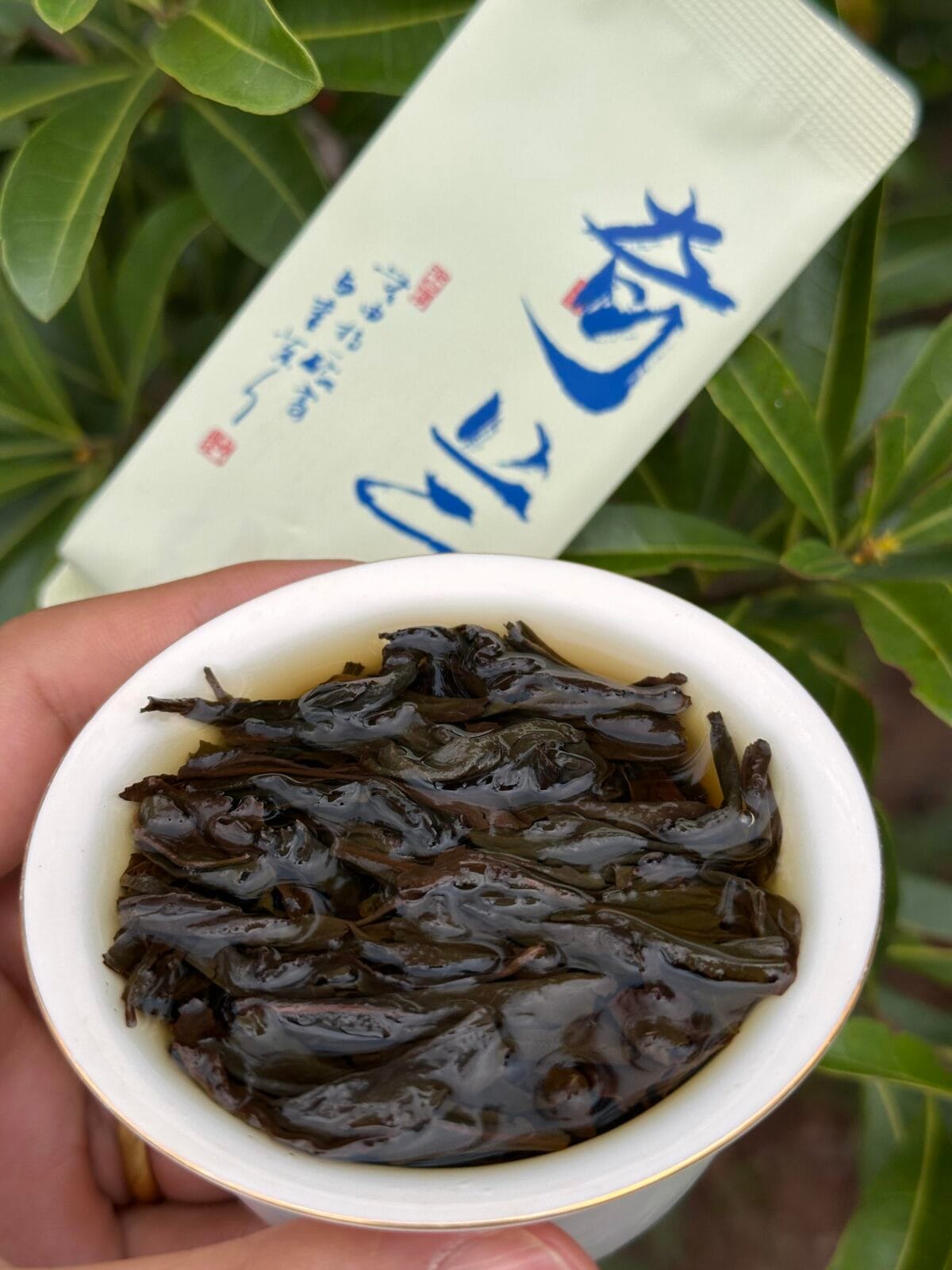
7. Subsequent Infusions: From the fourth infusion onward, as the leaves are fully open, you can begin to gradually increase the steeping time by 5-10 seconds per infusion. A high-quality Qi Lan, brewed correctly, will offer 8-10 or more flavorful infusions, with the aroma evolving from bright orchid to deeper honey and mineral notes.
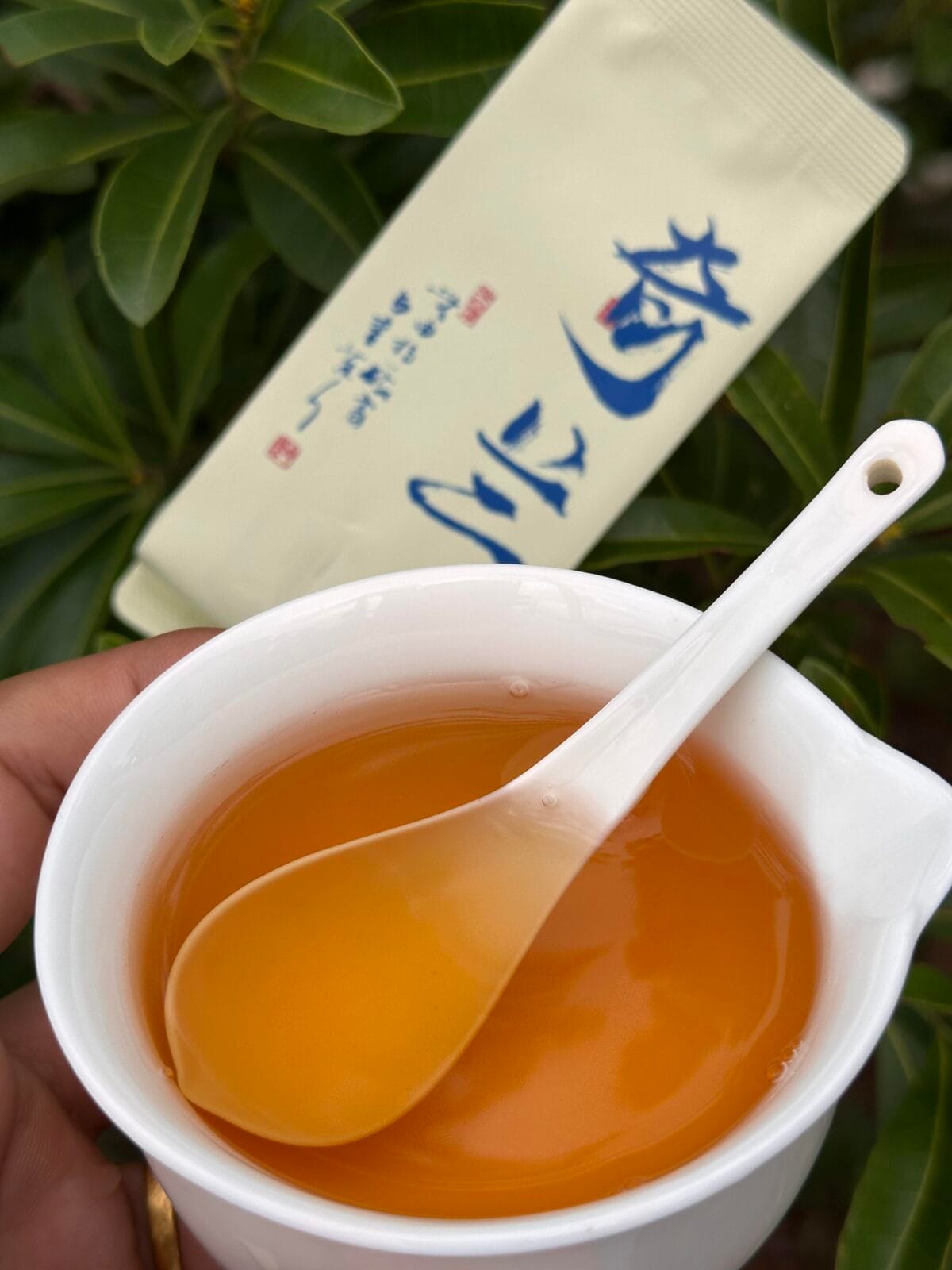
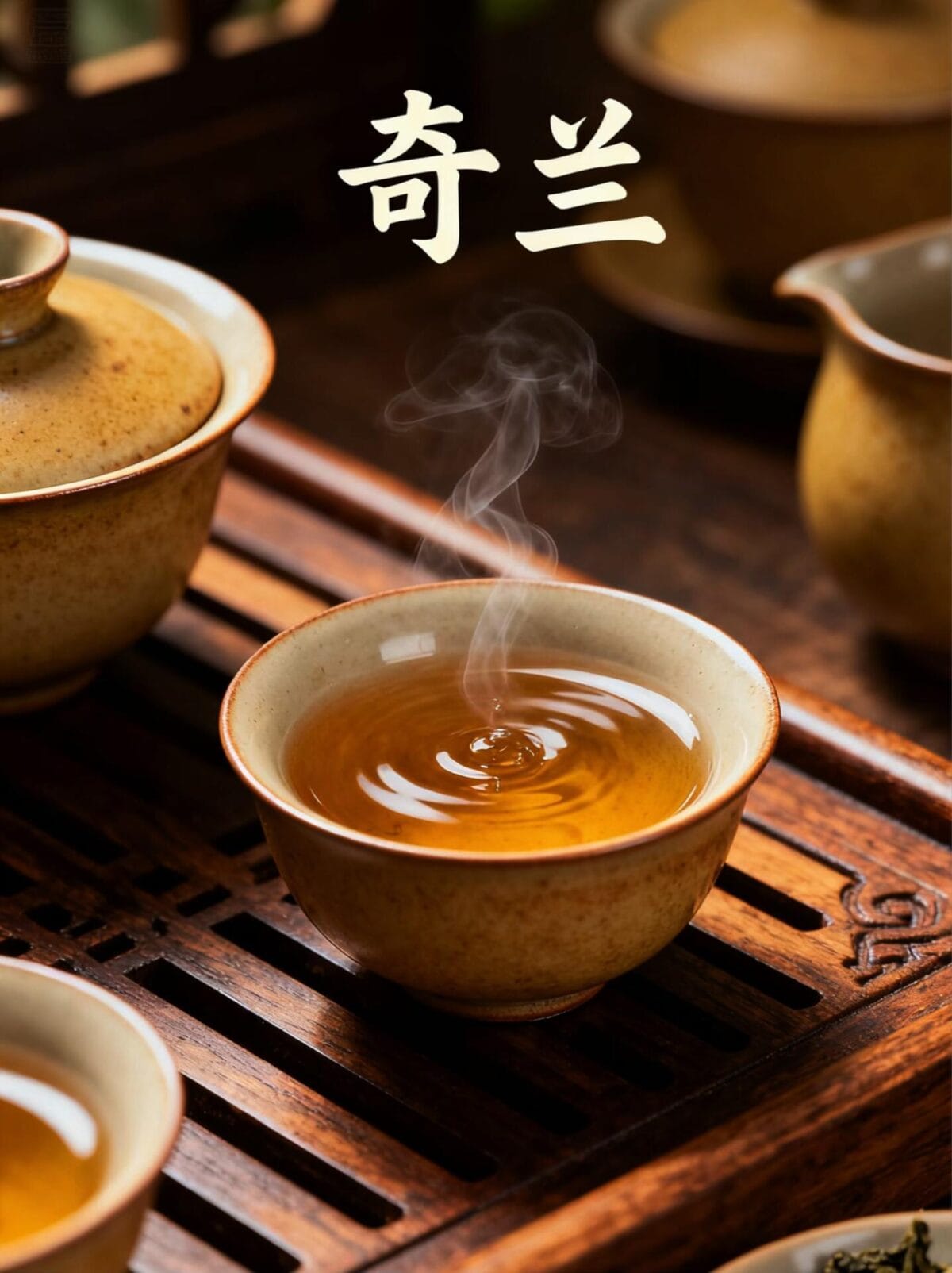
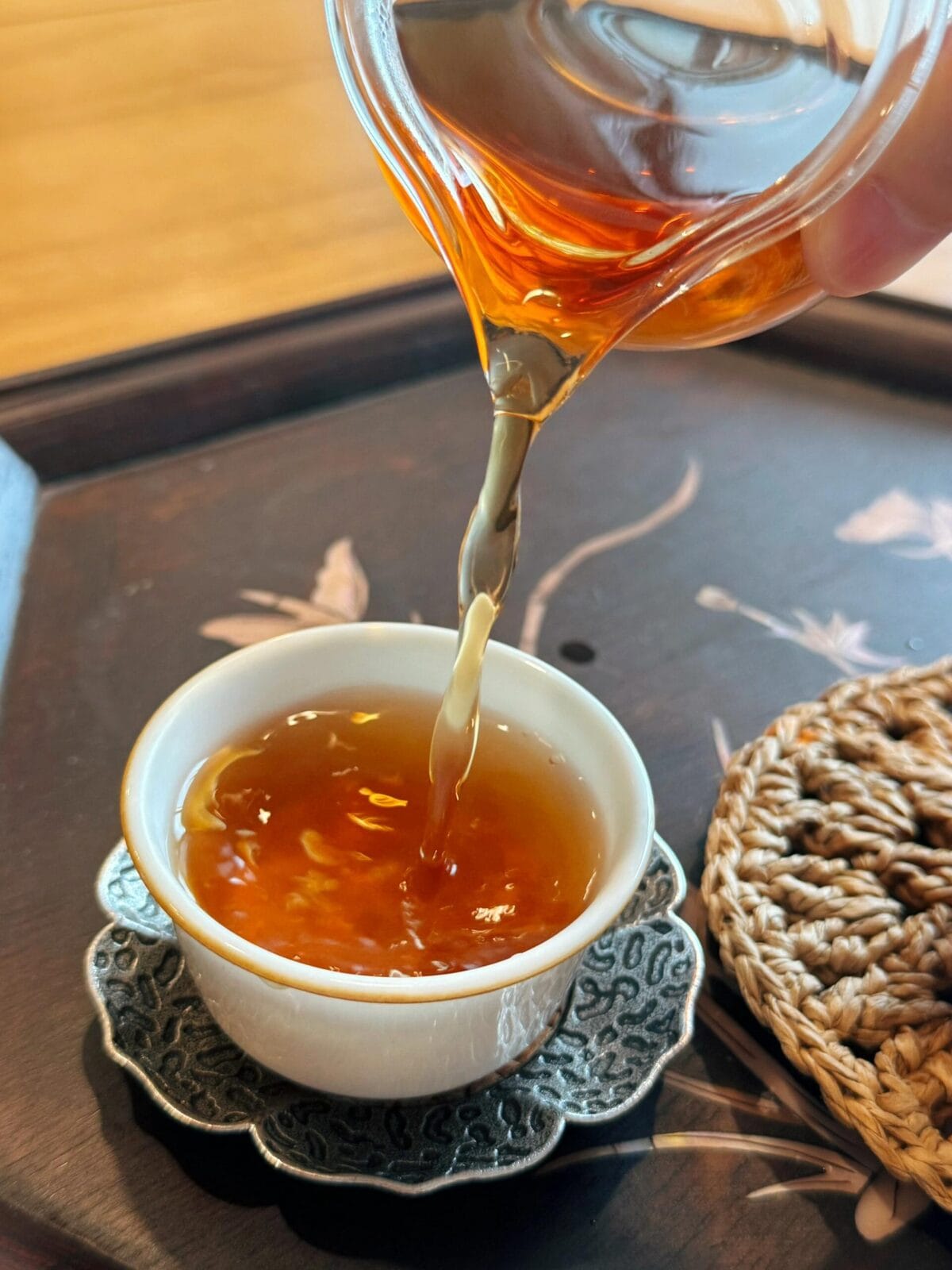
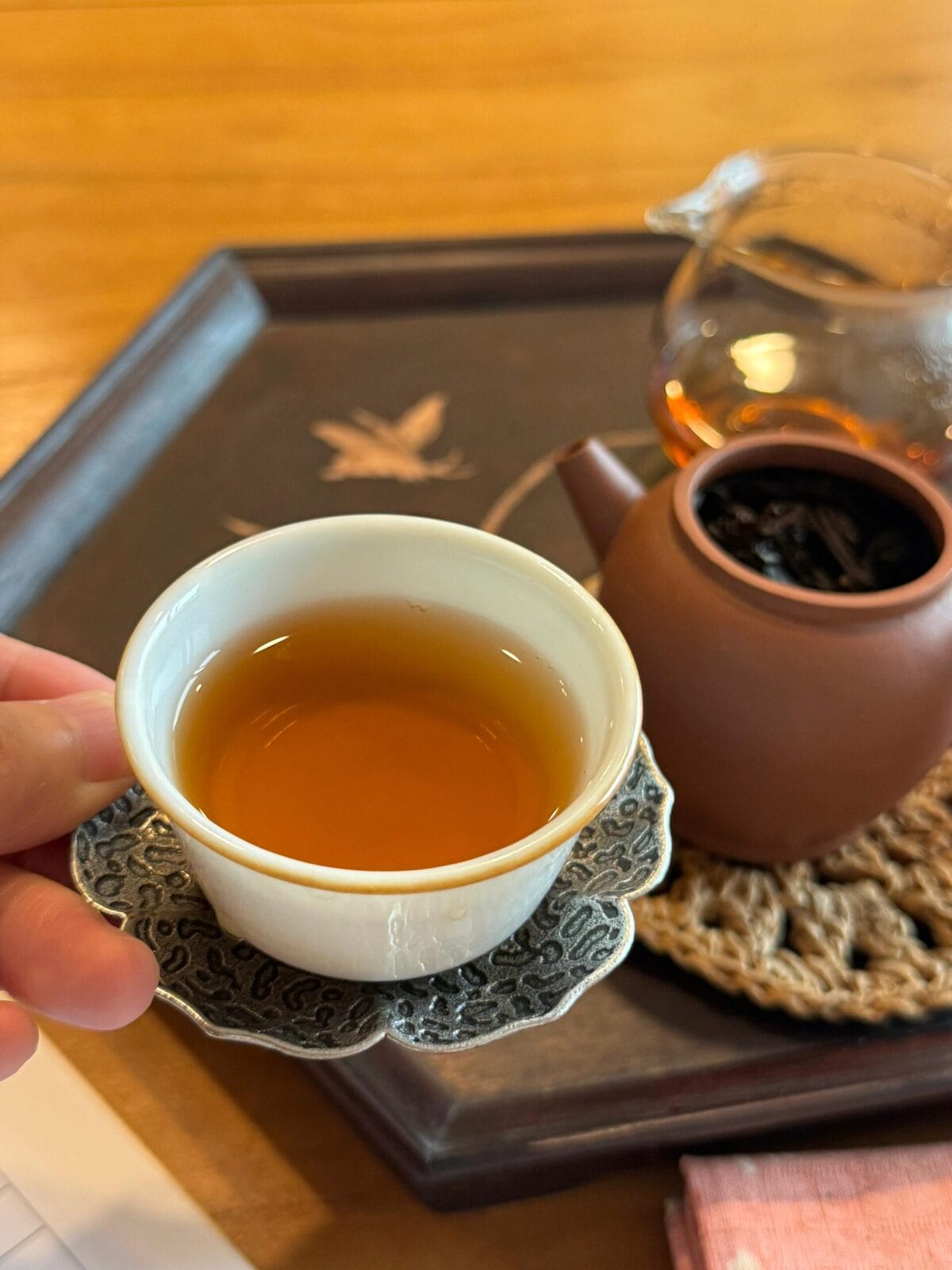
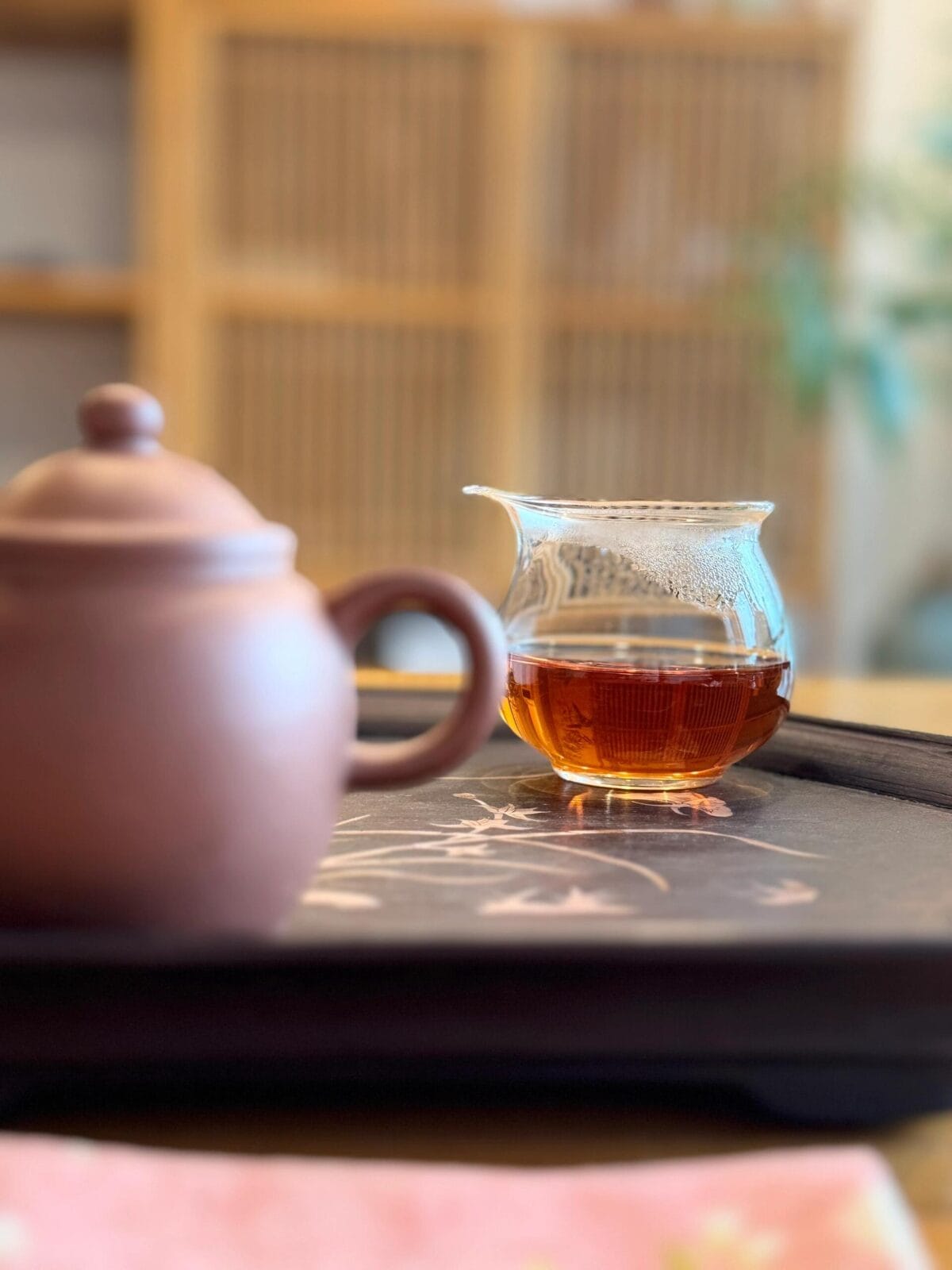
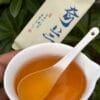
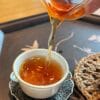
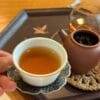
8. Savor: The brewed liquor is a radiant amber-orange. Inhale the intense, sweet orchid and citrus blossom aroma from the cup. The taste is a complex layering of that initial floral burst, a creamy mid-palate, and the signature mineral, almost peppery, finish of Wuyi rock tea.
Why Our 336g Qi Lan Rock Oolong Stands Apart
In the world of Yan Cha, authenticity and skill define quality. Our offering is a benchmark.
True Wuyi Mountain Origin: Sourced from core production areas within the Wuyi Mountain National Reserve, ensuring authentic terroir and the genuine “rock rhyme” character.
Traditional Charcoal Roasting Mastery: Processed by experienced masters using the traditional, time-intensive charcoal roasting method. This is what creates the tea’s stability, complexity, and aging potential, unlike modern electric or oven roasting.
Pure Qi Lan Cultivar: This is not a blend but a pure expression of the Qi Lan cultivar, allowing you to fully appreciate its unique aromatic signature.
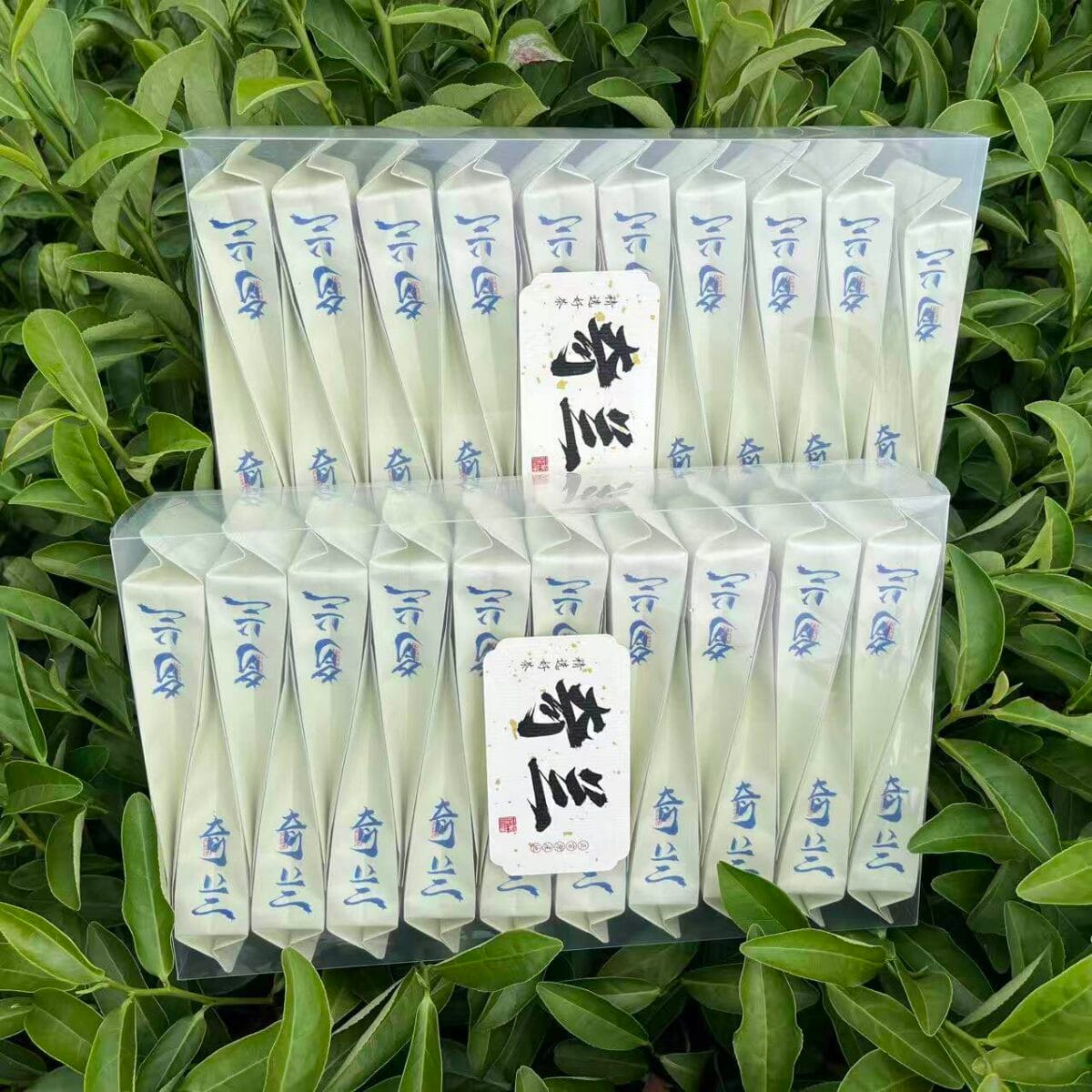
Generous 336g Format: This substantial quantity is curated for the true enthusiast. It allows for deep exploration of the tea’s aging potential (Yan Cha improves with rest) and provides ample leaves for daily Gongfu practice, ensuring you can fully master its brewing and appreciate its evolution over many sessions.
For the Connoisseur of Aroma & Terroir
Qi Lan Rock Oolong Tea is crafted for the drinker with a discerning palate and a curious mind.
The Aroma Hunter: If you are captivated by intensely fragrant teas like high-mountain oolongs or jasmine teas, the potent, natural orchid bouquet of Qi Lan will be a revelation.
The Wuyi Aficionado: For lovers of Da Hong Pao, Rou Gui, or Shui Xian seeking to explore another classic, singular cultivar within the Yan Cha spectrum.
The Terroir Seeker: For those who appreciate wines or foods that express a clear sense of place, the unmistakable mineral “rock rhyme” of this tea offers a direct taste of Wuyi Mountain’s ancient geology.
The Gongfu Ritualist: For practitioners who find meditation in the tea ceremony, the precise brewing requirements and rewarding, multi-infusion journey of this tea make it an ideal focus.
Embark on a Remarkable Journey of Scent & Substance
Our Qi Lan Rock Oolong Tea is an invitation to experience one of Wuyi Mountain’s most fragrant treasures. It is a study in contrasts—delicate yet powerful, floral yet earthy—that showcases the heights Chinese tea artistry can achieve. With its intoxicating orchid aroma, profound mineral depth, and the generous offering of 336g, it is designed to be a cornerstone of any serious tea exploration.
Master the brew. Taste the rock. Claim your 336g of this remarkable orchid-scented Yan Cha today.
Size
125g (Loose), 250g (Original Pack)
Reviews
There are no reviews yet.
Be the first to review “Qi Lan Rock Oolong Tea: 336g of Intense Orchid Aroma & Rock Rhyme”Cancel Reply


Reviews
There are no reviews yet.