High-Quality Chinese Tea & Teaware.We focus on authentic flavors. Every tea is sourced from the best farms and made by experienced artisans to keep the complex taste. Our teaware combines beauty and practicality. Discover the essence of traditional tea culture with us. DismissSkip to content
Rosa Roxburghii Black Tea: 250g 500g Antioxidant Rosa Tea Pure Joy
$98.00–$175.00Price range: $98.00 through $175.00
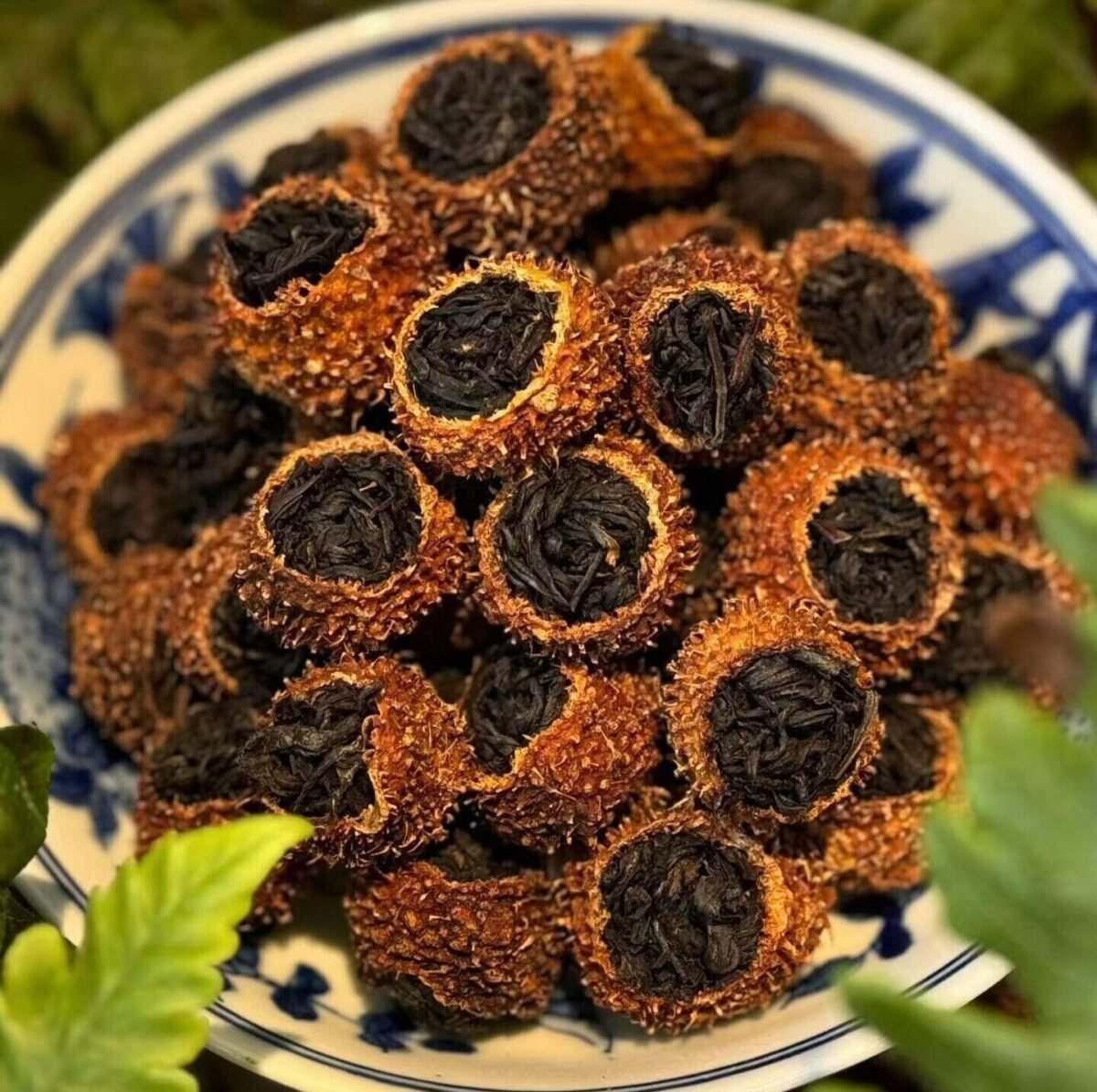
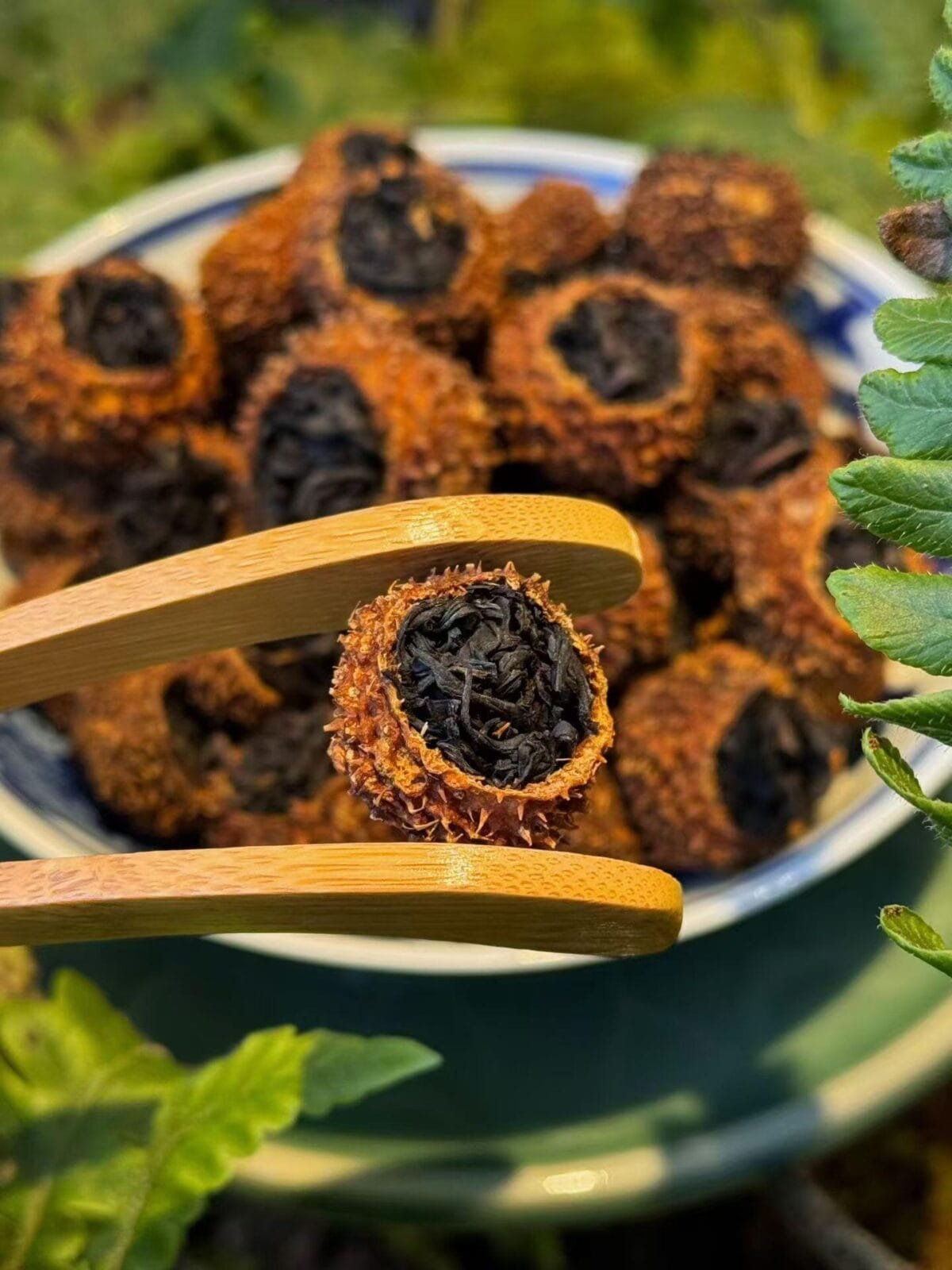
Junxistea Rosa Roxburghii Black Tea uses 100% large Cili fruit from Guizhou blended with premium black tea, packed in 250g and 500g. It delivers sweet-tart vitamin-C wellness for immunity, eye comfort, antioxidant support, weight-friendly enjoyment, and glowing skin.
1. Rosa Roxburghii Black Tea: 250g and 500g Large-Fruit Wellness Overview
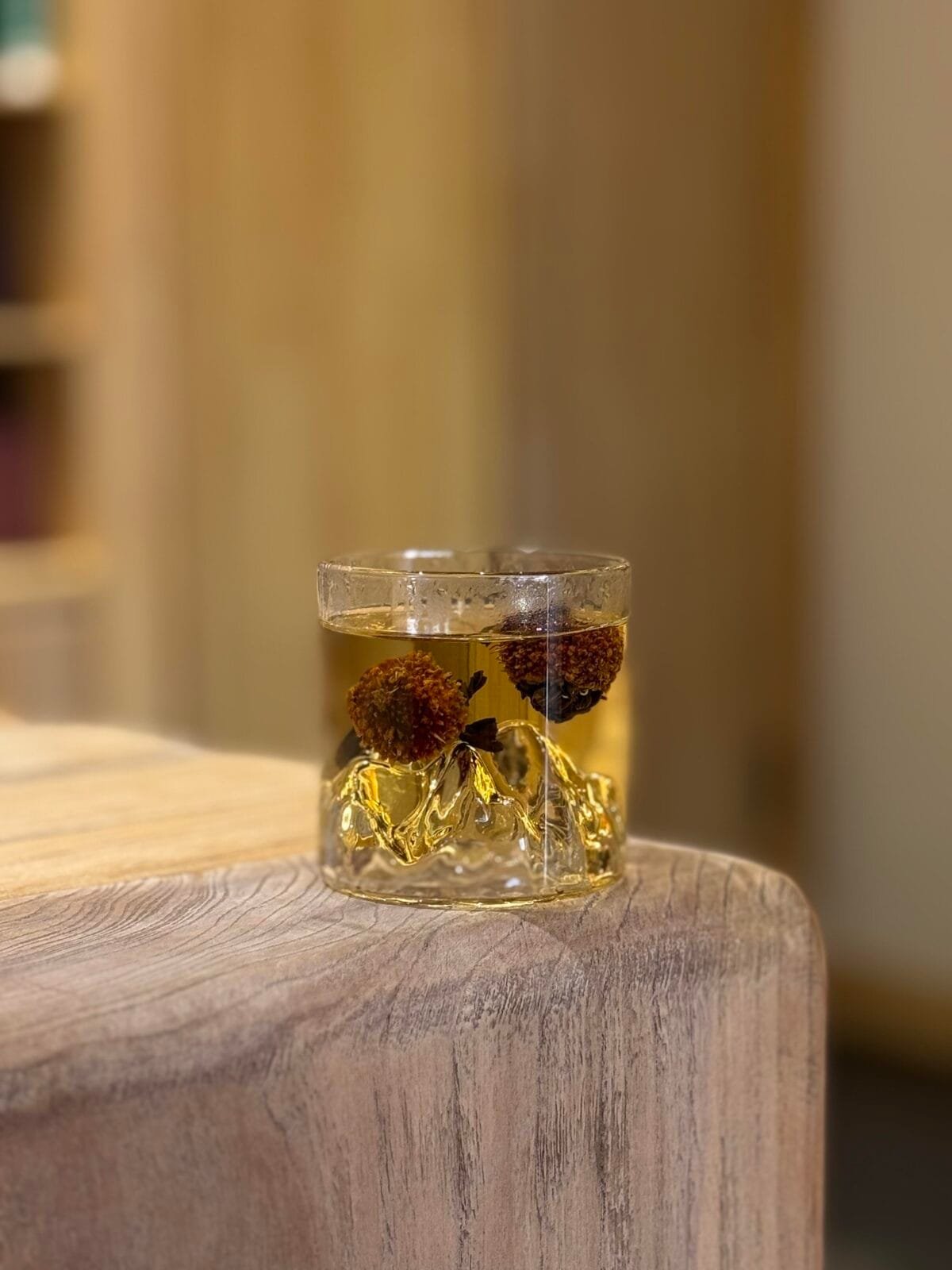
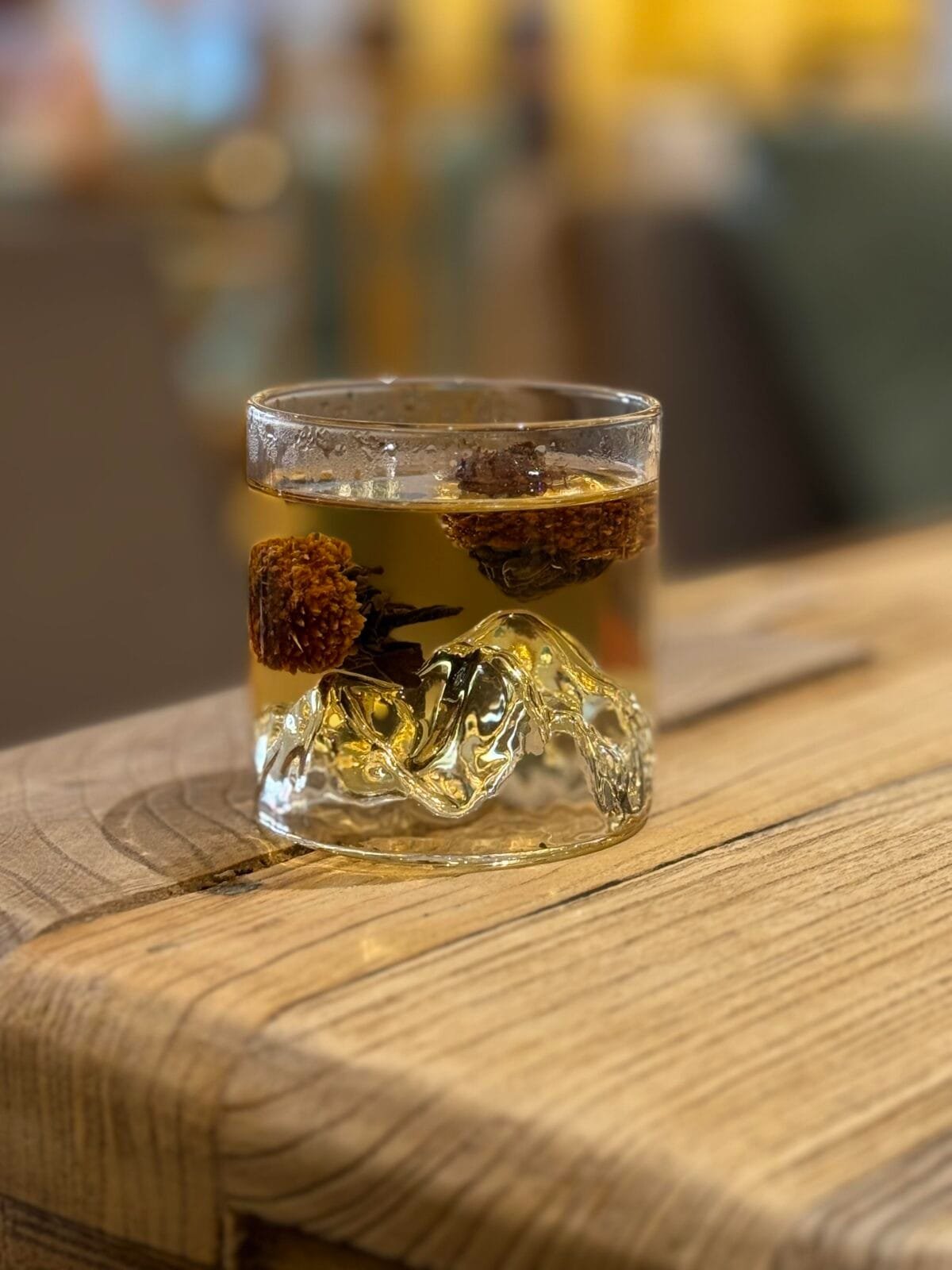
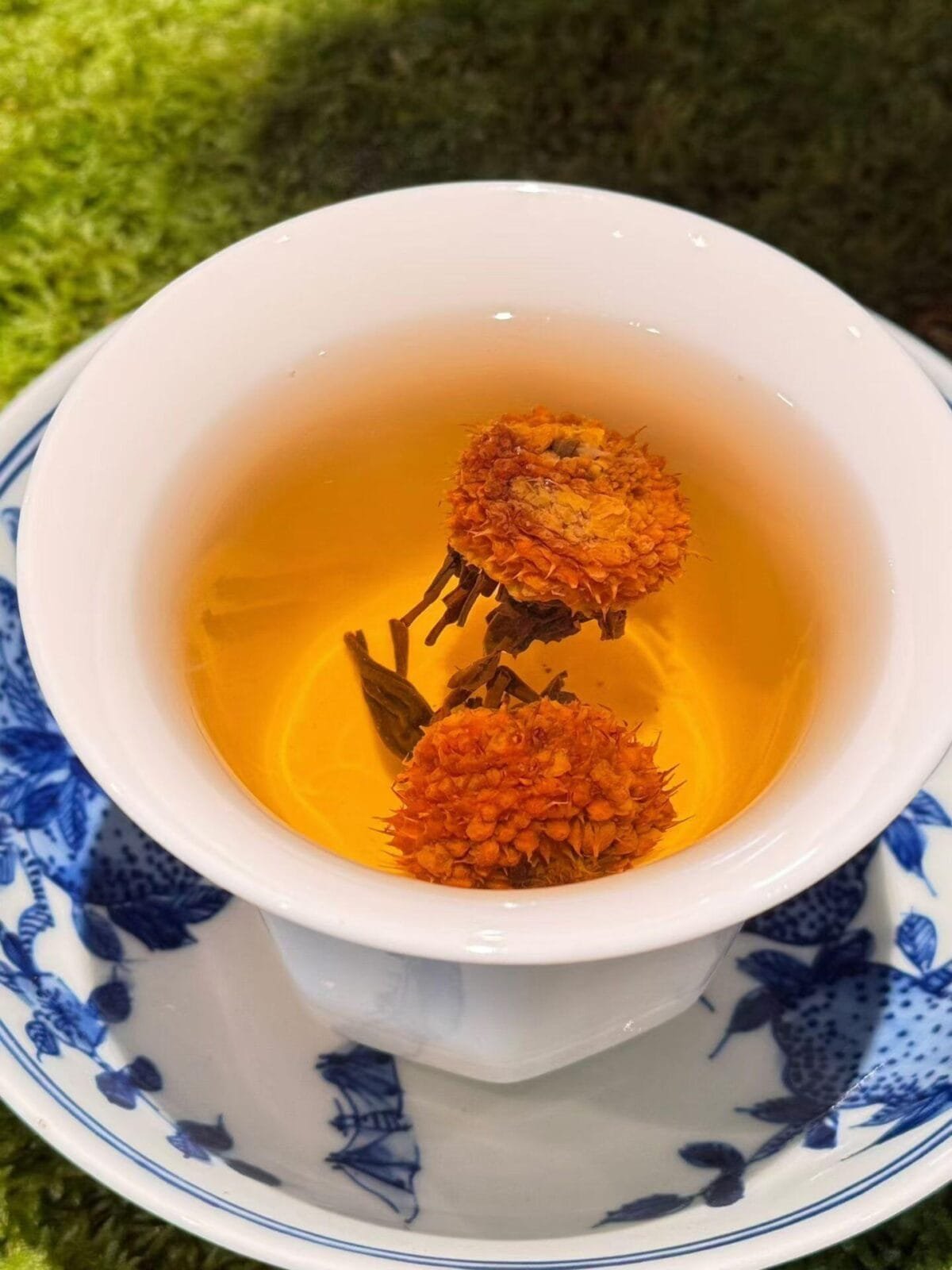
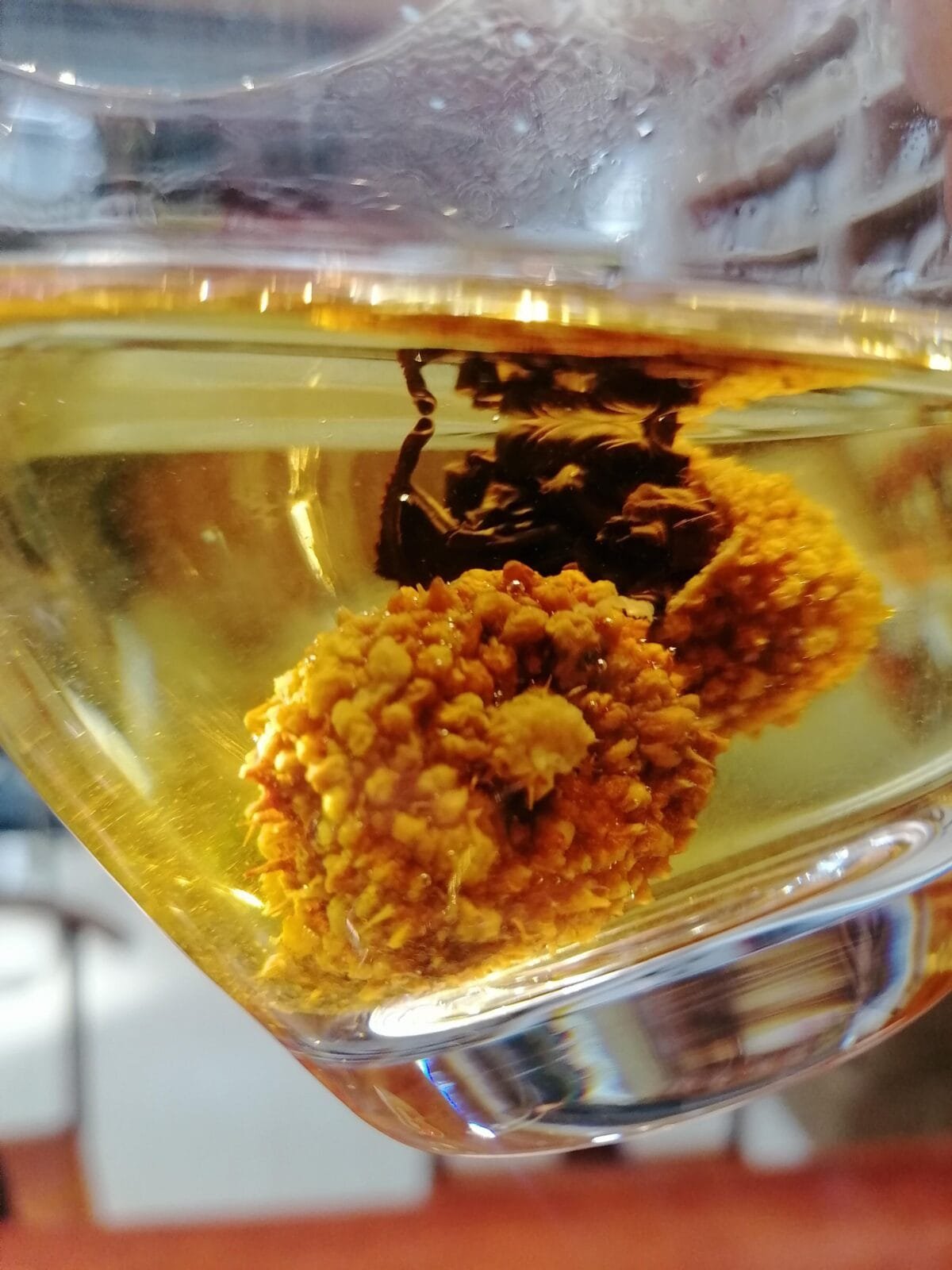
Rosa Roxburghii Black Tea is Junxistea’s large-fruit Cili black tea made for the European and American wellness market. Every 250g and 500g pack contains whole, hand-selected large Rosa roxburghii fruit blended with premium fully oxidized black tea. The result is a sweet-tart, fruity, mildly honeyed cup with serious nutritional depth.
Rosa Roxburghii Black Tea starts with Guizhou Cili, a regional superfruit often called the “king of vitamin C” in China. Fresh large Cili can contain far more vitamin C than common citrus, which makes this blend ideal for customers who want taste plus functional wellness. We keep the fruit pieces large so the texture, aroma, and nutrient release remain slow and clean.
Rosa Roxburghii Black Tea is sold in two sizes for different routines. The 250g pack suits first-time buyers, couples, and office rotation. The 500g pack suits daily drinkers, cold-brew fans, and families who want a steady vitamin-C black tea supply. Both sizes use the same large-fruit standard and the same black-tea base.
Rosa Roxburghii Black Tea is positioned as a premium fruit black tea, not a medicinal product. It is designed for hot gongfu-style brewing, western mug brewing, and long cold brew. The first 10% of every product page, every brewing guide, and every wholesale sheet should introduce Rosa Roxburghii Black Tea exactly this way: large Guizhou Cili, premium black tea, 250g and 500g, wellness-first flavor.
2. Rosa Roxburghii Black Tea: 5 Reasons Large Cili Fruit Matters
Rosa Roxburghii Black Tea tastes better when the fruit is large because bigger ripe Cili contains more matured pulp, steadier sweetness, and a softer seed-to-flesh ratio. Small or broken fruit often tastes sharper, dustier, and less round. Large fruit gives the black tea more body to balance.
2.1 Rosa Roxburghii Black Tea: 3 Large-Fruit Selection Standards
Rosa Roxburghii Black Tea uses only fruit above a fixed diameter grade. Our team rejects undersized, shriveled, moldy, or over-fermented Cili before processing. First, color must be golden-amber when dried. Second, flesh must be thick enough to survive low-temperature drying without turning brittle. Third, aroma must be fruity, not grassy or fermented-sour.
Rosa Roxburghii Black Tea benefits from uniform fruit size because extraction becomes predictable. When every piece is large and similar, the brewer gets the same vitamin-C fruit note in cup one and cup eight. Uniformity is a quality control issue, not a marketing detail.
2.2 Rosa Roxburghii Black Tea: 4 Guizhou Terroir Numbers for Better Flavor
Rosa Roxburghii Black Tea sources Cili from Guizhou highlands where altitude, mist, and mineral soil improve fruit density. We track four terroir numbers: average growing altitude, annual sunshine hours, seasonal rainfall, and soil pH. Higher plateau sunlight supports natural sugar accumulation, while cool nights preserve aroma compounds in the fruit skin.
Rosa Roxburghii Black Tea also relies on harvest timing. Late-summer and early-autumn large Cili is riper, sweeter, and richer in vitamin C than early-green fruit. Our craft team schedules plucking windows by micro-climate rather than by calendar alone, because Rosa Roxburghii Black Tea quality begins in the orchard.
3. Rosa Roxburghii Black Tea: 6-Step Craft and Processing System
Rosa Roxburghii Black Tea is not simply “fruit added to tea.” It is a coordinated process with six monitored stages: black-tea base production, large-fruit receiving, cleaning and de-spining, slicing or hollowing, low-temperature fruit drying, and final blending-resting. Each step protects vitamin C while building a smooth black-tea body.
3.1 Rosa Roxburghii Black Tea: 1 Withering Method for the Black Tea Base
Rosa Roxburghii Black Tea starts with tender Camellia sinensis leaves suitable for black tea. After plucking, leaves are spread thinly for controlled withering. Withering reduces surface moisture, softens cell structure, and prepares the leaf for rolling. A correct wither prevents harsh bitterness in the final Rosa Roxburghii Black Tea blend.
Rosa Roxburghii Black Tea uses partial indoor and partial shade withering depending on weather. The goal is even moisture loss, not rapid wilting. Even withering makes later oxidation smoother and helps the fruit aroma merge with black-tea maltiness instead of fighting it.
3.2 Rosa Roxburghii Black Tea: 2 Rolling Techniques for Fruit-Tea Balance
Rosa Roxburghii Black Tea uses two rolling approaches. The first light roll shapes the black-tea leaf and breaks surface cells for oxidation. The second gentler roll after partial oxidation tightens the strip and improves liquor thickness. Proper rolling prevents the black tea from overpowering the delicate Cili fruit in Rosa Roxburghii Black Tea.
Rosa Roxburghii Black Tea requires rolled leaves that infuse steadily. If the leaf is too tightly balled, fruit aroma stays locked out. If too loosely rolled, the cup turns thin. Our rolling recipe is tuned so the black-tea base and large Cili pieces open together during brewing.
3.3 Rosa Roxburghii Black Tea: 3 Oxidation Stages and Fruit Infusion Timing
Rosa Roxburghii Black Tea oxidizes the black-tea base in three monitored stages. Early oxidation develops floral-malty precursors. Middle oxidation builds copper-color leaf and rounded sweetness. Late oxidation fixes a full black-tea character that can support tart Cili fruit without becoming astringent.
Rosa Roxburghii Black Tea adds fruit at a controlled point rather than after full cooling only. In some batches, partially dried large Cili is layered with oxidized leaf for short infusion resting; in other batches, fully dried fruit is blended post-roast. Both methods aim for integrated aroma, not two separate flavors competing in the cup.
3.4 Rosa Roxburghii Black Tea: 4 Low-Temperature Drying Rules
Rosa Roxburghii Black Tea dries the fruit at low-to-moderate temperature to preserve heat-sensitive vitamin C and aromatic esters. High heat can darken the fruit, flatten acidity, and reduce the bright “superfruit” character that makes Rosa Roxburghii Black Tea special. We log temperature, humidity, and drying duration for every batch.
3.4.1 Rosa Roxburghii Black Tea: 80°C Drying for 2 Texture Goals
Rosa Roxburghii Black Tea commonly uses around 80°C for large-fruit drying when the recipe calls for whole-fruit infusion. The first texture goal is chewy, rehydratable pulp that slowly releases sweetness. The second goal is a dry outer surface that resists mold during 250g and 500g storage. Eighty-degree drying protects both goals without scorching fruit sugars.
3.4.2 Rosa Roxburghii Black Tea: 12-Hour Resting for 1 Unified Flavor Merge
Rosa Roxburghii Black Tea rests at least 12 hours after final blending. Resting equalizes moisture between black-tea leaf and Cili pieces, softens extreme tartness, and allows fruity-milky aroma compounds to settle. The finished Rosa Roxburghii Black Tea smells integrated—sweet, tart, malty, and gently honeyed—rather than like separate ingredients.
4. Rosa Roxburghii Black Tea: 8 Nutrition Numbers for Immune and Eye Support
Rosa Roxburghii Black Tea is valued because large Cili carries an unusual nutrient cluster. Published Rosa roxburghii black-tea research reports higher vitamin C and soluble-sugar content than regular black tea, plus phenolics and flavonoids that support antioxidant activity. These compounds make Rosa Roxburghii Black Tea a smart wellness alternative to plain sweet drinks.
4.1 Rosa Roxburghii Black Tea: 2000mg Vitamin C Reference per 100g Fresh Fruit
Rosa Roxburghii Black Tea is benchmarked against fresh large Cili, which is commonly cited around 2000mg vitamin C per 100g fresh fruit in Chinese horticultural references. After drying and blending, absolute numbers fall, but the cup still delivers meaningful fruit-derived vitamin C. For European and US buyers, Rosa Roxburghii Black Tea offers a natural alternative to synthetic vitamin-C sodas.
Rosa Roxburghii Black Tea communicates vitamin C honestly: it supports normal immune function as part of a balanced diet. We avoid disease-treatment claims. The marketing angle is simple—Rosa Roxburghii Black Tea is tasty, fruity, and naturally nutrient-dense.
4.2 Rosa Roxburghii Black Tea: 5 Antioxidant Compounds for Anti-Aging Wellness
Rosa Roxburghii Black Tea contains several antioxidant-related components: vitamin C, total phenolics, flavonoids, certain rose-hip-like carotenoids from the fruit, and SOD-associated antioxidant enzymes in raw Cili. Together they help neutralize free radicals linked to daily oxidative stress. Regular Rosa Roxburghii Black Tea consumption can be part of an anti-aging lifestyle centered on hydration, sleep, and whole foods.
Rosa Roxburghii Black Tea is not an anti-aging cure. It is a flavorful source of plant antioxidants that complements skincare, sun protection, and healthy nutrition. The antioxidant story sells best when tied to taste: bright fruit, smooth black tea, no artificial additives.
4.3 Rosa Roxburghii Black Tea: 3 Eye-Care Nutrients for Comfortable Vision
Rosa Roxburghii Black Tea includes fruit carotenoids and vitamin-C-related micronutrients that support normal eye wellness. Carotenoids are precursors for visual-health pathways, while vitamin C helps protect ocular tissues from oxidative stress. For screen-heavy customers in Europe and the US, Rosa Roxburghii Black Tea is an easy daily eye-comfort beverage.
Rosa Roxburghii Black Tea should be positioned as supportive, not corrective. We recommend it for people who want a pleasant alternative to sugary juices and energy drinks. The eye-care message works best when combined with the product’s overall antioxidant and hydration benefits.
5. Rosa Roxburghii Black Tea: 7 Weight-Friendly and Blood-Sugar Facts
Rosa Roxburghii Black Tea fits weight-management routines because it is flavorful without added sugar. The natural fruit tartness satisfies cravings, the black-tea body provides fullness, and the absence of syrup keeps calories reasonable. Many customers replace soda or sweetened lattes with Rosa Roxburghii Black Tea for fewer empty calories.
5.1 Rosa Roxburghii Black Tea: 2 Sugar-Control Mechanisms for Daily Balance
Rosa Roxburghii Black Tea may support blood-sugar balance through two gentle mechanisms. First, Cili polyphenols and fiber-like fruit compounds can moderate post-meal glucose response when consumed as part of a meal plan. Second, the tart-sweet flavor reduces the need for added sugar in the cup. Rosa Roxburghii Black Tea is not diabetic treatment, but it is a smarter sweet alternative.
Rosa Roxburghii Black Tea should be brewed without honey, syrup, or sugar for sugar-control users. Plain hot cups and unsweetened cold brew both work. Customers with diabetes should treat Rosa Roxburghii Black Tea as a dietary supplement to medical advice, not a replacement for medication.
5.2 Rosa Roxburghii Black Tea: 6-Week Lightweight Routine for Craving Control
Rosa Roxburghii Black Tea can be used in a six-week routine: one hot cup mid-morning, one plain cold brew in the afternoon, and one light evening cup if caffeine tolerance allows. The fruity aroma reduces snack cravings, while the black-tea caffeine provides gentle alertness. This routine makes Rosa Roxburghii Black Tea a sustainable weight-friendly habit.
Rosa Roxburghii Black Tea works best alongside protein, vegetables, and daily walking. We do not promise rapid fat loss. Instead, Rosa Roxburghii Black Tea helps customers enjoy a satisfying beverage that does not derail calorie goals.
6. Rosa Roxburghii Black Tea: 9 Beauty and Glowing-Skin Benefits
Rosa Roxburghii Black Tea supports beauty from the inside through vitamin C and antioxidants. Vitamin C is essential for collagen synthesis, flavonoids help protect skin from oxidative stress, and proper hydration from daily tea intake improves perceived skin luminosity. Rosa Roxburghii Black Tea is a beauty beverage, not a topical replacement for sunscreen or dermatology care.
6.1 Rosa Roxburghii Black Tea: 4 Collagen-Support Nutrients in Every Cup
Rosa Roxburghii Black Tea supplies four collagen-supporting inputs: vitamin C from Cili, polyphenols from black tea, flavonoids from fruit skin, and trace minerals often present in Guizhou Cili. These nutrients assist the body’s natural collagen maintenance. A daily Rosa Roxburghii Black Tea habit pairs well with a whole-food diet for brighter, smoother-looking skin.
Rosa Roxburghii Black Tea beauty marketing should emphasize consistency. One cup will not change skin texture, but daily consumption over weeks can complement skincare routines. The “glowing skin tea” angle is most effective when tied to real nutrients rather than unrealistic promises.
7. Rosa Roxburghii Black Tea: 10 Brewing Steps for 250g and 500g Packs
Rosa Roxburghii Black Tea is flexible across western, gongfu, and cold-brew methods. Because large fruit releases flavor slowly, slightly longer steeping or warmer water improves vitamin-C fruit extraction. The instructions below standardize the 250g and 500g experience so new buyers succeed on the first brew.
7.1 Rosa Roxburghii Black Tea: 5g Western Mug Brew Guide
Rosa Roxburghii Black Tea for western mugs uses 5g leaf-fruit mix per 300ml. Heat water to 90–95°C, rinse the mix for 5 seconds if desired, then steep 3–4 minutes. The first cup is bright and tart; the second steep at 4–5 minutes is rounder and honeyed. Rosa Roxburghii Black Tea rarely turns bitter if fruit proportion is balanced.
Rosa Roxburghii Black Tea can also be brewed at 100°C for stronger body, but very hot water emphasizes tannin from black tea. For vitamin-C fruit brightness, 90–95°C preserves more delicate aroma while still extracting sweetness from large Cili. Adjust Rosa Roxburghii Black Tea strength by grams, not by boiling time alone.
7.2 Rosa Roxburghii Black Tea: 8-Hour Cold Brew Schedule
Rosa Roxburghii Black Tea cold brews beautifully because low temperature extracts fruit sugar without harsh tannins. Use 5–6g per 500ml cold filtered water, refrigerate 8 hours, and strain. The cup is clean, sweet-tart, and refreshing. Rosa Roxburghii Black Tea cold brew is ideal for summer, gym bottles, and sugar-free iced tea menus.
7.2.1 Rosa Roxburghii Black Tea: 3 Cold Brew Ratios for Large Fruit
Rosa Roxburghii Black Tea cold brew can use three ratios: light 4g/500ml for office dri nk, standard 6g/500ml for fruity balance, and rich 8g/500ml for dessert-style iced tea. Large Cili pieces need more time than dust tea, so Rosa Roxburghii Black Tea cold brew should never be rushed under 4 hours. Overnight brewing yields the smoothest result.
8. Rosa Roxburghii Black Tea: 12-Infusion Timeline and Taste Arc
Rosa Roxburghii Black Tea gongfu style can deliver many infusions when the leaf-fruit ratio is correct. Early steeps are tart and aromatic, middle steeps are sweet and malty, and later steeps are soft, mineral, and gently fruity. Tracking a 12-step arc helps customers understand the value of 250g and 500g packs.
Rosa Roxburghii Black Tea infusion one opens with citrus-like Cili brightness and light black-tea malt. Infusions two through four deepen sweetness and body. Infusions five through eight highlight honeyed fruit and cocoa-like black tea. Infusions nine through twelve fade to clean, sweet, hydrating herbal-fruit texture. Throughout the arc, Rosa Roxburghii Black Tea stays smooth rather than astringent.
Rosa Roxburghii Black Tea infusion count depends on grams, vessel size, water temperature, and fruit freshness. Large fruit generally sustains flavor longer than small broken pieces. For retail pages, we summarize the arc simply: bright start, sweet middle, soft finish—the signature of Rosa Roxburghii Black Tea.
9. Rosa Roxburghii Black Tea: 4 Storage Rules for Freshness
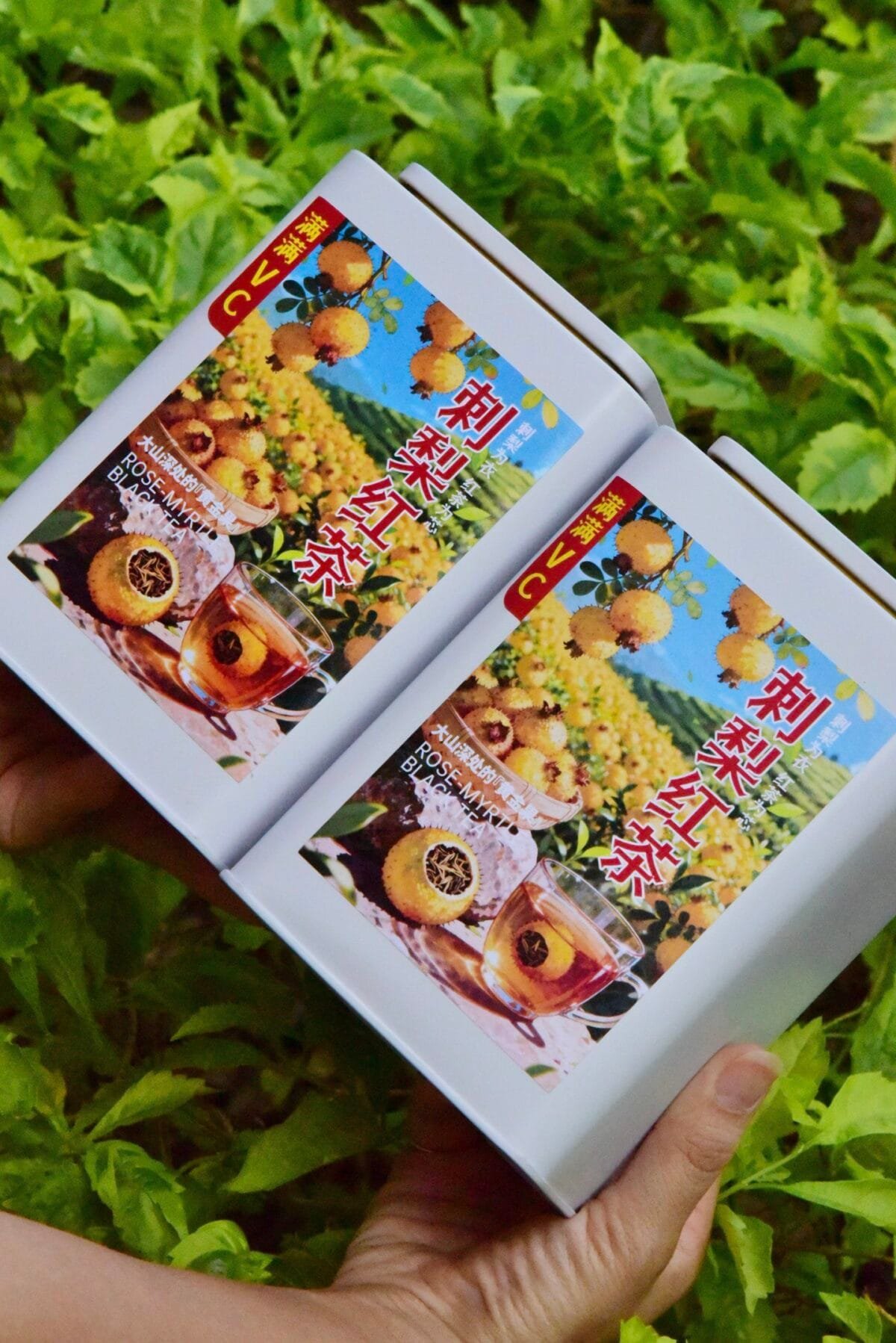
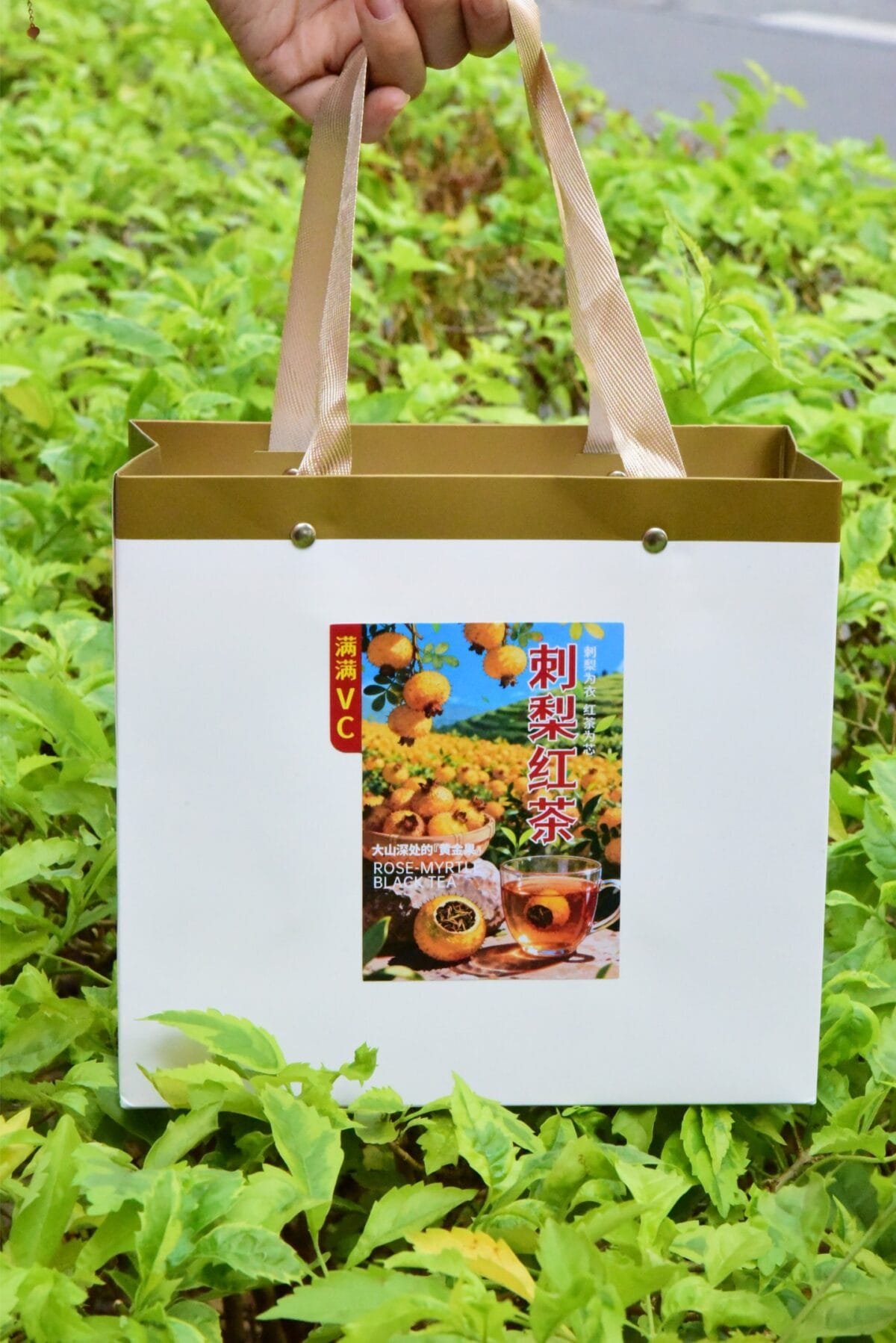
Rosa Roxburghii Black Tea should be stored sealed, cool, dry, and away from strong odors. Fruit pieces absorb moisture faster than plain black tea, so humidity control is critical. The 250g and 500g packs use foil or tin-compatible sealing to preserve vitamin-C aroma and prevent clumping.
Rosa Roxburghii Black Tea avoids direct sunlight, which degrades color and fruit volatility. A pantry, tea cabinet, or air-conditioned storage room is ideal. Once opened, Rosa Roxburghii Black Tea should be resealed tightly; for long-term holding, divide the 500g pack into smaller jars to reduce air exposure.
10. Rosa Roxburghii Black Tea: 3 Junxistea Quality Promises
Rosa Roxburghii Black Tea is promised on traceability: Guizhou large Cili origin, documented black-tea base, and batch-level drying logs. Every Rosa Roxburghii Black Tea lot is checked for dry-leaf uniformity, moisture content, aroma cleanliness, and liquor color before packing.
Rosa Roxburghii Black Tea is promised on safety: low pesticide-risk sourcing, hygienic fruit cleaning, and allergen-aware facility handling. Every Rosa Roxburghii Black Tea shipment includes standard documentation suitable for EU and US import expectations where applicable.
Rosa Roxburghii Black Tea is promised on consistency: same large-fruit grade in 250g and 500g, same vitamin-C wellness positioning, same brewing recommendation. Repeat customers should taste the same
Size
250g, 500g
Reviews
There are no reviews yet.
Be the first to review “Rosa Roxburghii Black Tea: 250g 500g Antioxidant Rosa Tea Pure Joy”Cancel Reply










Reviews
There are no reviews yet.