Mastering Wuyi Yancha: 5 Deadly Brewing Mistakes You Must Avoid

Welcome to one of the most complex and captivating worlds of Chinese oolong tea: Wuyi Yancha. For many Western tea lovers, the first encounter with Wuyi Yancha (also known as Rock Tea or Wuyi Rock Oolong Tea) can be both exciting and daunting. Its flavor profile—rock rhyme (Yan Yun), mineral sensation, roasted nuts, dried fruit, and orchid fragrance—sounds enticing, but if brewed incorrectly, you might end up with nothing more than a bitter, bland liquid that leaves you wondering what all the fuss is about.
Brewing Wuyi oolong tea is more than just pouring hot water on leaves; it is a ritual and skill known as “Gongfu Cha,” meaning “making tea with effort and heart.” To help you get the ultimate enjoyment from every gram of this precious tea, we’ve listed the five deadliest mistakes novices and even seasoned drinkers make when attempting cliff tea brewing. Avoid these, and you will fully appreciate why Wuyi Yancha is considered the king of oolong teas.
1. The First Deadly Mistake: Using the Wrong Water
This is the quickest and most common way to ruin a premium Wuyi Yancha experience. The quality of water directly impacts the flavor of the final brew. Tap water, often containing chlorine, fluoride, and minerals, can react with the delicate compounds in the tea, creating a “flat” or off-putting taste that masks the tea’s inherent “rock bone and floral aroma.” Even some filtered water, if still high in mineral content (hard water), can make the liquor cloudy and mute the fragrance release.
How to Avoid It:
For a truly perfect How to brew Wuyi Yancha session, always use pure, soft water. The ideal choices are:
• Mountain Spring Water or Natural Spring Water: The gold standard, prized for its purity and subtle mineral balance that enhances the tea’s sweetness and body.
• High-Quality Bottled Water: Look for brands with a low Total Dissolved Solids (TDS) value (<50 ppm), such as certain distilled or reverse-osmosis treated waters.
• Filtered Tap Water: Use a high-quality water filter (like a reverse osmosis system) to remove chlorine and most minerals. Avoid simple carbon filters that only remove chlorine, as they don’t address water hardness.
Investing in good water is the simplest, most effective upgrade you can make to your Wuyi Yancha journey.
1.1 Why Water Temperature is Crucial
While many believe all oolongs need boiling water, which is largely correct, the devil is in the details. Using under-boiled or low-temperature water is the second major sin in cliff tea brewing. Wuyi Yancha leaves are deeply roasted and tightly rolled, requiring near-boiling high heat (95-100°C / 203-212°F) to effectively “wake up” the leaves and extract the deep aromatic compounds and minerals that create its complex flavor and satisfying “rock rhyme” body.
Brewing with insufficiently hot water leads to under-extraction. The liquor will taste weak, watery, with only a hint of aroma, and completely lacking the signature robust body and long-lasting sweet aftertaste. You’ll be left with a pale imitation that does no justice to the tea leaves you’re using.
How to Avoid It: Always bring your water to a full, rolling boil. A helpful tip is to warm your brewing vessel (gaiwan or small teapot) with some boiling water before adding the tea leaves for the first infusion. This prevents an instant temperature drop when hot water hits a cold vessel. For subsequent infusions, ensure your kettle returns to a full boil before each pour. This is a non-negotiable foundation for brewing premium Wuyi oolong tea.
2. The Second Deadly Mistake: Improper
The heart of the Gongfu method lies in exploring the tea’s flavor evolution through multiple short infusions. A common misconception is to steep Wuyi Yancha for a long time, like black tea. This is a fatal error. Over-steeping releases an overwhelming amount of tannins and caffeine all at once, resulting in a brew that is intensely bitter, astringent, and completely overpowers the delicate aromas and sweet finish.
How to Avoid It: Master Gongfu Timing. Use a timer and follow these general guidelines as a starting point:
• First Rinse/Awakening: A quick pour of boiling water, immediately poured out. Not for drinking, its purpose is to awaken and clean the leaves.
• Infusions 1-3: Steep for 5-10 seconds. This is when the high fragrance and initial flavors are released.
• Infusions 4-6: Gradually increase steep time by 5-10 seconds each time (e.g., 15s, 25s, 35s). As the leaves unfurl, the deeper, sweeter notes and mineral sensation (Yan Yun) emerge.
• Later Infusions: Keep tasting and extending the time as needed. A high-quality Wuyi Yancha can easily yield 8-12 or more infusions. The key is to taste each infusion and adjust the next accordingly. This gives you full control over your How to brew Wuyi Yancha session for a balanced experience.
3. The Third Deadly Mistake: Using the Wrong Teaware (or Incorrect Leaf-to-Water Ratio)
Teaware and leaf quantity are interconnected. Using an oversized Western teapot and grabbing a random pinch of leaves will result in a weak, flavorless brew. Conversely, cramming too many leaves into a small gaiwan will lead to an over-concentrated, bitter liquor if not poured out extremely fast. Choosing the right vessel is crucial for controlling the parameters of cliff tea brewing.
How to Avoid It: Invest in Simple Gongfu Ware and Follow the Ratio.
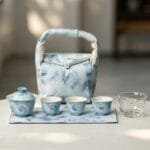
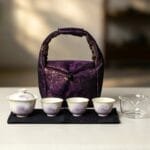
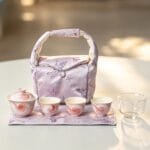
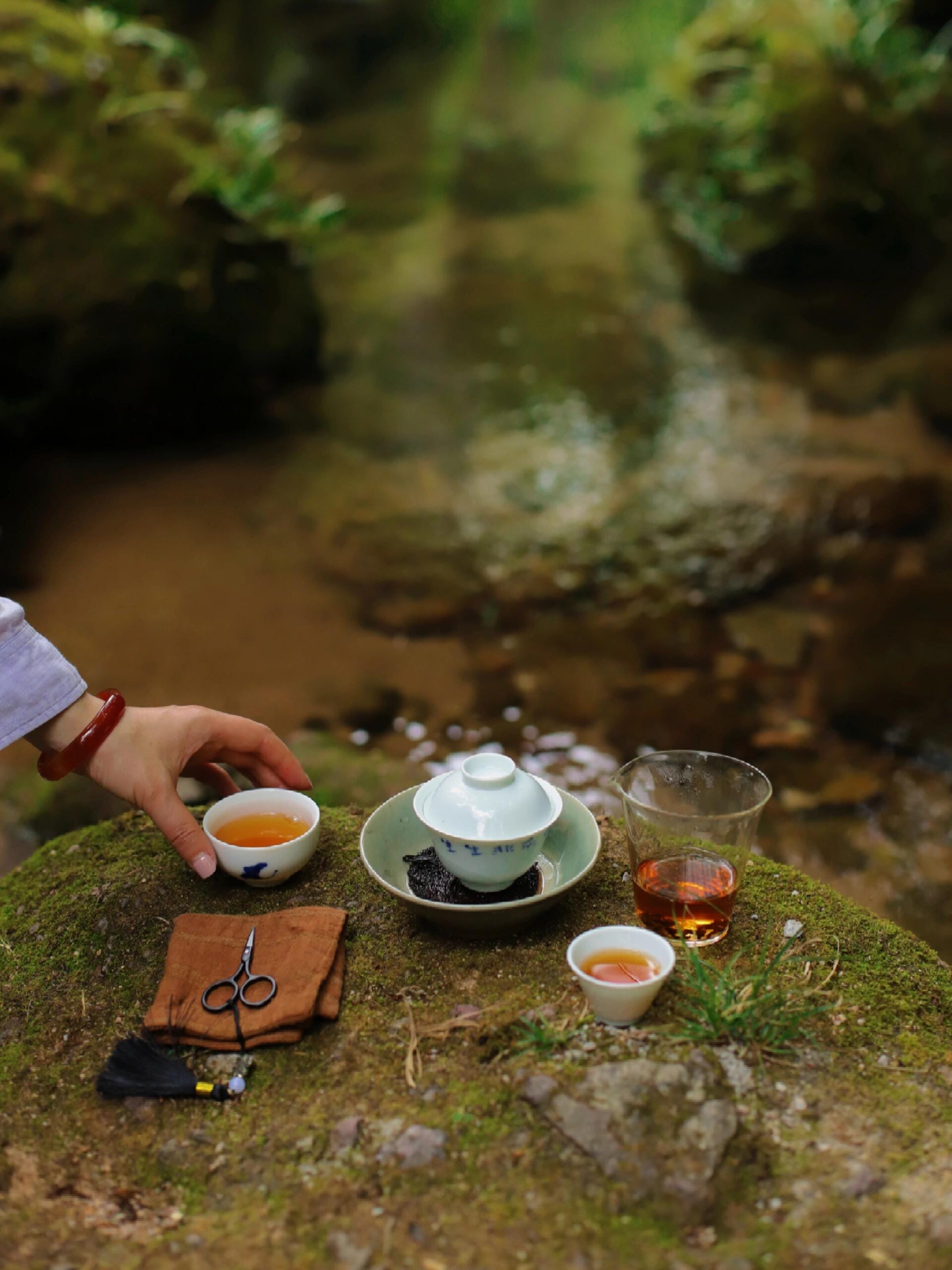
• Ware: A gaiwan (lidded bowl) or a small Yixing clay teapot (around 100-150ml) is ideal for brewing Wuyi Yancha. They allow for precise pouring control, and their material (porcelain or clay) doesn’t retain scents, offering a true taste of each infusion. A “fairness cup” (Gong Dao Bei) for even distribution and small tasting cups are also essential.
• Leaf Amount: The golden rule is a leaf-to-water volume ratio of approximately 1:15 to 1:20. For a standard 120ml gaiwan, this means using 6-8 grams of Wuyi Yancha leaves (roughly filling 1/3 to 1/2 of the gaiwan’s volume). This may seem like a lot, but it is this high ratio, combined with the fast steep times, that produces a rich, multi-layered, yet balanced brew without bitterness. This is one of the true secrets of How to brew Wuyi Yancha.
4. The Fourth Deadly Mistake: Not Knowing Your Yancha Variety
Treating all Wuyi Yancha the same is another common pitfall. Just as you wouldn’t brew every black tea the same way, different Rock Tea varieties respond slightly differently to brewing. The two main varieties are Rou Gui (Cassia, known for its spicy cinnamon/bark aroma) and Shui Xian (Water Sprite, known for its creamy, orchid floral and woody “cong” taste).
• Rou Gui is often more heavily roasted and the leaves are tighter. It might need slightly hotter water (full boil) and can handle 1-2 seconds longer on the first few infusions to fully unleash its powerful flavor and “ba qi” (aggressive energy).
• Shui Xian, especially Old Bush (Lao Cong) Shui Xian, is famous for its smoothness and creaminess. Using water just off the boil (around 95°C) can sometimes better coax out its delicate florals and sweetness without drawing out any astringency. Start with even shorter steeps, like 5 seconds, and extend slowly.
Knowing which variety you are brewing allows you to fine-tune your Wuyi oolong tea approach for optimal results.
5. The Fifth Deadly Mistake: Skipping the “Awakening” and Aromatic Experience
Gongfu tea is an experience for all the senses. Rushing to drink the first infusion without first “awakening” the tea and smelling the aromas means you’re missing over 50% of the enjoyment. The awakening rinse (or “tea wash”) is the process of pouring boiling water over the leaves and immediately discarding the first brew. This is not just for cleaning, but for “waking up” the tightly packed leaves, prepping them for the subsequent infusions.
How to Avoid It: Embrace the Ritual. Immediately after the rinse, smell the aromas from the warmed, damp leaves. Bring the lid close to your nose and take a deep breath. You’ll get notes of roast, dried fruit, florals—a preview of the flavors to come. Then, after the fairness pitcher is empty, smell the inside of the pitcher and the scent left in the tasting cups. The high-fired aromas of Wuyi Yancha condense there, offering a purer, more concentrated fragrance, often sweet and caramel-like or floral. This simple step vastly enhances the overall experience, connecting you with the tea before you even taste it. It is an integral part of professional cliff tea brewing.
Conclusion:Master the Art, Savor the Ritual: Your Yancha Journey Begins
Mastering the art of brewing Wuyi Yancha is a rewarding journey. By avoiding these five deadly mistakes—using wrong water, incorrect temperature, improper steeping times, wrong teaware/ratio, and skipping the awakening and aroma appreciation—you will unlock the full, complex depth of this extraordinary tea. Remember, the key to brewing Wuyi Yancha lies in mindfulness, attention to detail, and a willingness to adapt to each unique tea.
Ready to start or elevate your Wuyi Rock Tea journey? Explore our curated collection of the best yancha tea sets, from authentic gaiwans to selected Wuyi oolong tea, including genuine Rou Gui and Shui Xian from core growing areas. With the right tools and knowledge, every infusion can be a voyage to the rocky cliffs of Wuyi Mountain. Visit our shop now to discover the teaware and leaves that will perfect your next Gongfu tea session.