The Ultimate Green Tea Guide: 8 Mistakes You Might Be Making & The Science You Must Know

The Chinese have been drinking tea for three thousand years, and Green Tea is undoubtedly the national beverage. Yet, I dare say eight out of ten people have misconceptions about how to enjoy it. Using boiling water, believing the greener the better, blindly chasing astronomically priced pre-Qingming tea… These habits may cause you to miss the true essence of Green Tea—that ultimate note of “freshness” and its hidden health treasures. This article will systematically dissect 8 common misconceptions about Green Tea, from its history and processing to appreciation and health, leading you to rediscover this oriental leaf.
1.A Historical Misconception: The True Origin and Evolution of Green Tea
Many believe Green Tea is the oldest form of tea. In fact, the earliest methods of consuming tea involved sun-drying or direct boiling, quite different from modern Green Tea. The processing technique that defines true Green Tea gradually took shape after Lu Yu of the Tang Dynasty compiled The Classic of Tea. Lu Yu systematized the “steaming” method: using steam’s high heat to quickly deactivate the enzymes in fresh leaves, halting oxidation, thereby locking in the green color and fresh taste. This technique later traveled east to Japan, becoming the foundation for today’s Matcha and Sencha.
In China itself, by the Ming Dynasty, the “pan-firing” method became widespread. This means the West Lake Longjing we know today, with its roasted chestnut-like “wok aroma,” has only been定型 for about six hundred years. Understanding this history reveals that Green Tea is not a static symbol, but a living, evolving art form in perpetual pursuit of the ultimate “fresh” taste.
2.The Core of Flavor: What is “Kill-Green” & Where Does Green Tea’s “Freshness” Come From?
Green Tea is the only non-oxidized tea among the six major categories (oxidation level below 5%). Its flavorful soul lies in “shaqing” (kill-green)—within hours of picking, high heat (steam, pan-firing, baking) is used to abruptly halt the enzymatic oxidation inside the tea leaves.
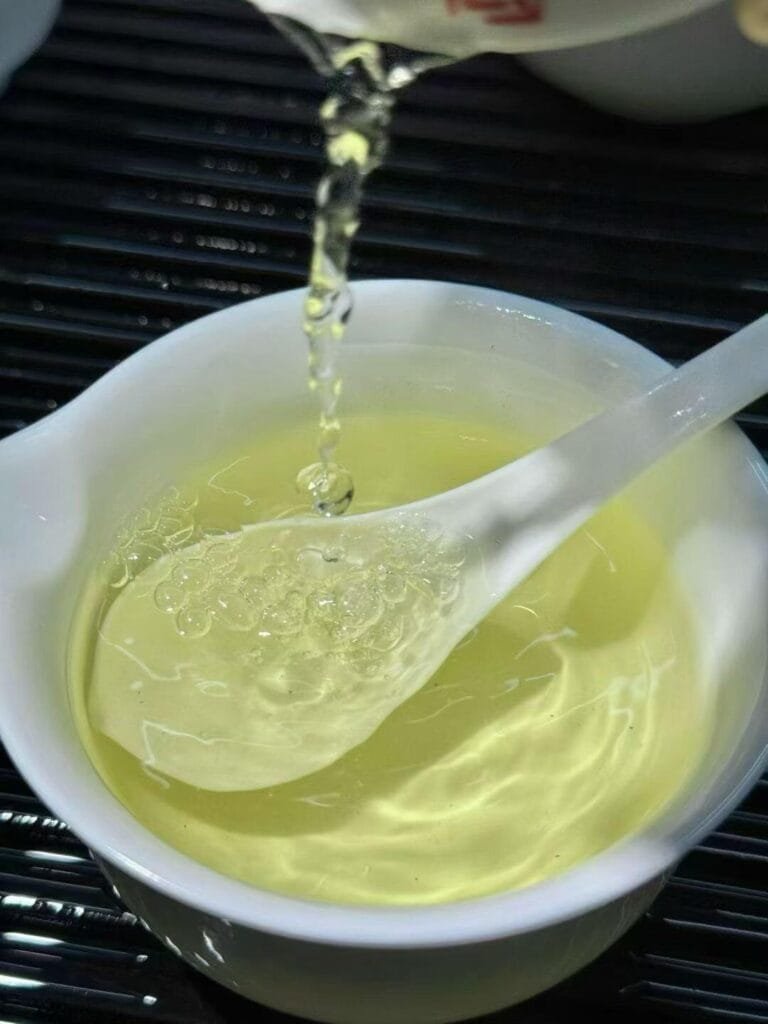
Imagine this: a sliced apple left in air slowly turns brown—that’s oxidation. Kill-green is like sprinkling lemon juice (an acid that inhibits oxidation) on the apple slice, keeping it in its just-cut state. Through kill-green, a large amount of chlorophyll, amino acids (especially L-theanine), vitamin C, and natural aromatic compounds are preserved to the greatest extent. This is the fundamental reason why Green Tea exhibits the “three greens” (green dry leaves, green liquor, green brewed leaves) and possesses that crisp, fresh sweetness reminiscent of spring mountain mist.
3.The Four Major Schools of Green Tea Flavor: Pan-Fired, Baked, Steamed, Sun-Dried
Not all Green Tea tastes the same. Differences in kill-green and drying methods shape four major flavor schools. Remember this mantra: Pan-fired: wok aroma, Baked: floral aroma, Steamed: marine aroma, Sun-dried: sun aroma.
1.Pan-Fired (Chaoqing): The Artists of “Wok Aroma”
•Examples: West Lake Longjing, Biluochun
•Process: Manually stir-fried in a scorching hot iron wok. Friction between leaves and wok induces the Maillard reaction, creating a unique “chestnut” or “bean” fragrance.
•Flavor: High, rich aroma. Taste is fresh, mellow, sweet, and brisk, with a long-lasting aftertaste. The subtle sweetness that rises at the base of the tongue after Longjing’s initial freshness is a hallmark of pan-firing.https://junxistea.com/product/premium-pre-rain-longjing-tea/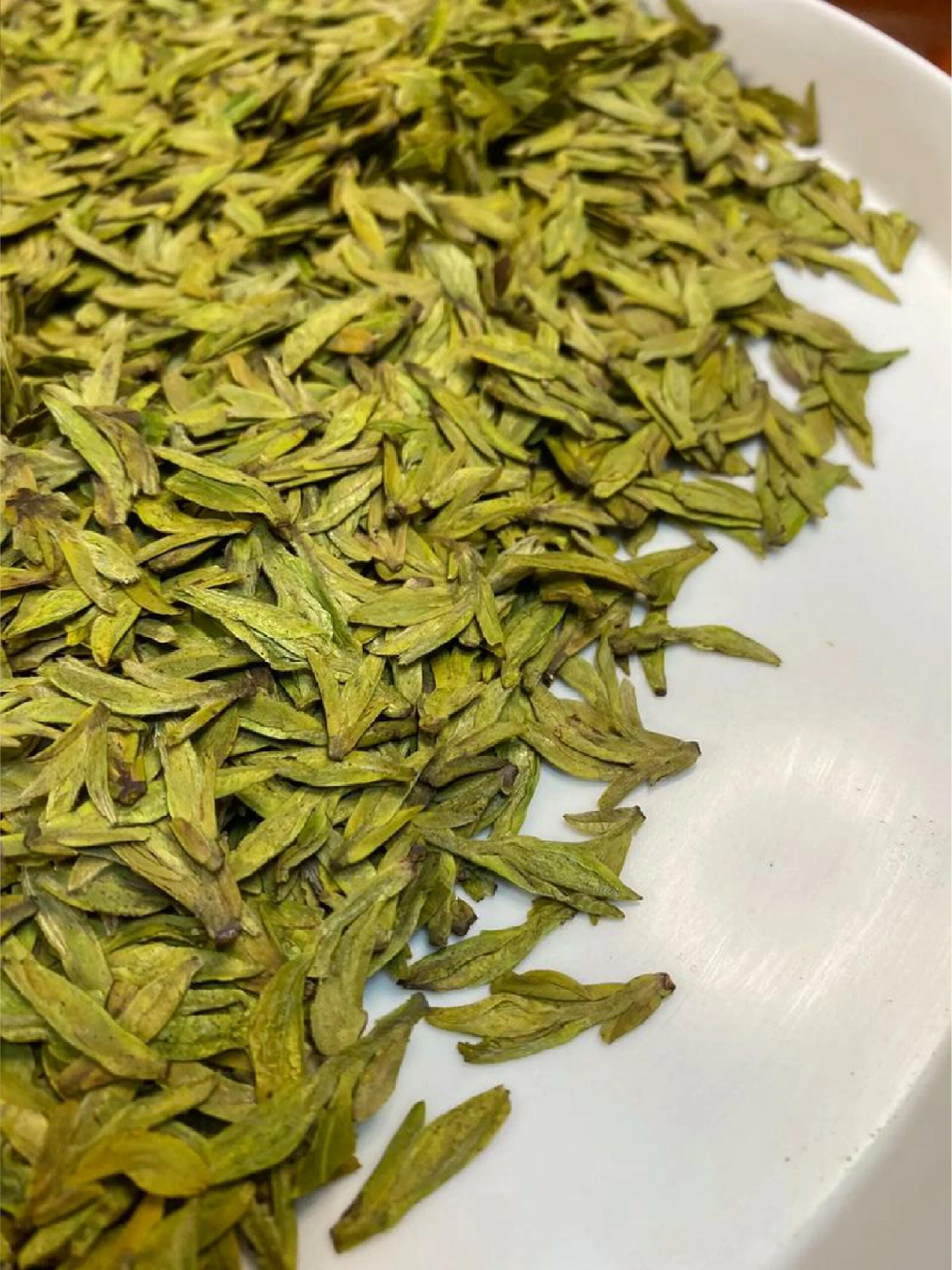
2.Baked (Hongqing): The Poets of “Floral Aroma”
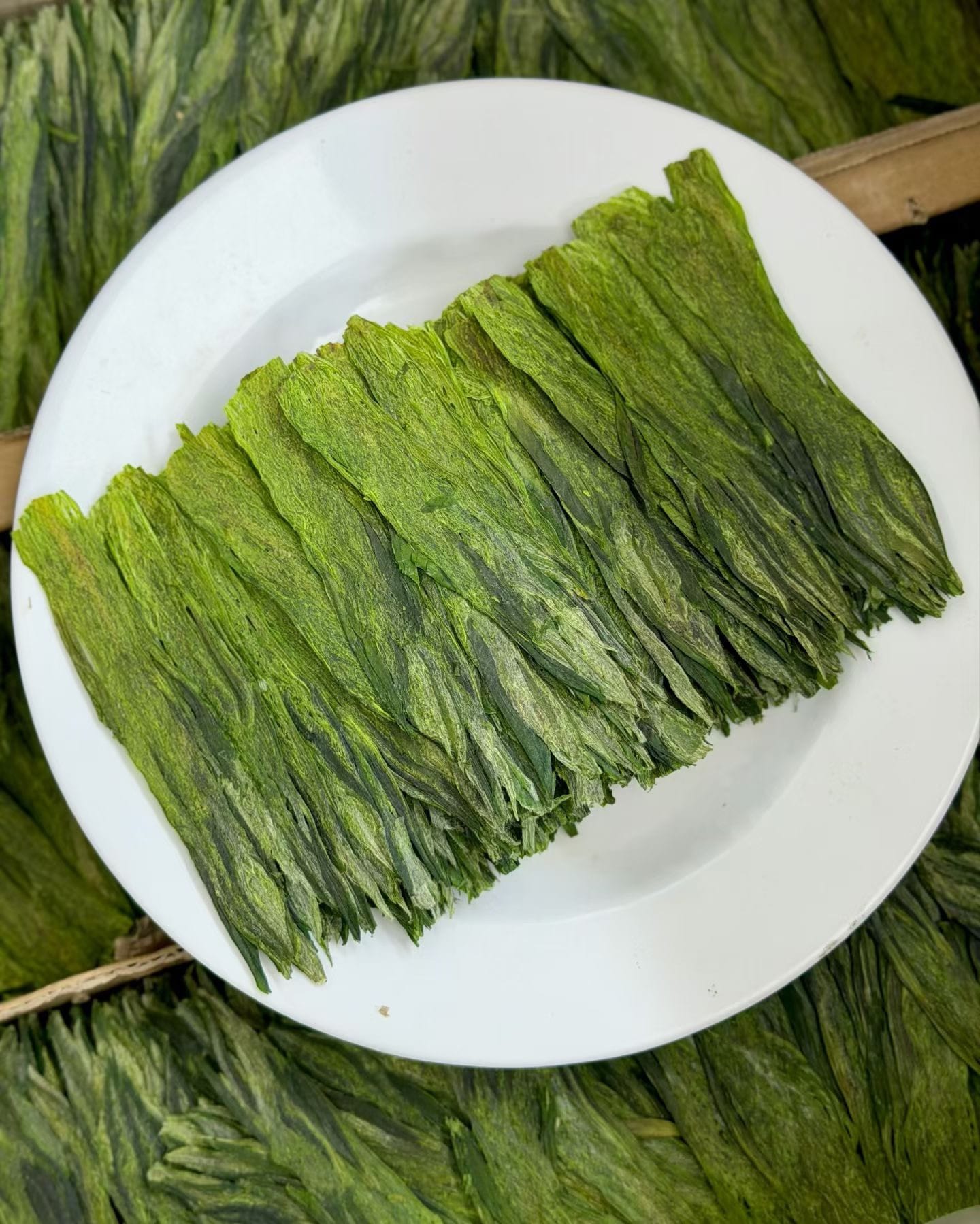
•Examples: Huangshan Maofeng, Taiping Houkui.
•Process: After kill-green, slowly baked over charcoal or in a dryer. Temperature is gentler and more even.
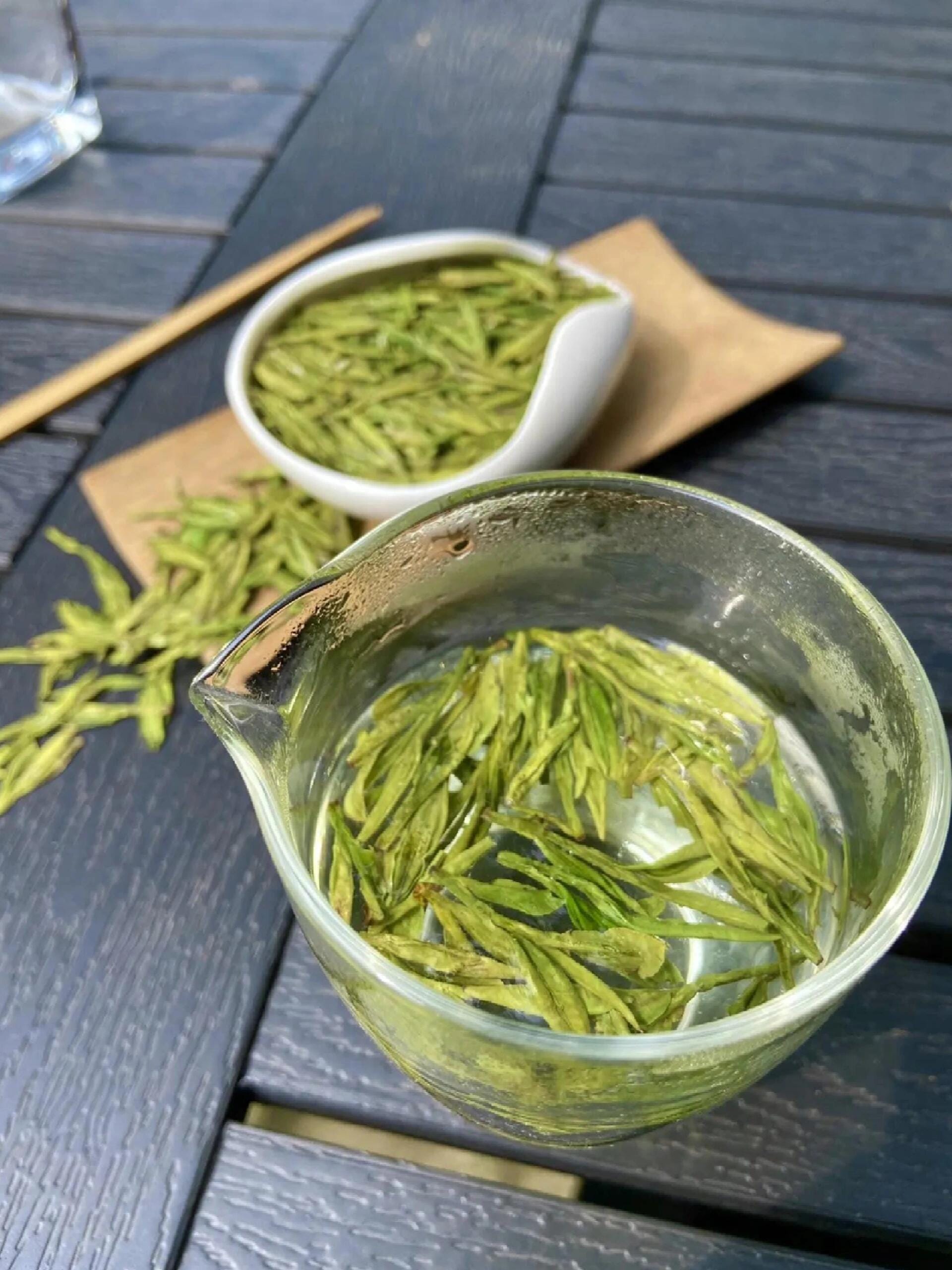
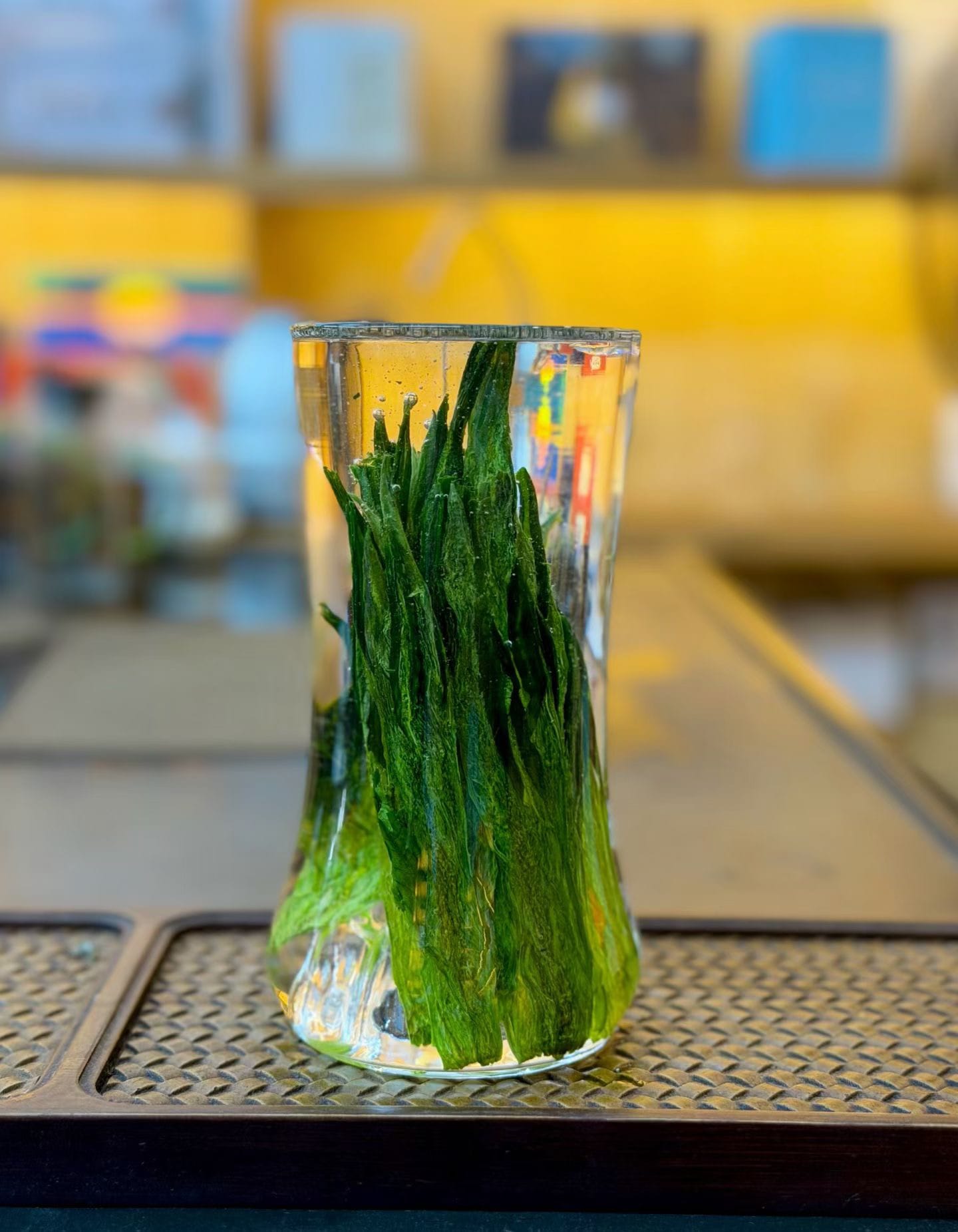
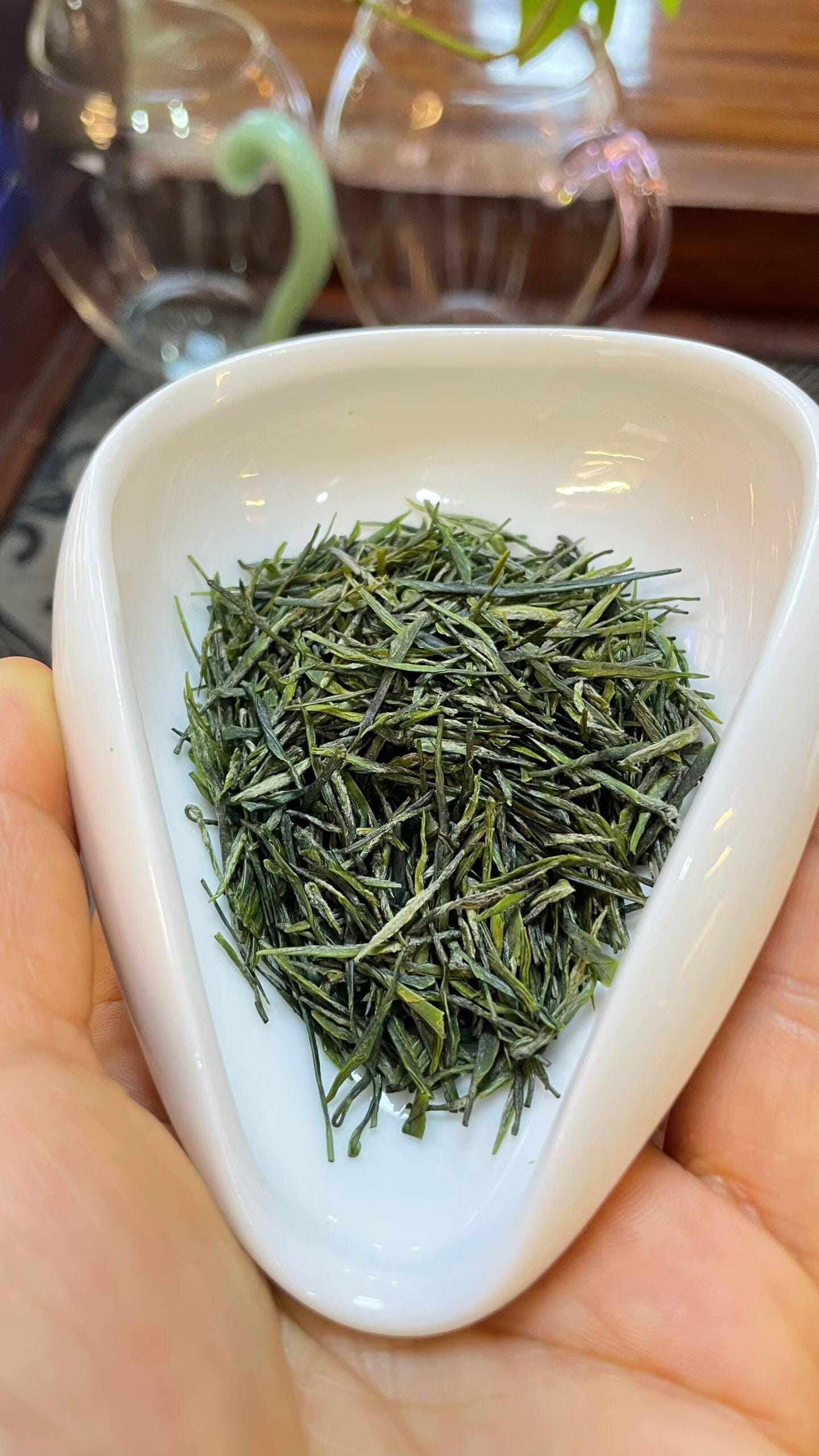
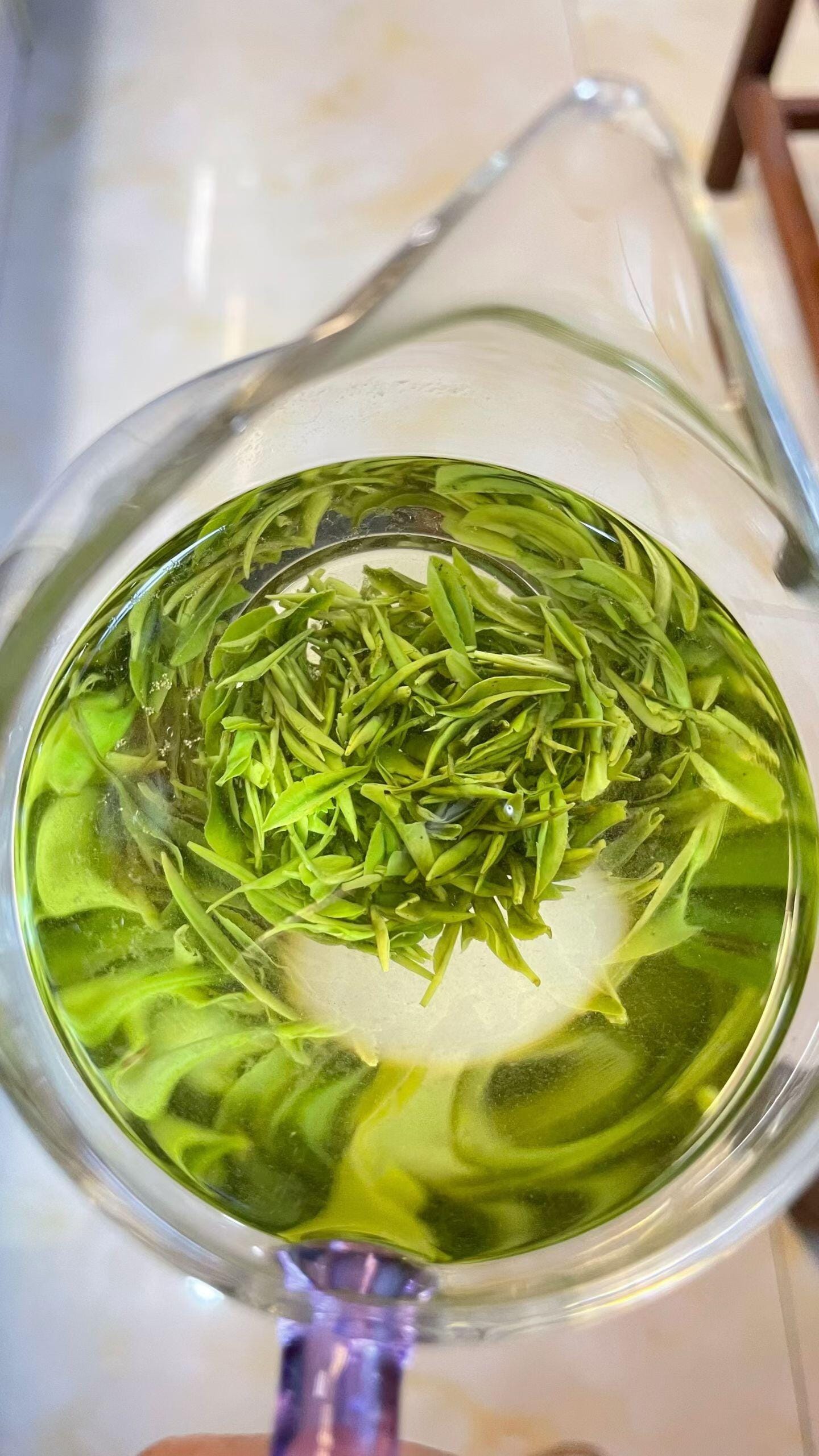
•Flavor: Elegant, clean aroma, often with tender, floral, or pekoe notes. The liquor is fresh, brisk, and sweet-mellow. Taiping Houkui leaves are long and slender, standing upright when brewed like “gentlemen dancing,” offering both visual and gustatorypleasure.https://junxistea.com/product/supergrade-taiping-houkui-tea/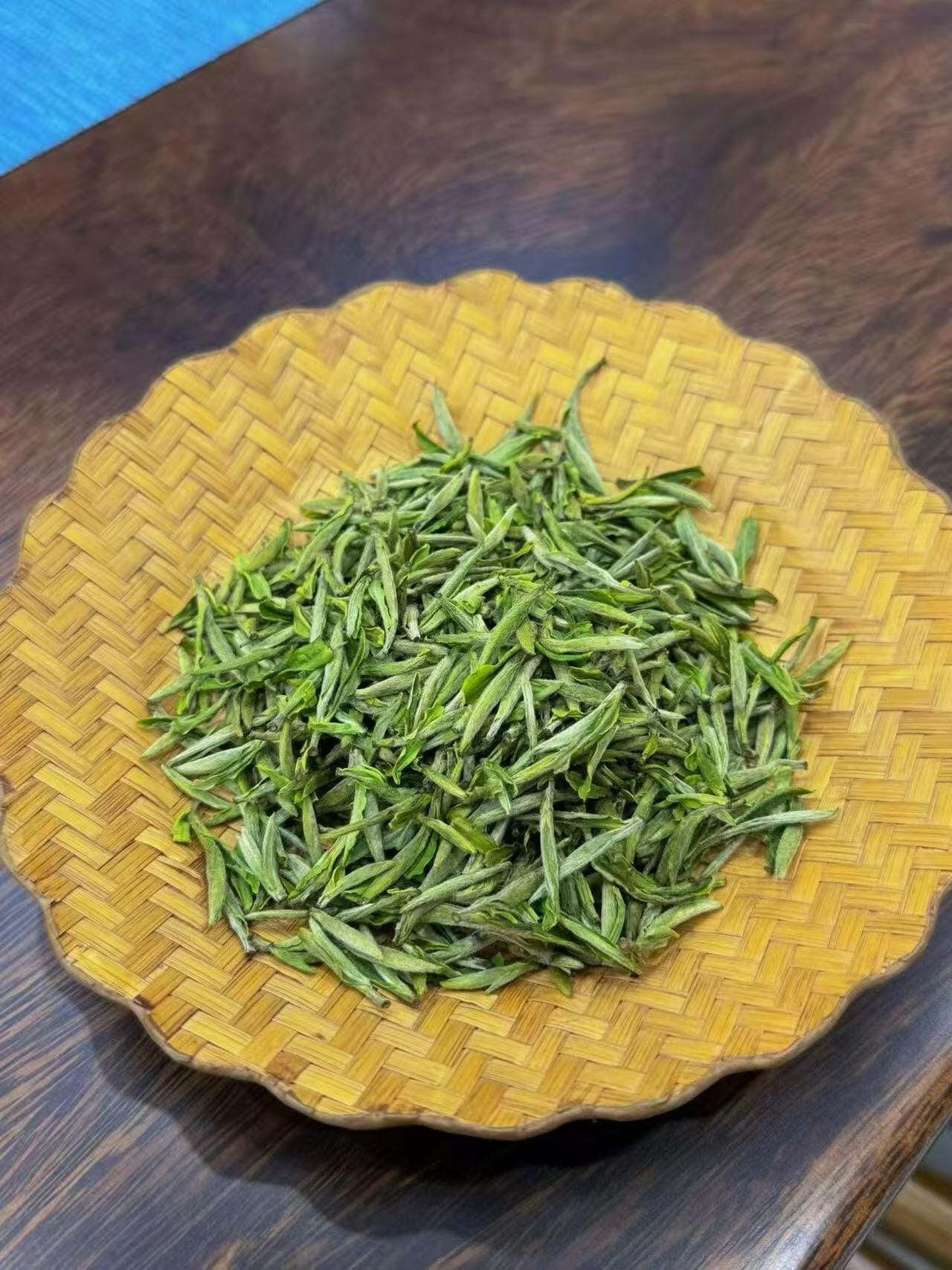
3.Steamed (Zhengqing): The Craftsmen of “Marine Freshness”
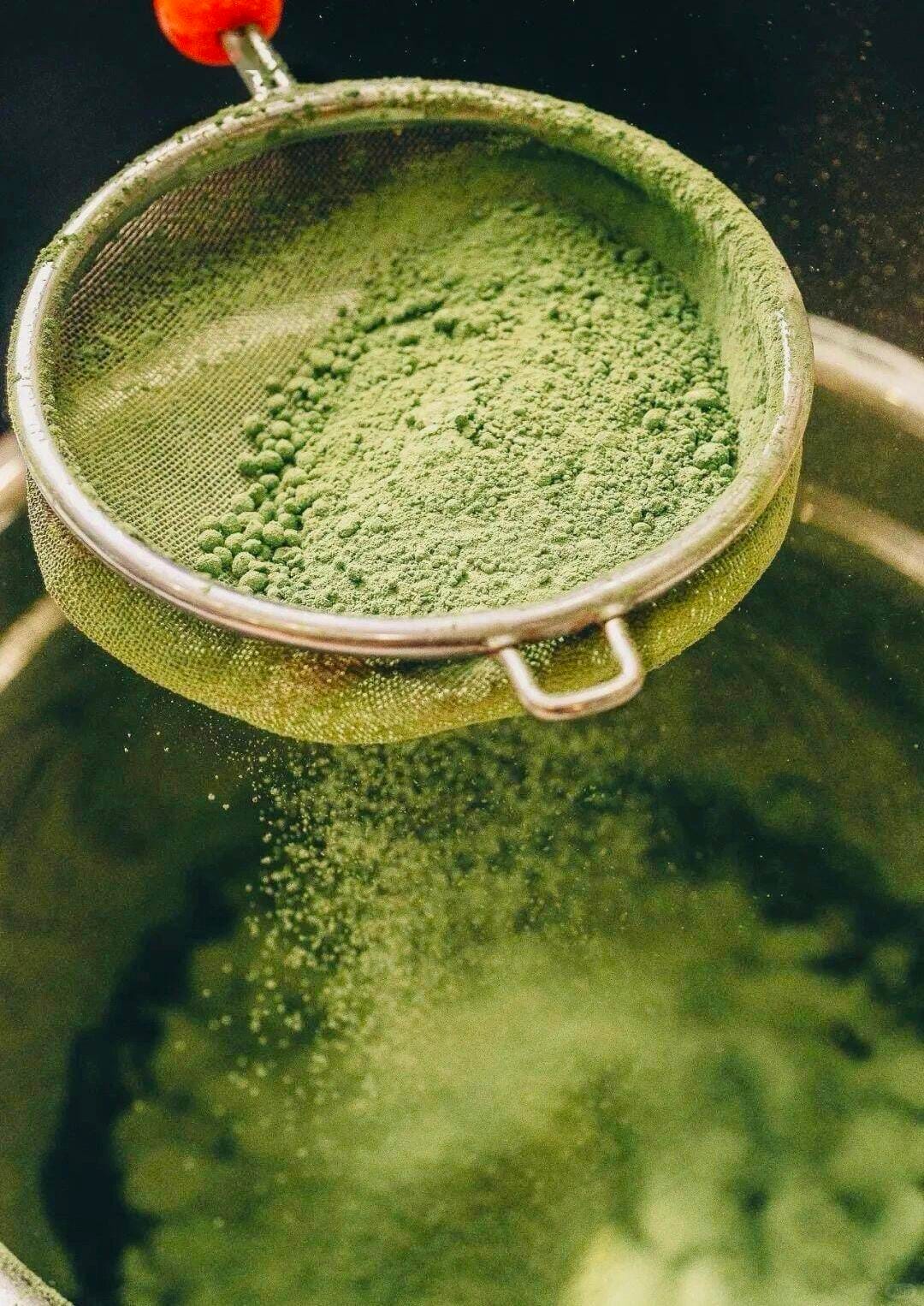
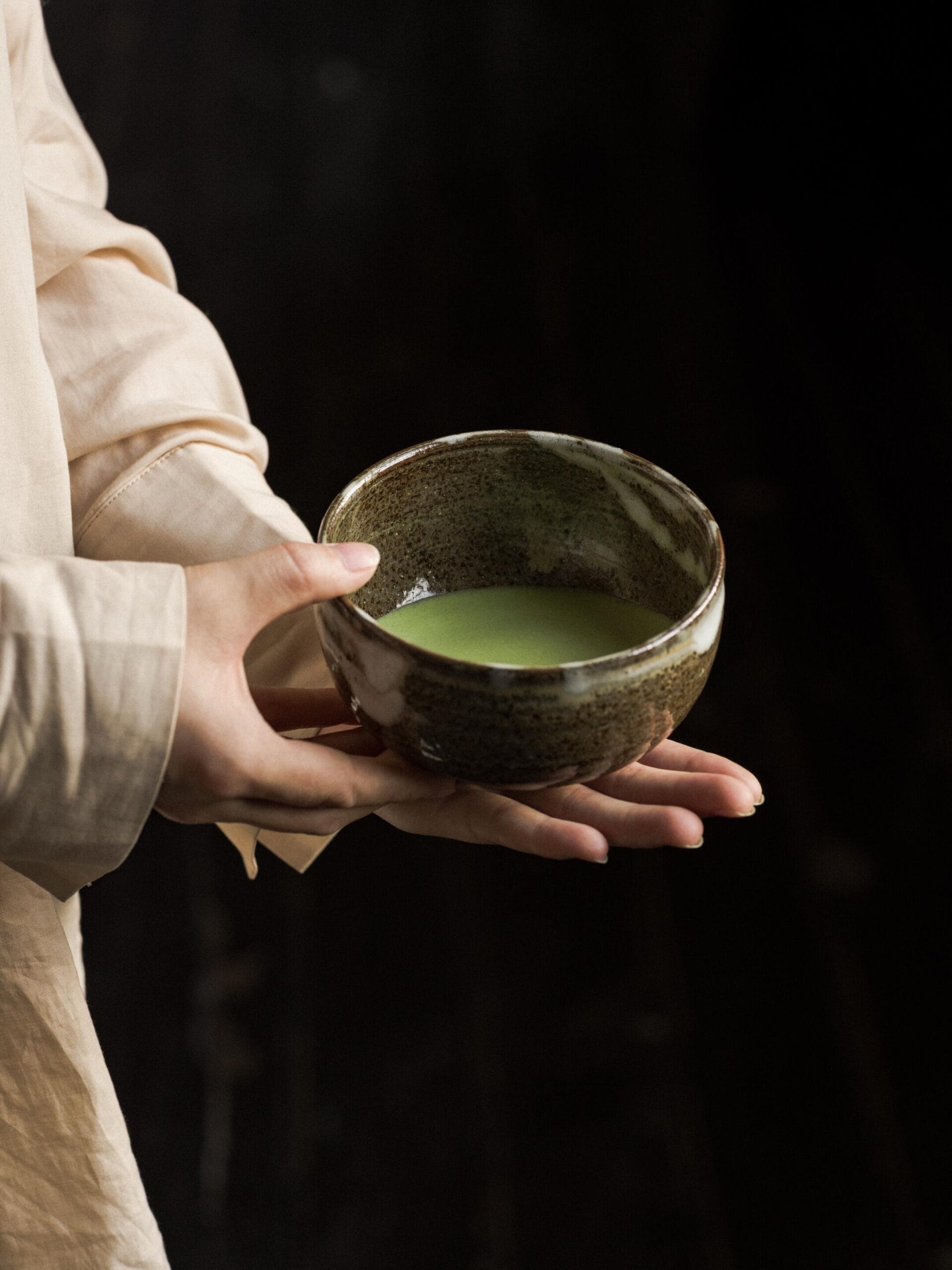
•Examples: Enshi Yulu, Japanese Matcha/Sencha.
•Process: Instant kill-green with high-temperature steam, preserving a vibrant emerald green color and more chlorophyll.
•Flavor: Taste is fresh, brisk, and sweet-mellow, but carries a unique “marine” or “vegetal umami” (Japanese “umami”). The mouthfeel is layered, with a long finish.
4.Sun-Dried (Shaiqing): The Hermits of “Sun Aroma”
•Examples: Yunnan Sun-Dried Maocha (often used as raw material for Pu-erh).
•Process: After kill-green, naturally sun-dried. The most primitive and rustic method.
•Flavor: Bold aroma with a distinct “sun-dried” character and wild, mountain notes. The taste is strong and potent, with a more aggressive mouthfeel. It is the starting point for making Pu-erh tea, where the charm of aging unfolds.
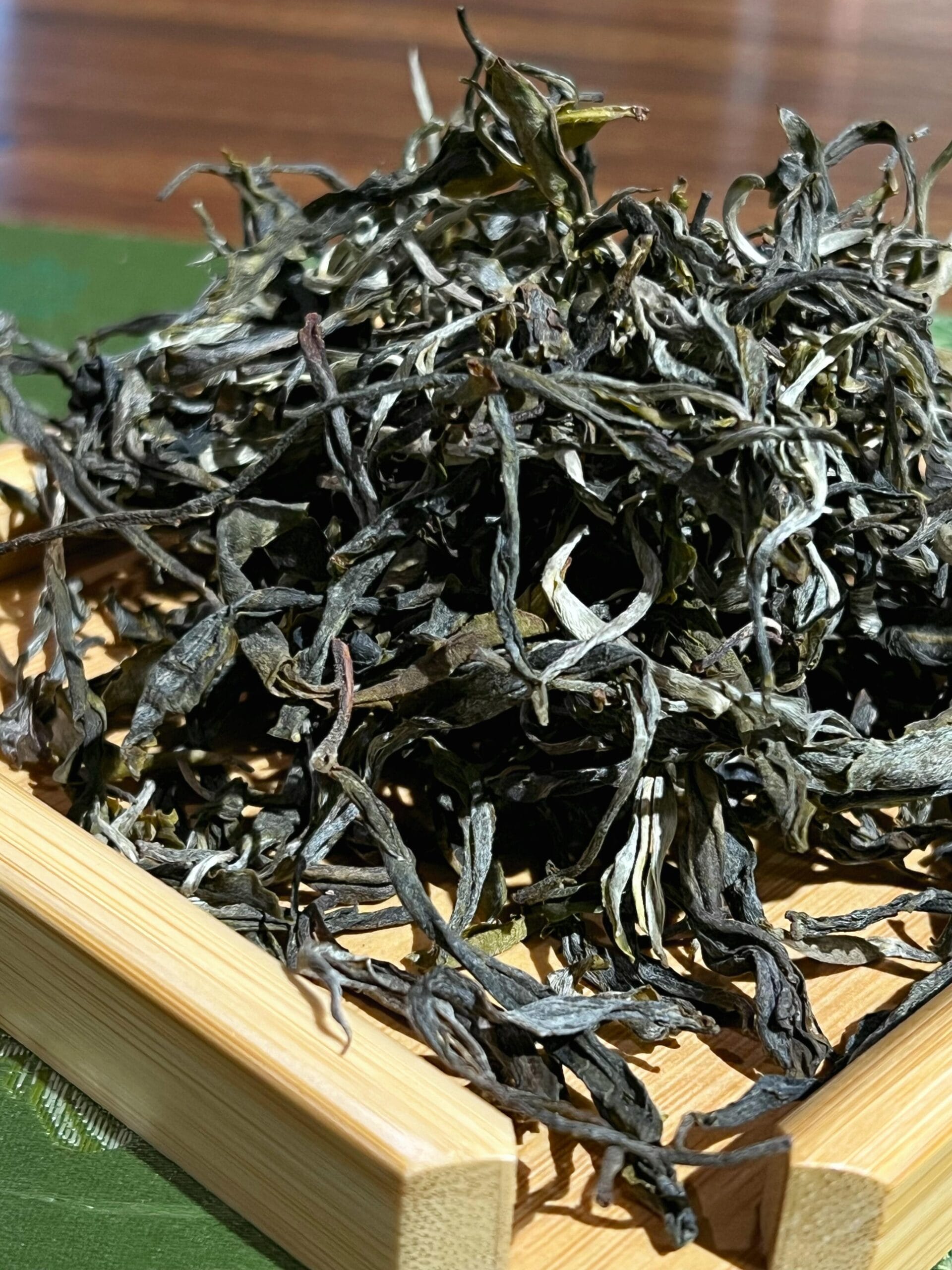
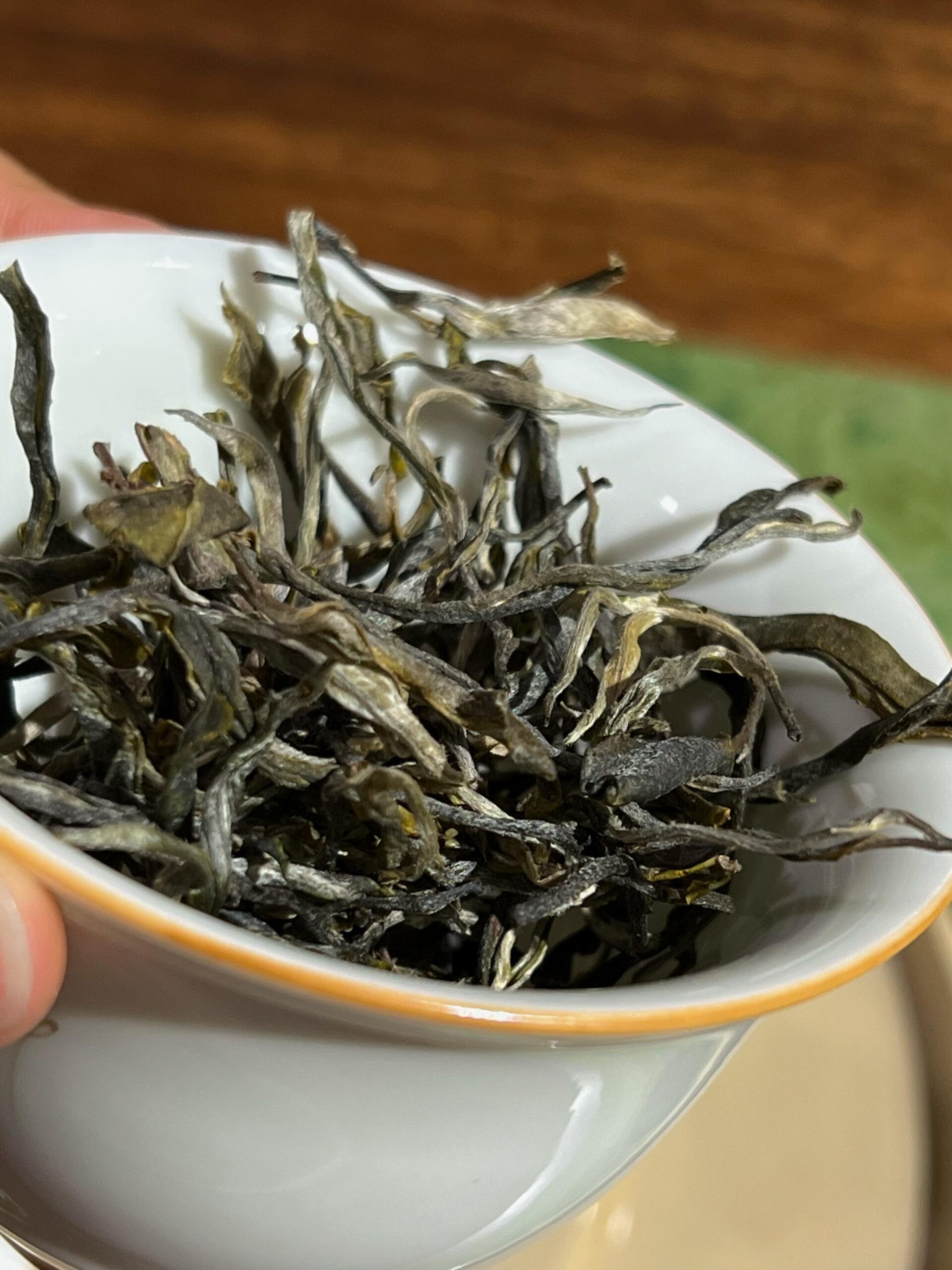
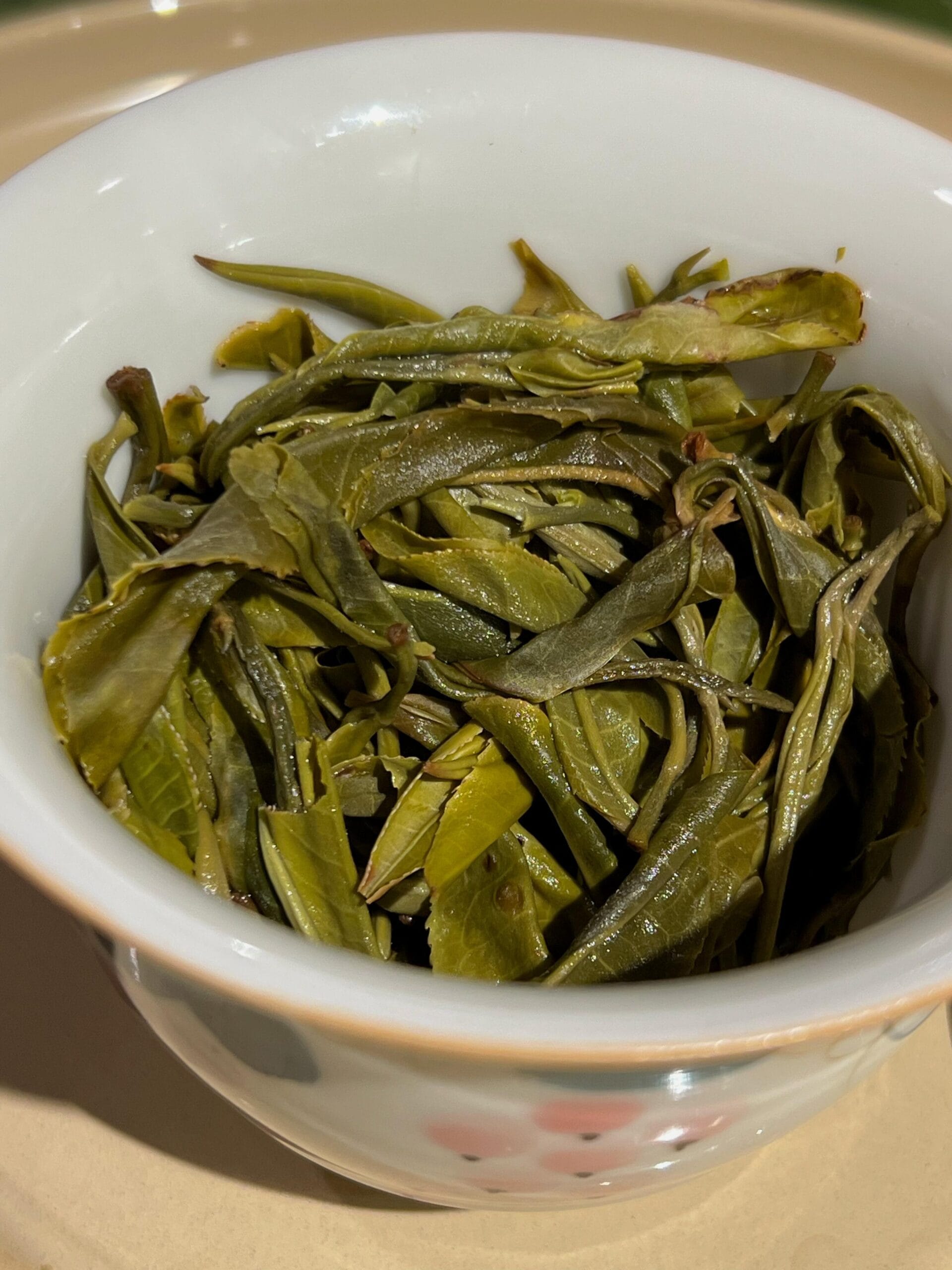
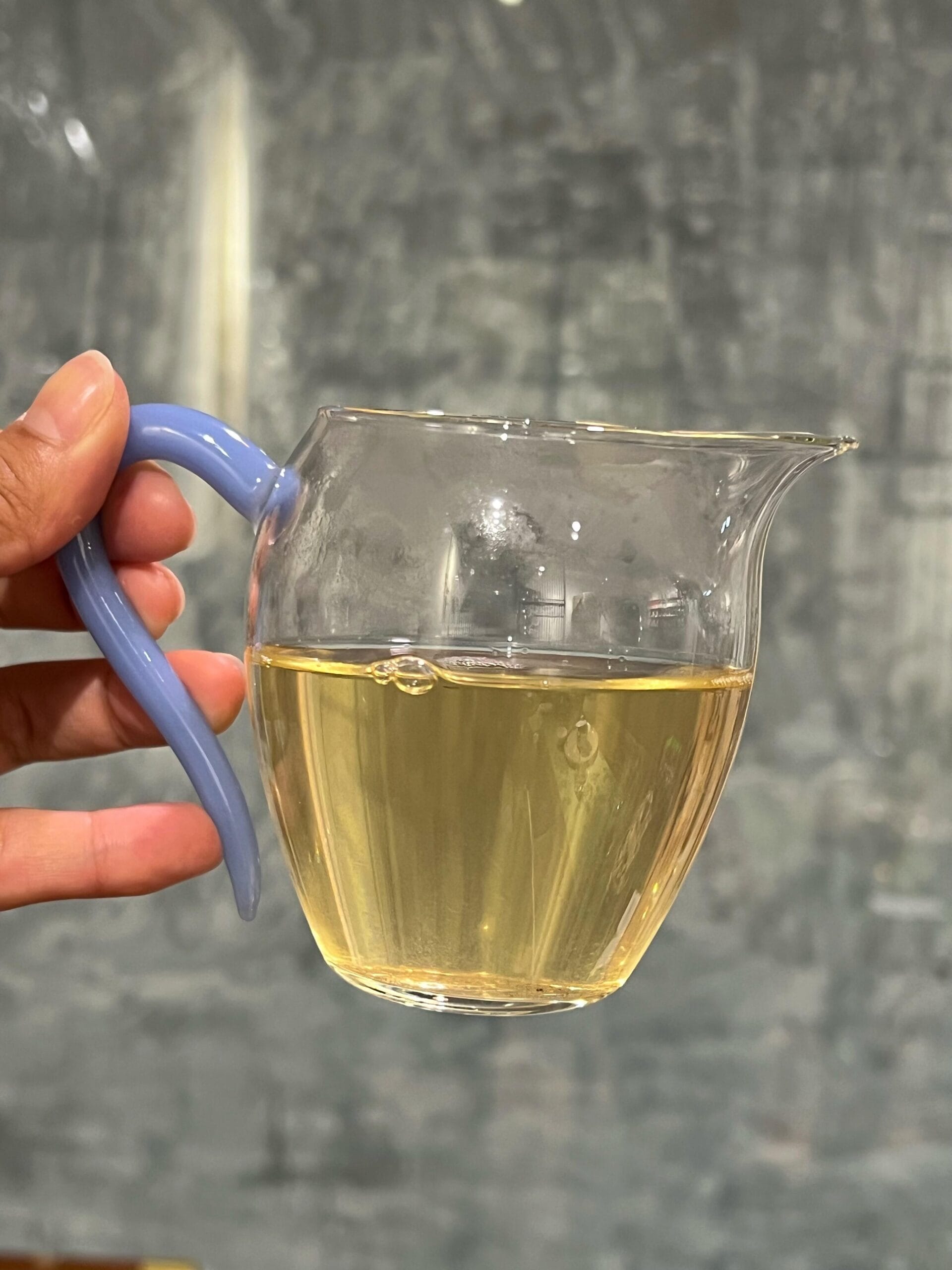
4.The Biggest Myth: Pre-Qingming vs. Before-Rain Tea, Does Expensive Always Mean Better?
This is a misconception that must be clarified. Pre-Qingming tea (picked before the Qingming solar term) is expensive due to its extremely short harvesting window. The buds and leaves are tender, having accumulated nutrients over winter, resulting in high amino acid content and relatively lower polyphenol levels. This creates its top-tier口感 of fresh, brisk sweetness with minimal bitterness—the ultimate expression of “freshness.”
However, “Before-Rain” tea (picked before the Guyu solar term) is not inferior. As temperatures rise, tea leaves grow faster, photosynthesis is more sufficient, leading to richer polyphenols and overall content. Its flavor is often more robust, potent, and has a strong, lingering sweet aftertaste. For seasoned drinkers who enjoy tea with “structure” and seek a powerful taste experience, high-quality Before-Rain tea can be more satisfying and offers exceptional value.
The conclusion is: The high price pays for scarcity and ultimate freshness; the standard for “good” lies in personal taste preference. There’s no need to blindly worship Pre-Qingming tea; the world of Before-Rain tea is equally magnificent.
5.The Art of Brewing: The Golden Rules of Temperature, Method, and Time
Brewing is the final step in awakening the soul of Green Tea, and the most commonly misunderstood. Its core golden rule is: Reject boiling water, avoid stewing.
•Temperature (Crucial!):80-85°C is the ideal range. 100°C boiling water instantly scalds tender buds, causing a rapid extraction of bitter polyphenols and caffeine while destroying sweet amino acids, resulting in a yellow, bitter liquor. Let boiling water sit for 3-5 minutes, or pour it into a sharing pitcher once to cool, to reach the suitable temperature. For teas with stout leaves (e.g., Liuan Guapian), it can be slightly increased to 90°C.
•Brewing Method:
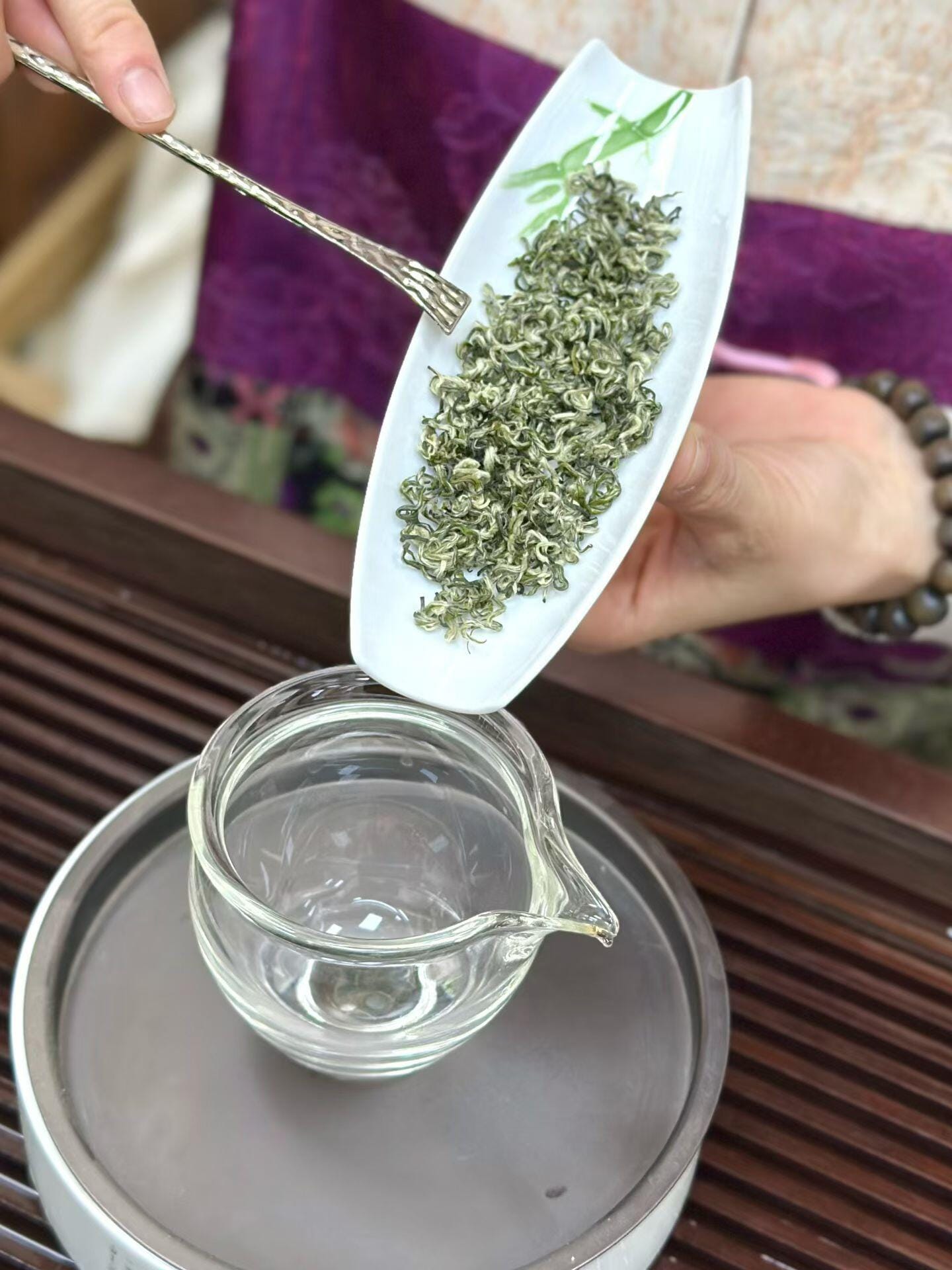
◦ Top-Sprinkling (Shangtou): Fill the cup 70% with water first, then sprinkle tea leaves on top (e.g., Biluochun). For downy, extremely tender teas to avoid scalding.
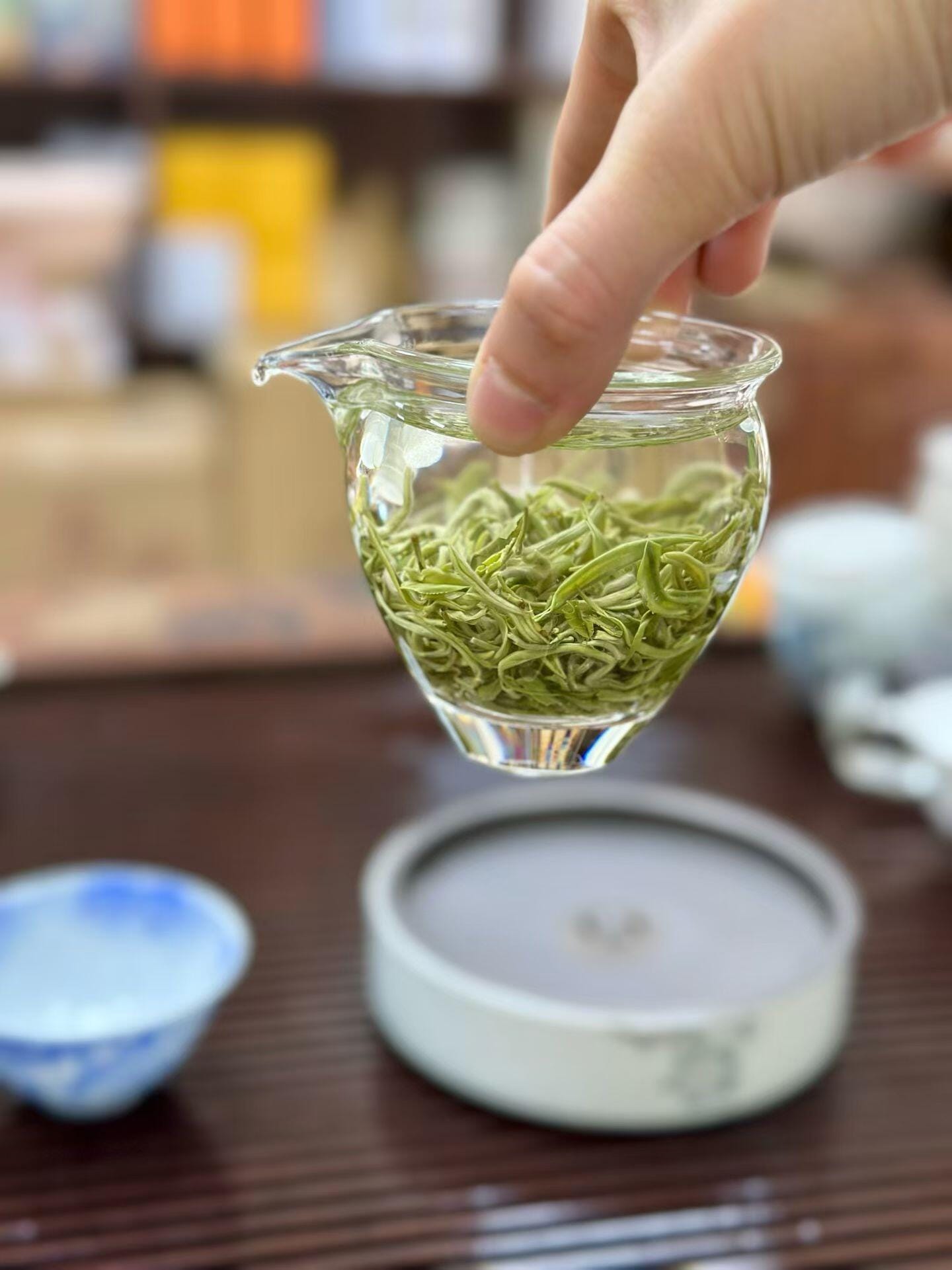
◦ Middle-Sprinkling (Zhongtou): Pour 1/3 water to moisten, add leaves, then top up with a high pour (e.g., Longjing, Maofeng). Versatile, aids even release of aroma and flavor
.◦ Bottom-Sprinkling (Xiatou): Place leaves first, then pour water directly (e.g., Taiping Houkui). For tightly rolled, stout teas that are slow to infuse.
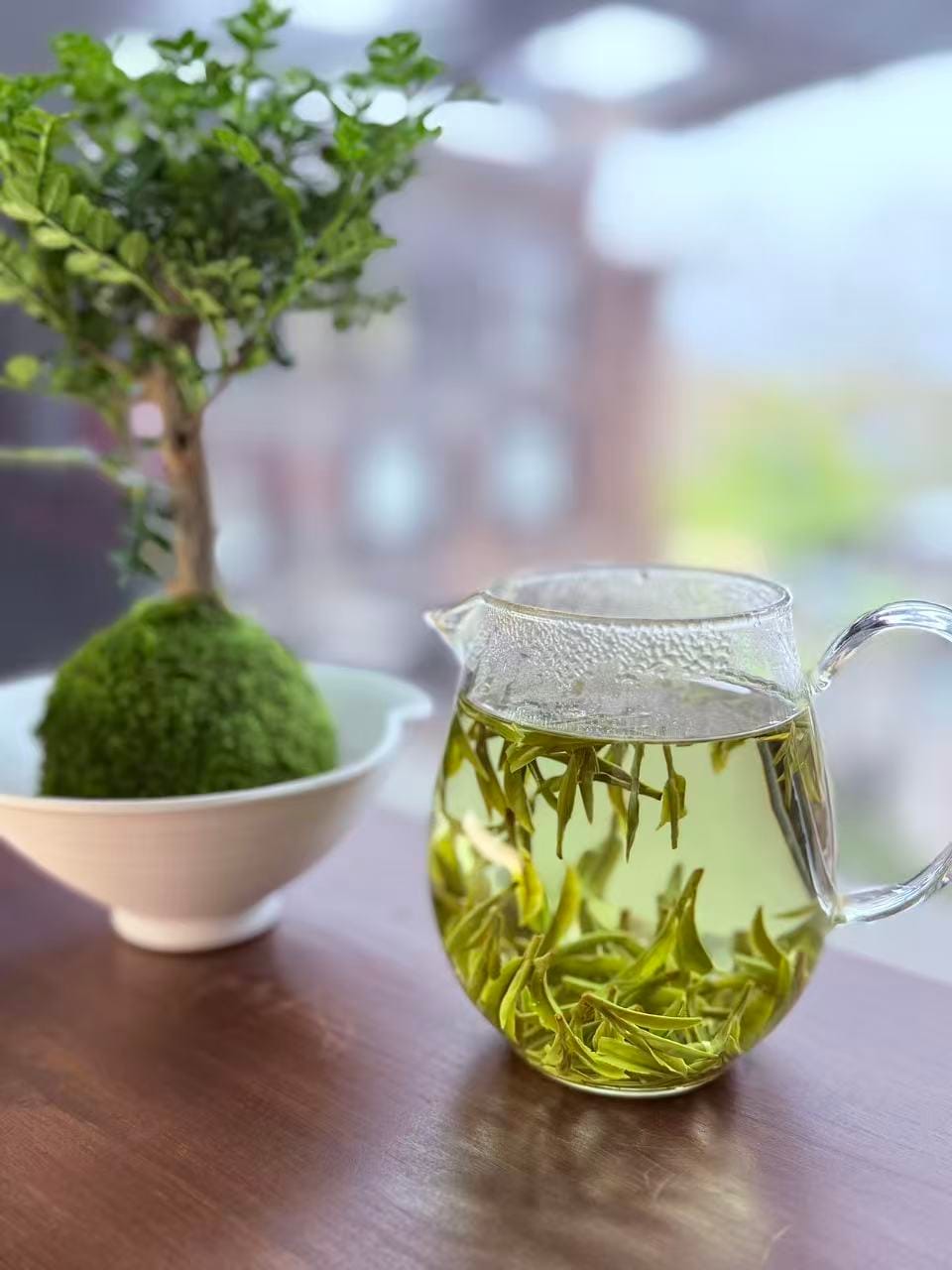
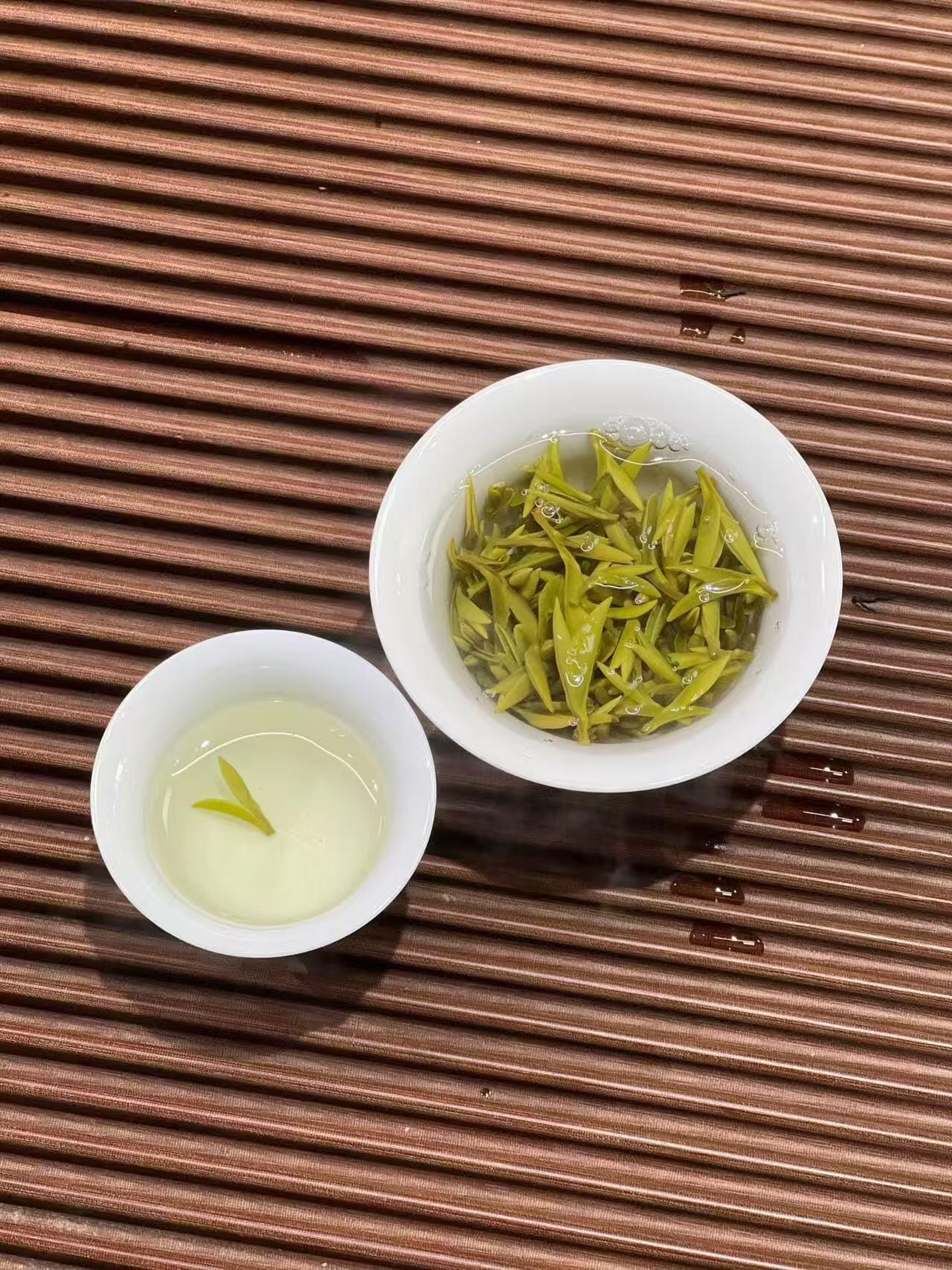
•Time & Ratio: Tea-to-water ratio 1:50 (e.g., 3g tea for 150ml water). The first 3 infusions contain the essence, each steep lasting 30-60 seconds, extended slightly thereafter. Use a glass or gaiwan for easy viewing of the “leaf dance” and liquor color.
6.The Science of Storage: Defeating the Four Enemies, Locking in the Spring Aroma
Green Tea is extremely “delicate.” Improper storage causes its “freshness” to vanish rapidly. It has four archenemies: light, heat, oxygen, and odors.
1.Light & Heat: “Killers” of chlorophyll and aromatics, accelerating oxidation, causing leaves to darken and fragrance to dissipate.
2.Oxygen: Causes continued slow oxidation of compounds like polyphenols, leading to flavor degradation.
3.Odors: The loose, porous structure of tea makes it an excellent “odor absorber.” It must be kept away from any scent source.
Correct Storage Steps:
1.Airtight Seal: Use aluminum foil bags or coated paper bags, remove air and seal, or use tea tins with airtight seals.
2.Light-Proof: Store in opaque containers or cabinets.
3.Low Temperature: For short-term (1-3 months) consumption, store in the refrigerator (0-5°C). For long-term storage (over 6 months), the freezer is recommended. Key Tip: After removing from the fridge/freezer, do not open the package immediately! Let the container/bag acclimate to room temperature for 30-60 minutes to prevent condensation from forming on the cold tea when it meets warm, humid air, which would moisten the leaves.
7.The Health Secrets: EGCG & L-Theanine, Alertness and Calm in One Cup
Green Tea’s health value primarily comes from its rich, unoxidized contents, centered on two compounds: Tea Polyphenols (especially EGCG) and L-Theanine.
•EGCG: The most abundant catechin in Green Tea, a potent natural antioxidant. Studies show its antioxidant capacity far exceeds that of vitamins C and E. Extensive research (including publications in journals like The American Journal of Clinical Nutrition), through long-term tracking, suggests habitual consumption of Green Tea is positively associated with maintaining cardiovascular health and supporting metabolism.
•L-Theanine: A unique amino acid that can cross the blood-brain barrier. It promotes the production of relaxing, focusing alpha brain waves and increases neurotransmitters like dopamine. Even better, it creates a “synergistic effect” with caffeine: Caffeine provides alertness, while L-Theanine mitigates the jittery anxiety it can cause. This is why the alertness from drinking Green Tea is often described as “calm and focused,” unlike the “jittery and anxious” feeling coffee might induce.https://www.youtube.com/watch?v=t4Gcrc9lMog
8.Consumption Cautions: Four Situations to Be Mindful Of
Despite its many benefits, Green Tea is slightly cooling in nature and contains caffeine. Be mindful in the following situations:
1.Those with sensitive stomachs: Avoid drinking on an empty stomach. Polyphenols may stimulate gastric acid secretion. Recommended to drink after meals.
2.Individuals with anemia: Polyphenols may interfere with the absorption of non-heme iron. It is advised to consume tea at least one hour apart from iron-rich foods (e.g., red meat, spinach).
3.Those sensitive to caffeine or with insomnia: Try to avoid drinking after 3 PM to prevent affecting nighttime sleep.
4.While taking medication: Avoid using tea to take medicine. Polyphenols may react with certain drug components, affecting efficacy. Take medicine with plain water and separate tea consumption by 1-2 hours.
Conclusion: A Cup of Clear Tea, Life’s Luxury
To truly understand Green Tea is not merely to learn about a beverage, but to grasp a philosophy of interacting with nature, time, and oneself. From a speck of fresh green on the branch to a pool of jade in the cup, this journey encapsulates the code of terroir, the craft of the artisan, and the intention of the brewer.
It is not expensive, yet extremely discerning; not intense, yet remarkably long-lasting. In the gaps of a busy life, brewing a cup of Green Tea the right way, watching the tender buds unfurl, savoring the fresh sweetness—that moment of tranquility and clarity is the most worthwhile luxury in modern life.