Tea Expertise Exposed: 5 Brutal Truths Why “Faking It” Won’t Build a Real Tea Business

In the tea industry, a perennial question lingers in the minds of many practitioners: Do you need tea expertise to sell tea? On the surface, the market seems to showcase two archetypes of success: the eloquent salesperson with superficial tea knowledge who achieves astounding sales, and the serene, scholarly merchant with profound understanding of tea. This creates a myth that tea expertise and commercial success are optional, or even mutually exclusive. This article will dissect this myth, revealing why genuine, sustainable success in today’s globalized, transparent market is deeply rooted in irreplaceable professional tea knowledge.
1.Short-Term Noise vs. Long-Term Signal: Two Divergent Business Logics
Let’s first clarify a fundamental distinction: “making a one-time sale” and “running a business” are two completely different logics. The former can rely on impulse, rhetoric, or even information asymmetry. The latter, especially for a product as nuanced, cultural, and health-oriented as tea, is built on a foundation of ongoing trust and satisfying
•Characteristics of a one-time transaction: Pursues quick conversion, relies on high-intensity marketing stimuli (e.g., “limited edition,” “last chance”), has weak customer relationships, low repurchase rate, and high reputational risk. The seller can know little about tea, needing only mastery of psychological “triggers.”
•Characteristics of a long-term business: Pursues customer lifetime value, relies on product quality, service professionalism, and relationship depth. Each delivery is an accumulation of trust. Customers return because they are satisfied and are happy to refer others. Here, tea expertise is your guarantee of delivering certain value. When a customer asks, “What exactly is the ‘Yan Yun’ (rock rhyme) in this rock tea?” or “How should I brew this green tea to maintain its freshness?” vague answers immediately erode trust.
Tea is not a fast-moving consumer good. Its consumption is slow, experiential, and emotionally connected. A customer buying half a kilogram of tea means they will have dozens or even hundreds of interactions with that product. If during this time they experience doubt, disappointment, or feel they’ve “paid tuition,” you lose not just one customer, but potentially the trust of their entire social circle. Therefore, building a long-term business is essentially building a trust asset based on professional knowledge and sincere service.
2.The Currency of Trust: How Expertise Builds Irreplaceable Customer Relationships
In the information age, customers have easier access to knowledge than ever before. They can watch brewing videos on social media, read tea reviews on specialized forums, and even trace information back to the origin. This empowerment has completely altered the power balance between buyer and seller. The old model of “seller-controlled information” has collapsed, replaced by a “value game under transparency.”
In this context, your core role as a seller must evolve: from an “information gatekeeper” to a “value navigator” and “experience curator.” Tea expertise is the passport for this new role.
1.Create Certainty, Reduce Choice Anxiety: Faced with a dazzling array of teas, the customer’s biggest pain point is often “decision fatigue.” A professional tea merchant, through precise questioning (about taste preferences, drinking occasions, physical condition), can use their knowledge base to filter and recommend the 1-2 most suitable teas, providing a complete brewing guide. This process creates immense certainty and security for the customer, irreplaceable by any flashy sales pitch.
2.Provide Depth of Value, Beyond the Product Itself: When you sell a packet of tea, you are actually selling a future experience. Expertise allows you to pre-sell a beautiful vision of this experience. You can tell the story of its terroir and processing details, predict the evolution of its aroma and taste, and guide the customer on how to explore its different facets by adjusting the brew. You are selling not just leaves, but an anticipated, delightful sensory journey.
3.Establish Emotional Connection and Authority: When a customer realizes you can not only provide the product but also answer their deeper questions, share cultural contexts they were unaware of, and even correct their mistaken brewing habits, you are upgraded in their mind from a “supplier” to a “trusted advisor.” This relationship is filled with respect and stickiness, the highest form of brand loyalty.
3.Beyond “Bold Words, Thoughts, and Deeds”: Expertise is Your Sustainable Sales Script
The model of “daring to speak, think, and act” mentioned in the original text is essentially a high-risk speculation. It bases commercial success on information opacity and the customer’s one-time impulse. This model has several fatal flaws:
•Unsustainability: As customers’ tasting abilities improve and information circulates, those deceived by “stories” or high prices will eventually wake up. Negative word-of-mouth spreads exponentially in the internet age.
•High Pressure, Low Dignity: This sales method requires constantly finding new customers, like “building a castle on quicksand.” Practitioners are filled with anxiety and struggle to gain professional dignity.
•Inability to Build a Brand: A brand is a collection of promises. A promise not backed by expertise is hollow and cannot accumulate into valuable brand equity.
In contrast, tea expertise provides you with a powerful, reproducible, and ethical “sales script.”
1.From “Persuasion” to “Sharing”: You no longer need to forcefully “persuade” a customer to buy, but rather “share” your understanding of the tea, its uniqueness, and the pleasure it might bring them. This communication stance, based on sharing, is more relaxed, confident, and more readily accepted.
2.From “Responding to Doubts” to “Anticipating Questions”: Professional knowledge allows you to foresee potential customer questions (about origin, processing, storage, brewing) and integrate the answers into your introduction beforehand. You transition from a passive defender to an active guide.
3.From “Selling a Product” to “Providing a Solution”: Customers buy tea for gifting, business entertainment, personal daily enjoyment, or health improvement. Expertise allows you to accurately connect specific teas to these life-scenario “solutions,” significantly increasing conversion rates and customer satisfaction.https://www.youtube.com/watch?v=MF194fr3mmY
4.The Symphony of Humanity and Tea Nature: Why Studying Expertise is the Foundation of Matching Customer Needs
There is a view that “those who study human nature sell tea, those who study expertise are stuck with it.” This is a dangerous false dichotomy. In fact, in-depth study of “tea nature” (the essential characteristics of tea) is the absolute prerequisite for accurately matching “human nature” (customer needs).
Imagine, if you know nothing about tea varietals, processing, terroir, and brewing variables, how can you truly understand a tea? Your so-called “matching of human nature” can only resort to superficial psychological tricks, like flattery, herd-mentality rhetoric, or creating a sense of scarcity. This is like a sound engineer who knows nothing about music, only able to turn the volume to maximum, unable to fine-tune according to the piece and the environment. The result is inevitably noisy and unpleasant.
True matching is a precise process:
1.Insight into Tea Nature: What is this tea’s aroma profile (floral, fruity, honey, aged)? Flavor structure (balance of fresh, sweet, mellow, thick, astringent, bitter)? Mouthfeel texture (smooth, viscous, brisk)? What are its optimal brewing parameters? What are its strengths and potential weaknesses (e.g., slight astringency)?
2.Insight into Human Nature (Needs): Is this customer a novice or a connoisseur? Do they prefer robust or mild teas? Have they had recent stomach discomfort, needing a gentler tea? Are they buying tea for late-night work focus or afternoon relaxation?
3.Perform Precise Connection: Cross-analyze the “tea nature” database with the “human needs” database. For example, recommend a high-aroma, stimulating but quick-sweetness-returning Oolong tea to a businessperson seeking efficiency and focus, guiding them to brew it quickly in a gaiwan for optimal flavor. Meanwhile, recommend a fully oxidized, sweet-mellow, stomach-warming black tea or ripe Pu-erh to a customer with a cold stomach seeking relaxation.
Only deep expertise enables this precise, personalized, and delightful matching. This is the highest level of “studying human nature.”
5.The Bottom-Line Mindset: Why Principled Experts Ultimately Win the Market
“Daring to act” can be another expression for “ignoring bottom lines.” In the tea industry, this could mean passing off inferior tea as premium, mislabeling origin, exaggerating age, or fabricating stories. In the short term, this may bring huge profits. But as we have observed, any mature, healthy market eventually evolves towards standardization, transparency, and branding.
Bottom lines are essentially the reflection of your long-term strategy at the value level. They include:
•Quality Bottom Line: Never sell tea you wouldn’t drink yourself or believe in.
•Information Bottom Line: For key information like origin, processing, and age, admit what you know and what you don’t. No fabrication, no exaggeration.
•Price Bottom Line: Pricing reflects real value and reasonable profit, not exploiting information asymmetry for predation.
Adhering to bottom lines may mean missing out on some “quick money” opportunities in the short term, but in return, you gain:
•Inner Peace and Professional Dignity: You don’t need to fabricate lies about the products you sell; you can face every customer with integrity and confidence.
•Minimal Legal and Reputational Risk: In an era of increasing consumer protection, integrity is your best shield.
•A Powerful Filtering Mechanism: Your bottom lines automatically attract quality customers who value honesty and pursue quality, while filtering out non-target customers just looking for a “bargain” or easily fooled by “stories.” Your customer base becomes increasingly premium and loyal.
Tea expertise is the competency that supports your adherence to these bottom lines. Because you understand, you can discern authenticity. Because you are professional, you have the ability to provide real value without relying on false packaging. In this浮躁的世界, the principled, knowledgeable expert is often the one who goes the farthest and reaches the summit of the industry.
6.From Tea Seller to Tea Consultant: How to Systematically Build Your Expertise
Expertise doesn’t fall from the sky. It requires deliberate, systematic study and accumulation. For you, aspiring to be a top tea merchant, you can follow this path:
1.Build a Systematic Knowledge Framework:
◦ Theoretical Learning: Deeply understand the processing essence, core producing regions, and representative teas of the six major tea categories (green, white, yellow, oolong, black, dark). Grasp key biochemical basics, like the changes of polyphenols, caffeine, theanine, and aromatic compounds during processing.
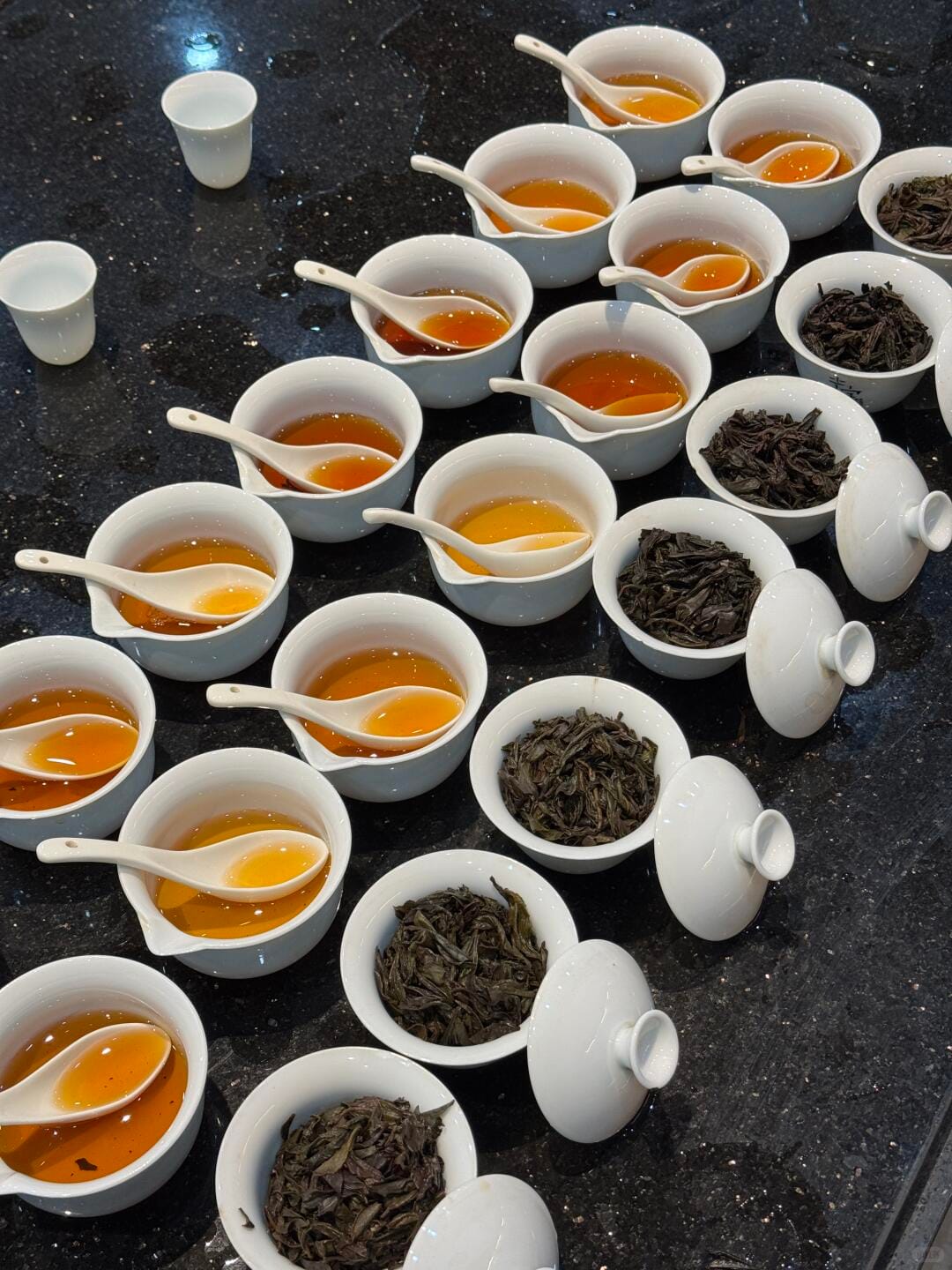
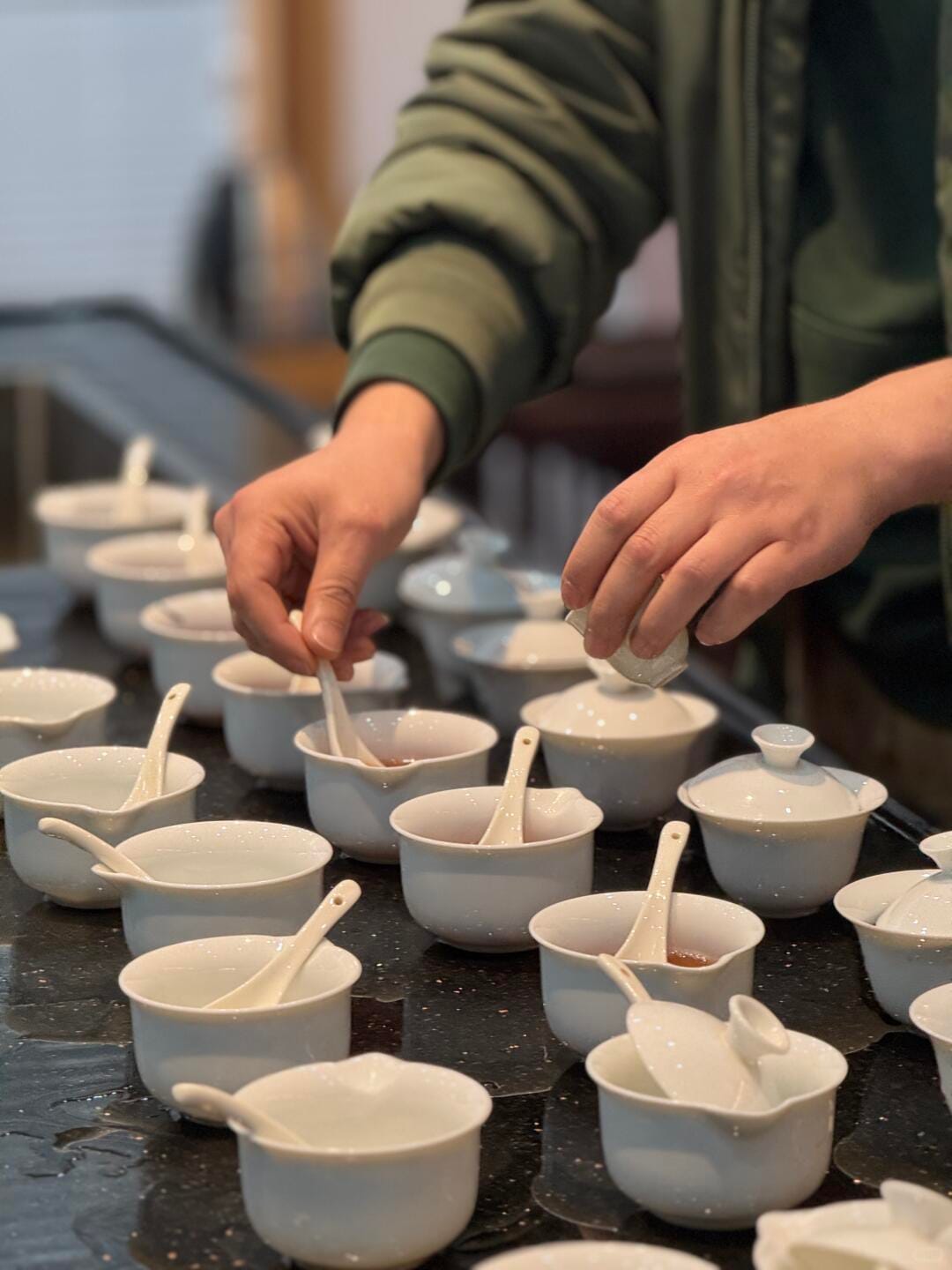
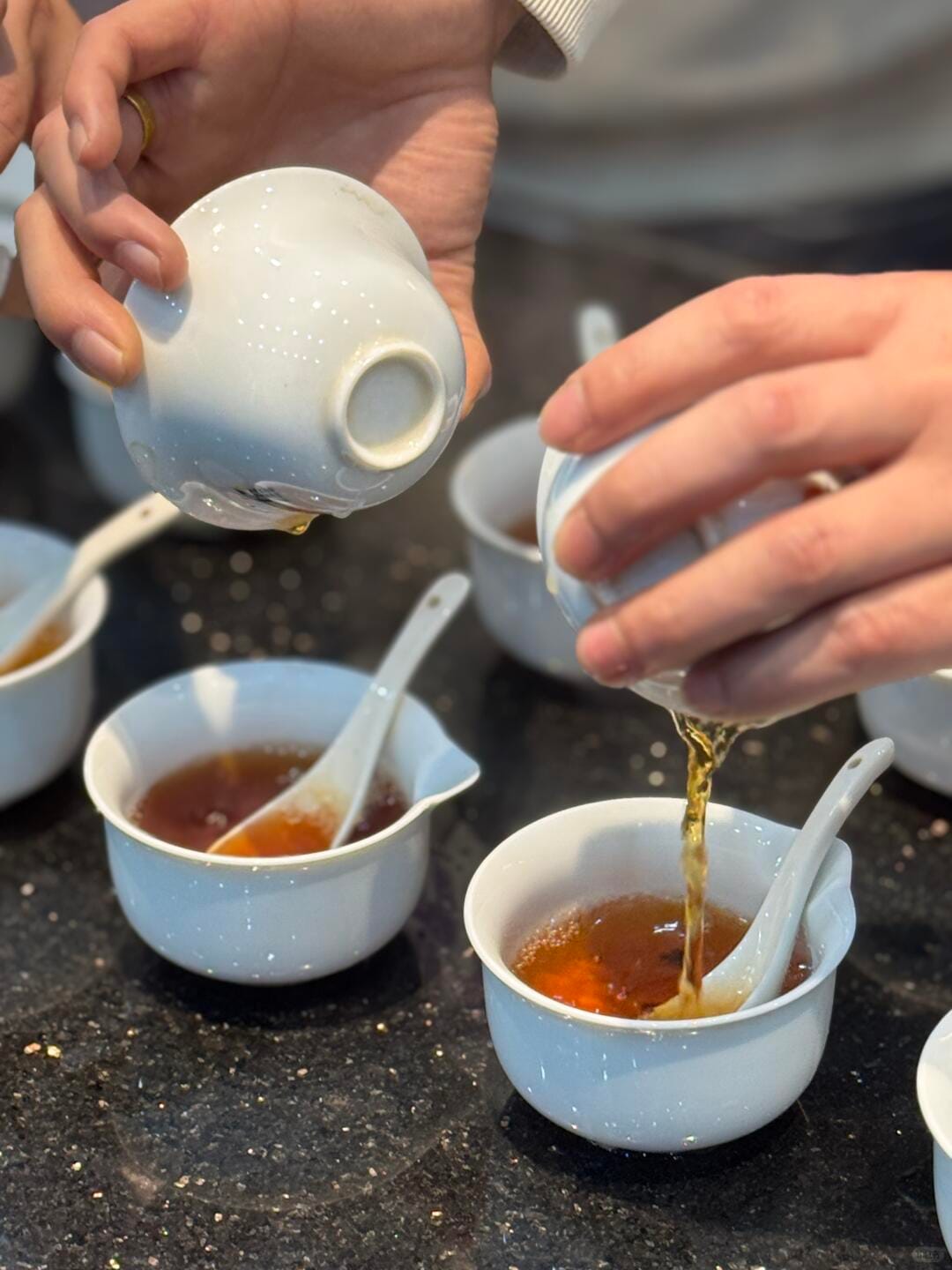
◦ Sensory Training: This is the core of the core. Build a “sensory database.” Taste extensively, consciously recording the dry leaf, aroma, liquor color, taste, and brewed leaf characteristics of different teas. Conduct comparative tastings to develop a sharp palate and sense of smell. Consider professional tea evaluation courses.
◦ Practical Skills: Master the brewing techniques for various teas (especially those you specialize in). Water temperature, vessel, tea-to-water ratio, steeping time—each variable profoundly affects the flavor profile. You must be an expert brewer yourself.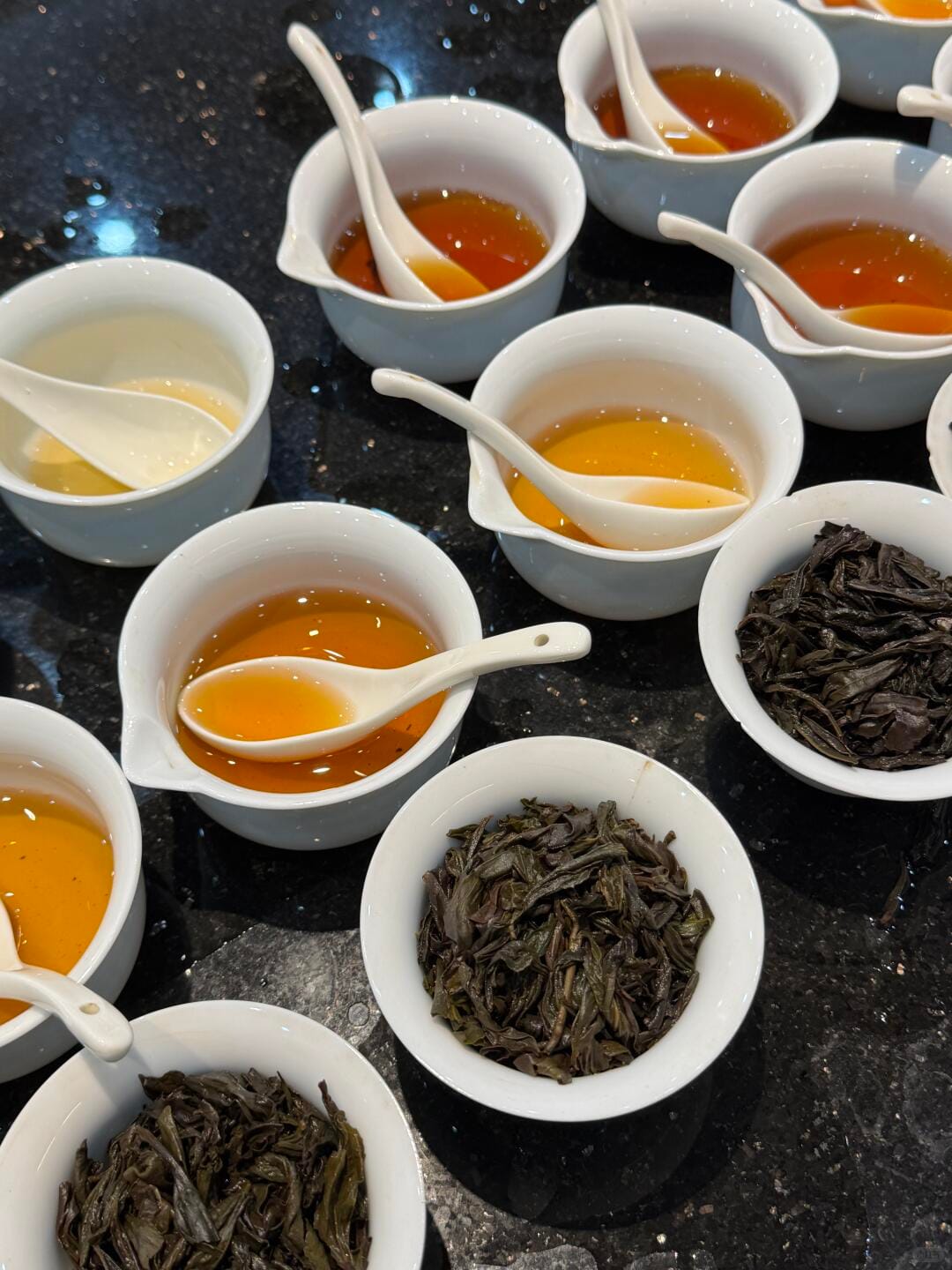
2.Dive into the Supply Chain:
◦ If possible, visit core producing regions personally, communicate with farmers and tea masters. See the growing environment firsthand, understand every detail of the making process. This will transform your knowledge from “bookish” to “vivid,” making your storytelling compelling.
3.Continuous Learning and Sharing:
◦ The tea industry is constantly evolving. New processing techniques, new research findings emerge constantly. Keep reading professional books, journals, and follow information from authoritative tea research institutions.
◦ The best way to learn is to teach. Share your knowledge through your blog (like Junxistea), social media, or conversations with customers. The process of outputting constantly organizes, solidifies, and deepens your knowledge structure.
7.Conclusion: Invest in Knowledge, Reap the Future
Returning to the initial question: Do you need tea expertise to sell tea? If your goal is to complete one-time transactions, the answer might be “not strictly necessary.” But if your vision is to build a respected, sustainable, long-term career that brings deep fulfillment, then the answer is unequivocally: You must understand, and you must constantly pursue deeper understanding.
Tea expertise is not a shackle that binds you, but wings that set you free. It liberates you from the mire of sales pitches, allowing you to rely on real value and sincere sharing to win the market. It transforms your relationship with customers from a game to a win-win, elevating your business from “selling commodities” to “providing value-added solutions.”
In an era of increasing information symmetry, the greatest commercial opportunities lie precisely in those complex, profound fields that require professional expertise to navigate. Tea is exactly such a field. Investing in your tea expertise is investing in the moat of your business, the cornerstone of your personal brand, and a beautiful enterprise that can endure economic cycles and stand the test of time.
Starting today, treat learning as your most important business strategy. Because ultimately, in the world of tea, only those who understand tea most deeply are qualified to define good tea, and are worthy of selling it well.https://junxistea.com/product-category/chinese-tea/