Unveiling the Shocking Power of Ma Tou Yan Rou Gui: 7 Must-Know Truths About This Bold Tea

In the brilliant and profound constellation of Wuyi Rock Tea (Yancha), if we speak of a sense of power, impact, and regal bearing, Ma Tou Yan Rou Gui is an unavoidable name, affectionately called “Horse Meat” by tea enthusiasts. It is not only an outstanding representative of the excellent “Rou Gui” (Cinnamon) cultivar but also a flavor benchmark within Wuyi’s “Zhengyan” (True Rock) core production area, renowned for its bold, powerful, pungent, sharp, sweet, and mellow character. To understand Ma Tou Yan Rou Gui is to understand the unyielding strength of the “rock bone” and the elusive变幻莫测 of the “floral fragrance” in Wuyi Yancha’s “Yan Gu Hua Xiang” (rock bone, floral aroma). This article systematically analyzes 7 core facts about Ma Tou Yan Rou Gui, guiding you to appreciate this legendary oriental leaf grown upon Danxia rock.https://junxistea.com/product/ma-tou-yan-rou-gui-tea/

1.Definition & Lineage: More Than “Rou Gui,” It’s the “Heart of Zhengyan”
First, a crucial clarification: Ma Tou Yan Rou Gui is a composite concept of “Terroir + Cultivar.”
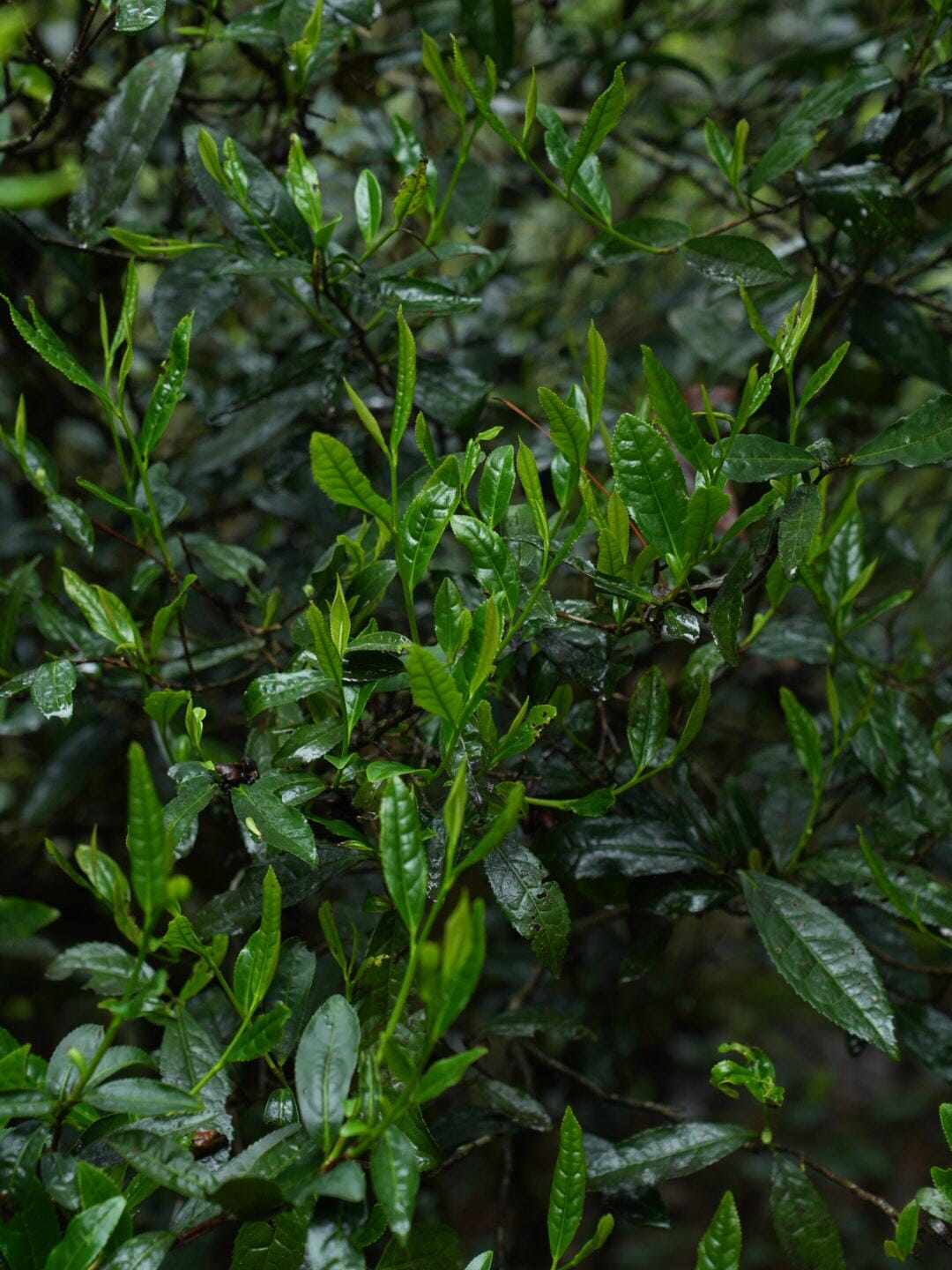
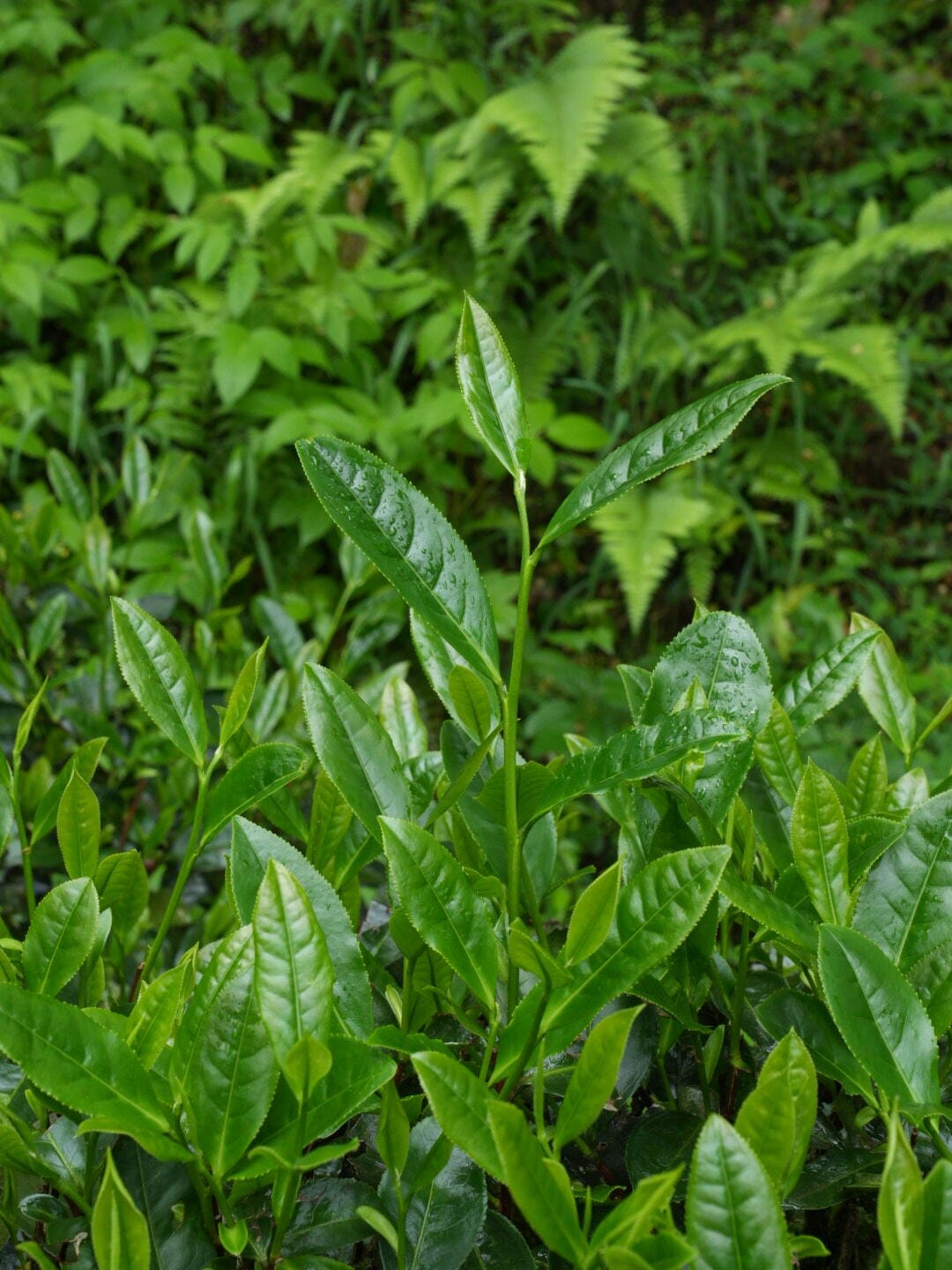
Rou Gui (Cinnamon): The name of the tea plant cultivar, a clonal variety numbered “105.” Its varietal aroma is marked by a sharp, pungent scent reminiscent of cinnamon bark. It has a strong, stimulating taste and a mellow texture, making it one of the most mainstream and sought-after cultivars in contemporary Wuyi Rock Tea.
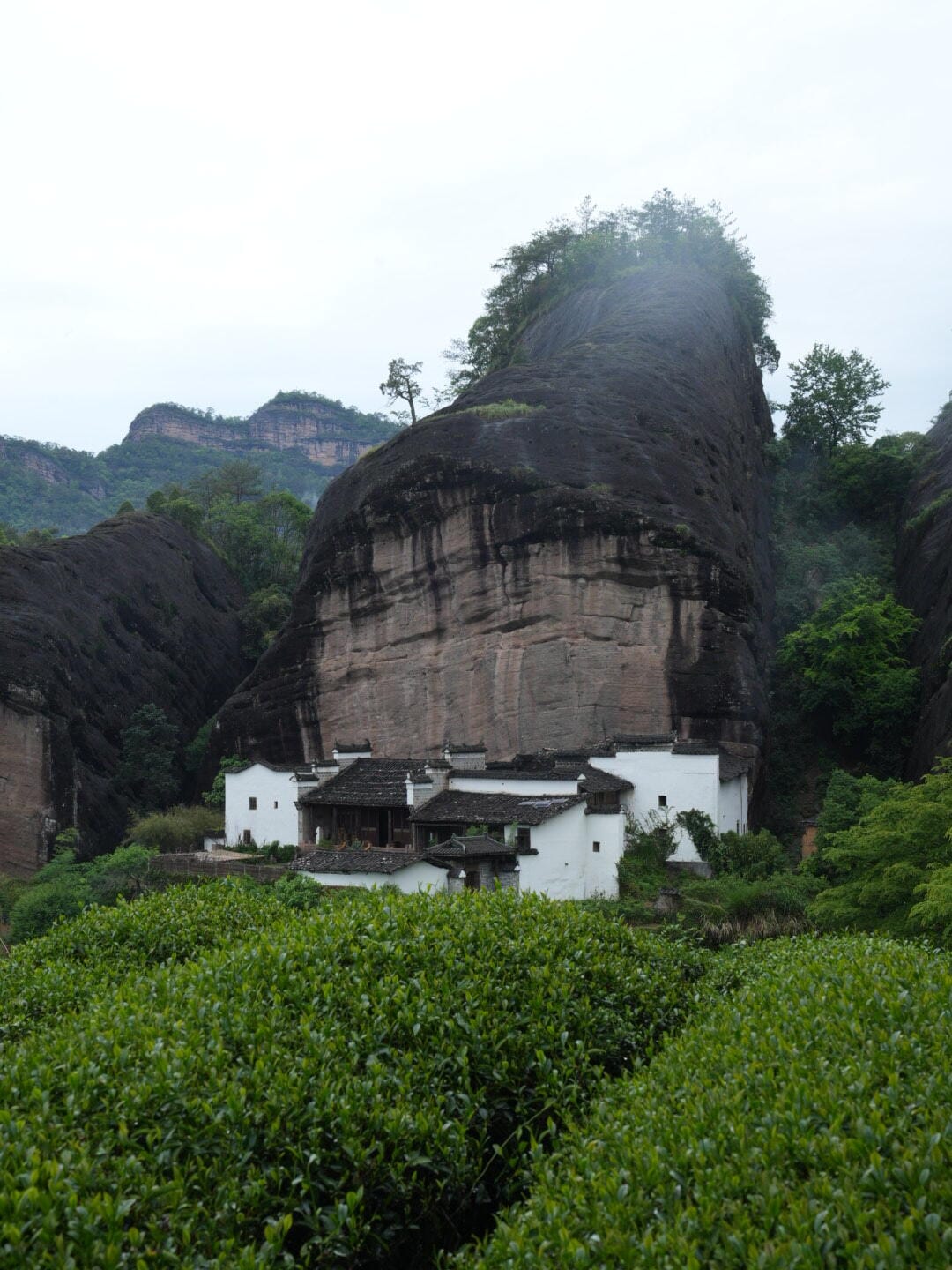
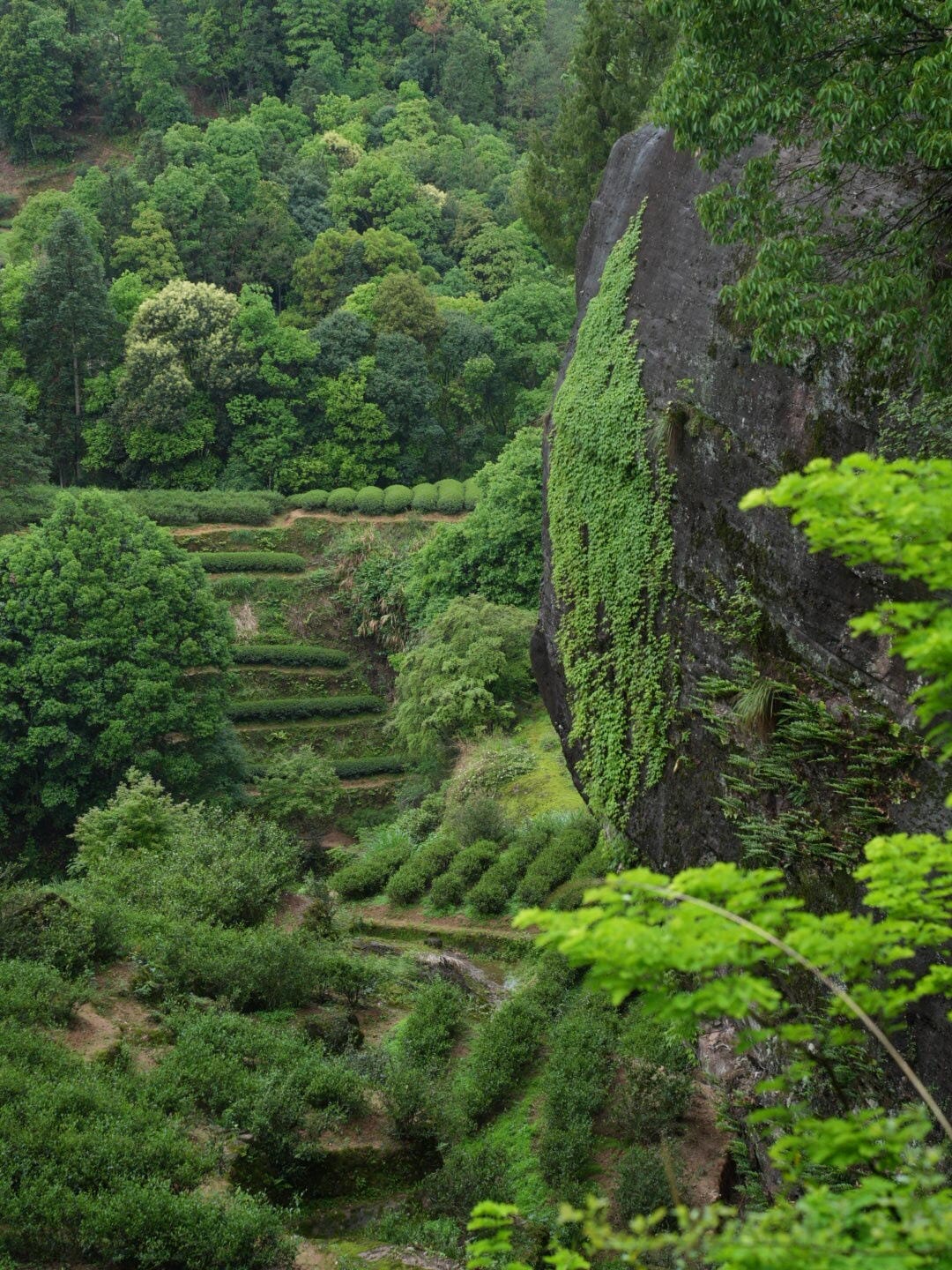
Ma Tou Yan (Horse Head Rock): A core “Zhengyan” (True Rock) terroir within the Wuyi Mountain Scenic Area, located between Zhangtang Jian and Wuyuan Jian gullies. Named for its resemblance to a rearing horse’s head, it is widely recognized as a top-tier Zhengyan production area in the “terroir theory” of Yancha, sharing prestige with the famed “Three Pits and Two Gullies.” Tea from Ma Tou Yan commands极高品质声望.
Therefore, Ma Tou Yan Rou Gui specifically refers to: Oolong tea produced from fresh leaves of the Rou Gui cultivar grown within the Ma Tou Yan terroir in Wuyi Mountain, processed according to traditional Wuyi Rock Tea methods. Its identity is, first and foremost, “Zhengyan Tea,” then “Rou Gui,” and finally the resulting “1+1>2” top-tier flavor expression from their combination. The purity of this lineage is the fundamental guarantee of its market value.
2.The Terroir Code: How Does Ma Tou Yan Shape Its “Powerful” Character?
“Every rock has its tea; without rock, there is no tea.” The excellence of Ma Tou Yan Rou Gui lies in the soul of Ma Tou Yan’s unique, masculine “terroir rhyme” (Shan Chang Yun).
2.1 Topography & Sunlight: The Source of Masculine Energy
Ma Tou Yan is an expansive, rock-dominated terroir, with tea gardens mostly on open rocky slopes or stone-terraced fields. Compared to the deep, humid “pit and gully”地形 (e.g., Niu Lan Keng, Hui Yuan Keng), Ma Tou Yan receives more ample sunlight, has better air circulation, and experiences greater diurnal temperature variation. This “Yang” (positive, sunny) environment allows for full photosynthesis, accumulating abundant inner substances, especially polyphenols and aroma precursors. This forms the骨架 for its intense flavor, high-aroma, and powerful mouthfeel.
2.2 Soil & Minerals: The Forge of the “Rock Bone”
The soil of Ma Tou Yan is primarily composed of weathered rock fragments and gravelly loam. The soil layer is relatively thin but rich in minerals like potassium and manganese, with excellent drainage and aeration. To access nutrients and water, tea tree roots must dig deep into rock crevices, absorbing大量 mineral elements from rock weathering. This is the material foundation for Yancha’s unique “Yan Yun” (rock rhyme)—minerality, cooling sensation, and substantial texture. Ma Tou Yan’s “Yan Yun” style tends to be direct, bold, and impactful, described as the “clang of rock.”
2.3 Subtle Microclimatic Variations
Even within the Ma Tou Yan area, there are microclimatic variations, such as in plots like “Kai Shan Ping,” “Mao Er Shi,” and “Tao Shu Ke.” Tea from shaded versus sunny slopes, hilltop versus base, will have subtle differences in aroma delicacy and taste mellowness. This creates the rich layers of flavor in top-tier “Horse Meat” and is a point of appreciation for connoisseurs.
3.The Cultivar’s Soul: Decoding the Pungent Essence of “Rou Gui”
If the terroir gives Ma Tou Yan Rou Gui its backbone, then the “Rou Gui” cultivar provides its soul and distinctive signature.
•Varietal Aroma: Cinnamon Bark Pungency: This is the core, least imitable characteristic of Rou Gui. In high-quality Rou Gui, one can detect a pungent, warm, sweet aroma akin to premium cinnamon bark in the dry leaves, lid scent, and liquor—not a simple spicy note. This aroma has penetrating power and distinctiveness.
•Varietal Taste: Stimulation & Mellowness Coexist: The Rou Gui cultivar has relatively high polyphenol and catechin content, resulting in a strongly stimulating taste with noticeable astringency. However, this astringency dissipates quickly, transforming into a powerful salivation and lingering sweetness. The liquor is typically intense, full-bodied, and mellow, with a “gripping” strength described as “ba qi” (overbearing power).
•Aroma Transformation: Fruity & Floral Notes: Beyond the signature cinnamon scent, well-made Rou Gui can exhibit rich ripe fruit aromas (peach, plum), milky notes, and woody/bushy fragrances. The “Yang” nature of Ma Tou Yan’s terroir often makes its varietal aroma more lifting, bold, and extroverted.
4.The Craft of Refinement: From “Making Tea According to the Leaf” to “Slow Simmering over Gentle Fire”
The ultimate terroir and cultivar require the ultimate traditional craft to refine their brilliance. The processing of Ma Tou Yan Rou Gui deeply adheres to the ancient Wuyi Yancha principle of “making tea according to the leaf, making tea according to the weather.”
4.1 Zuo Qing (Bruising & Oxidizing): Sketching the Flavor Profile
This is the most critical step in shaping Yancha’s flavor. Through multiple alternations of “rocking” and “resting,” the master causes the leaf edges to bruise, oxidize, and turn red (green leaves with red edges), while allowing water loss and aroma development. For Ma Tou Yan Rou Gui leaves rich in content, Zuo Qing emphasizes gradual progression and moderate oxidation. Under-oxidation leaves grassiness; over-oxidation loses the varietal pungency, resulting in a bland “ripe fruit” taste.恰到好处的 oxidation perfectly preserves the cinnamon pungency while eliciting an elegant base of fruity and floral notes.
4.2 Fixation & Rolling: The Art of Setting
High-temperature fixation (Sha Qing) rapidly halts enzymatic oxidation, locking in the flavors developed during Zuo Qing. Rolling shapes the strips and squeezes out sap onto the leaf surface, enhancing taste concentration during brewing. Ma Tou Yan Rou Gui strips are typically tight, twisted, dark and glossy or greenish-brown, with a “precious sheen.”
4.3 Roasting (Bei Huo): The Nirvana of the Soul
Roasting is the finishing touch for Wuyi Yancha, especially for Ma Tou Yan Rou Gui. It typically involves “slow simmering” over lychee or longan charcoal, done in multiple stages. This process:
1.Removes moisture, stabilizes quality, and facilitates long-term storage.
2.Transforms the Taste: Volatilizes low-boiling-point grassy compounds, making the liquor more mellow, smooth, and sweet.
3.Develops the Aroma: Under thermal influence, aromatic compounds undergo complex transformations, creating a composite aroma with a “ripe” character, interweaving charcoal notes, fruity, milky, and woody/bushy fragrances. The level of roasting (light, medium, full) directly determines the final style: light roast preserves more of the cultivar’s fresh, sharp floral notes, while medium and full roasts emphasize mellowness, smoothness, and bring out the rock rhyme and woody notes more.
5.The Flavor Map: How to Identify the Authentic “Ma Tou Yun”?
Tasting Ma Tou Yan Rou Gui is a sensory feast. Its flavor is a layered, comprehensive experience:
•Dry Leaves: Tight, twisted strips, dark brown and glossy (“precious sheen”). Dry aroma has a distinct pungent cinnamon scent, roasted nutty notes, and roasting aroma.
•Aroma:
◦ Lid Scent: Richly varied. First infusions: lifting cinnamon pungency, ripe fruit. Mid-infusions:可能出现 milky, floral notes. Later infusions: shift to clean, sweet woody/bushy and木质香. Aroma is lasting; fragrance clings明显 to the empty cup (“bei di liu xiang”), with a clean sweetness when cool.
◦ Aroma in the Liquor: The scent sinks into the tea liquor; upon sipping, the aroma fills the mouth—“scent contained in water.”
•Liquor Color: Depending on roast level, from orange-yellow to orange-red, deep amber, but always clear, bright, and oily/lustrous, with a “golden ring.”
•Taste:
1.Entry: Noticeable impact, intense flavor, with a slightly astringent, puckering sensation (varietal trait).
2.Transformation: The astringency dissipates rapidly in the mouth, transforming into strong salivation.
3.Aftertaste: A persistent, deep, and long-lasting sweetness (Hui Gan) emerges. The throat feel is clear and comfortable. The liquor is full-bodied, mellow, smooth, with a “congee texture” or a sense of substance (“bone”).
4.Rock Rhyme (Yan Yun): Fragrance lingers in the mouth after drinking; a cooling sensation in the throat; a feeling of the liquor’s thickness and substance—the “rock bone.” Overall style: bold, pungent, sweet-mellow, with an endless aftertaste.
•Brewed Leaves: After brewing, leaves are thick, soft, and bright, greenish-brown or dark brown, with distinct vermillion-red edges (“green leaves with red镶边”), springy to the touch.
6.Grades, Selection & Market: From “Zhengyan” to “Core”
The Ma Tou Yan Rou Gui market is clearly stratified with huge price differences. Buyers must be格外清醒.
•Zhengyan Ma Tou Yan Rou Gui: This is the basic “authenticity” line. Must ensure leaves come from within the Ma Tou Yan terroir with credible traceability. Prices are already high.
•Core Plot Ma Tou Yan Rou Gui: From公认的 top sub-plots within Ma Tou Yan, like “Kai Shan Ping,” “Mao Er Shi,” where微气候 and soil细微优势 yield even higher quality, commanding exponentially higher prices. The tea enthusiast’s pursuit of “single-origin” is evident here.
•High Roast vs. Medium/Light Roast: Full/high roast “Horse Meat” is mellower, smoother, suitable for aging; medium/light roast is more fresh, sharp, and bold in varietal expression. Choose based on preference.
•Tree Age & “Cong Wei” (Bushy Taste): Older Rou Gui trees (typically 30-50+ years) produce tea with “Cong Wei”—a composite aroma of wood, moss, rice leaves—making the taste mellower and smoother, thus more valuable.
Buying Advice:
1.Source First: Buy from reputable farmers, factories, or brands, demanding clear origin information.
2.Sensory Test: Taste personally, using the flavor map above. Authentic “Horse Meat” must have clear varietal aroma (cinnamon pungency) and the terroir essence of Zhengyan (thick, substantial, lingering).
3.Beware Low Prices: True core “Horse Meat” has limited yield and high prices. Prices far below market average are likely outer-mountain tea, blends, or low-quality tea.
4.Understand Roast Level: Know your preference: fresh, sharp light roast, or mellow full roast.
7.The Philosophy of Brewing: The Skill to Tame This “Fiery Steed on the Rock”
Ma Tou Yan Rou Gui has a strong character; brewing method直接影响 its flavor expression. Core principles: High temperature to激发, orderly pacing, adapt to the tea.
•Vessel: First choice is a 110-130ml white porcelain gaiwan. Porcelain doesn’t absorb flavors, allowing objective assessment of the tea’s true taste and aroma. Yixing teapots (Zhu Ni, Zi Ni) are also suitable, enhancing mellowness but absorbing some aroma.
•Water Temperature: Must use 100°C boiling water. Only high temperature can fully release Rou Gui’s aromatics and deep substance. A kettle that maintains temperature is helpful.
•Tea-to-Water Ratio: 1:15 to 1:20 (e.g., 8g tea for 120-160ml gaiwan).
•Brewing Technique:
1.Warm & Rinse Vessels: Rinse gaiwan, sharing pitcher, tasting cups with boiling water.
2.Shake & Smell Dry Leaves: Add dry leaves, cover, shake to warm and release aroma, smell.
3.Rinse/Awaken: Pour boiling water, pour out immediately. This “awakens” the tight leaves. The first rinse is usually not drunk but used to smell the lid aroma.
4.Formal Brewing:
▪ Infusions 1-3: Pour immediately, or steep for 2-3 seconds. Inner substances release fastest now; longer steeps risk excessive strength/astringency.
▪ Infusions 4-8: Increase steeping time by 5-10 seconds per infusion. Adjust based on liquor color and taste.
▪ After Infusion 8: Can适当 extend steeps, or use “continuous pouring” (pouring boiling water over the outside of the gaiwan to maintain heat) to prolong extraction. High-quality “Horse Meat” is very durable, lasting 10+ infusions, with显著 sweetness in later brews.
5.Drain Thoroughly: Pour out completely each time to avoid residual liquor affecting the next brew.
8.A Note on Health: The Warming Nature of Rou Gui Tea
From a Traditional Chinese Medicine perspective, Rou Gui (cinnamon bark) is pungent, sweet, and very hot in nature, itself an herb used to warm kidney Yang and dispel cold/alleviate pain. Tea made from the Rou Gui cultivar, after the roasting process, also tends to have a温和 nature.
•Warms the Body, Dispels Cold: Often induces a warming sensation after drinking, suitable in cold weather or for those who feel cold easily or have cold hands/feet.
•Aids Digestion, Cuts Grease: Its intense taste and stimulating quality can aid digestion and cut through greasy foods.
•Energizes & Sharpens the Mind: The caffeine provides alertness, but its release is moderated by polyphenols and L-theanine,通常 more gentle and sustained than coffee.
Caution: Due to its warming nature, those with a heat-prone constitution, prone to “shang huo” (excessive internal heat), or with feverish colds should consume in moderation or avoid. Also建议 to avoid strong tea on an empty stomach.
Conclusion: A Cup of “Horse Meat,” a Sip of Potent Rock and Gentle Charm
Drinking Ma Tou Yan Rou Gui is更像 a dialogue with nature, a handshake with power. It does not flatter or迎合. With its authentic pungency and boldness, it displays the rugged strength of Wuyi’s Danxia rock; yet, through successive infusions, it quietly reveals floral and fruity fragrances and the tenderness of returning sweetness.
It teaches us to appreciate a complex beauty: experiencing the sweetness that emerges from strong stimulation, feeling the subtle transformations beneath a bold structure. For tea lovers seeking strength and layered complexity in their cup, “Horse Meat” is an unavoidable peak. When you mindfully prepare your vessel, agitate the leaves with boiling water, and are conquered the moment you open the gaiwan lid by that pungent cinnamon aroma and powerful rock rhyme, you will understand why this “General on the Rock” captivates and remains unforgettable for countless tea enthusiasts.
https://youtu.be/CoutFq9j7IU?si=icgcGwmZKnBs-1W8