
The Ultimate Guide to Cold Brew Tea: Avoid These 10 Mistakes for a Perfect, Refreshing Summer Drink

As summer temperatures rise, cold brew tea has become a globally popular drink choice for its simplicity (no fancy equipment needed) and its naturally sweet, refreshing taste. However, there is a great deal of misunderstanding on social media and in practice about how to cold brew tea. Many people simplistically believe that throwing tea leaves into cold water and placing it in the fridge will yield a perfect drink, only to end up disappointed or even experiencing physical discomfort. Today, we will delve into the 10 most common misconceptions about cold brew tea, providing a clear, scientific, and actionable guide—from tea selection and brewing methods to consumption cautions—ensuring that every batch of homemade cold brew tea you make is a delight.https://www.sciencestea.fr/chemistry/ice-tea
1. Mistake: Any Tea is Good for Cold Brewing
This is the most entrenched misconception about cold brew tea. Many people try to cold brew with whatever tea they have on hand, often with lackluster results. The truth is, the best teas for cold brewing share specific characteristics. Teas with low oxidation levels, light roasting, and dominant fresh floral, fruity, and brisk notes are excellent candidates. For example, high-grade jasmine green tea, lightly oxidized Taiwanese High Mountain Oolong, and high-quality White Peony or Silver Needle white tea can release incredibly elegant, sweet aromas in cold water.
Conversely, teas unsuitable for cold brewing include:
• Deeply Oxidized/Roasted Teas: Such as heavily roasted Wuyi Rock Tea or traditional roasted Tieguanyin. Their roasted aromas and mineral notes require high temperature to unlock; cold brewing results in a dull, potentially astringent liquid.
• Aged Teas: Like aged Pu-erh or aged white tea. Long storage can introduce complex microflora; cold water cannot effectively “sanitize” or activate their flavors and may extract unwanted impurities, increasing the risk of stomach upset.
• Tea Dust or Low-Quality Tea: Cold brewing extracts everything indiscriminately, amplifying the flaws of poor tea.
2. Mistake: Cold Brew Tea is Just Hot-Brewed Tea That’s Been Cooled
These are two entirely different concepts, and confusing them leads to a poor drinking experience. Hot-brewed tea that has been cooled (i.e., “iced tea”) undergoes changes as it cools. Polyphenols and caffeine can react with oxygen, often making the liquor cloudy and bitter-tasting. It can also become a breeding ground for bacteria, which is unfriendly to sensitive stomachs.
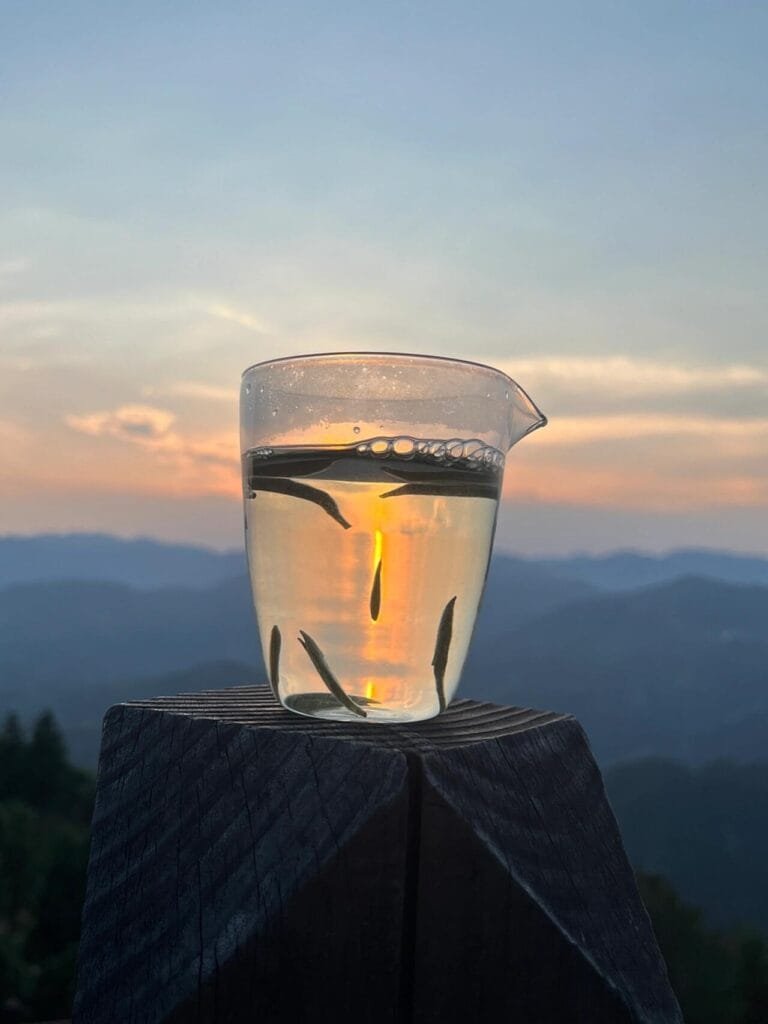
True cold brew tea is a “cold extraction” process. The tea leaves never come into contact with hot water; they are steeped slowly over a long period in cold water (refrigerated or room temperature). This method primarily extracts amino acids (which bring umami and sweetness) and aromatic compounds, while significantly reducing the extraction of caffeine and the astringent esterified catechins. Therefore, the inherent taste of cold brew tea is crisp, sweet, smooth, with almost no bitterness. If possible, starting the steep with chilled or refrigerated water can make the result even more stunning. Understanding the chemical difference between cold brew vs hot brew is the first step to mastering cold brew tea.
2.1 Key Differences Summary
• Flavor: Cold brew tea is sweet and brisk; hot-brewed then cooled tea tends to be bitter with oxidized flavors.
• Chemistry: Cold brew is high in amino acids, low in caffeine; hot brew extracts all compounds quickly and evenly.
• Safety: The cold brew process occurs at low temperatures, slowing bacterial growth; hot brew cooled and left at room temperature poses a hygiene risk.
3. Mistake: Cold Brew Tea is Always Better Tasting Than Hot Tea
This is an overly absolute view. Cold brew tea and hot tea are two different artistic expressions of tea, highlighting different facets, not a competition of better or worse. The benefits of cold brew tea lie in its suppression of bitter compounds, which accentuates the tea’s natural sweetness and certain delicate floral or fruity notes, offering a pure, gentle experience—ideal for summer or those seeking low stimulation.
However, for many teas, their complete charm—especially aromas derived from roasting and complex oxidation (like caramel, roasted, ripe fruit notes), as well as the liquor’s “body” and lingering “aftertaste”—can only be fully unlocked with high-temperature hot water. The rich layers and satisfying mellowness of a top-grade Jin Jun Mei black tea or Rou Gui rock tea brewed with boiling water cannot be replicated by cold brewing. A more reliable standard is: A truly high-quality tea will usually taste excellent both hot-brewed and cold-brewed. If a tea only tastes good cold-brewed but is unpalatable hot, it may indicate flaws in its processing or quality.
4. Mistake: Tea Leaves Used for Cold Brew Cannot Be Reused
This misconception is partially true but not absolute. After a long cold brew (e.g., 8-12 hours), most of the water-soluble compounds in the tea leaves have indeed been extracted. If you then try to re-steep these leaves with hot water, the resulting liquor will be very weak, with little aroma or flavor left, and extremely low durability.
However, there is an exception: If your cold brew process was conducted entirely under refrigeration, and the used leaves, after straining, still appear plump and vibrant in color (not dull or soggy), you can attempt a second cold brew. The method: after straining the first batch, add new cold or chilled water to the same leaves and return to the fridge for another 12-24 hours. The second brew will be extremely light, with a faint sweetness, and can be drunk as a very subtle “flavored water.” But this is the limit, and it is strongly discouraged to attempt a second long steep at room temperature due to bacterial growth risks. For most home brewers, considering simplicity and hygiene, treating cold brew leaves as single-use is the safer choice.
5. Mistake: Cold Brew Tea Can Be Steeped Indefinitely
The logic of “the longer it steeps, the stronger it gets” is a dangerous one when applied to cold brew tea. While low temperatures slow bacterial growth, they don’t stop it completely. Microorganisms naturally present on the tea leaves and in the water will still slowly activate over an extended steep. Generally, the safe optimal drinking window for cold brew tea in the refrigerator is within 24 hours. If steeped beyond 24-36 hours, the flavor of the liquor will start to decline, potentially developing slight “stale” or “stewed” notes, and the risk of microbial overgrowth increases significantly.
Create Your Cold Brew Schedule:
• Evening Plan: If you want to drink it the next day, brew it before going to bed, refrigerate, and finish it by the afternoon of the next day.
• Morning Plan: If you brew it in the morning to take to the office (with reliable office fridge), it can steep until you finish work. If left at room temperature, aim to drink it within 4-6 hours and discard it afterward.
Adhering to strict timing is key to enjoying the benefits of cold brew tea while avoiding its risks.
6. Mistake: Cold Brew Tea is Gentler on the Stomach, So You Can Drink as Much as You Want
This is a very common misconception and the reason many people experience diarrhea or stomach discomfort after drinking cold brew tea. Yes, the cold brew process significantly reduces the extraction of caffeine, which is one component that stimulates gastric acid. However, another major group of compounds in tea—polyphenols (especially catechins)—continue to be extracted in cold water. Polyphenols themselves have an astringent and somewhat irritating effect on the gastric mucosa.
When a significant amount of polyphenols combines with the cold temperature to act on the stomach and intestines, the resulting irritation can be greater than that from hot tea alone. The cold liquid causes blood vessels in the gastrointestinal tract to constrict, affecting local blood circulation and digestive juice secretion. Coupled with the astringent effect of polyphenols, this can easily lead to stomach cramps, pain, or diarrhea. Therefore, cold brew tea is not a “safe choice” for those with weak stomachs. It should be consumed in moderation, and gulping it down on an empty stomach should be avoided. This is an important caution to remember when seeking the refreshing benefits of cold brew tea.
7. Mistake: Cold Brew Tea Has Absolutely No Effect on Sleep
Similar to Mistake #6, this view is only half true. Compared to tea brewed hot for a short time with the same leaves, cold brew tea does contain less caffeine, as caffeine has lower solubility in cold water. For most people with normal caffeine tolerance, drinking a cup of cold brew tea in the afternoon or evening may not disrupt sleep as noticeably as hot coffee or strong black tea.
However, “lower content” does not mean “zero content.” During the long steeping process of several or even over ten hours, caffeine from the tea leaves is still being released slowly and continuously. If you use a large amount of tea leaves, or if you are highly sensitive to caffeine, the total amount of caffeine ingested may still reach a threshold that affects your nervous system, potentially causing difficulty falling asleep or lighter sleep. A safe recommendation is: if you know you are sensitive to caffeine, it’s best to consume cold brew tea more than 6-8 hours before bedtime and pay attention to the amount of tea leaves used.
8. Mistake: Cold Brew Tea Can Completely Replace Daily Water Intake
While cold brew tea is refreshing and delicious, it should never be used as a complete substitute for plain water. Tea, whether cold-brewed or hot-brewed, is always a beverage containing various bioactive compounds (polyphenols, caffeine, L-theanine, etc.). Excessive intake of these compounds, even through the seemingly gentle method of cold brew, can still place an unnecessary burden on the kidneys and metabolic system.
Using tea exclusively to replace water long-term may lead to:
1. Hydration Imbalance: The diuretic effect of caffeine may cause the body to excrete more fluid than is consumed.
2. Nutrient Interference: Tannins in tea can affect the absorption of minerals like iron from food.
3. Risk of “Tea Drunkenness”: Excessive polyphenols and caffeine can cause symptoms like heart palpitations, dizziness, and fatigue, known as “tea drunkenness.”
The healthy approach is to view cold brew tea as a healthy flavored beverage to be enjoyed in moderation (e.g., 1-2 large glasses per day), while ensuring sufficient intake of plain water to meet the body’s basic hydration needs. This is an important balance to enjoy the benefits of cold brew tea without compromising health.
9. Mistake: Cold Brew Tea Can Only Be Steeped Once
We touched on this partially in Mistake #4. The core issue here is the brewing environment. Under strict, continuous refrigeration, high-quality tea leaves may not be completely exhausted after the first 8-12 hour steep. You can cautiously attempt a second steep, but only if the following conditions are met:
1. Hygiene First: Wash hands and use clean utensils.
2. Refrigerate Immediately: After straining the first brew, immediately add new cold water and return it to the fridge right away.
3. Shorter Time: The second steep can last 12-24 hours, but taste it periodically. Discard immediately if it becomes too weak or develops any off-flavors.
4. Once Only: Absolutely do not attempt a third cold brew.
Important Note: For cold brewing conducted at room temperature, due to higher bacterial activity, it is strongly recommended to use the leaves only once. Discard both leaves and liquor after the first steep; do not risk a second infusion. Safety should always be the premise for enjoying the process of how to cold brew tea.
10. Mistake: Cold Brew Tea Needs a “Rinse”
In traditional hot Gongfu tea brewing, “rinsing” the tea (quickly pouring hot water over the leaves and discarding it) serves to awaken the dry leaves, remove possible, and allow compressed leaves to begin unfurling. However, in the context of cold brew tea, “rinsing” is not only unnecessary but can be counterproductive.
The reason is that even a quick rinse with warm water will cause some caffeine to be extracted rapidly. This caffeine will then dissolve in the water you use for the cold brew. One of the charms of cold brewing is the smooth mouthfeel resulting from low caffeine. This rinse essentially disrupts the carefully designed low-extraction environment, potentially introducing unwanted astringency into the final brew. As long as you are using tea from a reliable, quality-assured source (like JunxiTea’s curated selection of best teas for cold brewing), you can confidently skip the rinse and proceed directly to cold brewing. If you still have reservations, you can quickly swish the leaves with cold water, but be sure to strain it thoroughly before starting the steep.
Conclusion: Brew Smart, Enjoy the Refreshment
Cold brew tea is an art that blends simplicity and science. It breaks the mindset of traditional hot brewing, offering us a cool, sweet new way to enjoy Chinese tea during the hot summer. By avoiding these 10 common mistakes, you can not only enhance the flavor of your cold brew tea but also ensure its safety and health benefits.
Remember the core: choose teas with low oxidation and fresh, aromatic profiles (like high-grade jasmine tea, lightly oxidized oolong, White Peony), use cold water and steep at low temperature throughout, strictly control the steeping time (not exceeding 24 hours), and consume in moderation. Now that you possess the professional knowledge of how to cold brew tea, why not start today by selecting one of JunxiTea’s best teas for cold brewing and make a pitcher of your own perfect summer drink to experience the true charm of cold brew tea?
https://junxistea.com/product-category/green-tea/
https://junxistea.com/product/anxi-tieguanyin-tea/
https://junxistea.com/product/jasmine-silver-needle-tea/