The Science of Drinking Tea: 5 Rules to Create Your Personalized & Healthy Tea Routine

Have you ever experienced this: you brew a cup of fragrant Chinese tea with great anticipation, only to feel heart palpitations, shaky hands, slight stomach discomfort afterward, or even find yourself tossing and turning late into the night, unable to sleep? Many people’s first reaction is: “My body isn’t suited for tea” or “This tea is of poor quality.” However, the truth might be simpler: approximately 90% of discomfort associated with drinking tea stems not from the tea itself, but from improper consumption—the wrong time, concentration, or type of tea.
At JunxiTea, we firmly believe in “understanding tea, and also understanding how to drink it.” Tea drinking should not be an anxiety-inducing challenge, but a peaceful daily ritual that nourishes both body and mind. This article will delve into the physiological roots of tea-related discomfort and, based on the human circadian rhythm and the biochemical properties of tea, provide you with a detailed, actionable, science-backed tea drinking schedule. By mastering this guide, you will confidently enjoy the authentic flavors and health benefits of every cup, free from unwanted side effects.
1. Deconstructing Discomfort: Why Does Tea Cause Jitters, Stomachache, or Insomnia?
To establish a scientific tea drinking schedule, we must first understand how the contents of your cup interact with your body. Those unpleasant symptoms are primarily the result of three key compounds acting under specific circumstances.
• Caffeine: The Double-Edged Sword of Alertness and “Overload.” Tea naturally contains caffeine (sometimes called “theine”), a central nervous system stimulant. In moderate amounts, it can enhance focus and alleviate fatigue. However, when consumed on an empty stomach, at a high concentration, or during periods when the body’s metabolism is slower (such as the evening), caffeine can stimulate the nervous system too rapidly or intensely, leading to heart palpitations, jitters, shaky hands, and increased anxiety. This is the primary issue to address when learning how to drink tea without anxiety.
https://pubmed.ncbi.nlm.nih.gov/36870101/
• Tannins: Digestive Aid and Gastric Irritant. Tannins (tannic acid) give tea its structure and slight astringency, and aid in digesting fats. However, in a fasting state, high concentrations of tannins can bind with proteins in the gastric mucosa, forming astringent complexes that may cause stomach discomfort, pain, or acid reflux. For those with sensitive stomachs, this is a common cause of “stomachache.”https://en.wikipedia.org/wiki/Tannin
• Individual Metabolism and Sensitivity Variations. People naturally differ in their speed of caffeine metabolism, gastric acid secretion levels, and tolerance to tannins. A practical tea drinking schedule must account for these variables, allowing room for personal adjustment.
2. The Core of Scientific Tea Drinking: Understanding Your Body’s “Tea Clock”
Our bodies do not operate at the same level 24/7. They follow an intrinsic circadian rhythm, influencing hormone secretion, metabolic rate, and nervous system activity. A smart tea drinking schedule is, in essence, about aligning the properties of tea with the body’s natural rhythm for “resonance.”
• Morning: The Slow Start-Up Phase. After a night’s sleep, the body is in “start-up” mode. The stomach is empty, and the nervous system is gradually awakening. What’s needed here is a gentle, low-stimulation awakening, not a strong shock.
• Afternoon: The Peak of Metabolism & Efficiency. Typically from early afternoon until early evening, the body’s core temperature is higher, metabolism is active, and enzyme function peaks. This is the optimal window for processing caffeine and enjoying tea’s flavor complexity. The alertness effect is pronounced and less likely to affect subsequent sleep.
• Evening/Night: The Wind-Down & Sleep Preparation Phase. Cortisol levels naturally drop, melatonin secretion begins, and the body prepares for restoration and sleep. What’s needed here are substances that reduce excitability and promote relaxation. Any strong neural stimulation can disrupt this process.
3. Your Daily Science-Backed Tea Drinking Schedule
Based on the principles above, we have outlined a detailed daily tea drinking schedule for you. Please treat it as a guide, not a commandment, and fine-tune it based on your personal.
3.1 Morning (8:00 – 10:30 AM): Gentle Awakening, No Shock
• Core Principle: Always drink after breakfast. This is the golden rule to protect the gastric lining and avoid jitters. Let food be the buffer.
• Brewing Method: Opt for a lighter brew. Use about one-third less tea leaves than usual, and steep briefly with 90-95°C water.
• Tea Recommendations:
◦ White Tea: Especially White Peony (Bai Mudan) or Shou Mei aged 1-2 years. Relatively lower in caffeine and rich in L-theanine, it provides an alert yet calm awakening—a perfect morning choice.
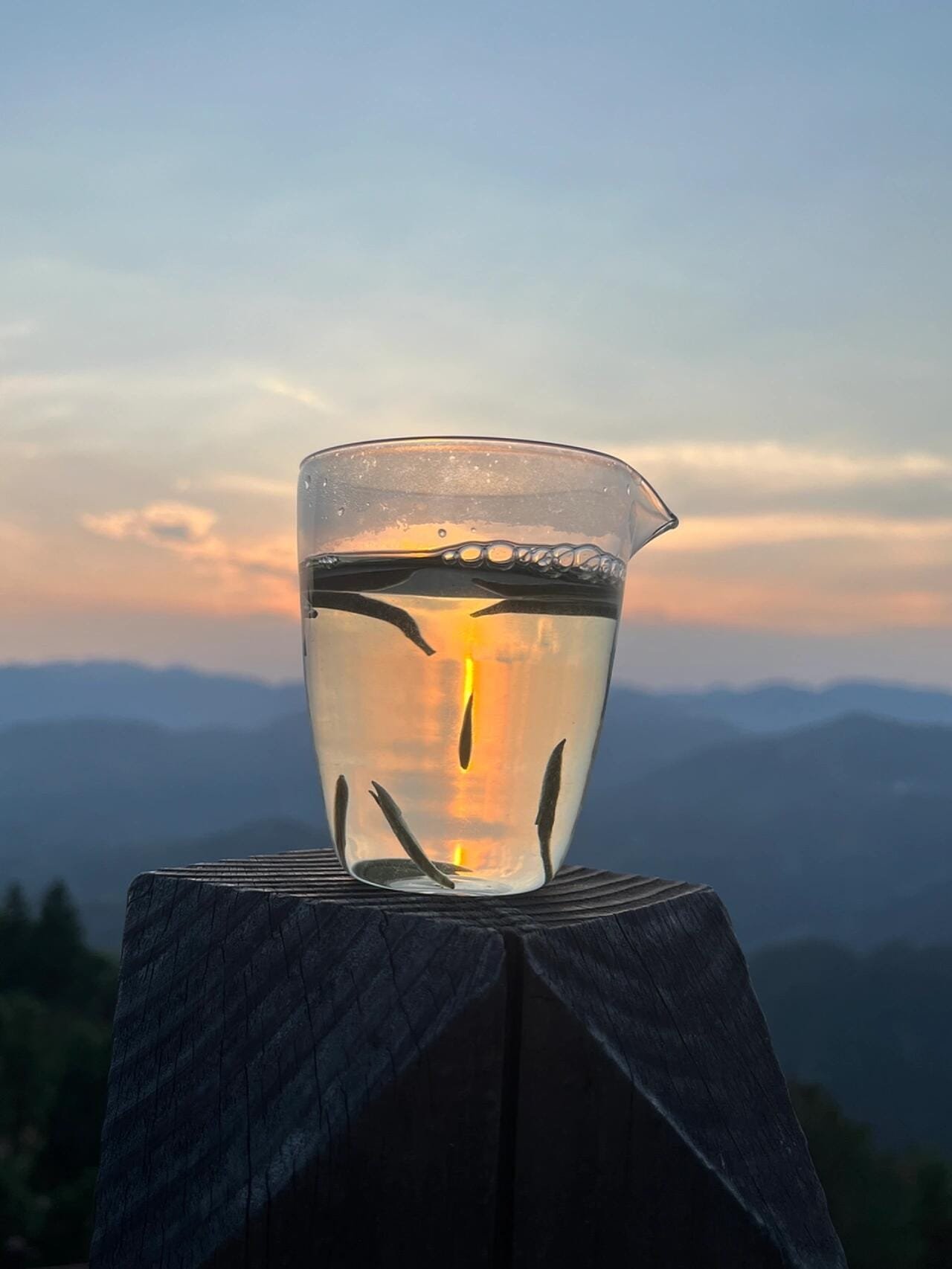
◦ Yellow Tea: Such as Junshan Yinzhen. Its gentle “sweltering” process makes the tea character milder and sweeter, very friendly to the morning stomach.
◦ (Optional) Lightly Oxidized Oolong: Like lightly roasted Tieguanyin, but must be brewed lightly.
3.2 Afternoon (11:00 AM – 4:00 PM): The Golden Hours, Unrestricted Enjoyment
• Core Principle: This is the safest window of the day to explore tea’s flavors and enjoy its energizing effects. The body’s metabolic capacity is strong, efficiently processing caffeine.
• Tea Recommendations:
◦ Oolong Tea: This is oolong’s “stage.” Whether it’s the highly aromatic Phoenix Dancong, Tieguanyin, or the deep, robust Wuyi Rock Tea (Rou Gui, Shui Xian), all can fully showcase their complexity at this time, refreshing the mind and delighting the senses.
◦ Black Tea: Warm in nature, sweet, and smooth. A classic choice for afternoon tea culture, providing steady, stable energy without sharp spikes.
◦ Pu-erh Tea (Ripe/Shoù): Mellow, warm, and smooth. Aids digestion and cuts through grease, perfect after lunch.
◦ Green Tea: If you have a robust stomach and are not overly sensitive to caffeine, the afternoon is a great time for a cup of brisk, fresh green tea.
3.3 Evening to Bedtime (5:00 – 10:00 PM): Unwinding & Protecting Sleep
• Core Principle: Gradually reduce caffeine intake as the evening progresses. The goal is to relax the nerves, not stimulate them.
• Phased Recommendations:
◦ Early Evening (5:00-7:00 PM): Opt for teas with lower caffeine and full fermentation. Examples include aged ripe Pu-erh or white tea aged over 3 years. They taste mellow and sweet, with almost no, helping to settle the mind after the day.
◦ Pre-Bedtime (After 8:00 PM): Generally, drinking tea is not recommended. If you strongly desire something warm, the only suitable choices are very lightly brewed, well-aged (7+ years) white tea or ripe Pu-erh, with an extremely short steep (quick rinse), and in a small amount. Caffeine-free herbal teas are a better recommendation.
4. Beyond Timing: Choosing Tea Based on Your Constitution & Its Nature
A personalized tea drinking schedule also requires considering your own constitution and the “nature” of the tea. Traditional Chinese Medicine and tea philosophy categorize tea as cool, cold, neutral, or warm in nature. Understanding this is the deeper key to addressing issues of tea and digestion and finding the right tea for sleep.
• Sensitive Stomach / Cold Constitution: Should avoid teas considered cool or cold in nature, such as fresh green tea, young raw Pu-erh. These are rich in stimulating polyphenols and caffeine. Opt for fully fermented black tea, post-fermented dark tea (like ripe Pu-erh), and aged white tea. These are gentle, even warming, and can protect the stomach.
• Highly Caffeine-Sensitive / Prone to Insomnia: Your tea drinking schedule needs to be stricter. Shift to low-caffeine options soon after noon. Focus on teas rich in L-theanine, like Silver Needle white tea, high-grade White Peony. L-theanine counters anxiety and promotes relaxation. Heavily fermented and well-aged teas (old dark tea, aged white tea) are also very low in caffeine.
• “Heaty” Constitution / Often Feel Warm: Can drink teas considered cooler in nature, like green tea, lightly oxidized oolong, young white tea, in moderation to clear heat and generate fluids. Still, avoid drinking on an empty stomach and control the strength.
5. Crafting Your Perfect Tea Routine: From Knowledge to Habit
Knowledge only creates value when applied. Now, let’s translate this scientific tea drinking schedule into effortless daily habits.
1: Self-Observation. For a few days, note the time, type, strength of tea you drink, and your body’s reactions (energy, stomach, sleep). This provides your most personalized data.
2: Start with “Substitution.” No need for an overhaul. Tomorrow after breakfast, replace your usual strong tea on an empty stomach with a lightly brewed cup of White Peony. Feel the difference.
3: Build Your “Tea Library.” Stock teas suitable for different times based on the tea drinking schedule. For example, keep gentle white/yellow tea in the “morning” section; uplifting oolong/black tea in the “afternoon” section; calming aged tea in the “evening” section. JunxiTea offers carefully curated tea sets designed for different times and needs, making the choice easier.
4: Listen to Your Body, Adjust Flexibly. This schedule is a map, but you are the navigator. If you feel particularly tired one day, you might need a gentler tea in the afternoon. If your stomach is unsettled, opt for the mildest choices all day. Respect your body’s immediate signals.
Conclusion: Let Tea Return to Its Essence—A Daily Sanctuary for Body and Mind
Tea, in its essence, is the essence of mountains, rivers, and plants—a gift of time and craftsmanship. Its original purpose is to nourish, delight, and connect us with nature. A scientific tea drinking schedule is not a set of restrictive rules, but a key that helps us unlock the full potential of this gift. It teaches us to dance with tea, not fight against it.
When we understand how to drink a tea suitable for us, in the right way and at the right time, tea ceases to be a source of health concerns and becomes a reliable, daily comfort. It is the gentle hug in a busy morning, the clear thinking offered during an afternoon slump, and the quiet certainty brought to a chaotic evening.
May you, from today, redefine your relationship with tea. May every cup become a beautiful moment of nourishing your stomach, calming your spirit, and enjoying life, uniquely yours. This personalized tea drinking schedule is JunxiTea’s first gift of care to you.