
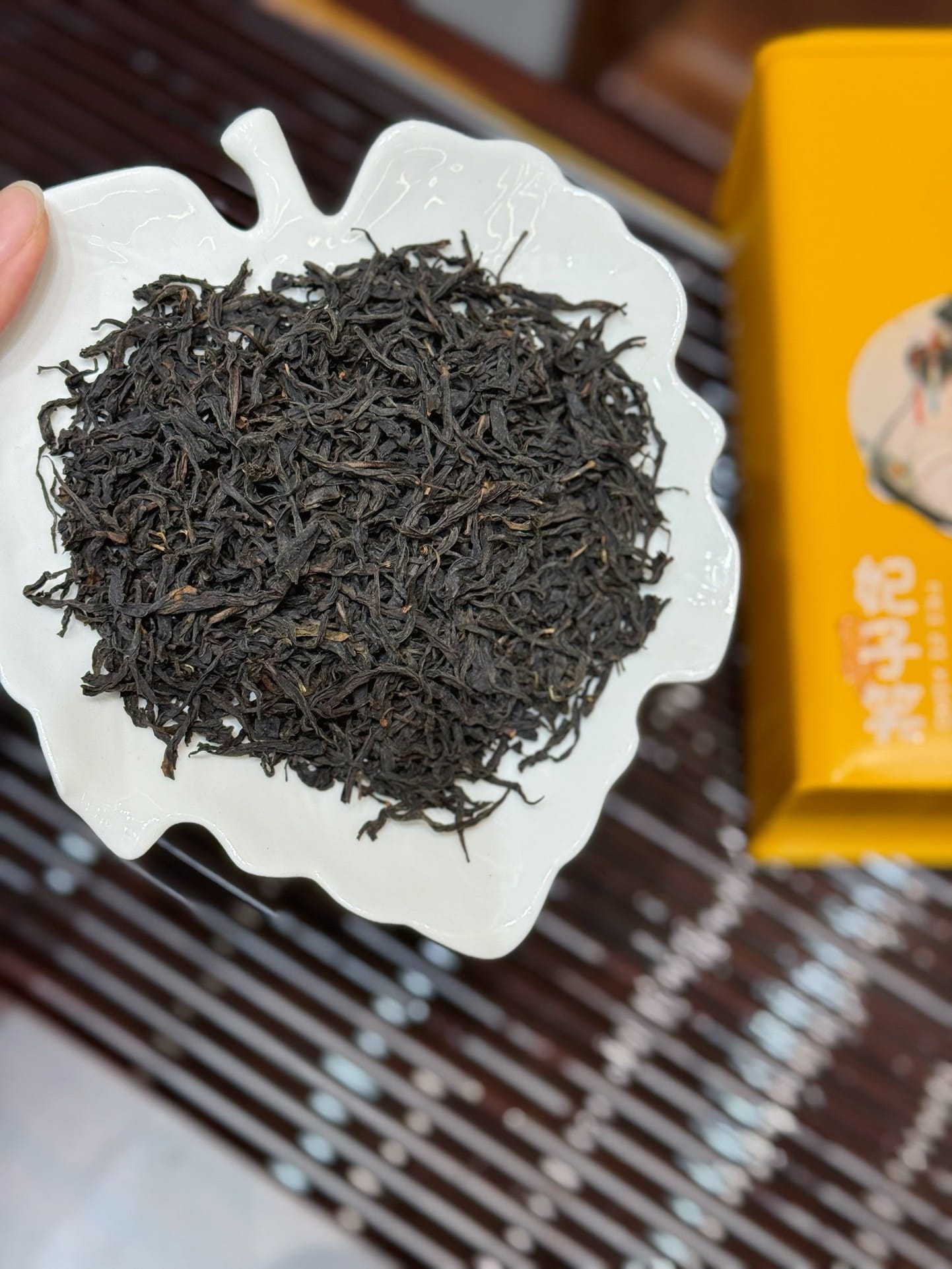
FeiziXiao Black Tea Decoded: 7 Core Truths & Buying Guide for the Lychee-Scented Lapsang Souchong

In the world of premium black tea, FeiziXiao Black Tea is a name brimming with charm and a touch of mystery. A prized variant of Lapsang Souchong, it is renowned for its unique and captivating lychee-like sweet woody aroma and lifting honeyed floral fragrance, coupled with a brisk, sweet, and mellow taste. However, the market is flooded with products labeled “FeiziXiao,” with vast differences in quality and price. This article delves into seven core truths about FeiziXiao Black Tea, providing a complete map of understanding and selection—from its origins and flavor creation to market authentication.
https://junxistea.com/product/litchi-black-tea/
1.The Foundation of Flavor: Three Key Elements That Create FeiziXiao’s Unique Quality
FeiziXiao Black Tea is not a standalone tea plant varietal. It is a supreme flavor profile crafted from specific raw material, a core terroir, and innovative processing. Its signature lychee-honey aroma results from the precise combination of three key elements.
1.Extremely Stringent Plucking Standards
•Standard: Uses only the first flush’s earliest sprouting tips, plucked strictly to the one bud with one or two leaves standard. Leaves must be fleshy, buds covered in silvery pekoe.
•Window: The harvesting window for this top-grade material is extremely short, often just a few days around the Qingming festival. After winter dormancy, the leaves are richest in inner compounds (amino acids, aromatics), laying the foundation for the “fresh, brisk, and sweet” taste.
2.The Irreplaceable Core Terroir: Wuyi’s Tongmu Guan
•Geographic Edge: Authentic FeiziXiao must come from Tongmu Guan within the Fujian Wuyi Mountain National Nature Reserve. High average altitude, 96% forest coverage, perpetual mist, and abundant rainfall define this area.
•Terroir Character: The unique ecosystem and mineral-rich soil impart a pure “mountain character” and substantial inner quality to the leaves—the unreplicable “terroir code” missing from outer regions.
3.The Craftsmanship Essence: Heritage and Innovation
•Process Base: Follows traditional Lapsang Souchong methods but omits the pine smoke roasting, making it an “unsmoked Souchong.”
•Innovation Key: Precise control over the oxidation level. The tea master manipulates temperature, humidity, and time to halt oxidation precisely at the threshold where aroma is most lifting and the liquor is most brisk and sweet, rather than pursuing the full strength of deep oxidation. This ultimate pursuit of “freshness” is the key processing secret behind its lychee-like fresh fruit sweetness.
2.Definition & Distinction: FeiziXiao Tongmu Souchong vs. Other Black Teas
Clearly distinguishing authentic FeiziXiao Black Tea from similar products is key to avoiding confusion.
1. Difference from Outer-Region “FeiziXiao”
•Legal Definition: According to Chinese standards, only black tea produced in Tongmu Guan and surrounding designated areas within Wuyi, using the local native “Caicha” varietal, and made with traditional methods can be called “Lapsang Souchong.”
•Market Reality: Many black teas from Fu’an, Zhenghe, Jianyang, etc., also borrow the name “FeiziXiao.” They may use high-aroma cultivars (e.g., Meizhan, Jinmudan) to mimic the scent, but lacking Tongmu’s “terroir character,” their liquor thickness, sweetness, and aroma persistence/layers are fundamentally different. They should be categorized as “Gongfu Black Tea,” not Lapsang Souchong.
2.Difference from Traditional Smoked Lapsang Souchong
•Core Process Difference: Traditional Lapsang Souchong is smoked over pine needles/wood, creating the signature “pine smoke aroma, longan soup.” FeiziXiao is unsmoked, aiming to purely express the fresh, sweet, floral character of the tea varietal and terroir itself, resulting in a more elegant, modern, and approachable style.
3.The Aroma Demystified: Is FeiziXiao’s Lychee Scent Natural or Added?
Faced with such a distinct lychee aroma, many tea lovers naturally wonder. It can be stated that the aroma of high-quality FeiziXiao Black Tea comes entirely from natural varietal character, terroir, and processing, requiring no additives.
1.Aroma Chemistry: Hundreds of aromatic compounds are created during tea oxidation. Specific varietals (Tongmu Caicha) at specific oxidation levels produce an aroma profile dominated by compounds like linalool and its oxides, geraniol, which naturally present sweet scents resembling lychee, rose, and wood.
2.Processing Locks the Aroma: The precise oxidation control mentioned earlier aims to maximize the formation and preservation of these pleasant high-boiling-point aromatics. Under-oxidation leaves grassiness, over-oxidation creates ripe fruit sourness. Only the perfect point can “lock in” that fresh, lively lychee-honey charm.
3.Evidence in the Leaves: Naturally formed aroma is consistent across the dry leaves, liquor, and brewed leaves. Artificially aged or scented teas often have a floating, pungent smell disconnected from the liquor’s taste, with dull, inactive brewed leaves. Authentic FeiziXiao has evenly oxidized leaves that are vivid, coppery-red, and bright, soft and springy to the touch.
4.Price Analysis: Why Such Huge Price Gaps for FeiziXiao in the Market?
Ranging from hundreds to tens of thousands of RMB per 500g, the price range for FeiziXiao Black Tea is confusing. The gaps stem from four dimensions:
1.Origin Cost: The price of fresh leaves from Tongmu Guan’s core area is several to over ten times higher than from outer regions (e.g., Fu’an, Zhenghe), dictated by scarce terroir resources, higher management costs, and eco-friendly requirements.
2.Raw Material Grade: Even within Tongmu material, there are grades. Top-grade FeiziXiao must be the tenderest first-pluck, one-bud-one/two-leaves. Material with one bud three leaves or from later flushes costs much less. Tenderness directly determines the finished tea’s freshness, sweetness, and brew durability.
3.Processing Skill: The same material can yield vastly different quality in the hands of different masters or factories. Precise “making tea according to the leaf” and oxidation control are core skills, directly affecting aroma purity and taste sophistication. Exquisitely crafted “boutique” tea and ordinarily made “bulk” tea naturally differ in price.
4.Brand & Packaging: The reputational premium of famous brands and beautifully designed gift packaging add to the final price. However, the core value always lies in the tea’s origin, material, and craft.
5.Buying Guide: 8 Steps to Identify High-Quality FeiziXiao Tongmu Lapsang Souchong
Facing the market, how to develop a discerning eye? Follow these 8 steps:
1.Check Name & Label: Ensure the product clearly states “Tongmu Guan Lapsang Souchong” or “Wuyi Tongmu Guan.” Be cautious with only “FeiziXiao Black Tea” and no origin.
2.Verify Production Info: Check the back label. The manufacturer’s address should be within Wuyi’s Tongmu Guan or Xingcun Town area. This is the legal proof of origin.
3.Observe Dry Leaf: The strips should be tight, dark with a glossy sheen, showing golden tips. Buds and leaves attached, mostly in a “one-bud-one/two-leaves” form. Avoid overly broken strips or uniformly black, dull leaves.
4.Smell Dry Leaf Aroma: Should be clean, with an elegant honeyed floral and fruity sweetness. No burnt, sour, or pungent artificial smells.
5.Examine Liquor Color: After brewing, high-quality FeiziXiao liquor is orange-yellow, bright, and clear, like amber or honey water. An overly red, dark, and dull liquor does not match its processing style.
6.Taste the Liquor: The taste should be brisk, sweet, mellow, and smooth, with a fine texture and a comfortable throat feel. The aroma should be present in the liquor (“scent in water”), with a long-lasting aftertaste. There should be no grassiness, sourness, roughness, or throat-tightening sensation.
7.Smell the Cool Cup Aroma: After drinking, smell the bottom of the sharing pitcher or tasting cup. There should be a persistent, clean cool fragrance—a characteristic of high-aroma tea.
8.Inspect the Brewed Leaves: The brewed leaves should be soft, fleshy, elastic, showing a uniform coppery-red color, with complete leaves and clear veins. Avoid dark, fragmented, stiff brewed leaves.
6.The Art of Brewing: How to Unlock FeiziXiao’s Best Flavor
Brewing is the final, crucial step. For FeiziXiao’s characteristics, we suggest:
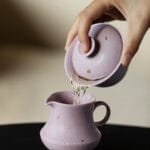
•Vessel: A white porcelain gaiwan is best—non-absorbent, great for smelling aroma and observing color.
•Water Temperature: 90-95°C is ideal. Boiling water can be used, but建议 letting it sit briefly after boiling. Temperature直接影响 flavor profile:
◦ Higher Temp (95-100°C): Elicits lifting aroma, robust fragrance, but slightly less sweetness.
◦ Medium Temp (85-90°C): Highlights the liquor’s fresh sweetness and mellowness, resulting in a sweeter, smoother taste.
•Tea-to-Water Ratio: 1:20 to 1:22 (e.g., 5g tea for 110ml gaiwan).
•Brewing Method:
1.Warm the Vessel: Rinse with hot water.
2.Add Leaves & Smell: Add dry leaves, swirl to warm them, smell the dry leaf aroma.
3.Rinse/Awaken: Pour in hot water, pour out immediately to “awaken” the leaves (can be discarded).
4.First Brews: For the first 3 infusions, use “circular pouring” or “steady thin-stream pouring” to gently saturate the leaves. Steep for 5-8 seconds, then pour out quickly. This yields a balanced liquor of aroma and taste.
5.Later Brews: From the 4th infusion, increase steeping time by 5-10 seconds per brew. High-quality FeiziXiao is very durable, lasting 8-10 brews. Later brews can use slightly hotter water to extract the remaining essence.
Conclusion: A Sip-Worthy Treasure Worth Exploring
FeiziXiao Black Tea represents an elegant contemporary expression of Lapsang Souchong. Shedding the traditional smoky cloak, it concentrates the cool purity of Wuyi’s high mountains, the fresh sweetness of spring buds, and the tea master’s执着 pursuit of “freshness” into a cup of amber liquor. Its unique lychee-honey charm is a serendipitous composition of terroir, varietal, and craftsmanship—not an artificial addition.
Understanding it is not just about tasting a flavor, but about appreciating a philosophy of tea making—finding the freshness akin to partial oxidation within the definition of “full oxidation”; pursuing the clear, sweet aftertaste of green tea within the mellow framework of black tea. When you find a genuine Tongmu Guan FeiziXiao, brew it mindfully, and savor its aroma, liquor, and rhyme, you will understand why this “smile” from the depths of Wuyi Mountain is so captivating.



This breakdown is such a helpful guide— I’d always wondered whether that lychee scent in these teas was natural or artificial, so the explanation of how specific oxidation locks in the natural aromatic compounds was really eye-opening. It makes so much sense that only Tongmu Guan terroir can create that depth too, I’ve definitely had cheaper versions that just lacked that sweet lingering finish. Great to have all these core truths laid out clearly for anyone looking to buy a good bottle—err, batch of FeiziXiao. This takes all the guesswork out of buying!
Thank you so much for your thoughtful and detailed comment! We’re thrilled to hear that the breakdown was helpful and that it clarified how the natural lychee aroma is achieved through specific processing. You’ve perfectly grasped a core truth of our philosophy: that authentic flavor comes from respecting the terroir and the craft. The unique character of teas from areas like Tongmu Guan is indeed irreplaceable, and that “sweet lingering finish” you mentioned is the true signature of its origin. We’re so glad this guide helps take the guesswork out of finding a genuine batch. If you ever have more questions about specific teas or processes, please don’t hesitate to reach out. Happy brewing!